Automated painting processes are rapidly transforming industries ranging from automotive and aerospace to furniture manufacturing and construction. This shift isn’t merely about efficiency; it represents a fundamental change in how products are finished, impacting quality, cost-effectiveness, and environmental sustainability. The increasing demand for consistent, high-quality finishes coupled with the need to reduce labor costs and minimize waste is driving the global adoption of these automated systems.
The global market for automated painting equipment is experiencing significant growth, fueled by advancements in robotics, sensor technology, and software control. According to a recent report by the World Bank, investment in automation technologies is projected to increase by 15% annually over the next decade. This trend is particularly pronounced in developing economies striving to enhance manufacturing competitiveness. The challenge lies in bridging the skill gap and ensuring equitable access to these technologies.
Understanding the nuances of the automated painting process is crucial for businesses seeking to optimize their production lines and gain a competitive edge. This knowledge empowers them to make informed decisions regarding technology investment, process implementation, and workforce training, ultimately leading to improved product quality, reduced operational costs, and a more sustainable manufacturing footprint.
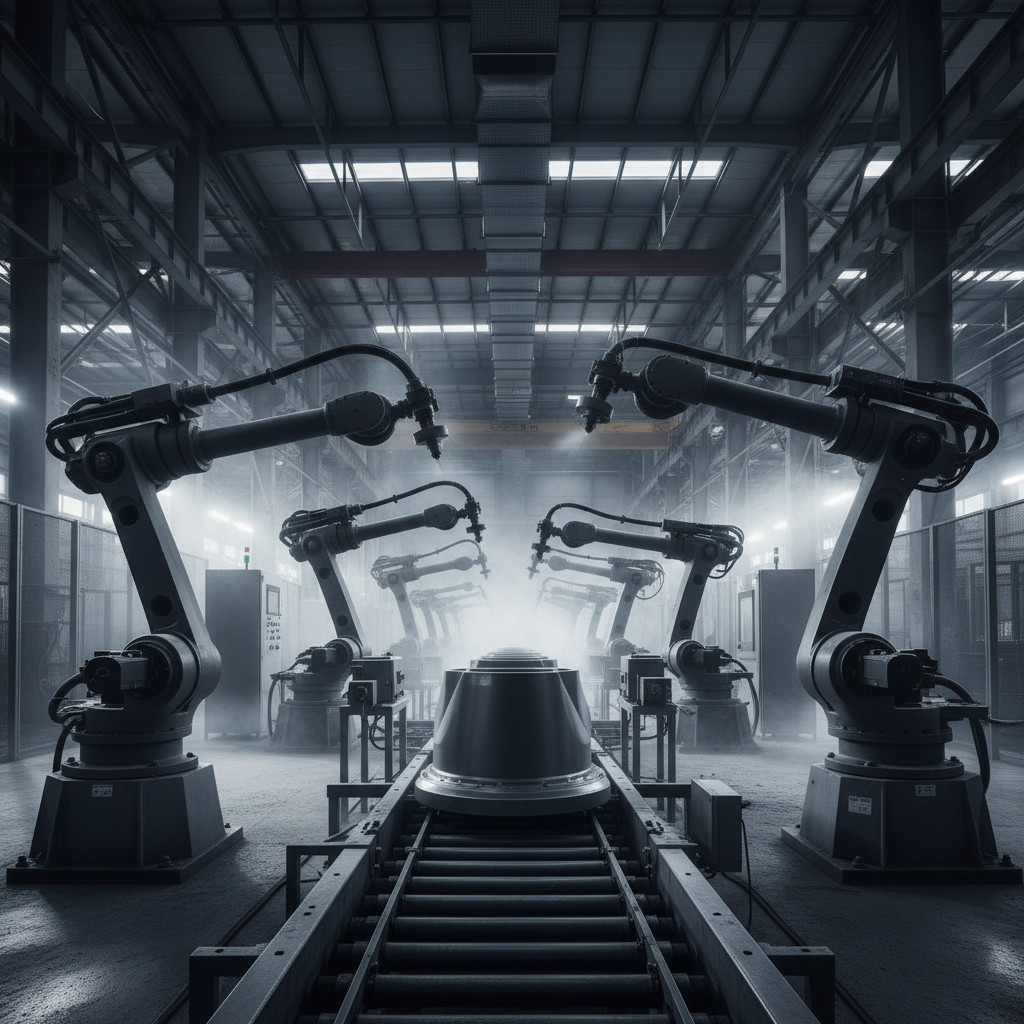
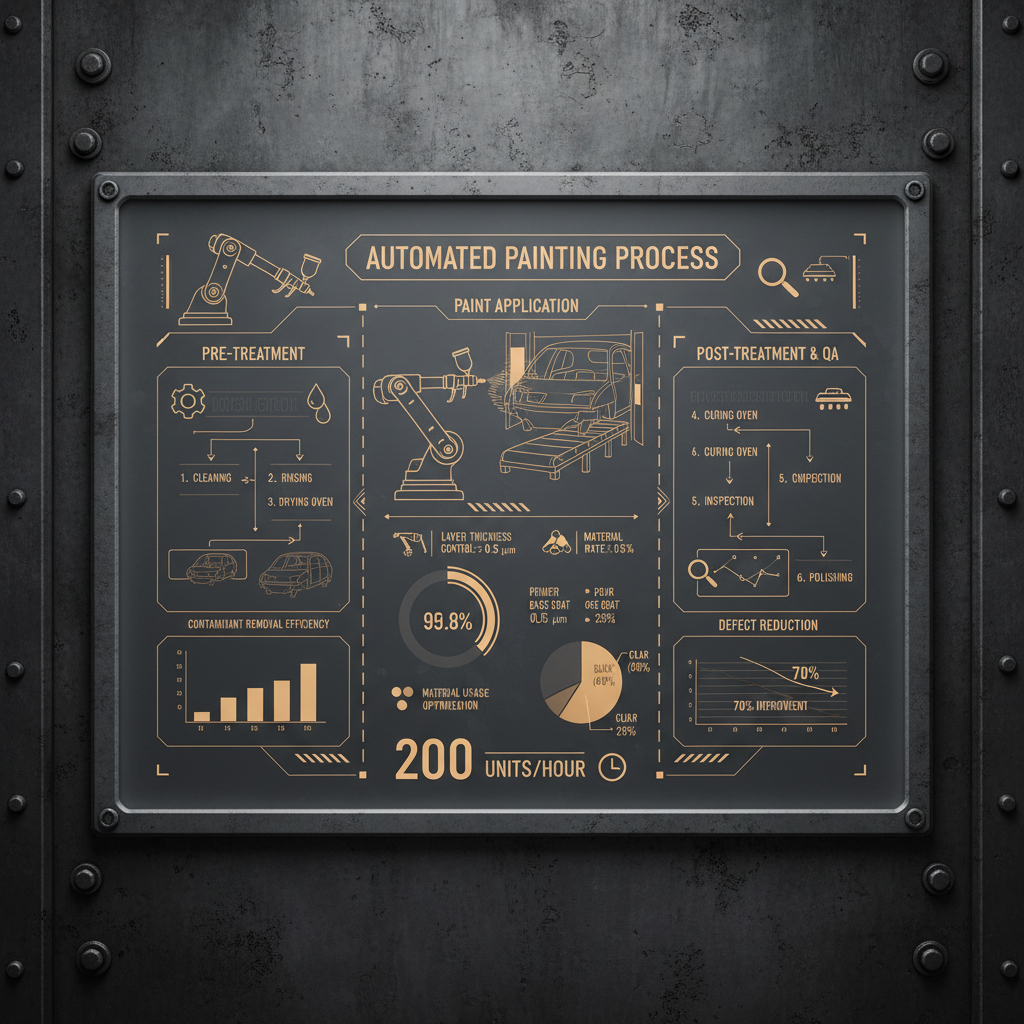
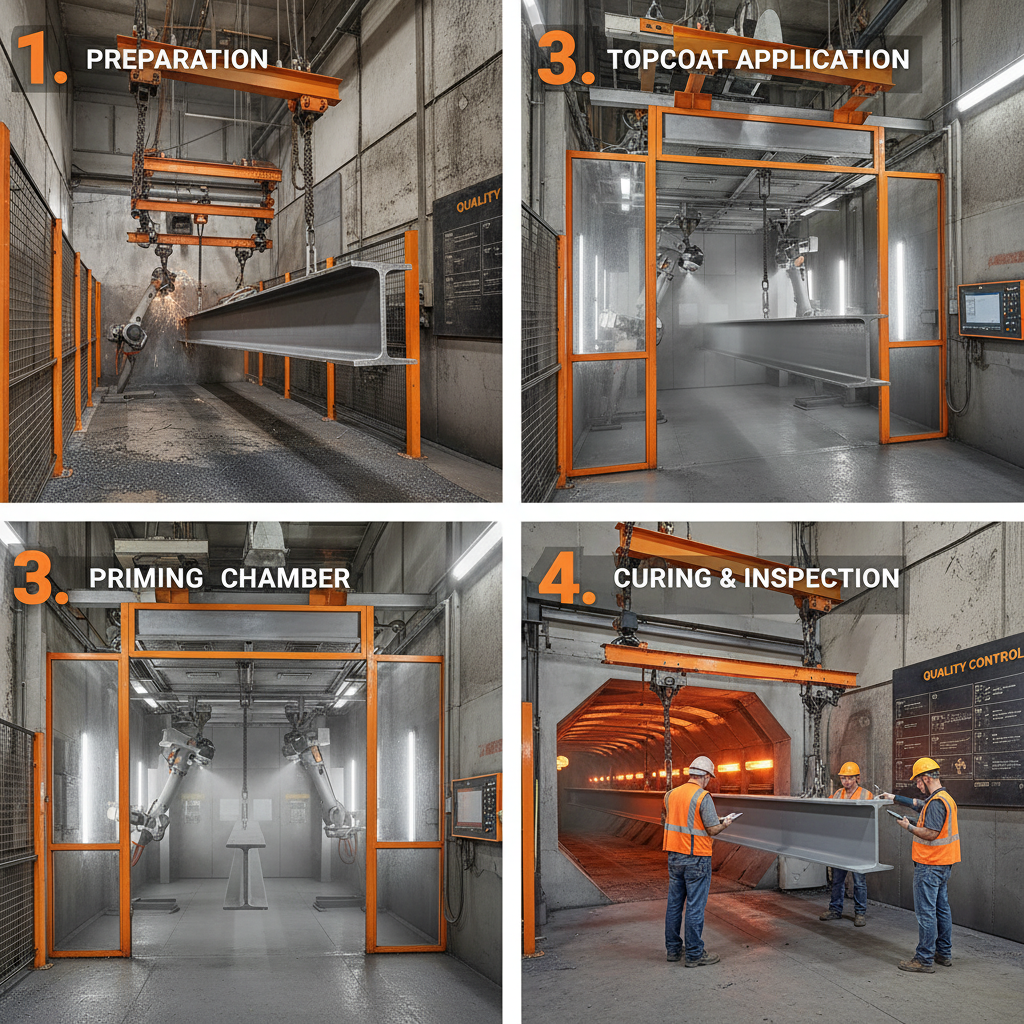
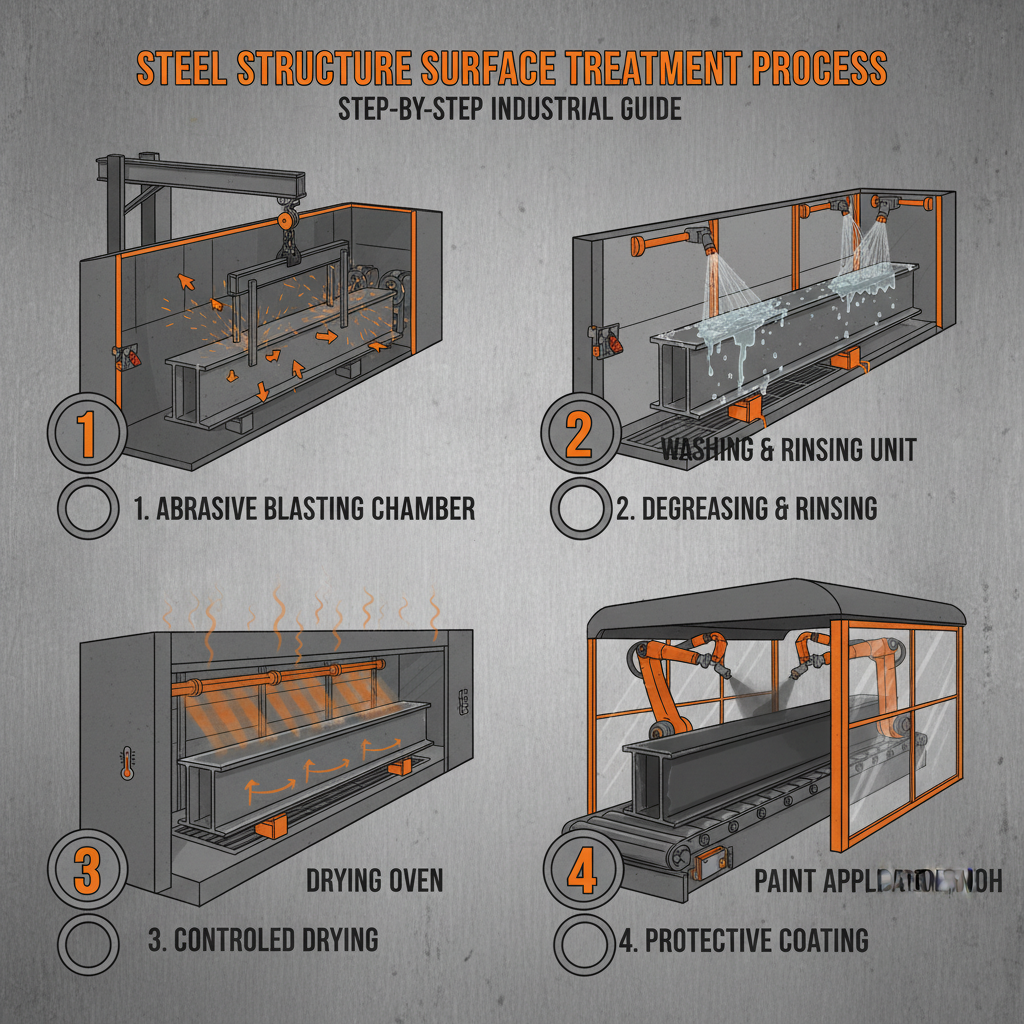
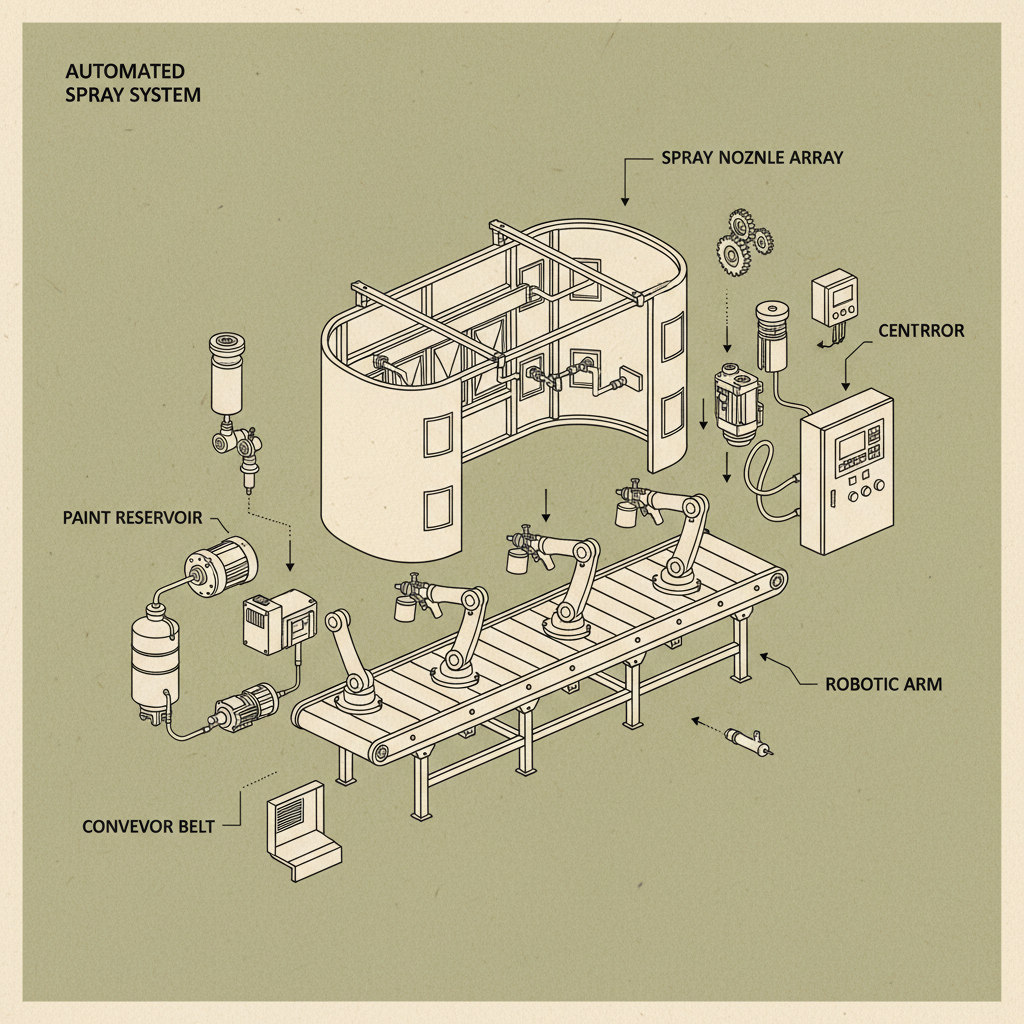
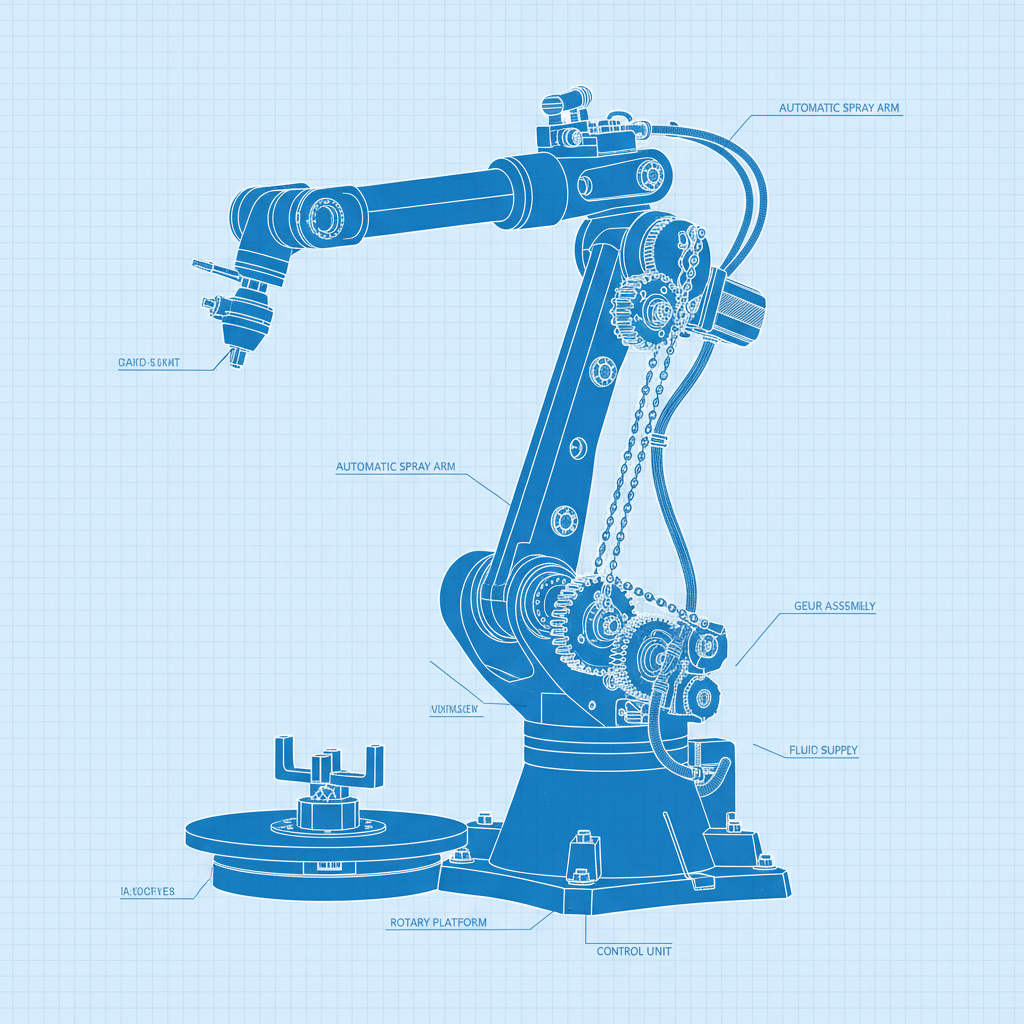
The automated painting process involves the use of robotic systems and automated equipment to apply coatings to surfaces. This goes beyond simply replacing human painters with robots; it encompasses a complete system including surface preparation, paint mixing, application, and curing. Optimizing each stage is essential for achieving desired results.
This technology is quickly becoming indispensable in modern manufacturing, as it addresses numerous challenges associated with traditional painting methods. From inconsistencies in application to worker safety concerns and material waste, the automated painting process provides a comprehensive solution. It's a cornerstone of increased efficiency and product quality.
The most significant cost savings stem from reduced paint waste, lower labor requirements, decreased rework due to improved consistency, and potentially lower energy consumption. The initial investment in equipment is offset by these long-term gains. A typical ROI (Return on Investment) timeframe is 3-5 years, but this varies based on production volume and the complexity of the application.
Automated systems minimize paint overspray, reducing volatile organic compound (VOC) emissions and overall material waste. The precise application also enables the use of thinner coatings, further lessening the environmental impact. Many systems are designed for efficient solvent recovery and recycling. Choosing water-based or powder coating further enhances sustainability.
While automated systems reduce the need for manual painting skills, specialized training is essential for operation, maintenance, and troubleshooting. This includes robotics programming, system calibration, preventative maintenance procedures, and safety protocols. Training programs are often offered by equipment manufacturers or third-party providers.
Automated painting can be adapted to a wide range of materials, including metals, plastics, wood, and composites. However, complex product shapes or intricate designs may require specialized tooling or robotic configurations. A thorough assessment of the product and material properties is essential to determine the feasibility of automation.
Safety is paramount. Robotic cells must be properly guarded to prevent accidental contact with moving parts. Appropriate ventilation systems are needed to remove paint fumes and ensure air quality. Workers must receive comprehensive training on safety procedures and emergency shutdown protocols. Regular safety inspections are crucial.
Both automated painting and powder coating offer distinct advantages. Powder coating typically has lower material costs and creates a more durable finish, but requires a more substantial initial investment in equipment. Automated liquid painting is more versatile for complex shapes and color variations, but can result in greater material waste if not precisely controlled. The best choice depends on specific application requirements.
The automated painting process represents a significant advancement in manufacturing technology, offering a compelling combination of cost savings, improved quality, enhanced sustainability, and increased worker safety. From automotive and aerospace to construction and consumer goods, its impact is increasingly felt across diverse industries globally. Understanding the key factors driving success – from precision and material compatibility to integration with AI and sustainable practices – is critical for businesses seeking to unlock its full potential.
Looking ahead, continued innovation in robotics, AI, and coating materials will further refine and expand the capabilities of automated painting. Embracing these advancements will not only optimize production processes but also contribute to a more sustainable and efficient future. To learn more about implementing an automated painting process for your business, visit our website today.