Metal building manufacturers are at the forefront of modern construction, offering solutions that address global infrastructure needs with speed, efficiency, and durability. These companies specialize in the design, fabrication, and installation of prefabricated steel structures, catering to a diverse range of industries and applications. From agricultural storage and industrial warehouses to commercial retail spaces and aviation hangars, metal building systems provide a versatile and cost-effective alternative to conventional construction methods.
The relevance of metal building manufacturers extends far beyond simple construction; they play a critical role in enabling economic development, disaster relief, and sustainable infrastructure projects worldwide. A significant increase in demand for efficient building solutions, coupled with advancements in steel technology and fabrication techniques, has fueled the growth of this sector. The ability to quickly deploy structures in remote locations and challenging environments makes these manufacturers invaluable partners in a variety of humanitarian and industrial endeavors.
In a world increasingly focused on sustainability and efficiency, metal building manufacturers offer a compelling value proposition. Their structures minimize waste, reduce construction timelines, and provide long-lasting, resilient solutions. Understanding the capabilities and benefits of these manufacturers is essential for anyone involved in construction, infrastructure development, or disaster preparedness.
Introduction to metal building manufacturers
The role of metal building manufacturers is expanding rapidly due to the increasing demand for cost-effective and quickly erected structures. They represent a significant portion of the broader construction industry, offering a specialized service that differs from traditional building approaches. This specialization allows for greater control over quality, faster project completion, and reduced overall costs, making them crucial partners in various construction projects.
These manufacturers are not simply fabricators; they often provide a complete, turnkey solution, encompassing design, engineering, fabrication, delivery, and erection of steel buildings. This integrated approach streamlines the construction process and minimizes the potential for delays or miscommunication. The growing complexity of modern projects further emphasizes the value of a seasoned metal building manufacturers.
Defining metal building manufacturers
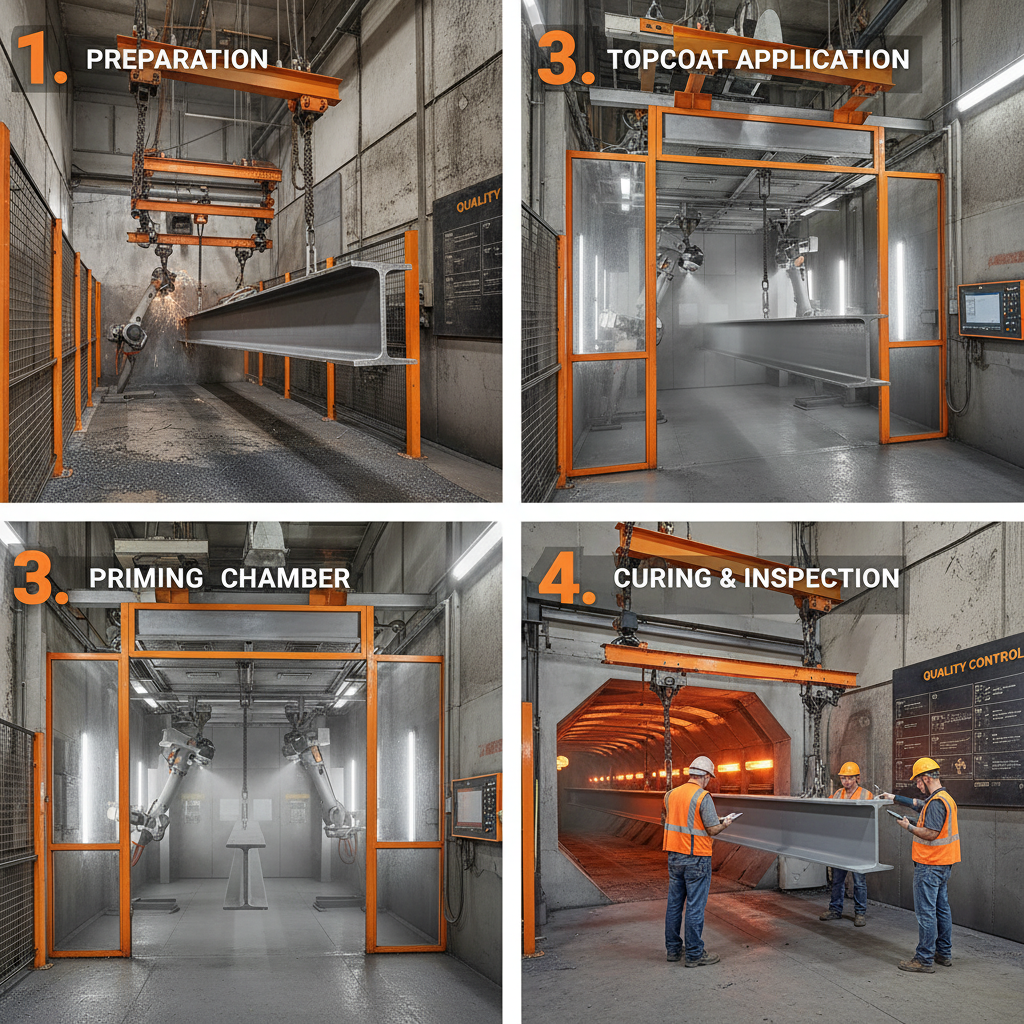
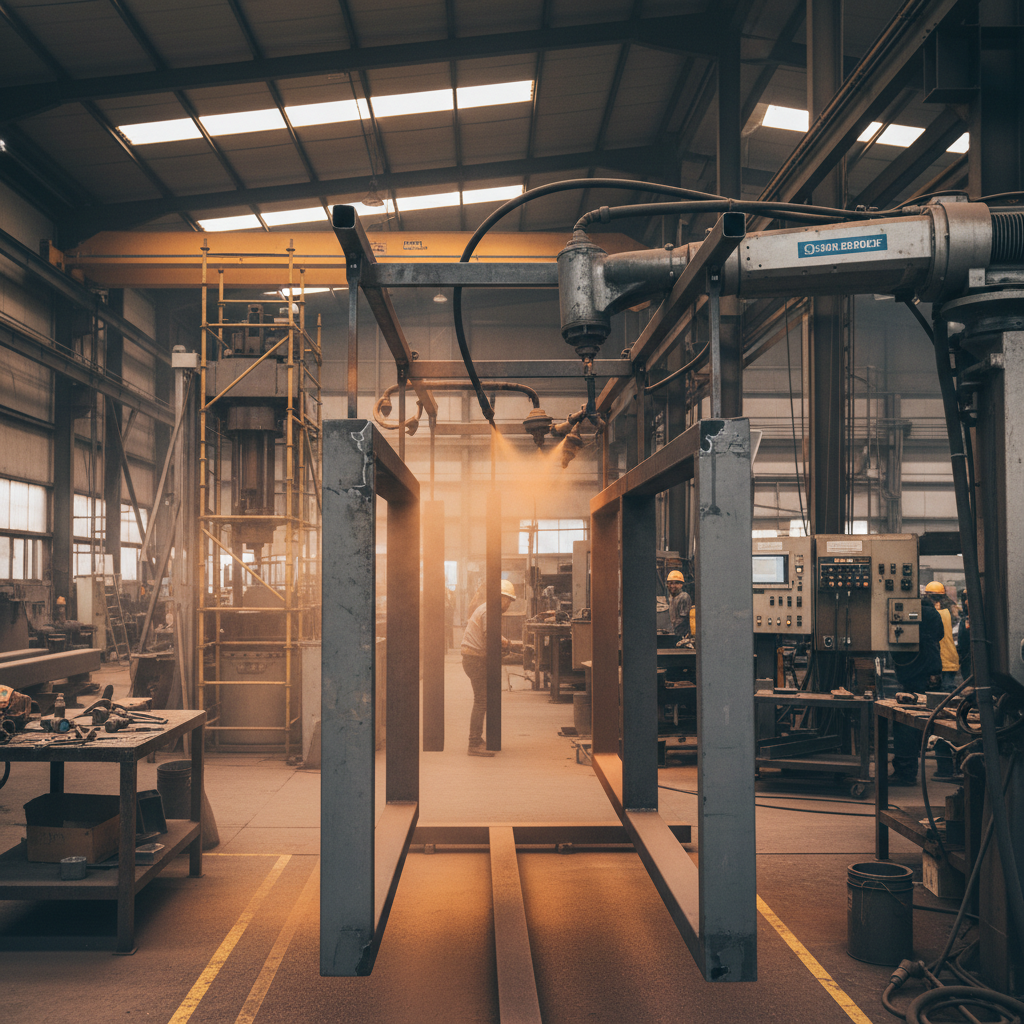
Metal building manufacturers are companies specializing in the design, fabrication, and installation of prefabricated steel structures. Unlike traditional construction, where components are assembled on-site, these manufacturers create the building's framework – typically steel beams, columns, and roofing systems – in a factory setting. This process allows for greater precision, quality control, and efficiency.
The scope of work often extends beyond simply creating the steel framework. Many metal building manufacturers provide complete building packages, including insulation, siding, windows, doors, and even interior finishes. This "turnkey" approach simplifies the construction process for clients and reduces the need for multiple contractors.
Their work is intrinsically linked to modern industrial and economic growth. Providing infrastructure solutions where speed and cost-effectiveness are paramount, they enable rapid expansion in sectors like agriculture, logistics, and manufacturing. Their structures address humanitarian needs too, serving as shelters in disaster zones or providing temporary housing solutions.
Key Characteristics of metal building manufacturers
One defining characteristic of metal building manufacturers is their commitment to engineering excellence. Steel structures require precise calculations and meticulous design to ensure structural integrity and adherence to building codes. Manufacturers employ teams of experienced engineers who specialize in steel construction and are proficient in utilizing advanced design software.
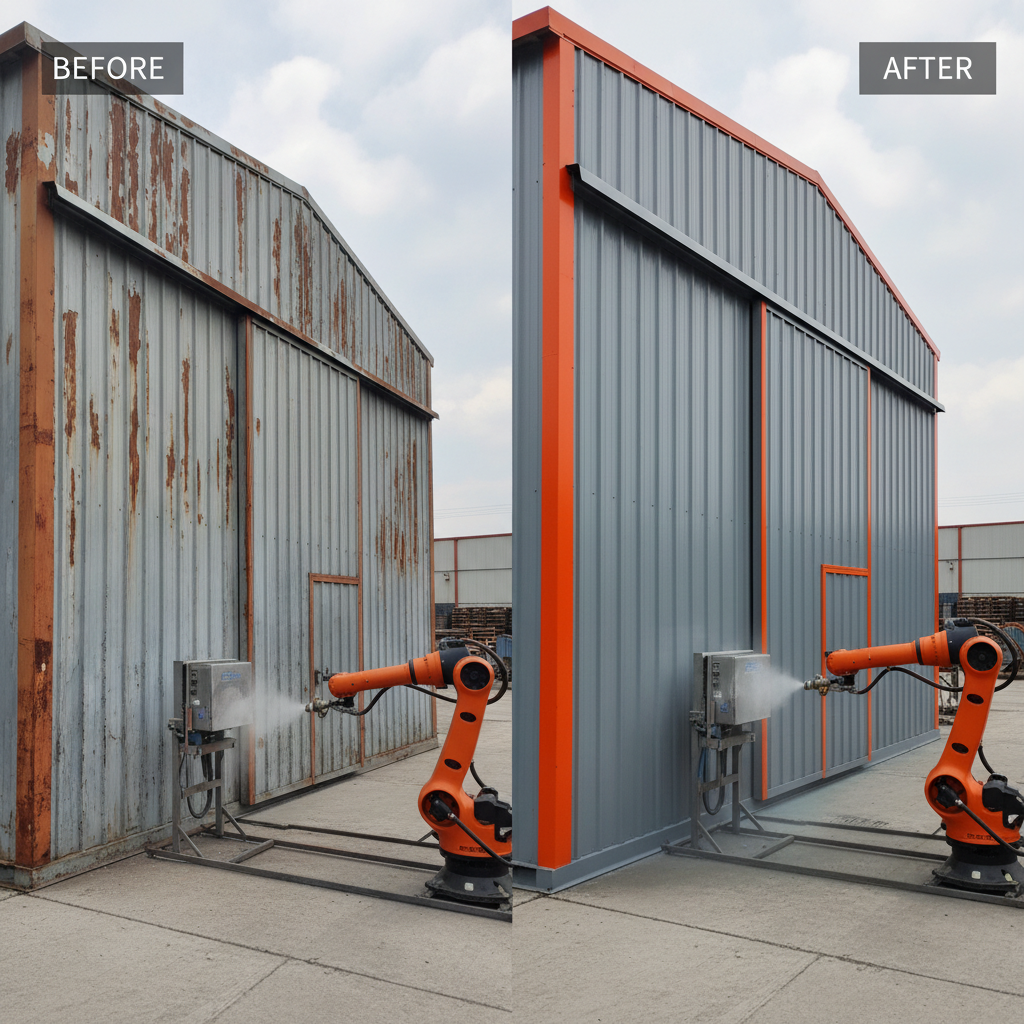
Durability is another crucial aspect. Steel is inherently strong and resistant to fire, pests, and the elements. Metal buildings, when properly maintained, can withstand extreme weather conditions and provide long-lasting protection. Furthermore, the modular nature of these structures allows for easy expansion or modification to accommodate changing needs.
Scalability is a key advantage. Metal buildings can be designed to accommodate a wide range of sizes and configurations, from small storage sheds to large industrial complexes. This flexibility makes them suitable for a diverse array of applications. Cost efficiency, achieved through efficient fabrication and reduced on-site labor, is yet another prominent trait.
Applications of metal building manufacturers Globally
The applications of metal building systems are remarkably diverse. In agriculture, they provide robust and cost-effective storage solutions for crops, livestock, and equipment. In the industrial sector, they serve as warehouses, manufacturing facilities, and distribution centers. Commercial applications include retail stores, offices, and restaurants.
Globally, metal building manufacturers are prominent in developing countries where rapid infrastructure development is critical. In remote industrial zones, their ability to quickly erect structures with minimal on-site labor is particularly valuable. For example, in parts of Africa, metal buildings are frequently used to establish mining camps and processing facilities.
Global Market Share of Metal Building Manufacturers by Region
Advantages and Long-Term Value of metal building manufacturers
The cost efficiency of metal buildings is a significant advantage, stemming from reduced material waste, faster construction times, and lower labor costs. Beyond the initial investment, metal buildings offer long-term value through their durability and low maintenance requirements. The longevity of a well-maintained steel structure often surpasses that of conventional buildings, leading to significant savings over its lifespan.
Sustainability is increasingly important. Steel is a highly recyclable material, making metal buildings an environmentally responsible choice. The reduced construction waste associated with prefabricated systems further minimizes their environmental impact. Investing in structures from metal building manufacturers reflects a commitment to both economic and environmental responsibility.
Future Trends in metal building manufacturers
The integration of Building Information Modeling (BIM) is revolutionizing the way metal buildings are designed and constructed. BIM allows for 3D modeling and visualization, enabling better collaboration between architects, engineers, and manufacturers. This technology helps to identify and resolve potential conflicts before construction begins, reducing errors and delays.
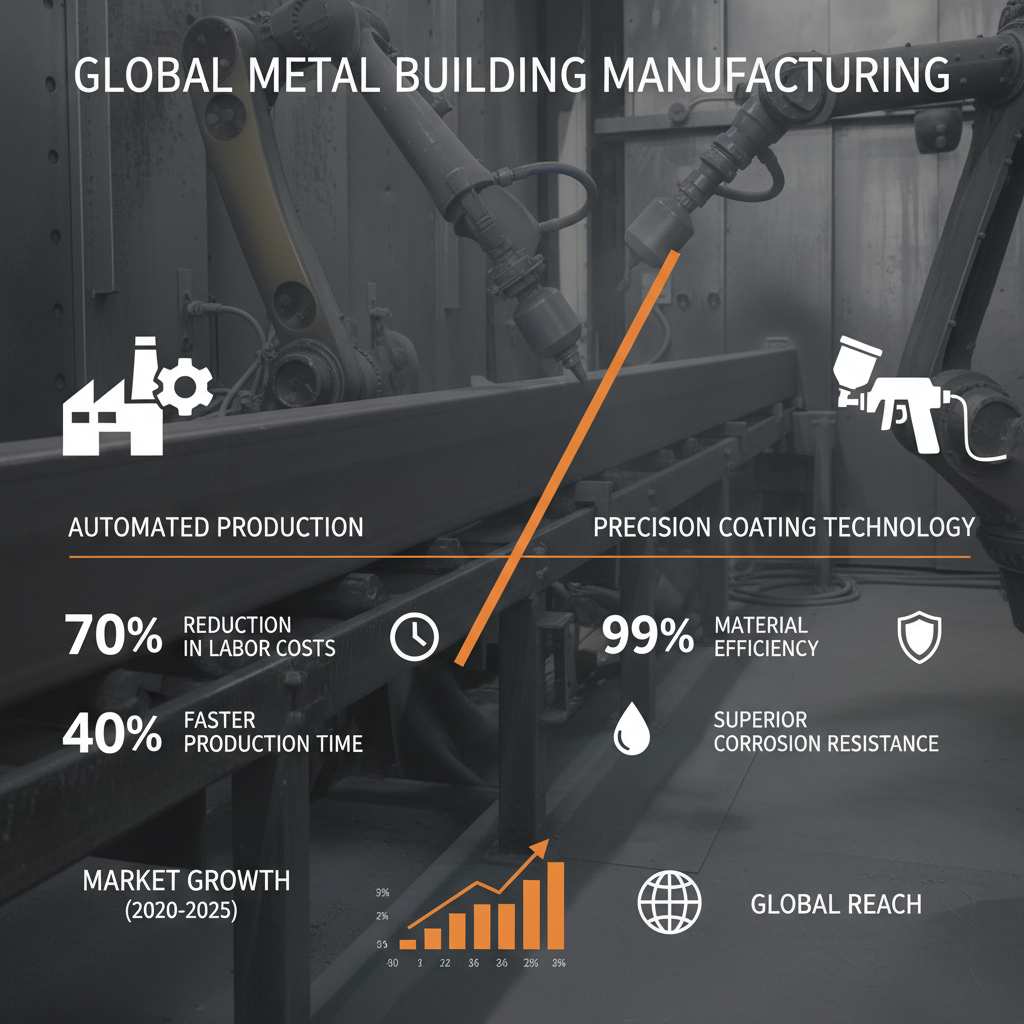
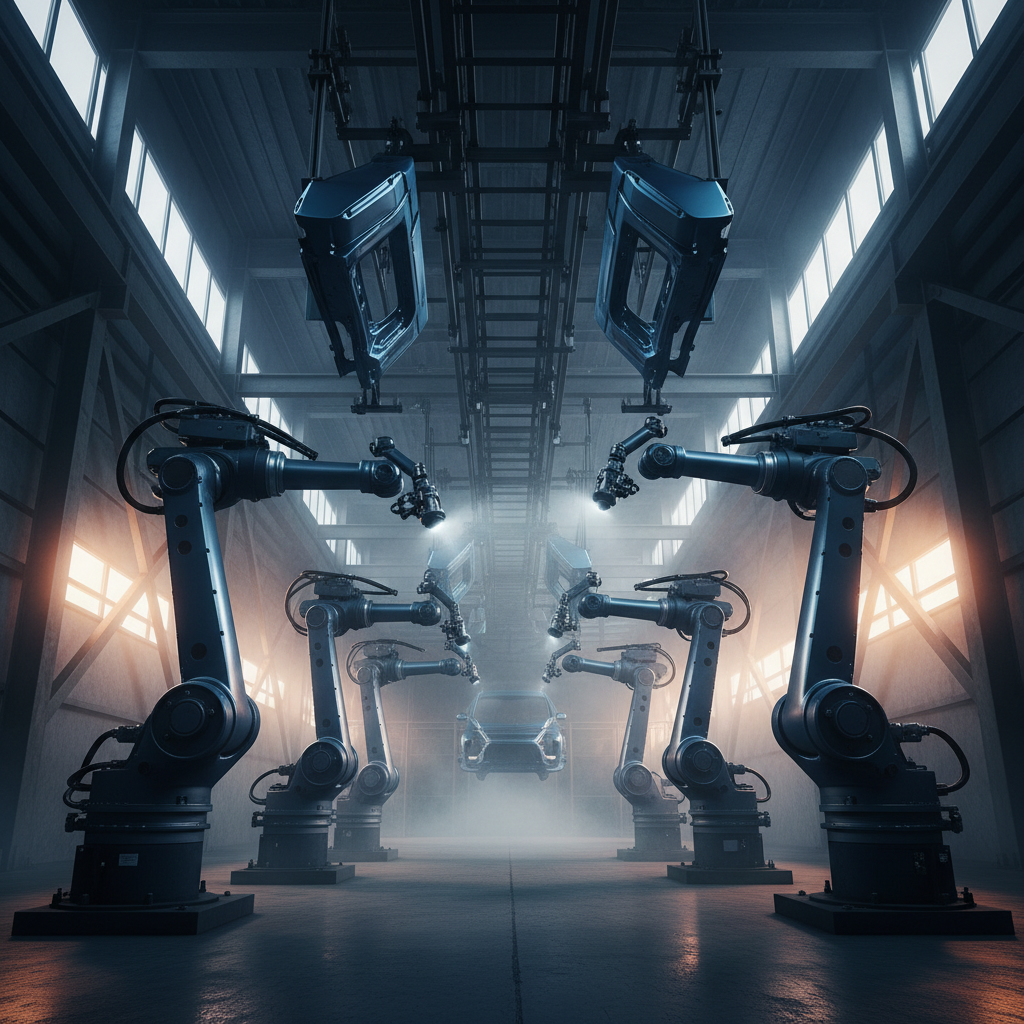
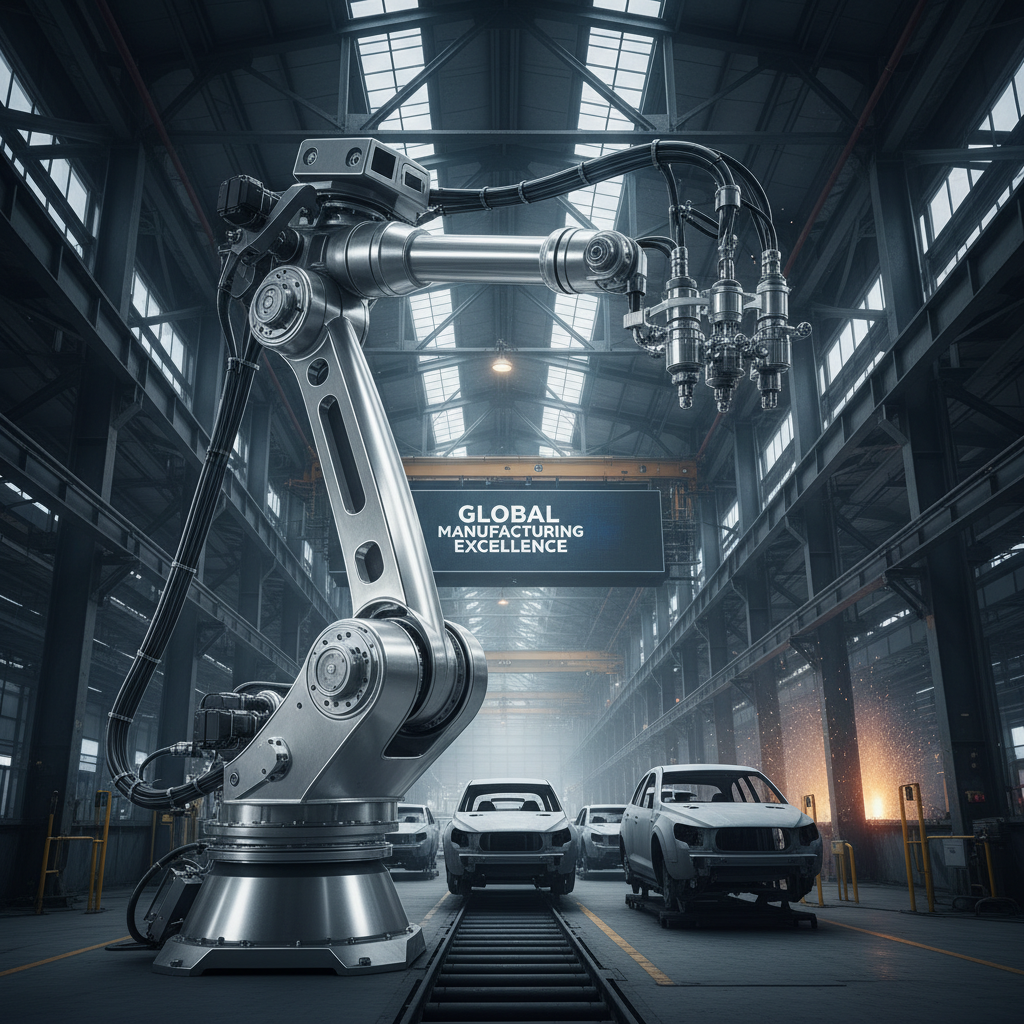
Automation and robotics are also poised to play a significant role in the future of metal building manufacturing. Automated fabrication processes can increase efficiency and precision, while robotic installation systems can speed up on-site construction. The pursuit of more sustainable materials and practices will also drive innovation in the sector.
Challenges and Solutions for metal building manufacturers
One challenge faced by metal building manufacturers is managing supply chain disruptions, particularly fluctuations in steel prices. Mitigation strategies include diversifying sourcing options, establishing long-term contracts with suppliers, and implementing robust inventory management systems. Another hurdle is skilled labor shortages. Investment in training and apprenticeship programs is crucial to ensure a qualified workforce.
Maintaining consistent quality control across all stages of the manufacturing process is paramount. Implementing rigorous inspection procedures and utilizing advanced quality assurance technologies can help to minimize defects and ensure that buildings meet or exceed industry standards. Adapting to evolving building codes and regulations also presents an ongoing challenge, requiring manufacturers to stay informed and proactively adjust their designs and processes.
Addressing transportation logistics, especially for large and complex structures, demands strategic planning and partnerships with reliable carriers. Optimizing load configurations and utilizing efficient transportation routes can help minimize shipping costs and reduce delivery times.
FAQS
Metal buildings offer several advantages, including faster construction times, lower costs, greater design flexibility, and enhanced durability. They also require less maintenance than traditional structures and are highly resistant to fire, pests, and the elements. Furthermore, steel is a recyclable material, making metal buildings a more sustainable option.
Construction time for a metal building is significantly shorter than for conventional buildings. A typical metal building project can be completed in as little as a few weeks, depending on the size and complexity of the structure. The pre-engineered components and simplified assembly process contribute to this rapid construction timeline.
Yes, metal buildings can be highly energy efficient. Steel is an excellent conductor of heat, but proper insulation and ventilation can minimize heat transfer. Furthermore, metal roofs can be coated with reflective materials to reduce solar heat gain. Many metal building manufacturers offer energy-efficient building systems designed to meet or exceed energy code requirements.
Metal buildings can be erected on a variety of foundation types, including concrete slabs, concrete piers, and metal foundations. The choice of foundation will depend on the size and weight of the building, as well as the soil conditions at the site. A qualified engineer should evaluate the site and recommend the most appropriate foundation type.
Absolutely. Metal building manufacturers offer a wide range of customization options, including different roof styles, wall cladding materials, window and door configurations, and interior finishes. They can work with architects and designers to create buildings that meet specific aesthetic and functional requirements.
Metal buildings require minimal maintenance compared to traditional structures. Periodic inspections of the roof, walls, and foundation are recommended to identify and address any potential issues. Regular cleaning and painting may also be necessary to maintain the building's appearance and protect against corrosion.
Conclusion
In conclusion, metal building manufacturers provide crucial solutions for modern construction needs, offering a compelling combination of speed, cost-effectiveness, durability, and sustainability. Their ability to deliver high-quality structures quickly and efficiently makes them indispensable partners in a wide range of industries and applications, from agriculture and manufacturing to commercial development and disaster relief. The increasing adoption of BIM and automation further enhances their capabilities and positions them for continued growth.
Looking ahead, the future of metal building construction is bright. Continuous innovation in materials, design techniques, and manufacturing processes will lead to even more efficient, sustainable, and versatile structures. For anyone seeking a reliable, cost-effective, and environmentally responsible building solution, exploring the options offered by a reputable metal building manufacturers is a prudent and forward-thinking decision.