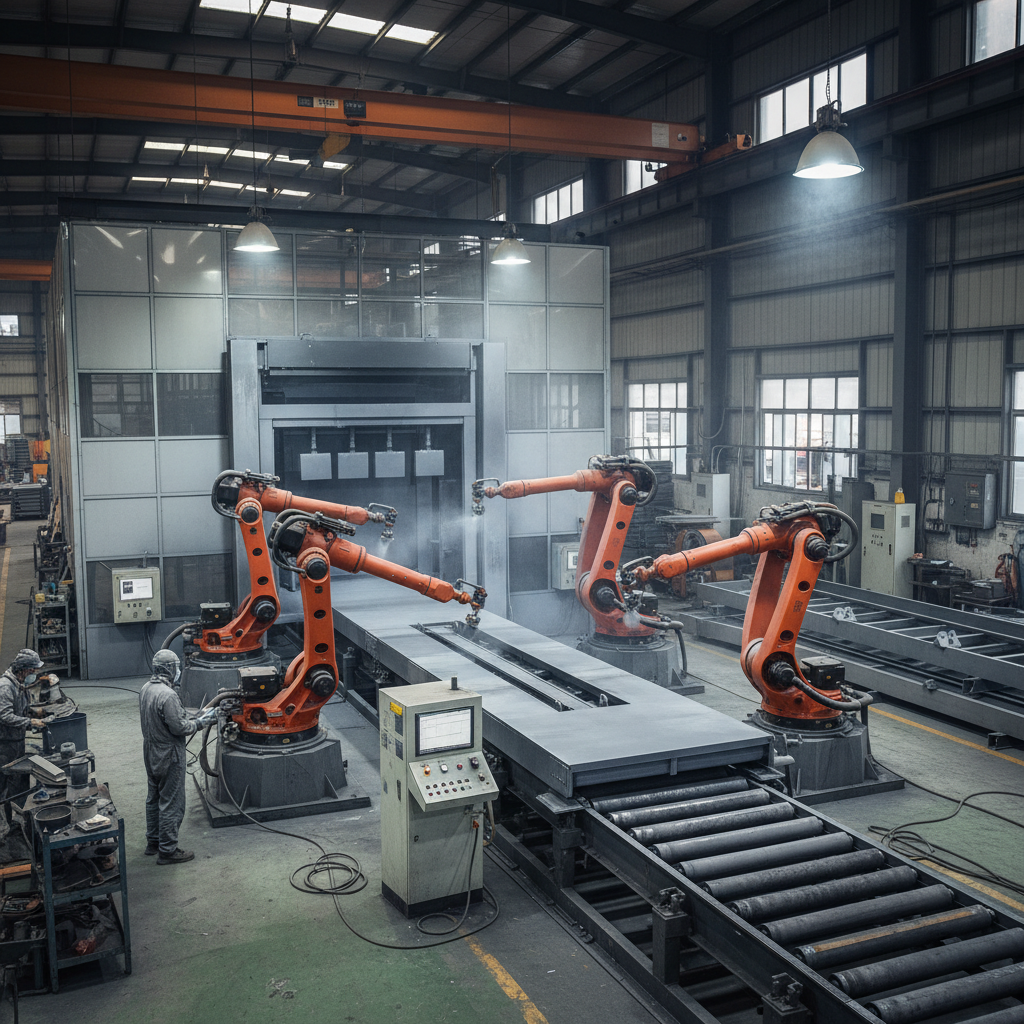
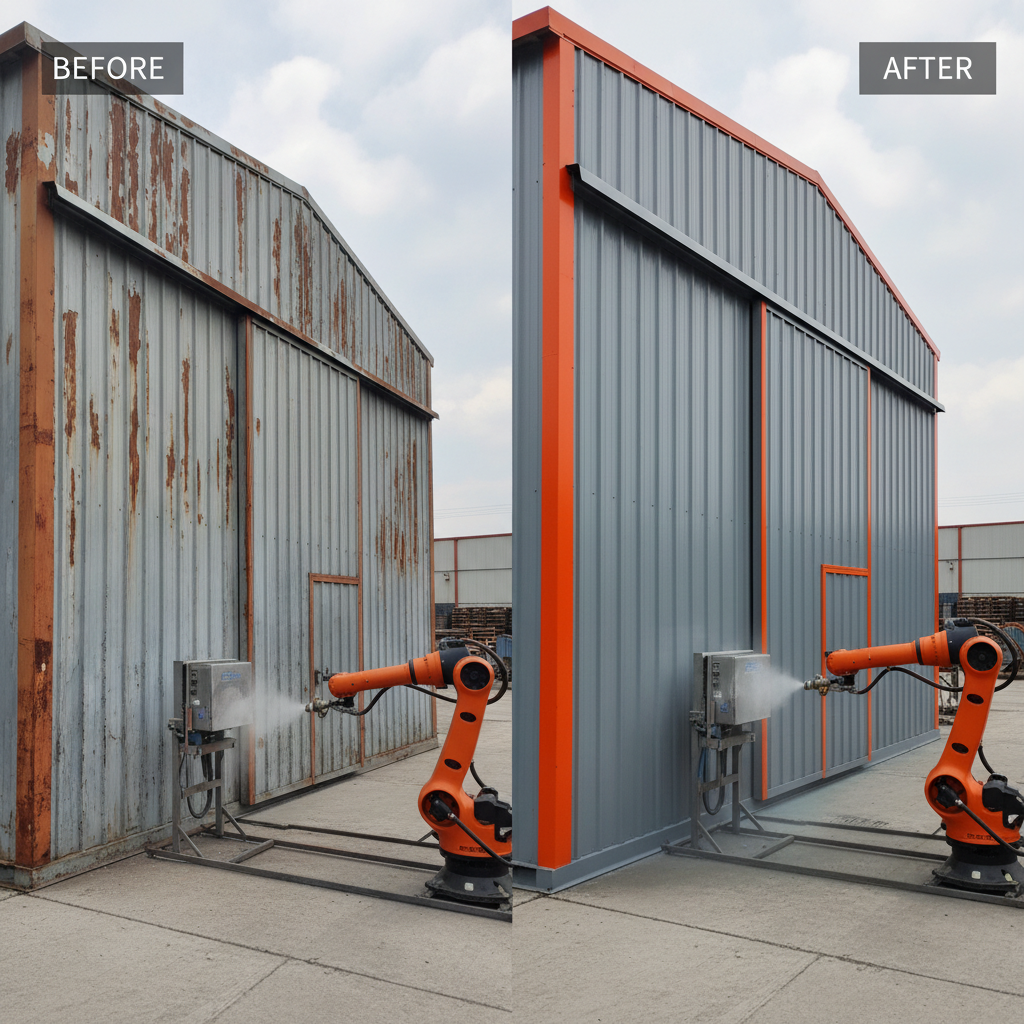
Fully automatic surface treatment of steel structures represents a significant advancement in corrosion protection and material longevity, critical for infrastructure worldwide. This technology minimizes human intervention, delivering consistent and high-quality results crucial for extending the lifespan of bridges, buildings, and industrial facilities. Its increasing adoption stems from the need for efficient, cost-effective, and environmentally responsible methods in the construction and maintenance sectors, impacting global sustainability goals.
The demand for robust and durable steel structures is continually rising, driven by population growth, urbanization, and the expansion of global trade. Traditional surface treatment methods often suffer from inconsistencies due to manual labor and environmental factors. Fully automatic systems address these challenges by providing a controlled environment and precise application of protective coatings, reducing maintenance costs and ensuring long-term structural integrity.
The benefits extend beyond mere cost savings; they include enhanced safety, reduced downtime for maintenance, and a smaller environmental footprint. This technology is increasingly vital as infrastructure ages and the need for sustainable solutions becomes paramount, contributing significantly to a more resilient and reliable built environment.
Introduction to fully automatic surface treatment of steel structures
The adoption of fully automatic surface treatment for steel structures is rapidly increasing, driven by demands for enhanced durability, reduced costs, and greater environmental responsibility. This technology provides a consistent, high-quality finish, minimizing the risk of corrosion and extending the service life of critical infrastructure.
These systems utilize robotic automation and precise control to deliver superior coating application, resulting in more effective protection against the elements and a reduced need for costly repairs or replacements over time. This approach is a cornerstone of modern infrastructure management.
Global Relevance and Industry Context
According to the World Bank, global infrastructure investment needs are estimated at $1 trillion per year to meet the demands of a growing population. A significant portion of this investment is dedicated to steel structures, making their longevity and resilience paramount. Fully automatic surface treatment of steel structures plays a vital role in minimizing life-cycle costs and maximizing the return on investment in these critical assets.
The ISO standards for corrosion protection consistently emphasize the importance of quality coating application. Automated systems consistently meet these standards, offering verifiable quality control that is often difficult to achieve with manual methods. This is particularly crucial in industries like oil and gas, marine engineering, and transportation, where failure can have catastrophic consequences.
Furthermore, the United Nations Sustainable Development Goals (SDGs) highlight the need for sustainable infrastructure. Utilizing fully automatic systems reduces waste, minimizes environmental impact through precise coating application, and contributes to the long-term durability of structures, aligning with these global objectives.
Defining fully automatic surface treatment of steel structures
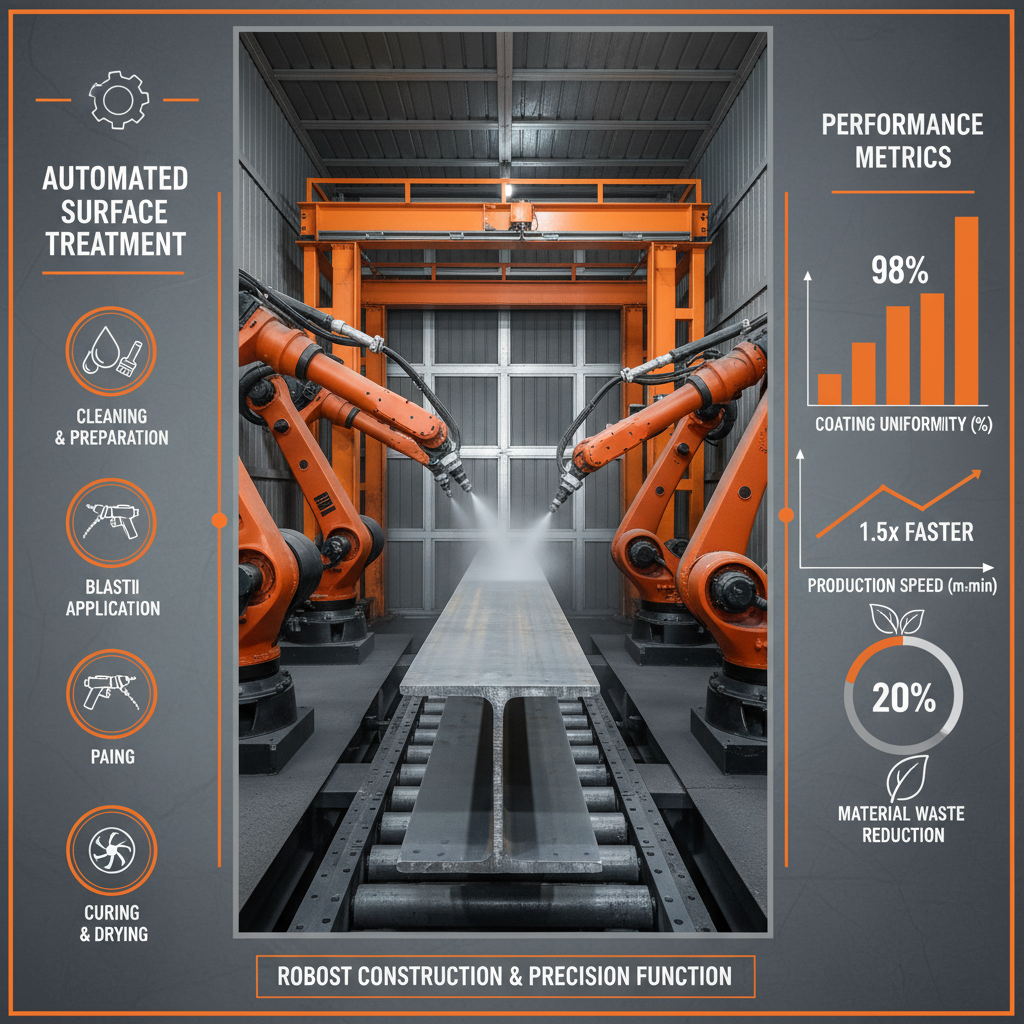
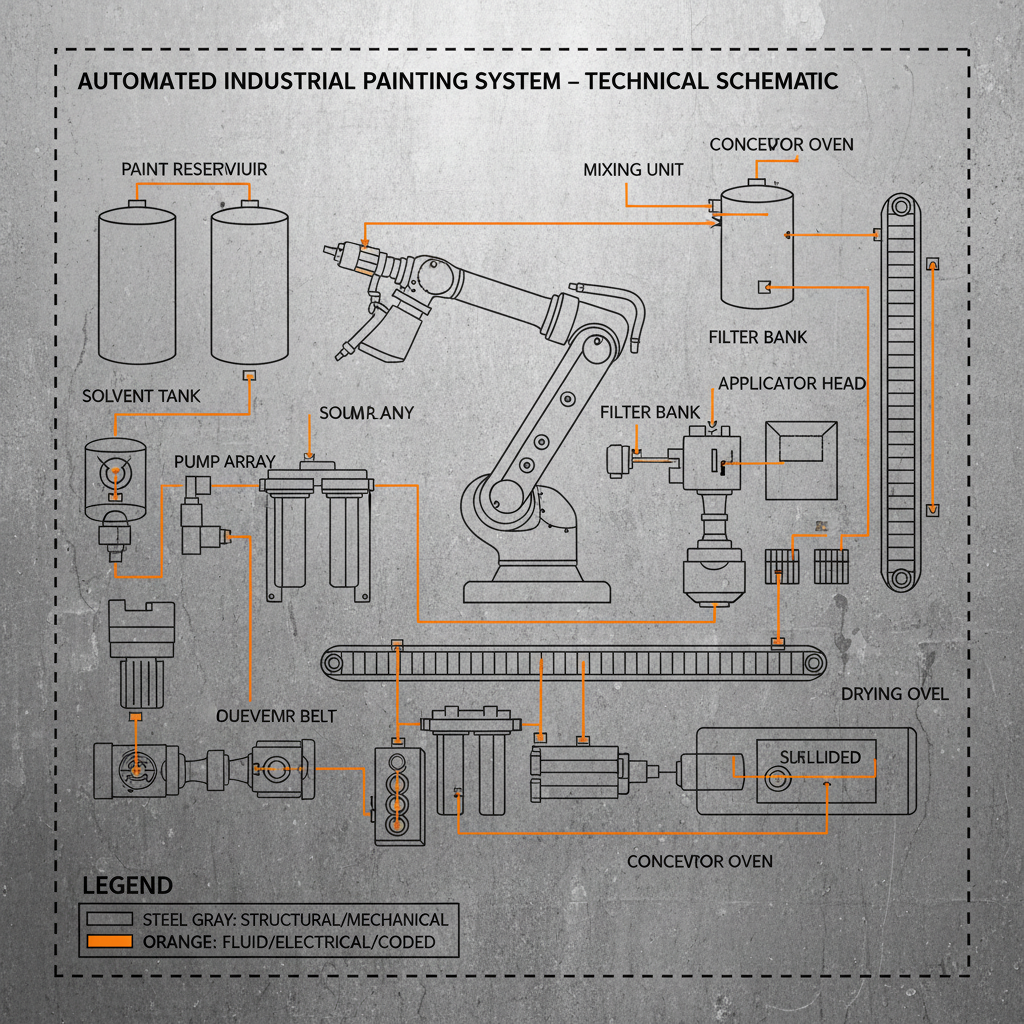
Fully automatic surface treatment of steel structures refers to the process of preparing and coating steel surfaces using robotic systems and automated controls, minimizing or eliminating manual labor. This includes cleaning, blasting, painting, and inspection processes all orchestrated by computer-controlled machinery.
Unlike traditional methods, where human operators perform many of these tasks, fully automatic systems offer precision, consistency, and efficiency. The application of coatings is meticulously controlled, ensuring optimal thickness and adherence, leading to enhanced corrosion protection and extended service life. This definition bridges engineering with societal needs.
This technology is intrinsically linked to modern industrial needs, particularly in sectors demanding high levels of quality control and safety. From constructing large-scale bridges to protecting offshore platforms, fully automatic surface treatment of steel structures contributes to the longevity and reliability of essential infrastructure, bolstering both economic growth and public safety.
Key Factors and Core Components
Durability is a cornerstone of fully automatic surface treatment. Precise coating application creates a robust barrier against corrosion, extending the lifespan of steel structures and reducing maintenance costs.
Scalability allows these systems to adapt to projects of varying sizes, from small components to massive infrastructure projects. This flexibility is vital for meeting diverse industry needs.
Comparison of fully automatic surface treatment of steel structures Methods
Global Applications and Use Cases
Fully automatic surface treatment of steel structures is widely employed in bridge construction and maintenance across Europe and North America, ensuring the longevity and safety of critical transportation infrastructure.
In the oil and gas industry, particularly in the Gulf of Mexico and the North Sea, these systems are used to protect offshore platforms from harsh marine environments, minimizing corrosion and extending operational life.
Moreover, in post-disaster relief operations, rapid deployment housing utilizing pre-treated steel frames are becoming increasingly common, offering durable and safe shelter solutions. Remote industrial zones, such as mining operations in Australia and Chile, also benefit from the efficiency and reliability of automated systems, reducing downtime and maintenance costs in challenging environments.
Advantages and Long-Term Value
The cost savings associated with fully automatic surface treatment are substantial, stemming from reduced labor costs, minimized material waste, and extended asset lifecycles. This offers a compelling return on investment.
From a sustainability perspective, these systems minimize volatile organic compound (VOC) emissions and reduce the need for frequent recoating, lessening the environmental impact. They enhance safety by reducing worker exposure to hazardous materials and conditions.
Future Trends and Innovations
The integration of artificial intelligence (AI) and machine learning into fully automatic systems is poised to revolutionize quality control, enabling predictive maintenance and optimizing coating processes in real-time.
The development of eco-friendly, self-healing coatings will further enhance the durability and sustainability of steel structures, reducing the need for future maintenance. The move towards increased automation will be linked to digital transformation within the construction sector.
Challenges and Solutions
One challenge lies in the initial investment cost of automated systems, which can be significant. However, the long-term cost savings and increased efficiency often offset this initial expense.
Another limitation is the need for skilled technicians to operate and maintain these complex systems. Investing in training programs and developing user-friendly interfaces can address this skills gap.
Standardization of robotic interfaces and coating application protocols would further streamline implementation and improve interoperability between different systems, accelerating the adoption of this technology across the industry.
Table Summarizing Key Performance Indicators of Automated Surface Treatment
| Application Area |
Coating Adhesion (MPa) |
Corrosion Resistance (Years) |
Cost Efficiency (ROI) |
| Bridges |
45-55 |
25-30 |
1.8x |
| Offshore Platforms |
50-60 |
20-25 |
2.2x |
| Storage Tanks |
40-50 |
15-20 |
2.0x |
| Pipeline Infrastructure |
35-45 |
18-22 |
1.7x |
| Steel Buildings |
48-58 |
30-35 |
1.9x |
| Prefabricated Steel Components |
52-62 |
22-28 |
2.1x |
FAQS
The initial costs vary greatly depending on the scale and complexity of the system, but typically include robotic equipment, software, integration services, and facility modifications. Expect a significant upfront investment, but consider the long-term savings from reduced labor, material waste, and maintenance. A detailed ROI analysis is crucial before making a decision. This also includes operator training and potential software licensing fees.
Fully automatic systems generally have a lower environmental impact due to precise coating application minimizing waste, reduced VOC emissions, and optimized material usage. Traditional methods often result in overspray and require more frequent re-coating, generating more hazardous waste. The automated process also typically allows for the use of more eco-friendly coating materials and reduces energy consumption.
A wide variety of steel structures are suitable, including bridges, pipelines, offshore platforms, storage tanks, building frames, and prefabricated steel components. The size and geometry of the structure are important considerations, but modern robotic systems are capable of handling complex shapes and large-scale projects. Systems can also be adapted for various steel alloys and coating types.
Automated systems require regular maintenance, including robotic arm servicing, software updates, and inspection of coating application equipment. Preventative maintenance schedules are crucial for ensuring optimal performance and minimizing downtime. Skilled technicians are needed for troubleshooting and repairs, but modern systems are designed for ease of maintenance and remote diagnostics.
Yes, a phased implementation approach is often adopted, integrating automated systems into existing workflows gradually. This allows companies to leverage their existing infrastructure and expertise while benefiting from the advantages of automation. Hybrid systems, combining robotic and manual processes, can be an effective transition strategy.
Safety is paramount. Proper training and adherence to safety protocols are essential, including safeguarding against robotic arm movements, wearing appropriate personal protective equipment (PPE), and implementing emergency shutdown procedures. Regular safety audits and risk assessments should be conducted to identify and mitigate potential hazards.
Conclusion
Fully automatic surface treatment of steel structures offers a transformative approach to infrastructure maintenance and construction, delivering significant benefits in terms of durability, cost efficiency, sustainability, and safety. The technology's ability to ensure consistent, high-quality coatings is pivotal for extending asset lifecycles and minimizing long-term expenses.
Looking ahead, continued innovation in automation, AI, and coating materials will further enhance the capabilities and widespread adoption of these systems. Investing in this technology is not merely about improving efficiency; it’s about building a more resilient, sustainable, and secure future for our built environment. Visit our website at fully automatic surface treatment of steel structures to learn more.