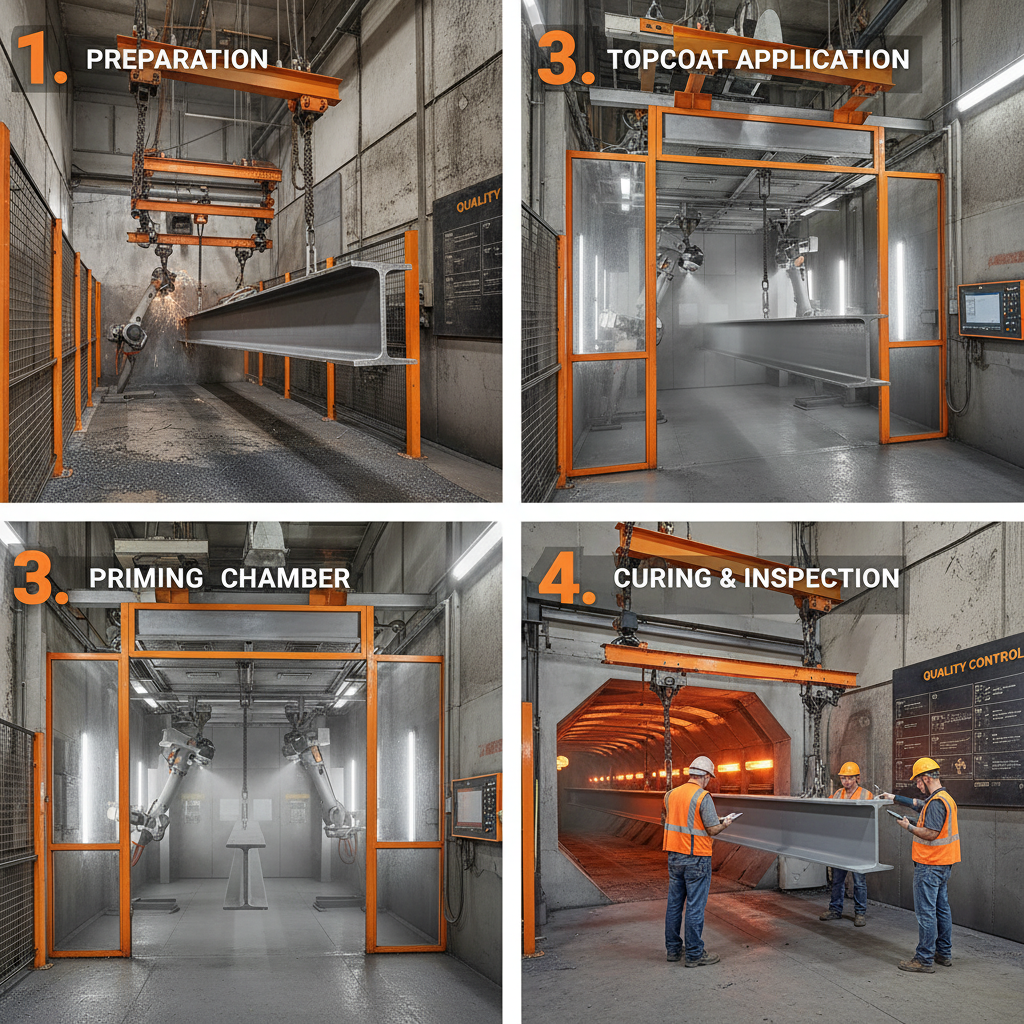
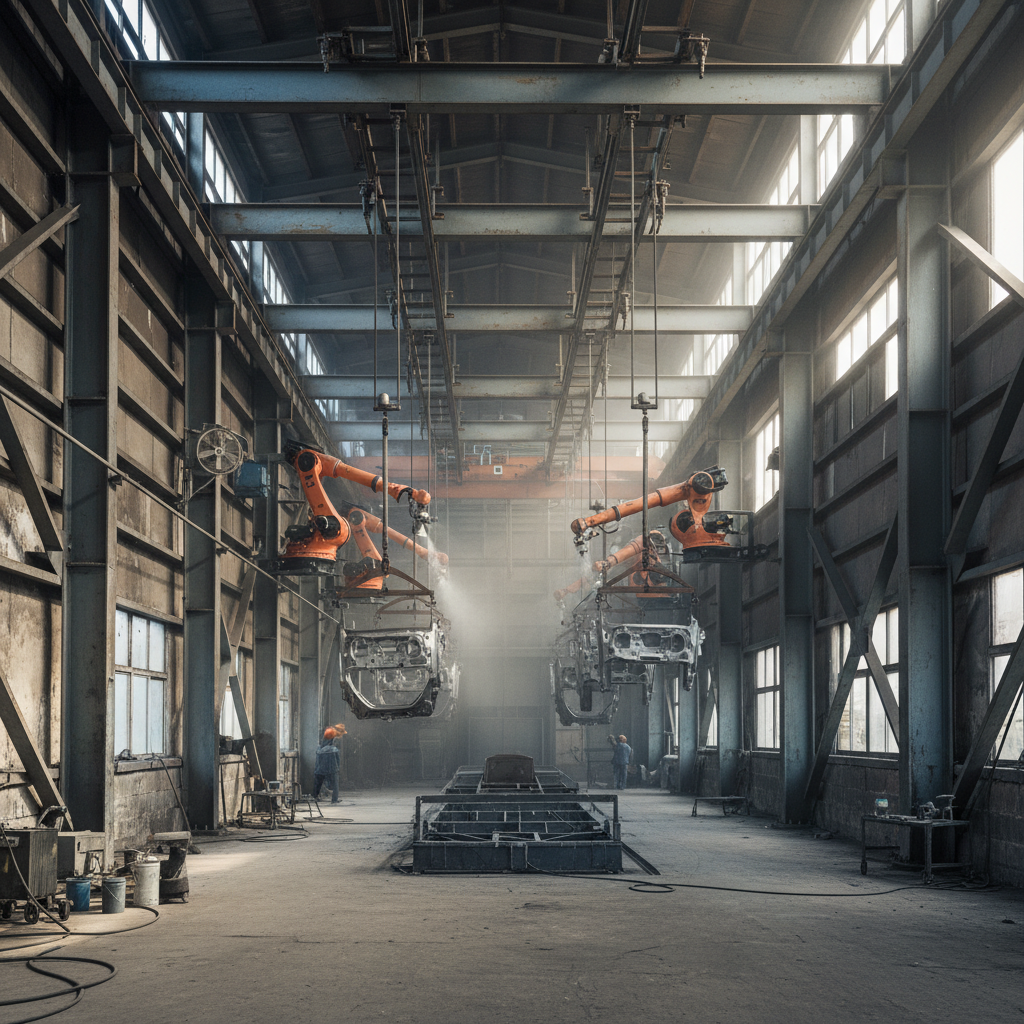
Paint sprayer manufacturers play a crucial role in numerous industries, ranging from construction and automotive to aerospace and DIY projects. These manufacturers are responsible for designing, developing, and producing a wide array of spraying equipment, including airless sprayers, HVLP (High Volume Low Pressure) sprayers, and electrostatic sprayers. The global market for paint sprayers is significant and continues to grow, driven by increasing demand for efficient and high-quality coating applications. This growth is fueled by factors like infrastructure development, rising automotive production, and a growing emphasis on protective coatings in various sectors.
The importance of choosing the right paint sprayer manufacturer is paramount. Factors such as sprayer durability, performance, maintenance requirements, and cost-effectiveness directly impact project outcomes and operational efficiency. Furthermore, advancements in paint sprayer technology, including digital controls and automated systems, are transforming the industry. Understanding the landscape of paint sprayer manufacturers and their respective capabilities is therefore vital for professionals and consumers alike.
Essentially, paint sprayer manufacturers empower businesses and individuals to achieve professional-grade finishes with increased speed and precision. Their innovations directly contribute to enhanced product quality, reduced material waste, and improved safety standards across diverse applications. This makes a deep dive into the key players and advancements within this sector essential for informed decision-making.
The Global Significance of paint sprayer manufacturers
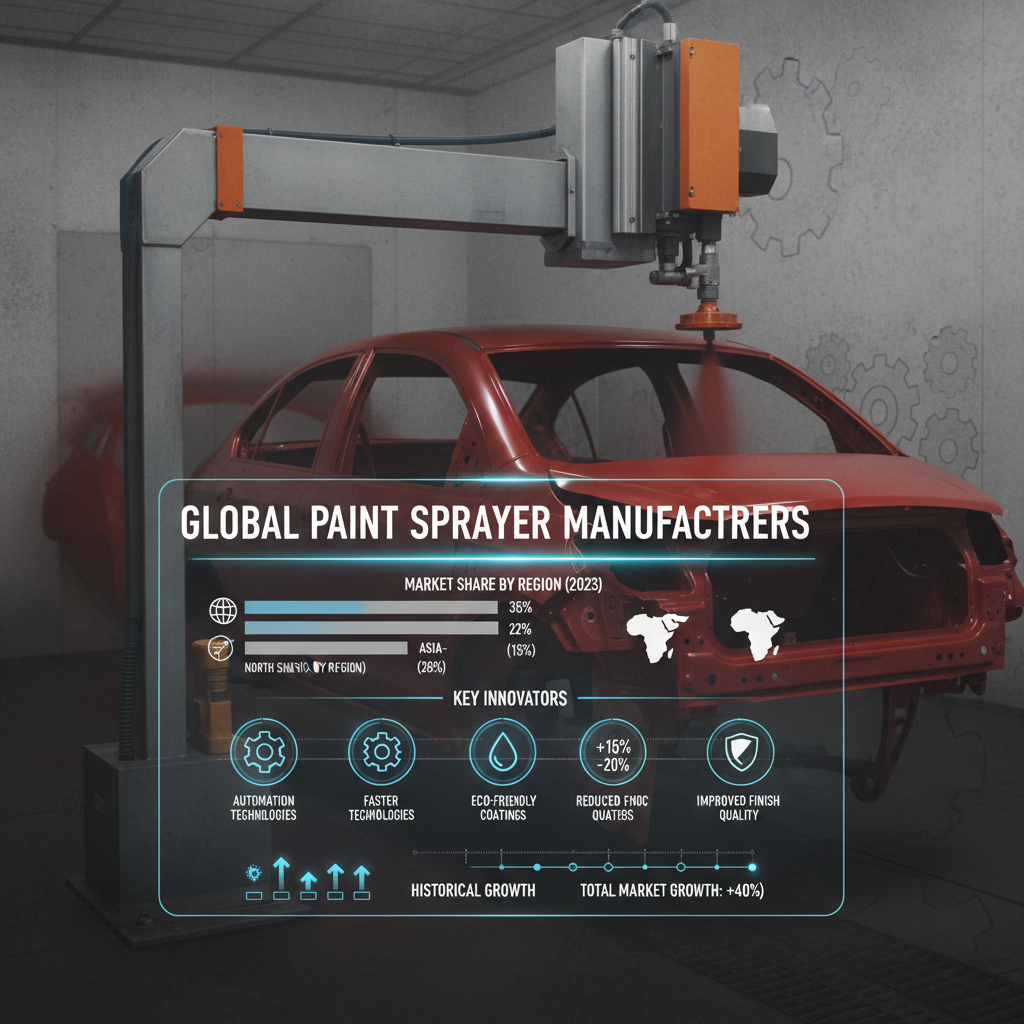
The global paint and coatings market is estimated to be worth over $180 billion, and paint sprayer manufacturers are integral to its functionality. According to data from the UN Comtrade database, the trade of spraying equipment and related parts has seen a consistent upward trend, particularly in emerging economies experiencing rapid industrialization. This underscores the growing reliance on efficient coating technologies across the globe. paint sprayer manufacturers are key players in facilitating this growth.
A significant challenge lies in maintaining quality and consistency in spraying applications, especially in remote or challenging environments. Substandard equipment can lead to uneven coatings, material waste, and increased costs. Reputable paint sprayer manufacturers address this challenge by focusing on robust design, reliable performance, and comprehensive support services. Ultimately, the success of various industries – from automotive and construction to furniture and shipbuilding – hinges, in part, on the capabilities of these manufacturers.
Defining paint sprayer manufacturers
Paint sprayer manufacturers are companies specializing in the design, production, and distribution of equipment used to apply paint, coatings, and other liquid materials onto surfaces. These manufacturers cater to a diverse customer base, including professional painters, contractors, industrial facilities, and DIY enthusiasts. Their product lines encompass a wide range of sprayers, from simple handheld models to complex automated systems.
The connection to modern industry is profound. Efficient and precise coating application is essential for protecting surfaces, enhancing aesthetics, and improving product performance. Paint sprayer manufacturers facilitate these processes by providing tools that optimize material utilization, reduce labor costs, and ensure consistent quality. They also play a critical role in meeting stringent environmental regulations by developing low-emission spraying technologies.
Beyond industrial applications, paint sprayer manufacturers also support humanitarian needs. In disaster relief efforts, for example, portable sprayers can be used to quickly apply protective coatings to temporary shelters and critical infrastructure, enhancing their durability and sanitation. This highlights the broad impact and societal importance of this manufacturing sector.
Core Components of Leading paint sprayer manufacturers
Leading paint sprayer manufacturers distinguish themselves through several core components. Firstly, Durability is paramount. Equipment must withstand rigorous use in diverse environments, resisting corrosion, impact damage, and wear and tear. This translates into lower lifecycle costs and reduced downtime for end-users. Secondly, Precision and Control are critical for achieving high-quality finishes. Advanced sprayers offer adjustable flow rates, fan patterns, and pressure settings, allowing operators to tailor the application to specific materials and surfaces.
Thirdly, Innovation in Technology separates top manufacturers from the competition. This includes the development of new sprayer designs, such as electrostatic sprayers that minimize overspray, and the integration of smart features like digital monitoring and remote control. Fourthly, Service and Support is vital, providing customers with access to training, maintenance, and spare parts. Finally, Material Compatibility is crucial, ensuring that sprayers can handle a wide range of paints, coatings, and solvents without degradation or malfunction. These components collectively define the value proposition of a reputable paint sprayer manufacturers.
These core components have practical applications across various industries. In the automotive industry, for instance, precision and durability are essential for applying protective coatings to vehicle bodies. In construction, material compatibility is vital for spraying paints and sealants onto different surfaces. And in the aerospace industry, innovation in technology is paramount for applying specialized coatings that meet stringent performance requirements.
Performance Metrics of paint sprayer manufacturers
Evaluating the performance of paint sprayer manufacturers requires considering several key metrics. Transfer Efficiency is a crucial indicator, measuring the percentage of paint that adheres to the target surface versus the amount that is lost as overspray. Higher transfer efficiency reduces material waste and minimizes environmental impact. Another important metric is Spray Rate, which determines the speed at which paint can be applied, directly impacting productivity.
Performance Comparison of Different paint sprayer manufacturers Methods
Real-World Applications of paint sprayer manufacturers
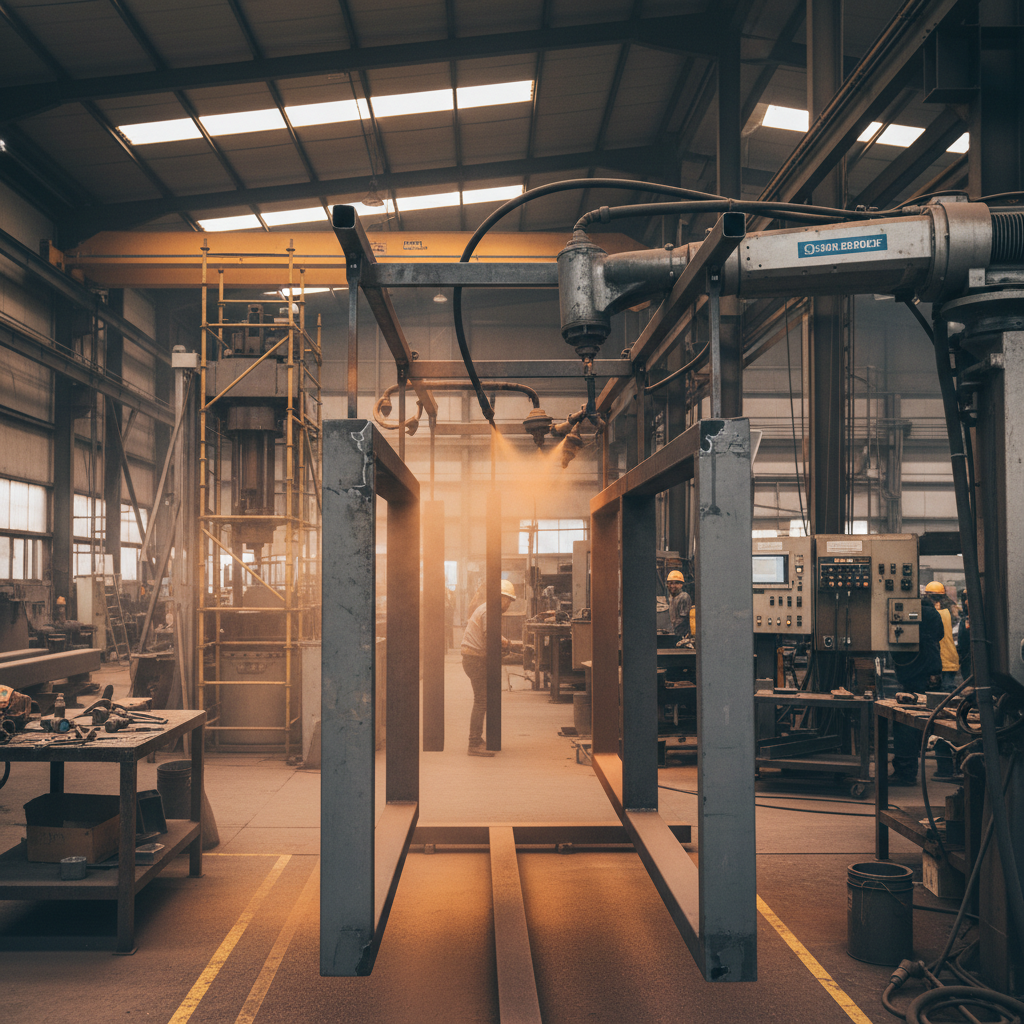
The applications of equipment from paint sprayer manufacturers are incredibly diverse. In the automotive industry, manufacturers provide specialized sprayers for applying primers, base coats, and clear coats, ensuring a flawless finish and long-lasting protection. In the construction sector, their sprayers are used for painting buildings, bridges, and other infrastructure, enhancing aesthetics and protecting against corrosion.
Furthermore, paint sprayer manufacturers play a crucial role in the aerospace industry, where specialized coatings are essential for protecting aircraft from extreme temperatures and harsh environments. In remote industrial zones, like oil rigs and mining operations, durable and reliable sprayers are needed to maintain equipment and infrastructure in challenging conditions. The ability of paint sprayer manufacturers to adapt to these varying needs highlights their importance across multiple sectors.
The Advantages of Partnering with Reputable paint sprayer manufacturers
Choosing a reputable paint sprayer manufacturer provides tangible benefits. Cost efficiency is achieved through reduced material waste, lower maintenance costs, and increased productivity. Sustainability is enhanced by using sprayers that minimize overspray and reduce VOC emissions. Social impact is positive by ensuring worker safety and providing reliable equipment for community development projects.
Reliability is a key advantage, minimizing downtime and ensuring consistent performance. Partnering with established paint sprayer manufacturers builds trust and provides access to expert support and training. These advantages translate into a competitive edge for businesses and improved outcomes for individuals.
Future Trends in paint sprayer manufacturers
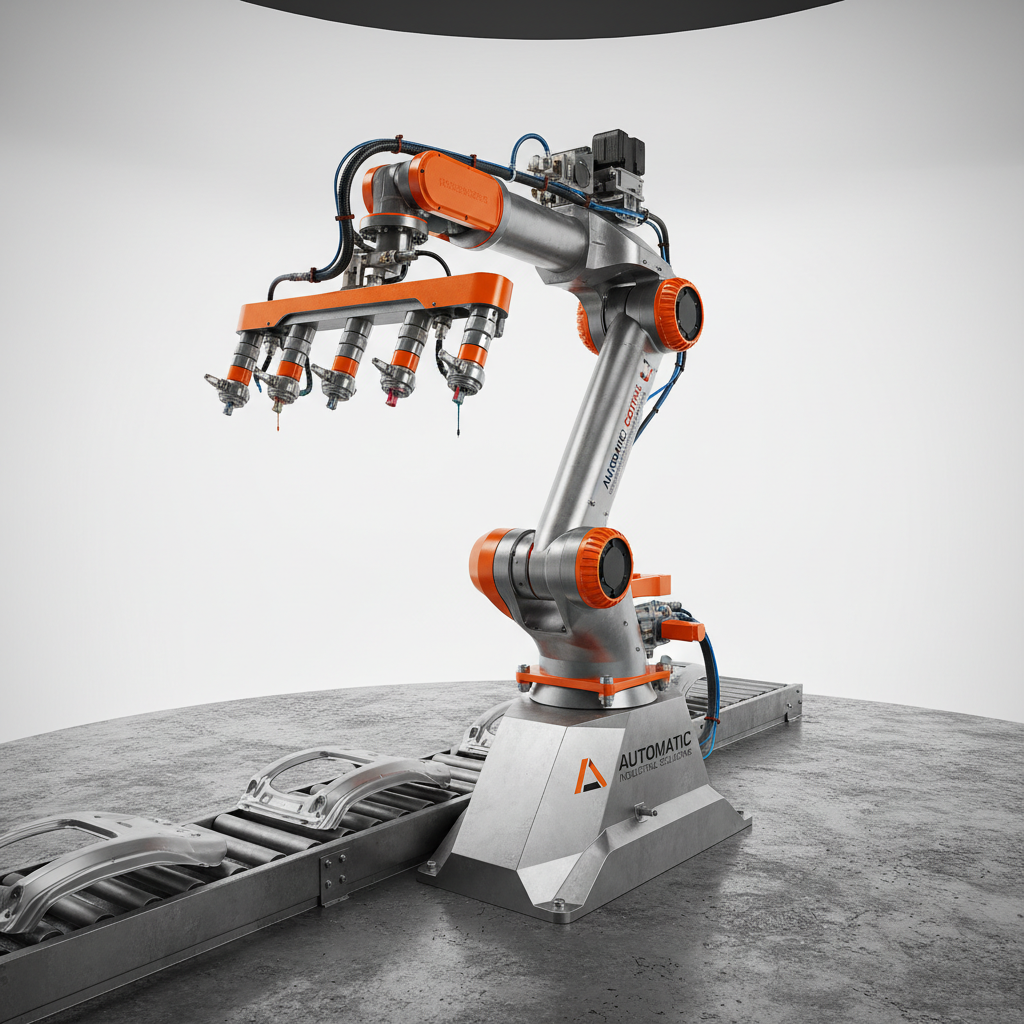
Several trends are shaping the future of paint sprayer manufacturers. Automation and robotics are increasingly being integrated into spraying systems, improving precision and reducing labor costs. Digital transformation is enabling remote monitoring, predictive maintenance, and data-driven optimization of spraying processes. The demand for green energy solutions is driving the development of electric and battery-powered sprayers, reducing carbon emissions.
Sustainability is becoming a central focus, with manufacturers exploring bio-based coatings and low-VOC formulations. Advancements in material science are leading to the creation of more durable and corrosion-resistant coatings. These innovations are poised to transform the industry, offering enhanced performance, reduced environmental impact, and improved safety.
| Technology |
Implementation Cost (1-10) |
Impact on Efficiency (1-10) |
Expected Adoption Rate (1-10) |
| Automated Spraying Systems |
8 |
9 |
6 |
| Digital Monitoring & Control |
5 |
7 |
8 |
| Electric/Battery Powered Sprayers |
6 |
6 |
7 |
| Bio-Based Coating Compatibility |
4 |
5 |
5 |
| AI-Powered Spray Optimization |
9 |
10 |
4 |
| Advanced Nozzle Technologies |
3 |
8 |
6 |
FAQS
A high-quality airless paint sprayer, with proper maintenance and care, can typically last between 5 to 10 years. However, several factors influence lifespan, including usage frequency, the types of materials sprayed, and adherence to manufacturer's recommended maintenance schedules. Regular cleaning, lubrication, and timely replacement of wear parts like seals and nozzles are crucial for maximizing the sprayer’s longevity. Investing in a reputable brand ensures access to spare parts and support, further extending its usability.
Electrostatic sprayers utilize an electrostatic charge to attract paint particles to the grounded surface, resulting in significantly higher transfer efficiency (up to 95%) compared to HVLP sprayers (typically 65-85%). This means less overspray, reduced material waste, and a more uniform coating. HVLP sprayers rely on high volume, low pressure air to atomize the paint, while electrostatic sprayers use electrical attraction. Electrostatic spraying is particularly advantageous for complex shapes and intricate surfaces.
For automotive refinishing, precision, finish quality, and compatibility with automotive coatings are paramount. An HVLP sprayer is often preferred for its ability to produce a fine, smooth finish. However, electrostatic sprayers are gaining popularity for their increased efficiency. Important considerations include nozzle size for different coating types, adjustable flow rate controls, and the sprayer's ability to handle basecoats, clearcoats, and primers. Choosing a reputable paint sprayer manufacturers known for automotive-grade equipment is crucial.
Essential maintenance procedures include daily cleaning of the sprayer after each use, flushing the system with appropriate cleaning solvents, replacing filters regularly, lubricating moving parts, and inspecting hoses and seals for wear and tear. Annual servicing by a qualified technician is recommended to identify and address potential issues before they escalate. Storing the sprayer properly in a clean, dry environment is also vital.
Safety is paramount when operating a paint sprayer. Always wear appropriate personal protective equipment (PPE), including a respirator, safety glasses, gloves, and protective clothing. Ensure adequate ventilation to avoid inhaling harmful fumes. Never point the sprayer at yourself or others. Follow the manufacturer’s safety guidelines and be aware of potential hazards associated with the materials being sprayed. Properly ground the sprayer to prevent static electricity buildup.
Minimizing overspray requires proper technique, appropriate nozzle selection, and optimal sprayer settings. Maintain a consistent spraying distance and speed. Adjust the fluid pressure and fan pattern to match the application. Consider using electrostatic sprayers, which dramatically reduce overspray. Mask off areas that don’t require coating. Regularly inspect and clean the sprayer to ensure proper atomization and a consistent spray pattern.
Conclusion
In conclusion, paint sprayer manufacturers are central to a wide range of industries, providing essential equipment for efficient and high-quality coating applications. The selection of a suitable sprayer, coupled with proper maintenance and adherence to safety guidelines, directly impacts project success, cost-effectiveness, and environmental sustainability. Understanding the core components of leading manufacturers, performance metrics, and emerging trends is crucial for making informed decisions.
Looking ahead, the continued innovation in automation, digital technology, and sustainable materials will further transform the paint sprayer landscape. By embracing these advancements and prioritizing quality and reliability, professionals and consumers alike can unlock the full potential of this indispensable technology. To explore a wide range of high-quality paint spraying solutions, visit our website: www.yeedtech.com.