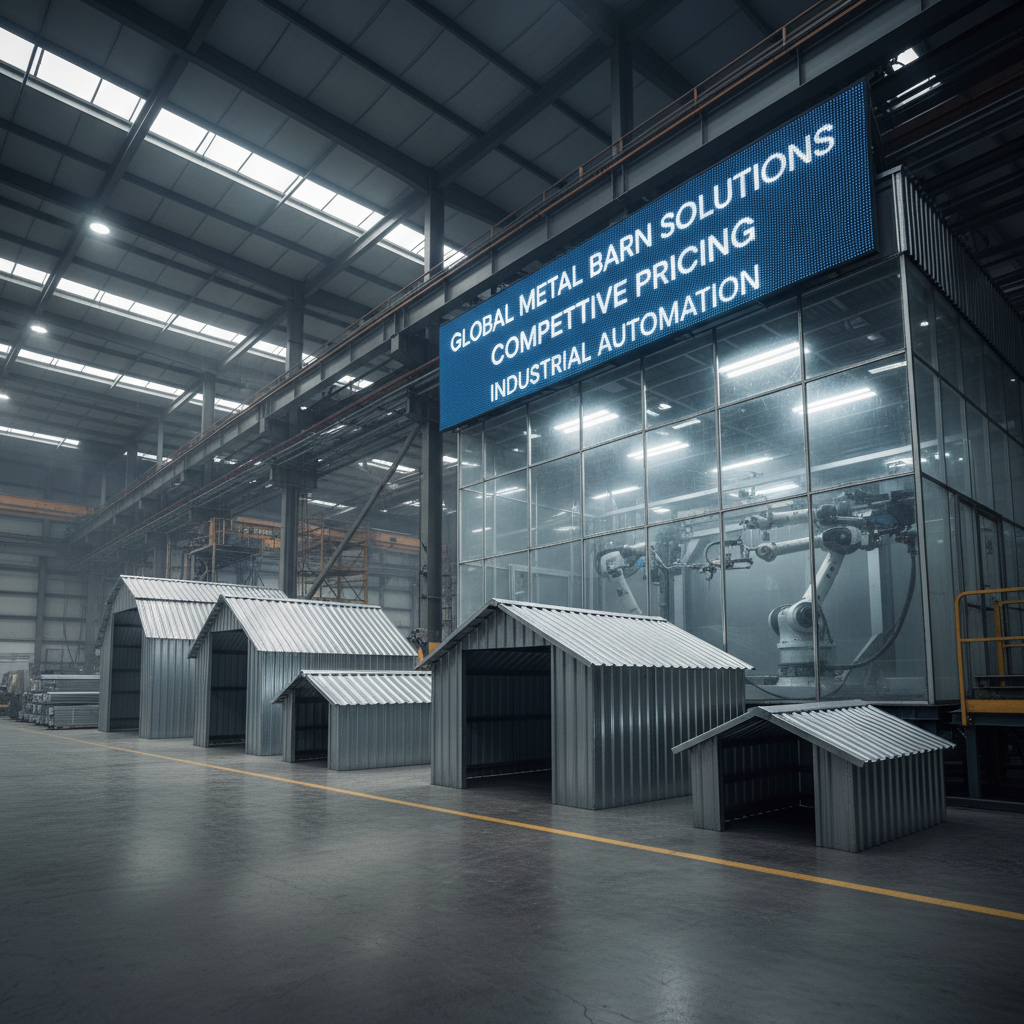
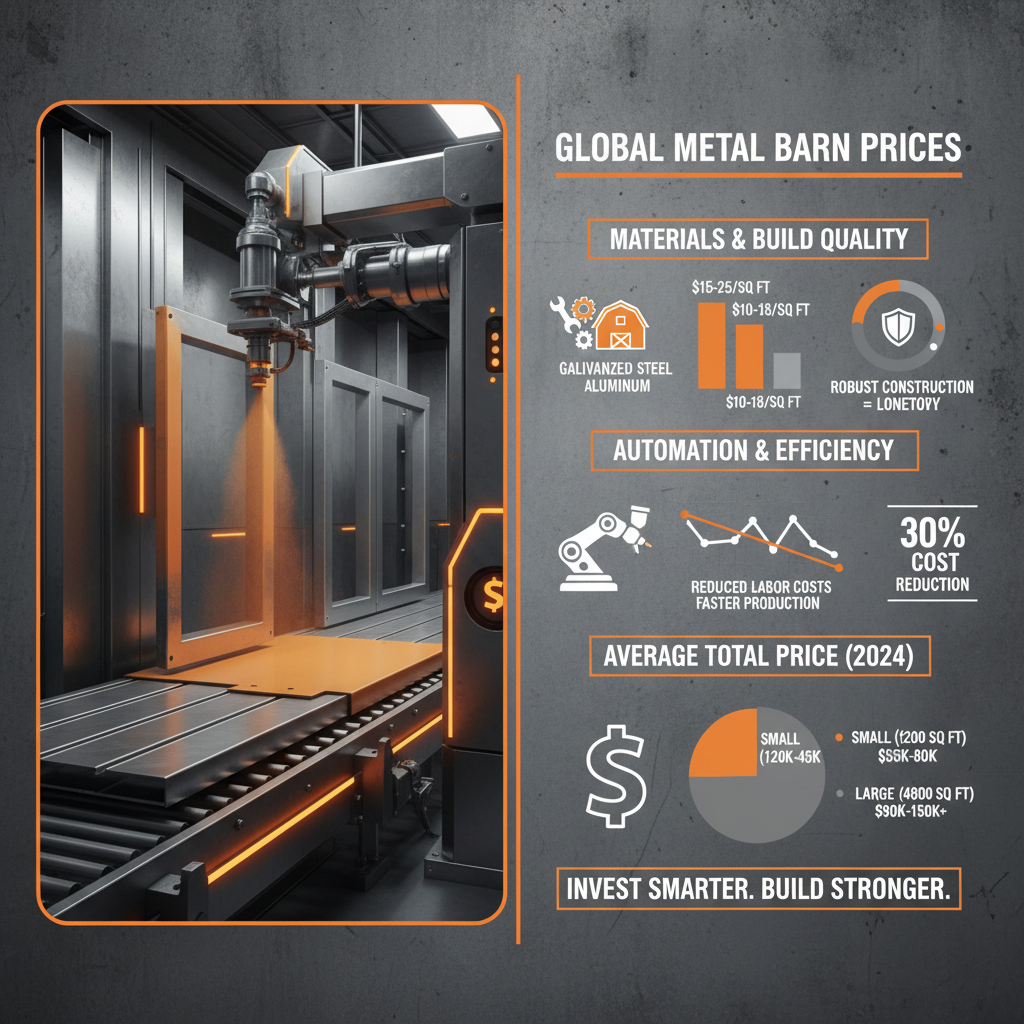
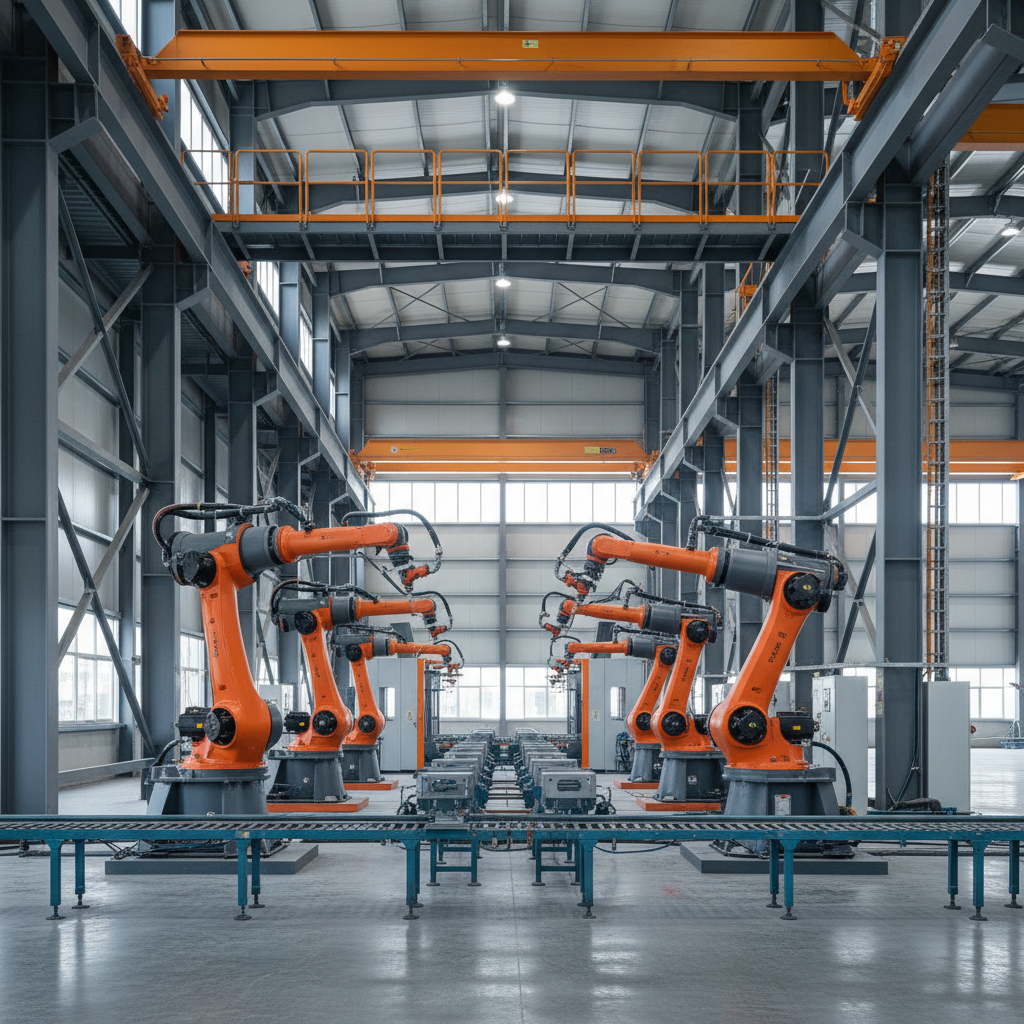
Understanding metal barns prices is essential for agricultural enterprises and industrial facility managers looking to optimize their infrastructure investments. As the demand for durable, weather-resistant storage grows globally, the cost of steel structures has become a primary driver in project feasibility studies. Whether you are housing heavy machinery or creating a secure warehouse, the balance between initial expenditure and long-term durability determines the ultimate ROI of the build.
From a global perspective, the fluctuation of raw steel indices significantly impacts metal barns prices, making it a complex variable for procurement officers. In regions with extreme weather patterns, the shift toward high-tensile steel and advanced powder-coating technologies has shifted the pricing model from simple square-footage costs to value-based engineering. This evolution ensures that the structures can withstand seismic activities or heavy snow loads without frequent, costly repairs.
Moreover, the integration of prefabricated components has revolutionized how we calculate metal barns prices by reducing on-site labor hours and construction timelines. By understanding the intersection of material grade, architectural complexity, and installation costs, buyers can navigate the market to find solutions that provide maximum structural integrity without overextending their capital budgets.
Global Market Drivers of Metal Barns Prices
The volatility of metal barns prices is closely tied to the global commodities market, specifically the pricing of hot-rolled coil steel and zinc for galvanization. According to World Steel Association trends, supply chain disruptions and shifts in trade tariffs can cause rapid fluctuations in the cost of raw materials, which are then passed down to the end consumer. This makes timing the purchase of a steel structure as critical as the design itself.
Beyond raw materials, energy costs associated with the smelting and fabrication process play a silent but significant role in determining final quotes. When energy prices spike in manufacturing hubs, the overhead for producing heavy-duty beams and corrugated sheets increases, subsequently driving up the retail metal barns prices for customized industrial builds.
Defining Metal Barns Prices in Modern Industry
In simple terms, metal barns prices represent the total cost of ownership for a prefabricated or custom-engineered steel enclosure. This includes not just the physical steel—such as the primary frames, purlins, and cladding—but also the engineering certifications, shipping logistics, and the specialized labor required for erection. It is a comprehensive metric that blends material science with construction logistics.
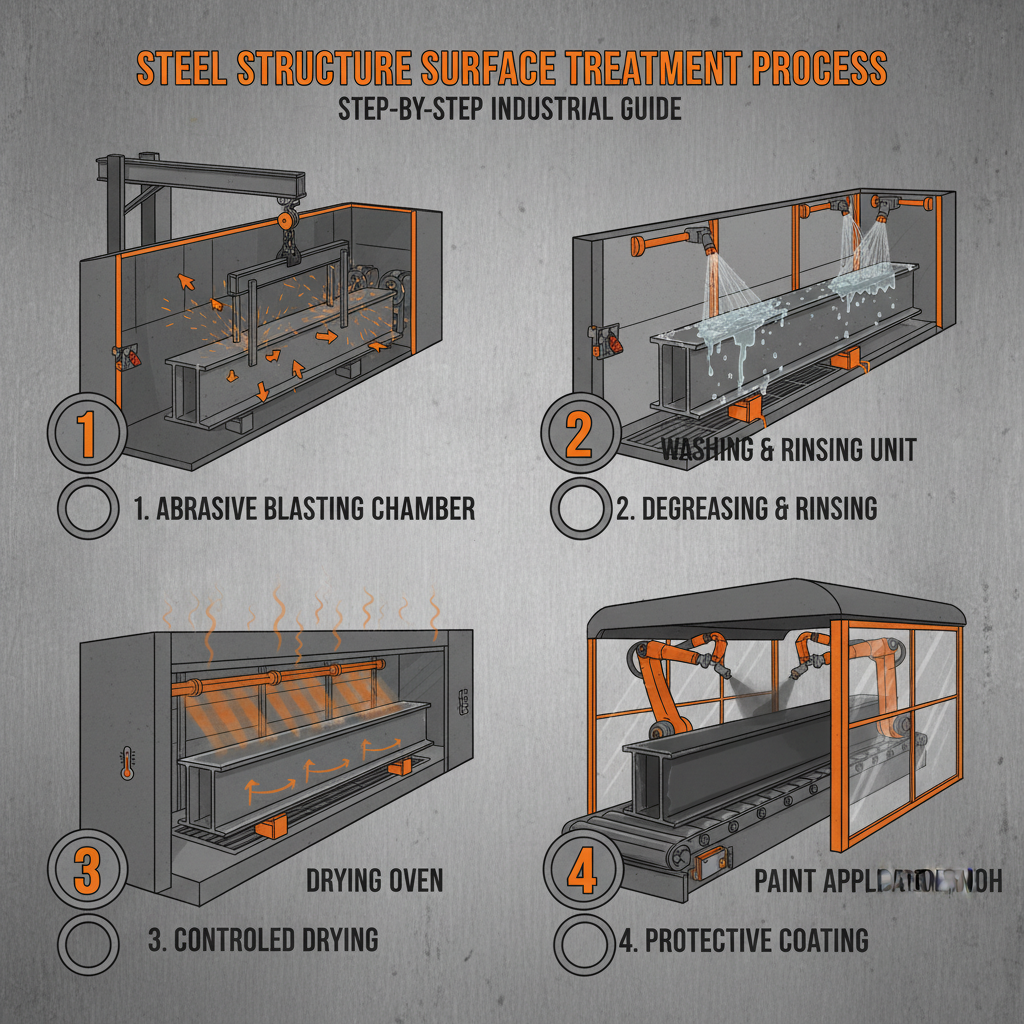
Within the context of modern industry, these prices are no longer viewed as a simple "expense" but as a capital investment in asset protection. For companies utilizing high-end equipment like Container Lifting Jacks or Steel Structure Automatic Painting Lines, the barn is not merely a shell but a controlled environment that protects millions of dollars in machinery from oxidation and environmental degradation.
Furthermore, the connection to humanitarian and rapid-response needs has expanded the definition of these costs. In disaster-relief zones, the speed of deployment becomes a value-add that can justify higher metal barns prices, as the ability to quickly establish secure storage for medical supplies or food outweighs the marginal increase in material cost.
Core Factors Influencing Pricing Structures
One of the primary drivers of metal barns prices is the gauge of the steel used. Thinner gauges may offer a lower entry price, but they lack the structural rigidity required for high-wind zones or heavy internal equipment loads. Professional engineers always recommend balancing the gauge with the intended use to avoid catastrophic structural failure.
Scalability and customization also significantly sway metal barns prices. Standardized kit barns are significantly cheaper because they benefit from economies of scale in manufacturing. However, adding custom features such as oversized sliding doors for Heavy Steel Structure Painting Lines or specialized ventilation systems for Welding Fume Extraction Arms requires custom engineering, which increases the total cost.
Finally, the coating and finish applied to the steel play a critical role in the price. Basic galvanization is the industry standard, but for environments with high salinity or chemical exposure, high-performance powder coatings or fluoropolymer finishes are necessary. While these options raise the initial metal barns prices, they virtually eliminate the need for repainting for decades, reducing the lifetime cost of the structure.
Economic Analysis of Material Grades
When analyzing metal barns prices, it is vital to distinguish between different steel grades. Cold-rolled steel offers a smoother finish and better precision for smaller components, whereas hot-rolled steel is the backbone of heavy structural frames due to its cost-effectiveness and strength. The choice between these directly alters the quote provided by manufacturers.
Investment in higher-grade alloy steels can mitigate the risk of corrosion, which is a hidden cost in the lifecycle of any metal building. By spending more upfront on corrosion-resistant alloys, owners avoid the "maintenance trap" where cheap metal barns prices lead to expensive structural repairs within five to ten years.
Comparison of Value vs. Cost for Various Material Options
Global Applications and Use Cases
The application of steel barns extends far beyond traditional farming. In remote industrial zones, particularly in mining and oil exploration, the demand for modular structures has stabilized metal barns prices by creating a consistent market for prefabricated workshops. These sites require buildings that can be shipped in containers and assembled rapidly with minimal heavy machinery.
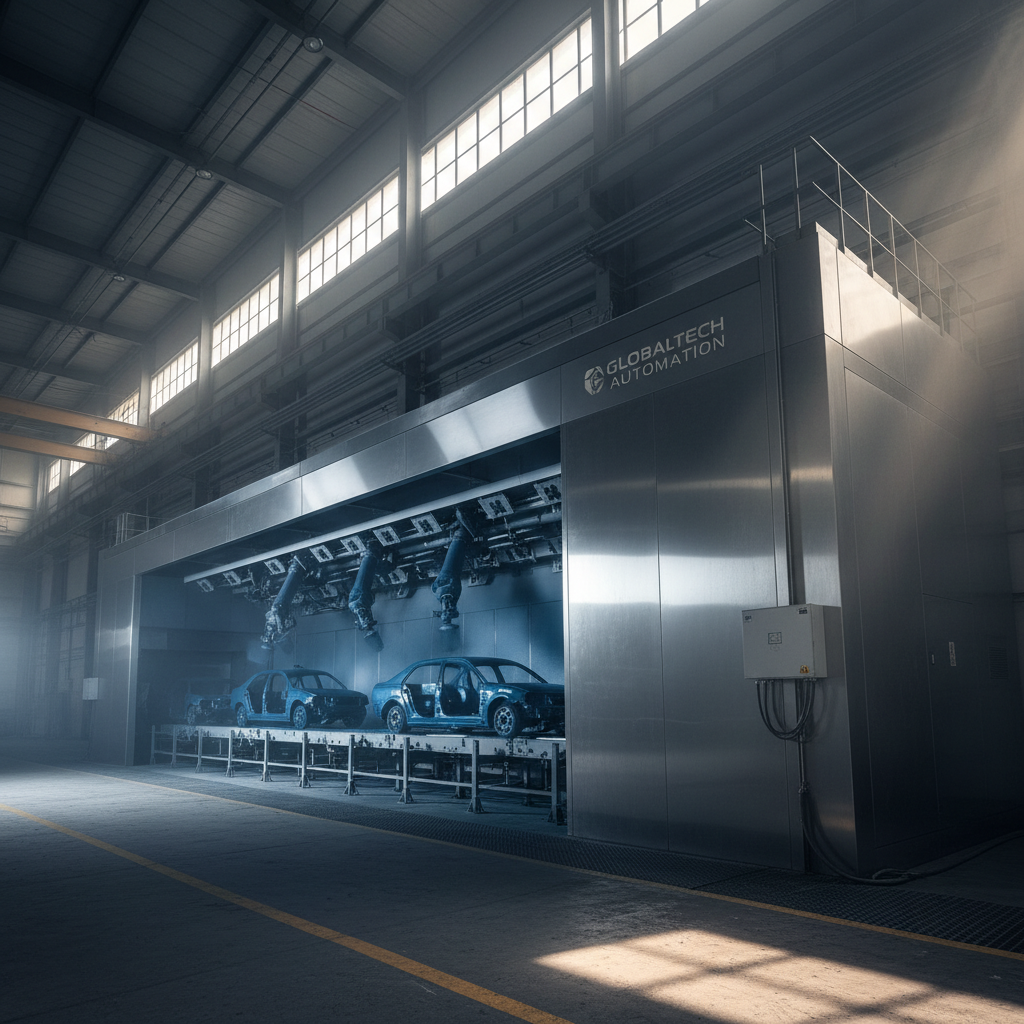
In the aerospace and automotive sectors, these structures serve as the housing for critical manufacturing lines. For instance, a facility specializing in Steel Structure Automatic Painting Lines requires a barn with precise environmental controls and reinforced flooring. In these high-spec scenarios, the metal barns prices are driven more by the integration of HVAC and electrical systems than by the steel itself.
Long-Term Value and Sustainability
From a logical and financial perspective, the long-term value of investing in quality steel structures far exceeds the initial sticker shock of higher metal barns prices. Steel is 100% recyclable, making these barns a sustainable choice compared to concrete or wood. The ability to disassemble and relocate a metal barn adds a layer of "residual value" to the asset that is virtually nonexistent in traditional construction.
Beyond the numbers, there is an emotional angle: safety and peace of mind. Knowing that your inventory and workers are protected by a structure engineered to ISO standards provides a level of trust that budget-grade buildings cannot offer. The reliability of a well-priced, high-quality barn prevents the stress of emergency repairs during peak production cycles.
Furthermore, the sustainability of modern steel production—utilizing Electric Arc Furnaces (EAF)—is gradually reducing the carbon footprint of the industry. This shift is beginning to influence metal barns prices, as "green steel" certifications become a requirement for government contracts and environmentally conscious corporations.
Future Innovations in Steel Construction
The future of metal barns prices will be shaped by the integration of Smart Building technologies. We are seeing the emergence of "intelligent cladding" that can monitor structural stress and temperature changes in real-time. While these innovations may increase the initial cost, they reduce the long-term operational expenditure by predicting maintenance needs before failures occur.
Automation in the fabrication process, such as AI-driven laser cutting and robotic welding, is expected to optimize material waste. As manufacturers become more efficient, the pricing for complex, custom-engineered barns may become more competitive, potentially lowering the metal barns prices for bespoke industrial designs.
Additionally, the rise of hybrid materials—combining steel frames with composite insulating panels—is creating a new price bracket. These materials offer superior thermal efficiency, which is critical for maintaining the temperature of sensitive painting lines or welding areas, further evolving the value proposition of metal barn investments.
Comparison of Metal Barn Configurations and Cost Drivers
| Barn Configuration |
Primary Price Driver |
Durability Score (1-10) |
Est. Maintenance Cost |
| Economy Kit Barn |
Material Volume |
5 |
Moderate |
| Industrial Grade Warehouse |
Steel Gauge |
8 |
Low |
| Custom Production Facility |
Engineering Complexity |
9 |
Very Low |
| Climate-Controlled Barn |
Insulation Grade |
7 |
Moderate |
| Coastal Protected Barn |
Specialty Coating |
10 |
Low |
| Rapid-Deploy Modular |
Logistics Speed |
6 |
Moderate |
FAQS
The most significant spikes are usually caused by the global cost of raw steel and zinc. When geopolitical tensions or trade tariffs affect steel production, the base cost of beams and sheets rises. Additionally, sudden increases in fuel prices can raise shipping costs, which are integrated into the final metal barns prices for delivered kits.
Pre-designed kits are almost always cheaper due to standardized manufacturing processes. Custom-engineered barns require individual architectural drawings and specific material lists, which increases the labor cost. However, custom builds often provide better long-term value for specialized uses, such as housing automatic painting lines, by optimizing the internal space.
Steel gauge refers to the thickness of the metal. A lower gauge number indicates thicker steel. While higher-gauge (thinner) steel lowers the initial metal barns prices, it reduces the load-bearing capacity. For industrial use, investing in lower-gauge (thicker) steel is essential for safety and longevity, effectively lowering the cost per year of the building's life.
Yes, high-performance powder coatings add to the initial cost compared to standard galvanization. However, they provide superior protection against UV rays and chemicals. For facilities using welding fume extraction arms or painting lines, this prevents the structure from degrading due to airborne particulates, making it a cost-effective choice in the long run.
You can reduce installation costs by preparing a level concrete slab before delivery and choosing a simplified roof pitch. Prefabricated components also lower the hours required for on-site labor. By streamlining the site preparation, you can effectively lower the "all-in" cost, even if the raw metal barns prices remain high.
In most cases, yes. Metal barns offer faster construction times and lower material costs per square foot. They also provide greater flexibility for future expansions. While concrete may have higher initial thermal mass, the scalability and lower maintenance of steel typically result in more favorable metal barns prices over a 20-year horizon.
Conclusion
Navigating metal barns prices requires a strategic approach that looks beyond the initial quote. By evaluating the interplay between steel gauge, protective coatings, and engineering specifications, businesses can ensure they are investing in a structure that is not only affordable today but durable for decades. The integration of high-quality steel with specialized industrial equipment ensures that your operational infrastructure remains a robust asset rather than a maintenance liability.
As the industry moves toward smarter, greener, and more automated construction methods, the value proposition of metal barns will continue to evolve. We recommend that buyers prioritize long-term structural integrity and sustainability over the lowest possible entry price to secure the best return on investment. For professional guidance on high-durability steel solutions and pricing, visit our website: www.yeeeed.com.