Steel structure buildings are rapidly becoming the preferred construction method globally, offering a compelling blend of strength, sustainability, and cost-effectiveness. Their versatility allows for a wide range of applications, from high-rise skyscrapers to industrial warehouses and even residential housing. This trend is driven by increasing urbanization, a demand for faster construction times, and a growing awareness of the environmental impact of traditional building materials.
The benefits of utilizing steel in construction extend beyond simply structural integrity. Modern steel building technologies prioritize prefabrication and modularity, significantly reducing on-site waste and labor costs. Furthermore, steel is a highly recyclable material, contributing to a circular economy and reducing the carbon footprint of the construction industry. This makes steel structure buildings increasingly important for sustainable development.
Understanding the intricacies of steel structure buildings—from design and fabrication to erection and maintenance—is crucial for architects, engineers, contractors, and policymakers alike. It allows for informed decision-making, optimized building performance, and ultimately, safer, more resilient, and more sustainable communities.
The Global Rise of Steel Structure Buildings
Globally, the demand for efficient and sustainable construction methods is fueling the growth of steel structure buildings. According to the World Steel Association, steel is the most recycled material globally, making it a key component of environmentally responsible construction practices. The United Nations' Sustainable Development Goals (SDGs), particularly those related to infrastructure and sustainable cities, are also driving the adoption of steel as a preferred building material.
This trend is particularly pronounced in rapidly developing nations where large-scale infrastructure projects are underway. The speed of construction offered by steel structures is crucial for meeting the demands of growing populations and evolving economies. However, challenges such as skilled labor shortages and the need for stringent quality control remain significant obstacles to widespread adoption.
Defining Steel Structure Buildings
Steel structure buildings are constructions where steel is the primary load-bearing and structural component. This differs from traditional construction methods where materials like concrete or wood typically bear the majority of the load. Steel can be used in a variety of forms, including beams, columns, trusses, and plates, to create a robust and versatile framework.
These structures are vital to modern industry, providing the necessary framework for manufacturing plants, warehouses, and logistics facilities. But their application extends far beyond industrial settings. They are integral to humanitarian needs, providing rapid deployment housing, emergency shelters, and essential infrastructure in disaster-stricken areas. Steel structure buildings offer a swift and reliable solution when time is critical.
The defining characteristic of steel structures lies in their capacity to span large distances without intermediate supports, offering design flexibility and maximizing usable space. They offer unparalleled strength-to-weight ratio, allowing for taller, more complex, and more aesthetically pleasing designs.
Core Components and Key Factors
Several key factors contribute to the effectiveness and popularity of steel structure buildings. Durability is paramount; steel is inherently resistant to decay, corrosion (with appropriate treatment), and damage from pests, ensuring a long service life. Scalability allows for easy expansion or modification of the structure as needs evolve, making it adaptable to changing requirements.
Cost Efficiency is another significant benefit. While the initial material cost might be higher than some alternatives, the speed of construction, reduced labor requirements, and minimal maintenance translate into significant long-term savings. Design Flexibility enables architects to create innovative and visually striking structures. The material allows for complex shapes and expansive open spaces that are difficult to achieve with traditional building methods.
Sustainability is increasingly crucial. Steel is highly recyclable, reducing waste and conserving resources. Furthermore, the precision of fabrication minimizes material waste during construction. Finally, Strength and Resilience are critical in areas prone to earthquakes, hurricanes, or other natural disasters, ensuring the safety of occupants.
Diverse Applications of Steel Structures
The versatility of steel structures makes them suitable for a vast range of applications. In the commercial sector, they are widely used for constructing office buildings, shopping malls, and retail spaces. Industrial facilities, such as manufacturing plants and warehouses, benefit from the large clear spans and heavy load-bearing capacity of steel.
Comparative Analysis of Steel Structure Building Methods
Advantages and Long-Term Value
The tangible benefits of steel structure buildings extend far beyond initial cost savings. The speed of construction minimizes disruption and allows for quicker return on investment. Their durability reduces long-term maintenance costs, and the inherent recyclability of steel contributes to a more sustainable future.
The emotional benefits are equally important. Steel structures offer enhanced safety and security, providing peace of mind for occupants. The modern aesthetic and design flexibility inspire innovation and create spaces that are both functional and aesthetically pleasing. Building with steel is an investment in trust—trust in the structure's reliability, its longevity, and its contribution to a more sustainable world.
Future Trends in Steel Construction
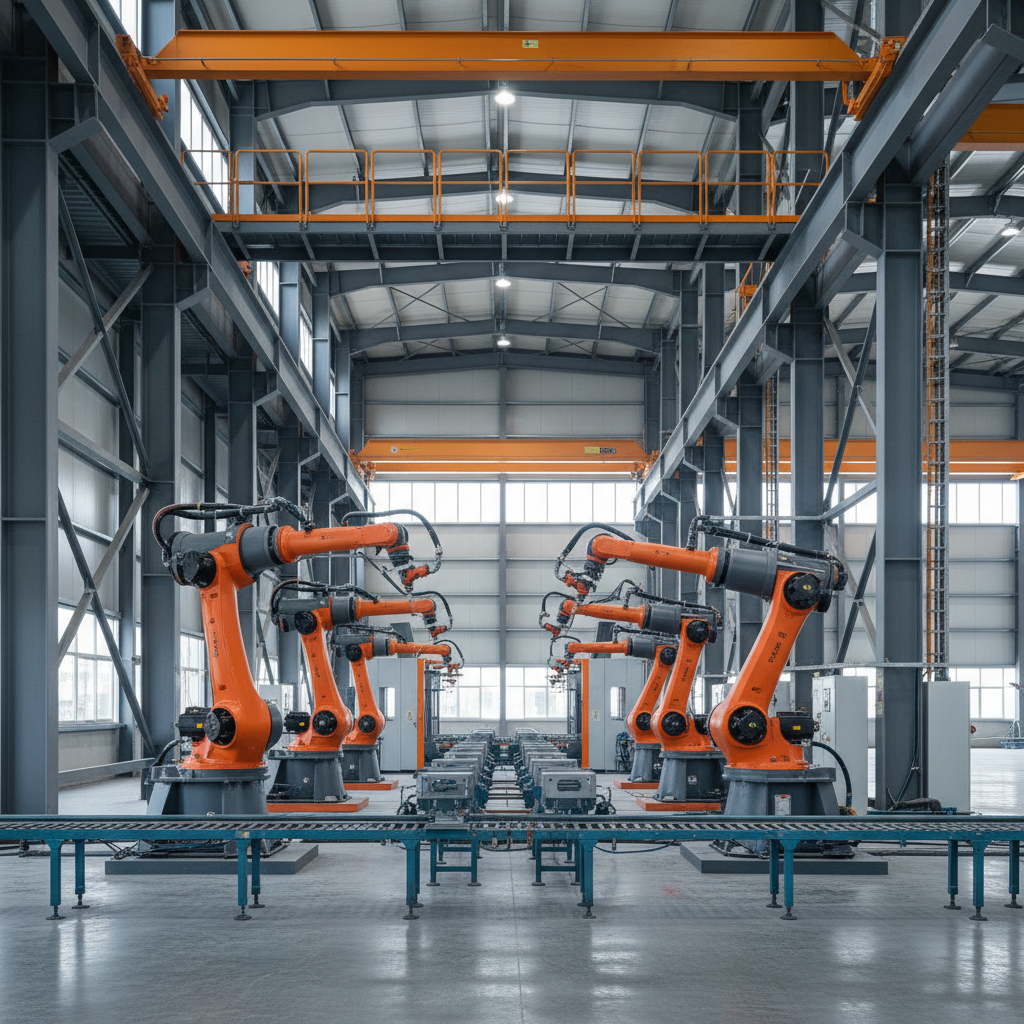
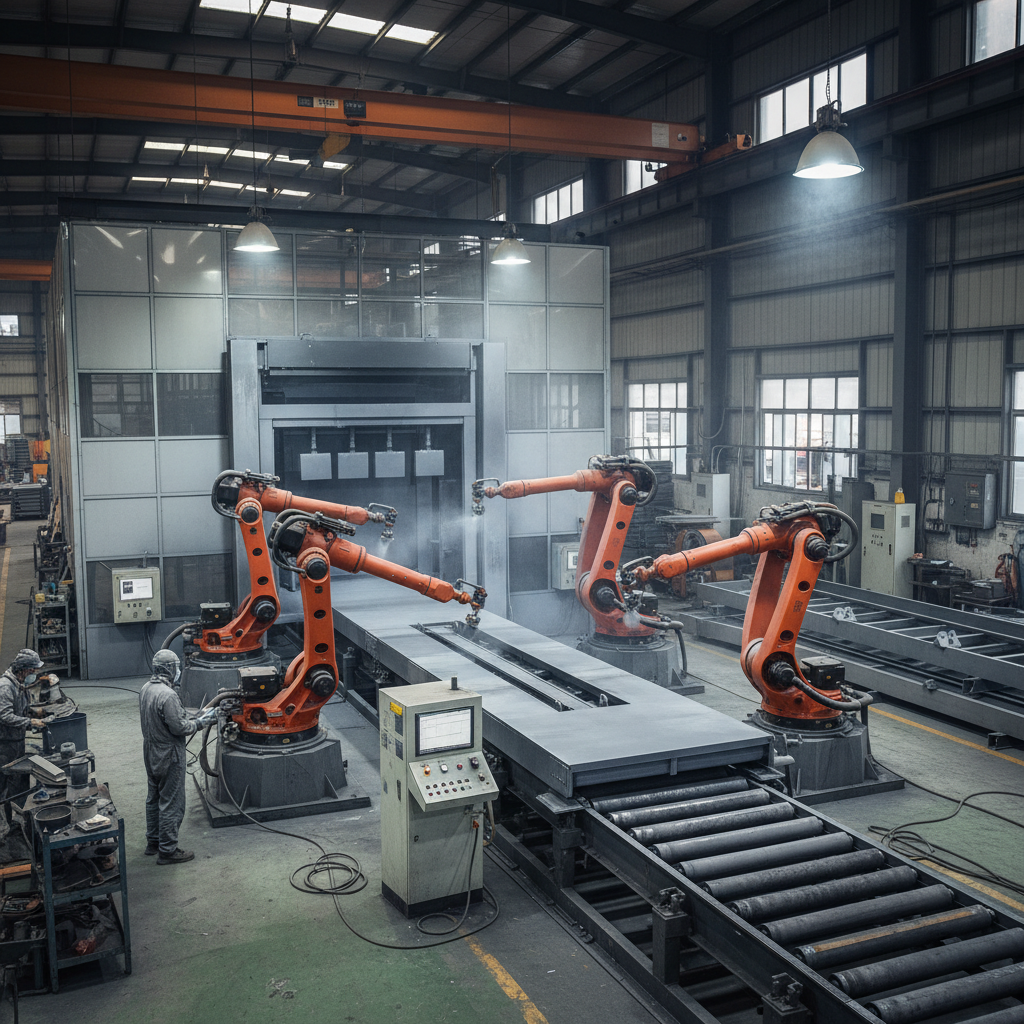
The future of steel construction is focused on integration of digital technologies. Building Information Modeling (BIM) is becoming standard practice, enabling more precise design, fabrication, and construction. Automation and robotics are increasing efficiency and reducing labor costs on construction sites.
Furthermore, the development of high-strength, lightweight steels is expanding the possibilities for innovative designs. Research into sustainable steel production methods, including the use of hydrogen in the steelmaking process, is reducing the environmental impact of the industry. The adoption of green building standards and certifications is driving the demand for sustainable steel structures.
Challenges and Innovative Solutions
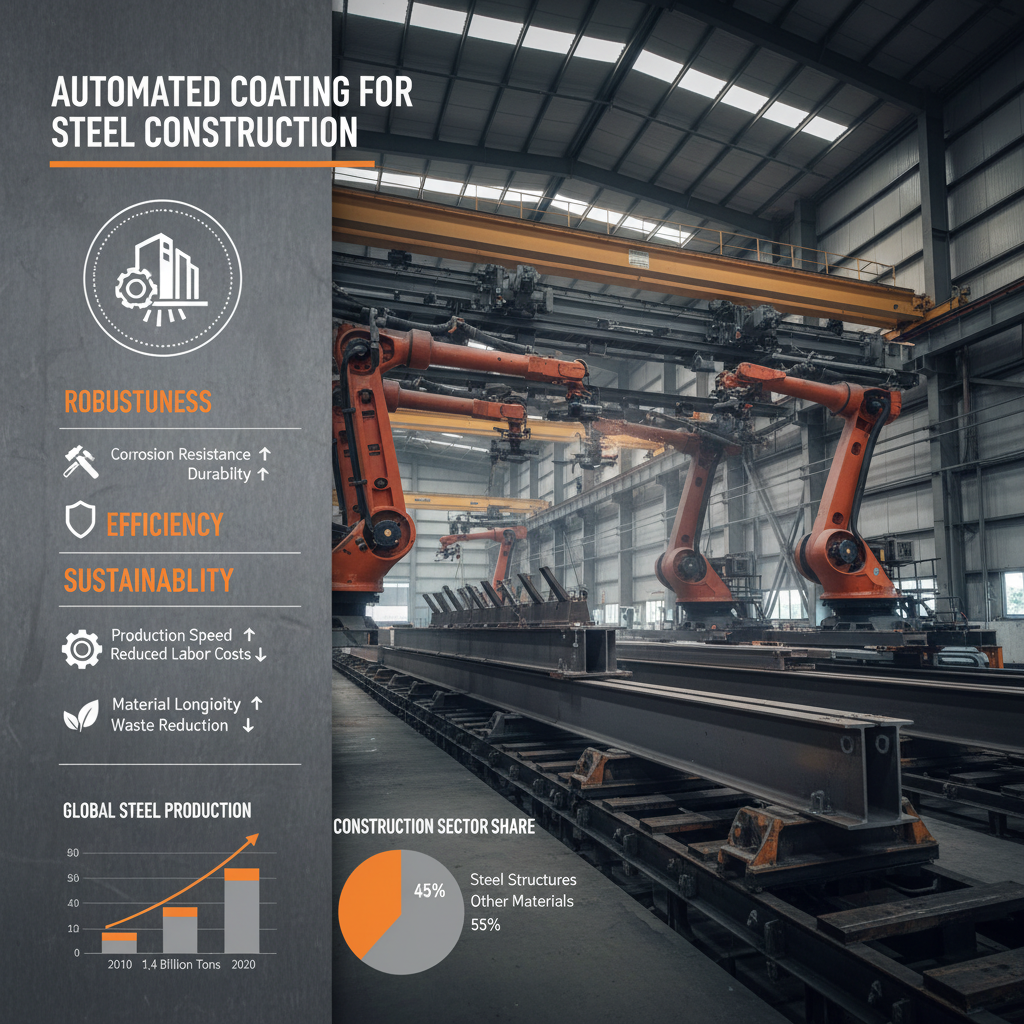
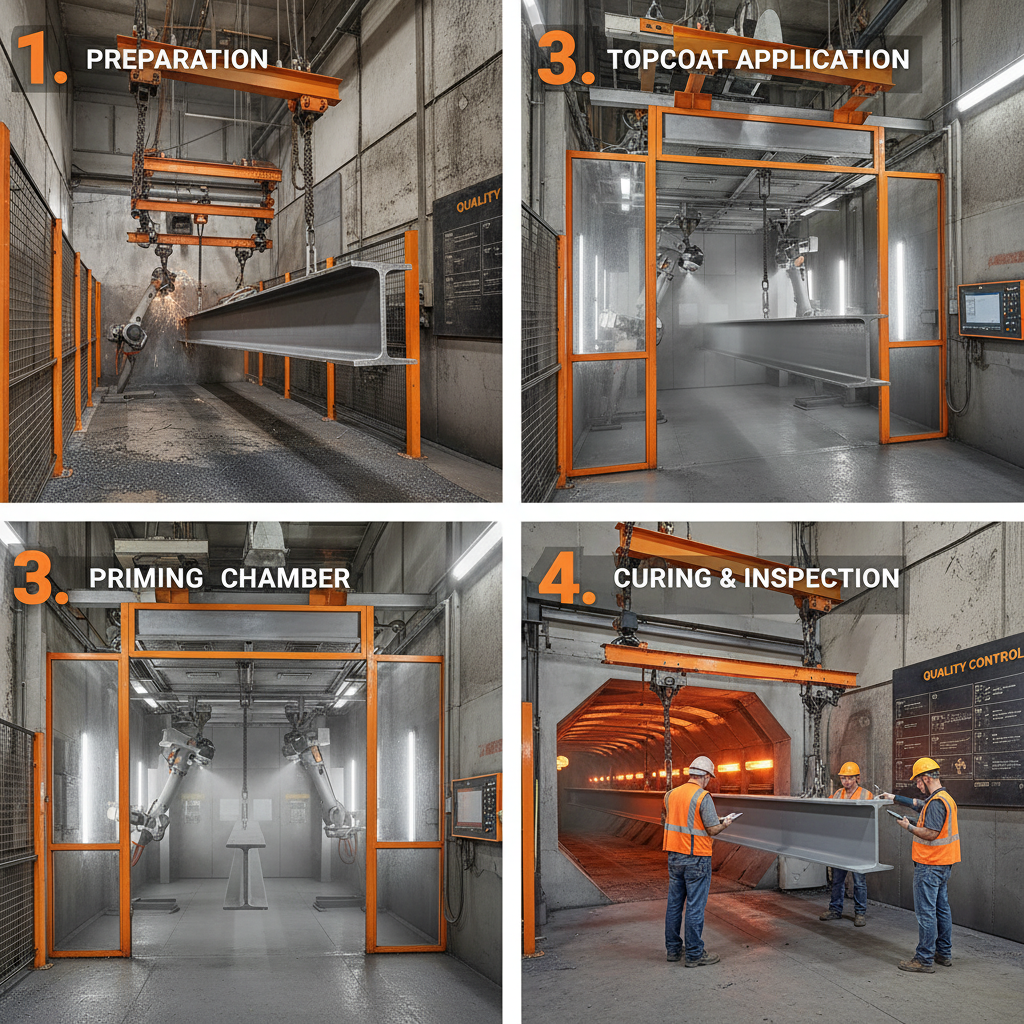
Despite their many advantages, steel structure buildings face certain challenges. Corrosion remains a concern, particularly in harsh environments. However, advancements in protective coatings and corrosion-resistant alloys are mitigating this issue. Skilled labor shortages pose another challenge, necessitating investments in training and education programs.
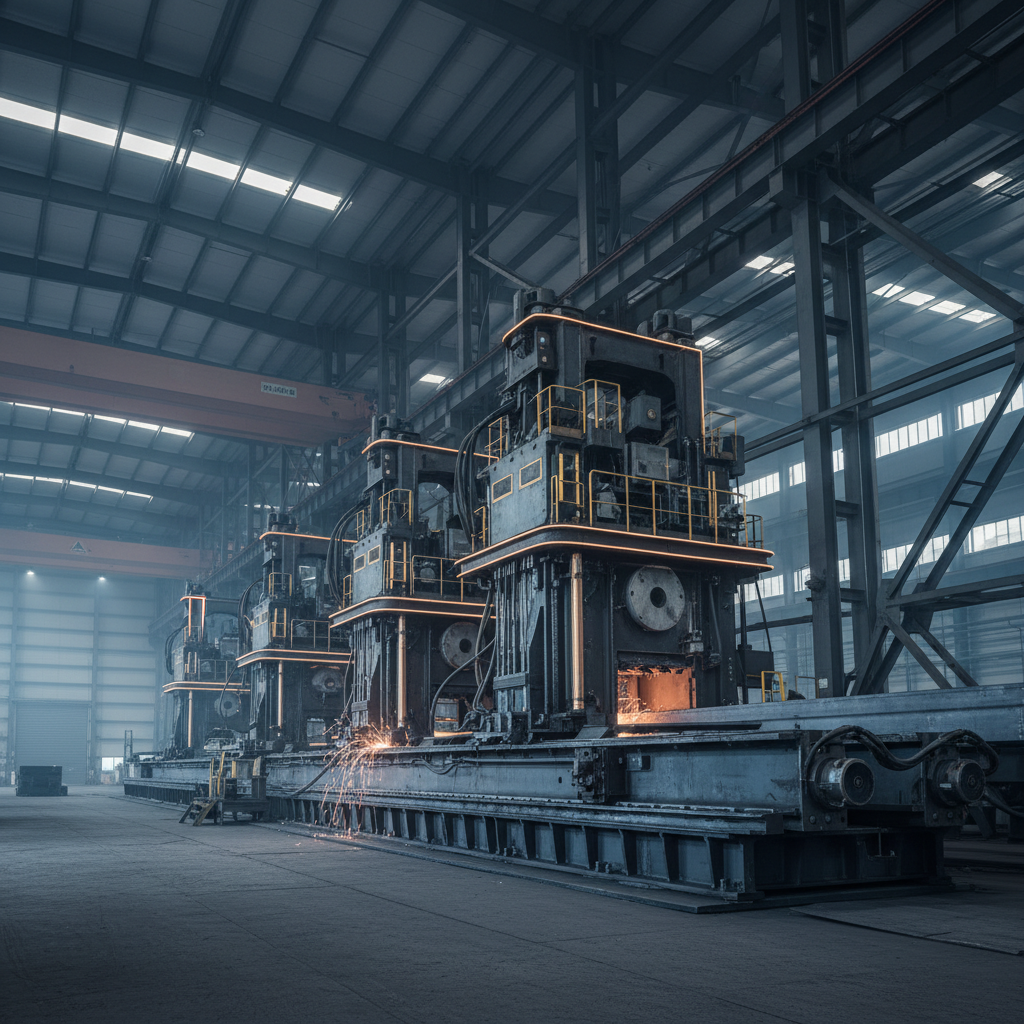
Prefabrication and modular construction are key solutions to addressing labor shortages and improving construction efficiency. Innovative connection designs are simplifying assembly and reducing on-site welding. The adoption of digital twins—virtual representations of physical structures—allows for real-time monitoring and predictive maintenance, enhancing the long-term performance and resilience of steel buildings.
Summary of Solutions to Challenges in Steel Structure Building Construction
| Challenge |
Solution |
Implementation Cost (1-10) |
Effectiveness (1-10) |
| Corrosion |
Advanced Protective Coatings |
6 |
9 |
| Skilled Labor Shortage |
Prefabrication & Modular Construction |
7 |
8 |
| On-site Welding Complexity |
Innovative Connection Designs |
5 |
7 |
| Long-term Performance Monitoring |
Digital Twin Technology |
8 |
9 |
| Material Waste during Construction |
Precision Fabrication using BIM |
6 |
8 |
| Design Complexity |
Advanced Modeling Software |
4 |
7 |
FAQS
Steel structure buildings offer significant advantages over concrete, including faster construction times due to prefabrication, higher strength-to-weight ratio allowing for larger spans, and superior recyclability. Steel is also more ductile, providing better resistance to earthquakes. While concrete may initially appear cheaper, the long-term benefits of steel – reduced maintenance, faster build times, and environmental friendliness – often make it the more cost-effective choice.
The initial material cost of steel can sometimes be higher than traditional materials like concrete or wood. However, considering the entire project lifecycle, steel structure buildings frequently prove more cost-effective. Faster construction reduces labor costs and project timelines, while the reduced need for on-site modifications and the lower maintenance requirements contribute to long-term savings. Prefabrication further optimizes cost by minimizing waste and improving efficiency.
Steel can be susceptible to corrosion, particularly in harsh environments. However, numerous methods exist to prevent corrosion. These include applying protective coatings like galvanization, epoxy paints, or specialized powder coatings. Using weathering steel, which forms a protective rust layer, is another option. Proper design details to prevent water accumulation and regular inspections can also significantly extend the lifespan of steel structures.
Steel is the most recycled material globally, making it highly sustainable. Unlike many other building materials, steel can be recycled repeatedly without losing its properties. Furthermore, the precision of steel fabrication minimizes material waste during construction. Modern steel production processes are also becoming more sustainable, with increasing use of renewable energy and innovative technologies to reduce carbon emissions.
The type of foundation used for a steel structure building depends on the soil conditions, building load, and building height. Common foundation types include shallow foundations like spread footings and mat foundations, as well as deep foundations like piles and caissons. A thorough geotechnical investigation is crucial to determine the most appropriate and stable foundation system for a given project.
A well-maintained steel structure building can have a lifespan of 50 to 100 years or even longer. Regular inspections and maintenance, including addressing any corrosion issues and ensuring proper connection integrity, are essential to maximize the building’s longevity. With proper care, steel structures can remain safe and functional for generations.
Conclusion
In conclusion, steel structure buildings represent a compelling solution for modern construction challenges. Their strength, durability, scalability, and sustainability make them ideal for a wide range of applications, from commercial and industrial facilities to residential housing and emergency shelters. The integration of advanced technologies like BIM, automation, and digital twins is further enhancing their efficiency and performance.
Looking ahead, the continued innovation in steel materials and construction techniques will undoubtedly unlock even greater potential for steel structures. Embracing sustainable practices and investing in skilled labor will be crucial to realizing the full benefits of this versatile and resilient building method. To explore how steel structure buildings can meet your specific needs, visit our website today.