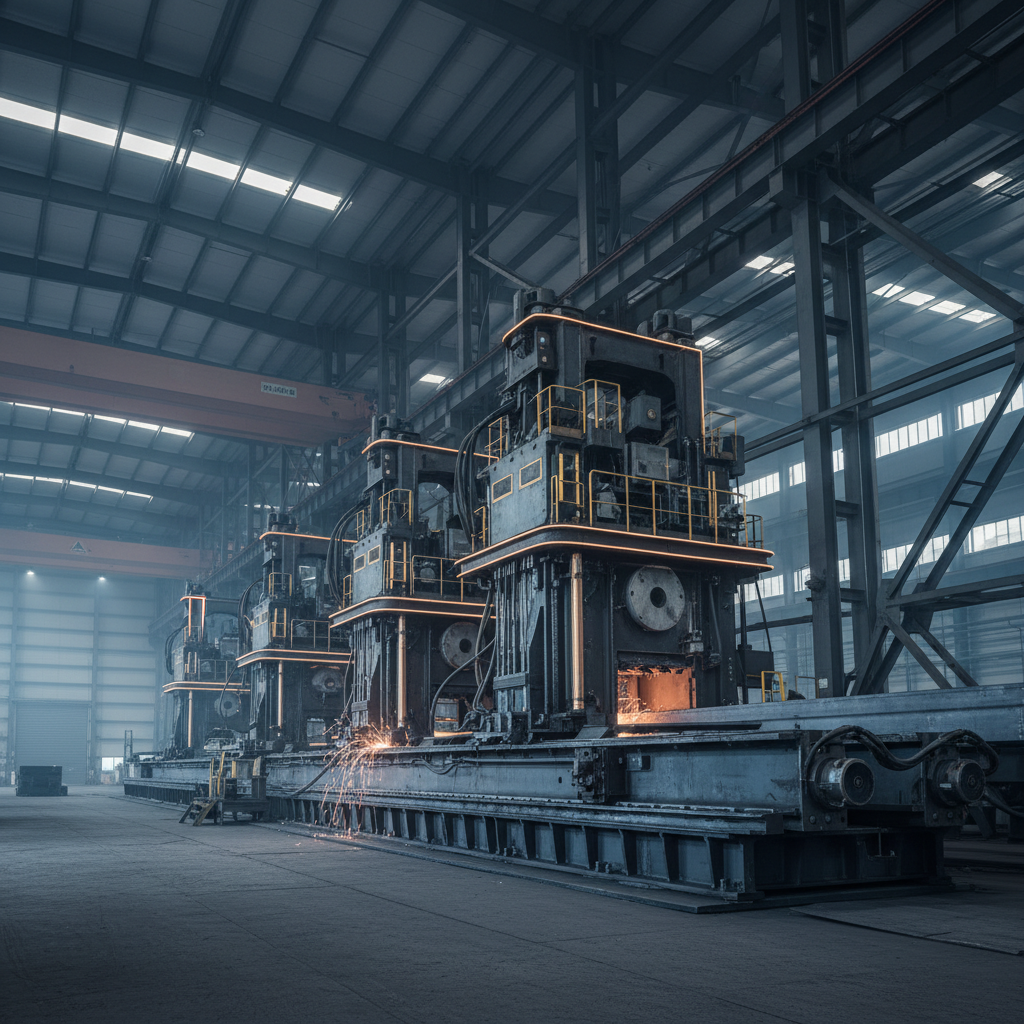
Steel structure manufacturing equipment represents a critical cornerstone of modern construction and infrastructure development. Globally, the demand for efficient, durable, and cost-effective building solutions is soaring, driving innovation and investment in this sector. From high-rise buildings and industrial facilities to bridges and modular housing, steel structures are increasingly favored for their strength, versatility, and sustainability. Understanding the nuances of the equipment that creates these structures is paramount for engineers, contractors, and policymakers alike.
The global market for steel structure manufacturing equipment is experiencing substantial growth, fueled by urbanization, population expansion, and a renewed focus on resilient infrastructure. Reports from organizations like the UN and the World Bank highlight the crucial role of infrastructure in achieving sustainable development goals. This demand necessitates not only increased production capacity but also advancements in automation, precision, and environmental responsibility within the manufacturing process.
This equipment isn't merely about building; it’s about enabling progress. Steel structures play a vital role in disaster relief, providing rapid deployment housing and critical infrastructure components. Moreover, advancements in manufacturing processes can significantly reduce construction time and costs, making housing more accessible and affordable, particularly in developing nations. Effective implementation of optimized equipment leads to enhanced safety standards and long-term structural integrity.
Introduction to Steel Structure Manufacturing Equipment
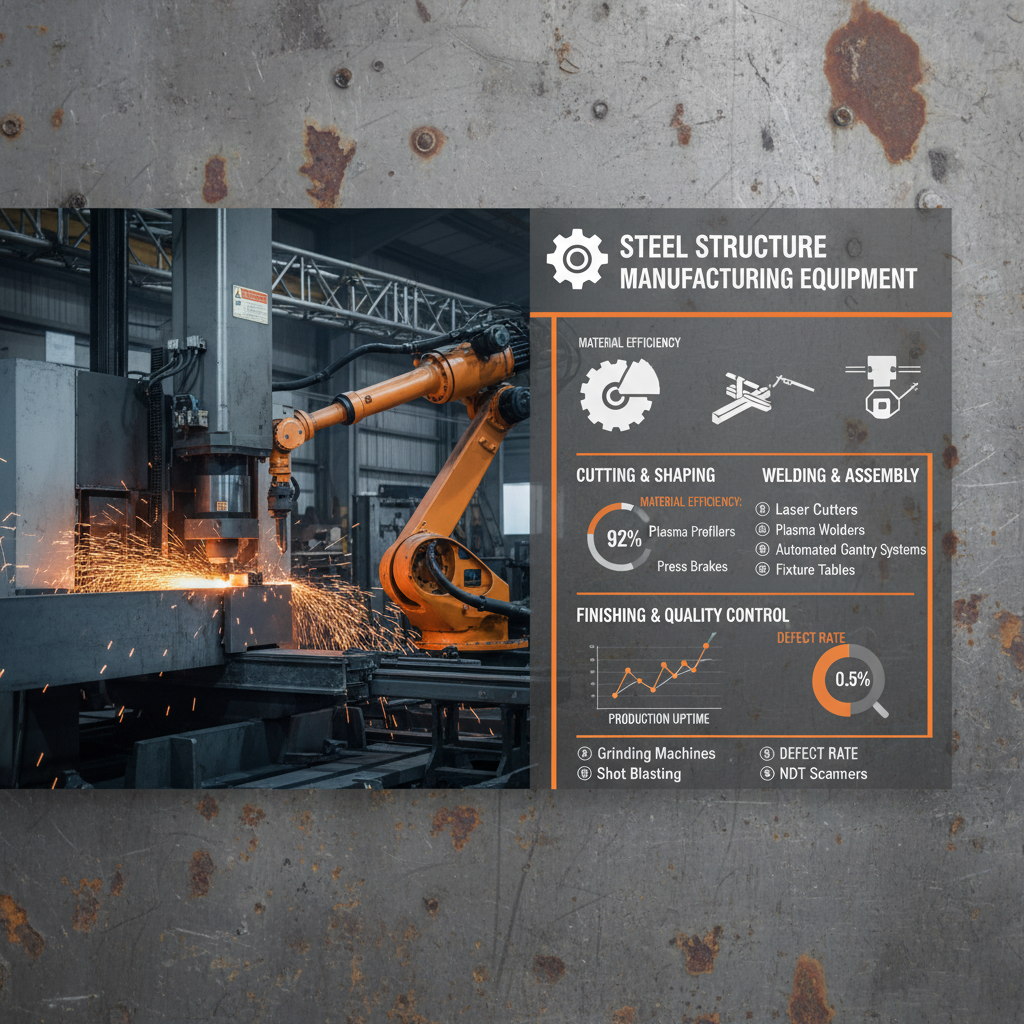
The term ‘steel structure manufacturing equipment’ encompasses a wide range of machinery used in the fabrication of steel components and their assembly into complete structures. This includes everything from cutting and forming equipment to welding robots, painting systems, and quality control instruments. The efficiency and precision of this equipment directly impact the quality, cost, and timeline of construction projects.
Modern steel structure manufacturing is heavily reliant on Computer Numerical Control (CNC) technology, automating processes and enabling the creation of complex geometries with high accuracy. Furthermore, the integration of Building Information Modeling (BIM) software with manufacturing equipment allows for seamless data transfer and streamlined workflows, reducing errors and improving coordination between design and fabrication teams. steel structure manufacturing equipment plays a crucial role here.
Defining Steel Structure Manufacturing Equipment
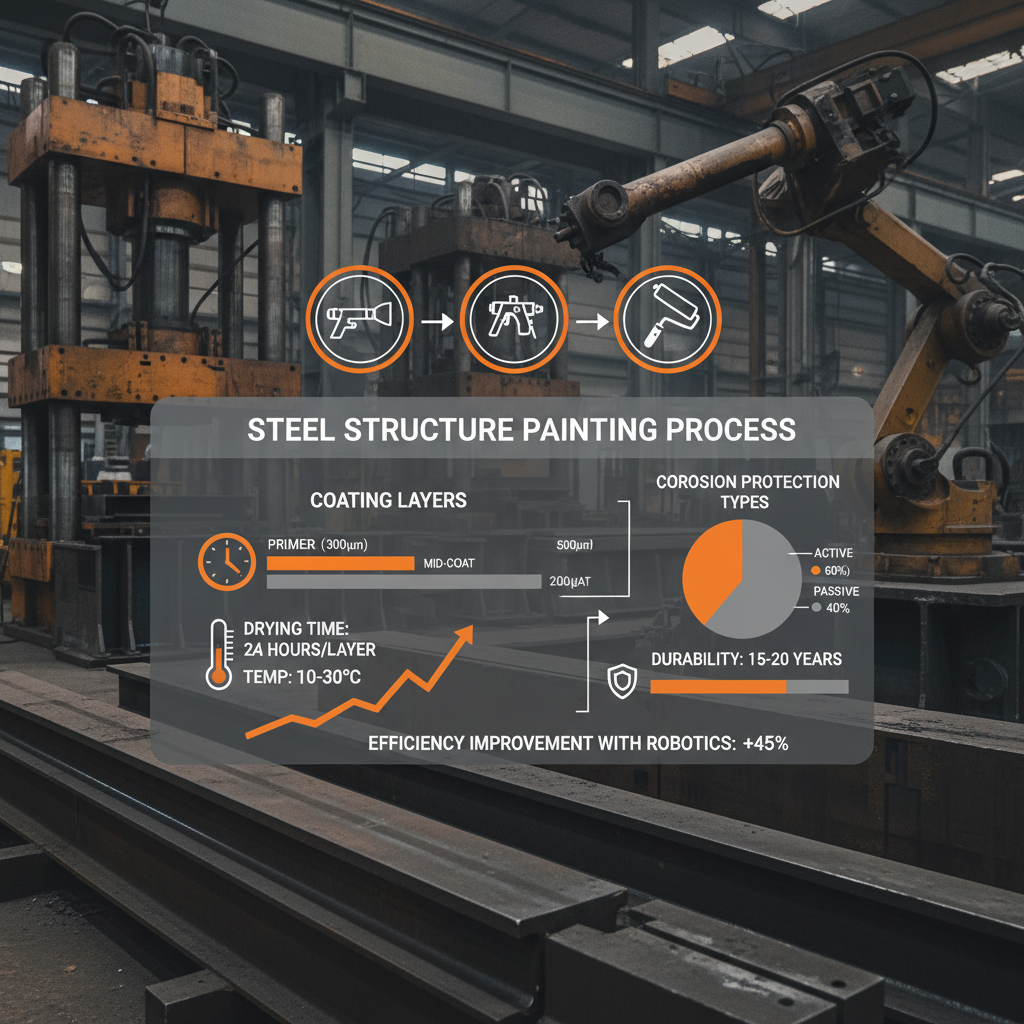
Steel structure manufacturing equipment refers to the collection of tools, machines, and systems dedicated to transforming raw steel materials into finished structural elements. This process encompasses several key stages: cutting, shaping, joining (welding, bolting), surface treatment (cleaning, painting), and quality control. The equipment varies based on the complexity of the structures being produced and the scale of operation.
This equipment isn’t simply about creating physical structures; it's integral to a modern, industrialized world. From the steel frames supporting skyscrapers to the components of bridges connecting communities, efficient and reliable manufacturing is paramount. It directly supports economic growth by enabling timely and cost-effective infrastructure projects.
The connection to humanitarian needs is also significant. Rapidly deployable steel structures are crucial for disaster relief efforts, providing shelter, medical facilities, and essential infrastructure in affected areas. Furthermore, the prefabrication capabilities facilitated by this equipment allow for quicker construction of affordable housing solutions.
Key Factors in Steel Structure Manufacturing
Durability: The lifespan of a steel structure is heavily influenced by the quality of the manufacturing process and the equipment used. Equipment that ensures precise welding, proper surface treatment, and rigorous quality control contribute to long-lasting, resilient structures capable of withstanding harsh environmental conditions.
Scalability: Manufacturing equipment must be scalable to meet varying project demands. This means being able to adapt to different sizes and complexities of structures, from small-scale residential projects to large-scale industrial facilities. Modular equipment configurations and flexible automation systems are essential for scalability.
Cost Efficiency: Efficient equipment reduces material waste, labor costs, and production time, ultimately lowering the overall cost of steel structures. Investing in automated systems, optimized cutting processes, and energy-efficient machinery are key to maximizing cost efficiency.
Precision: Accurate cutting, forming, and joining are critical for structural integrity. Modern CNC machines and robotic welding systems deliver the precision necessary to meet stringent engineering specifications and ensure the safety and reliability of steel structures.
Global Applications and Use Cases
Steel structure manufacturing equipment is deployed across a vast spectrum of applications globally. In the construction of high-rise buildings, especially in rapidly urbanizing cities like Shanghai, Dubai, and New York, advanced fabrication equipment allows for the creation of complex steel frameworks capable of supporting immense loads. Industrial facilities, including factories, warehouses, and power plants, rely heavily on robust steel structures manufactured with precision equipment.
In post-disaster relief operations, rapidly deployable steel shelters and temporary infrastructure, produced with modular manufacturing equipment, provide immediate support to affected populations. Remote industrial zones, such as mining operations in Australia or oil and gas facilities in the Middle East, benefit from pre-fabricated steel structures that can be easily transported and assembled in challenging environments.
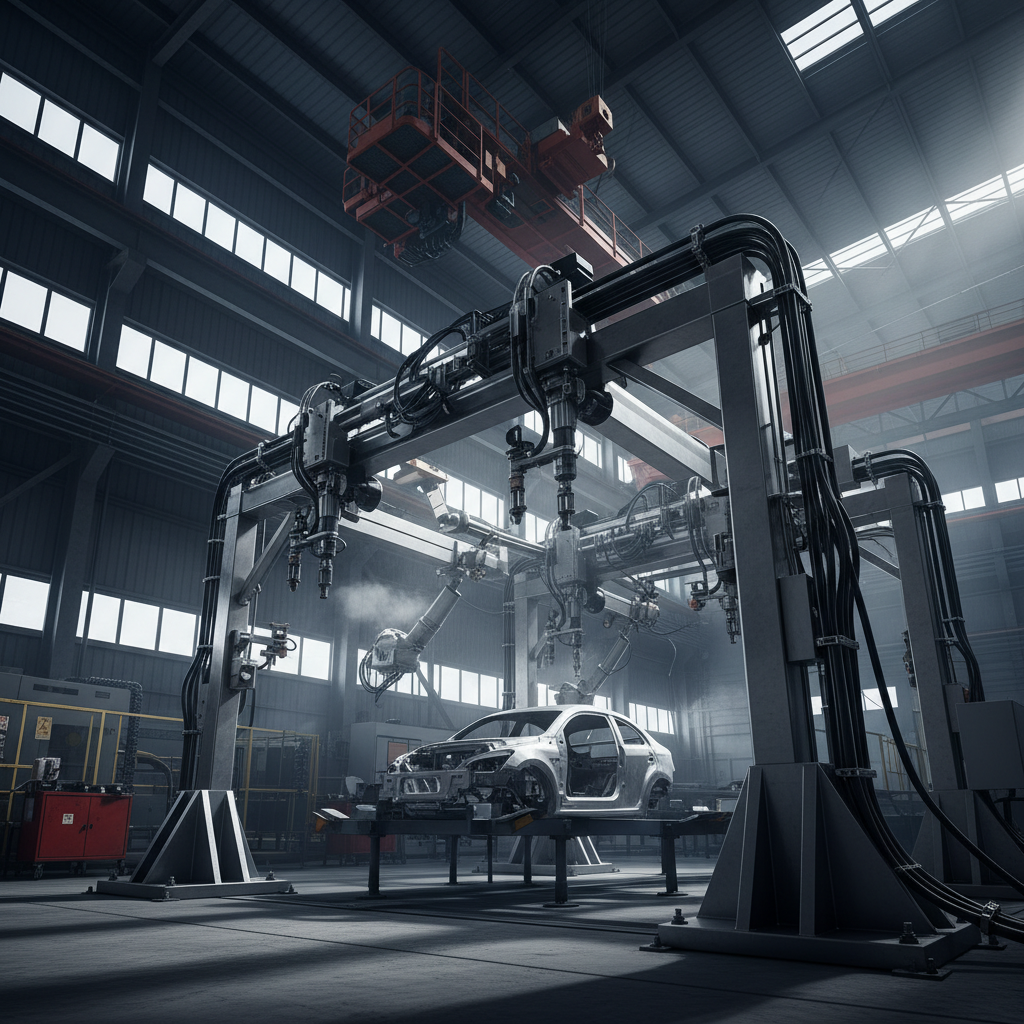
The automotive industry utilizes steel structure manufacturing equipment for the production of car frames and body panels. Similarly, the aerospace sector relies on precision steel fabrication for aircraft components and structural elements. This equipment is increasingly being utilized in sustainable building projects, creating energy-efficient steel frames for green buildings.
Equipment Efficiency in Different Steel Manufacturing Methods
Advantages and Long-Term Value
The advantages of investing in advanced steel structure manufacturing equipment are multifaceted. Tangible benefits include reduced construction costs through increased efficiency, faster project completion times, and minimized material waste. Furthermore, improved precision and quality control lead to more durable and reliable structures, lowering long-term maintenance and repair expenses.
The long-term value extends beyond purely economic considerations. Sustainable manufacturing practices, enabled by energy-efficient equipment and optimized material usage, contribute to environmental responsibility. The enhanced safety features of modern equipment protect workers and reduce the risk of accidents. Ultimately, investing in quality equipment fosters trust and confidence among stakeholders, establishing a reputation for excellence.
Future Trends and Innovations
The future of steel structure manufacturing equipment is inextricably linked to advancements in automation, digitalization, and sustainability. We are witnessing a growing trend towards the integration of Artificial Intelligence (AI) and Machine Learning (ML) algorithms to optimize manufacturing processes, predict equipment failures, and enhance quality control. The adoption of digital twins – virtual replicas of physical assets – allows for remote monitoring, predictive maintenance, and improved operational efficiency.
Green energy solutions are also playing an increasingly important role. The development of energy-efficient equipment, coupled with the use of renewable energy sources, reduces the carbon footprint of steel manufacturing. Furthermore, research into innovative materials, such as high-strength low-alloy (HSLA) steels and advanced coatings, promises to enhance the durability and sustainability of steel structures.
Challenges and Solutions in Manufacturing
Despite the advancements in steel structure manufacturing equipment, several challenges remain. The high initial investment cost can be a barrier to entry for smaller manufacturers. Maintaining and upgrading equipment requires skilled technicians and ongoing training. Ensuring interoperability between different systems and software platforms can be complex.
Solutions include government incentives and financing options to support equipment upgrades. Collaborative training programs between equipment manufacturers, educational institutions, and industry stakeholders can address the skills gap. The development of open-standard communication protocols can facilitate seamless data exchange between different systems. steel structure manufacturing equipment is offering innovative solutions here.
Addressing these challenges proactively will unlock the full potential of steel structure manufacturing equipment, driving innovation, sustainability, and economic growth within the construction and infrastructure sectors.
Summary of Common Challenges and Mitigation Strategies for Steel Structure Manufacturing Equipment
| Challenge |
Impact on Manufacturing |
Mitigation Strategy |
Implementation Cost (1-10) |
| High Initial Investment |
Limits adoption by smaller businesses |
Government grants, leasing options |
6 |
| Skilled Labor Shortage |
Difficulty operating and maintaining equipment |
Training programs, apprenticeship schemes |
7 |
| Equipment Interoperability |
Data silos, inefficient workflows |
Adoption of open communication standards |
5 |
| Supply Chain Disruptions |
Delays in equipment delivery and maintenance |
Diversifying suppliers, local sourcing |
4 |
| Rapid Technological Change |
Equipment obsolescence |
Modular design, software updates |
8 |
| Energy Consumption |
High operating costs, environmental impact |
Investing in energy-efficient equipment |
6 |
FAQS
Automated processes, utilizing CNC machines and robotics, offer significantly higher precision, repeatability, and speed compared to manual methods. This translates to reduced material waste, lower labor costs, and improved quality control. While manual processes may be suitable for small-scale or custom projects, automation is essential for large-scale production and complex geometries. The investment in automated steel structure manufacturing equipment usually pays off within a few years.
BIM provides a digital representation of a structure, allowing for seamless data transfer to manufacturing equipment. This integration enables automated programming of CNC machines, minimizes errors, and streamlines the fabrication process. BIM also facilitates clash detection, ensuring that all components fit together correctly before fabrication begins, reducing costly rework.
CNC steel cutting machines require regular maintenance to ensure optimal performance and longevity. This includes lubrication of moving parts, cleaning of cutting surfaces, and periodic inspection of electrical components. Software updates are also crucial for maintaining functionality and security. Preventive maintenance schedules, developed by the equipment manufacturer, should be strictly followed.
Modern steel welding equipment should incorporate several safety features, including automatic shutdown mechanisms, fume extraction systems, and protective shielding to prevent arc flash and exposure to harmful gases. Robotic welding systems often include safety barriers and light curtains to prevent accidental contact. Regular safety training for operators is also paramount.
The payback period for automated steel fabrication equipment varies depending on the scale of operations, the complexity of projects, and the specific equipment purchased. However, a typical payback period ranges from 3 to 7 years, driven by reduced labor costs, increased production efficiency, and improved material utilization. Detailed cost-benefit analyses are recommended before making any investment.
Manufacturers can reduce their environmental impact by investing in energy-efficient equipment, implementing waste reduction programs, and utilizing sustainable materials. Utilizing closed-loop recycling systems for steel scrap can significantly reduce reliance on virgin materials. Additionally, optimizing transportation logistics and reducing packaging waste contribute to a more sustainable operation.
Conclusion
Steel structure manufacturing equipment is more than just machinery; it's a foundational element of modern infrastructure, sustainable building practices, and rapid response capabilities in times of crisis. The ability to efficiently fabricate strong, durable, and adaptable steel structures is paramount to addressing the world’s growing needs for housing, transportation, and industrial development. Investing in advanced equipment and embracing innovative technologies is crucial for remaining competitive and contributing to a more sustainable future.
Looking ahead, the convergence of automation, digitalization, and sustainability will redefine the landscape of steel structure manufacturing. Embracing these trends will not only enhance operational efficiency and reduce costs but also unlock new opportunities for innovation and growth. We encourage you to explore the possibilities and discover how the right equipment can transform your business. Visit our website: www.yeedtech.com.