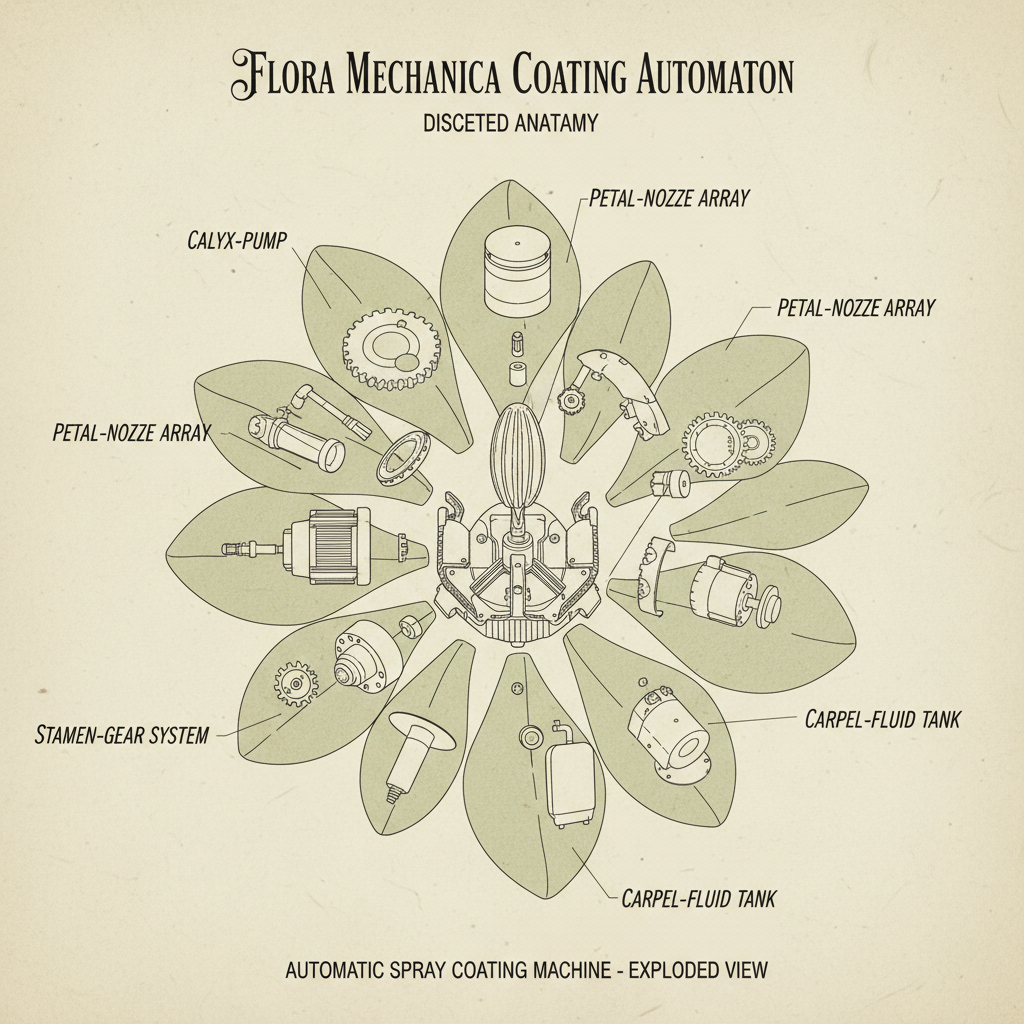
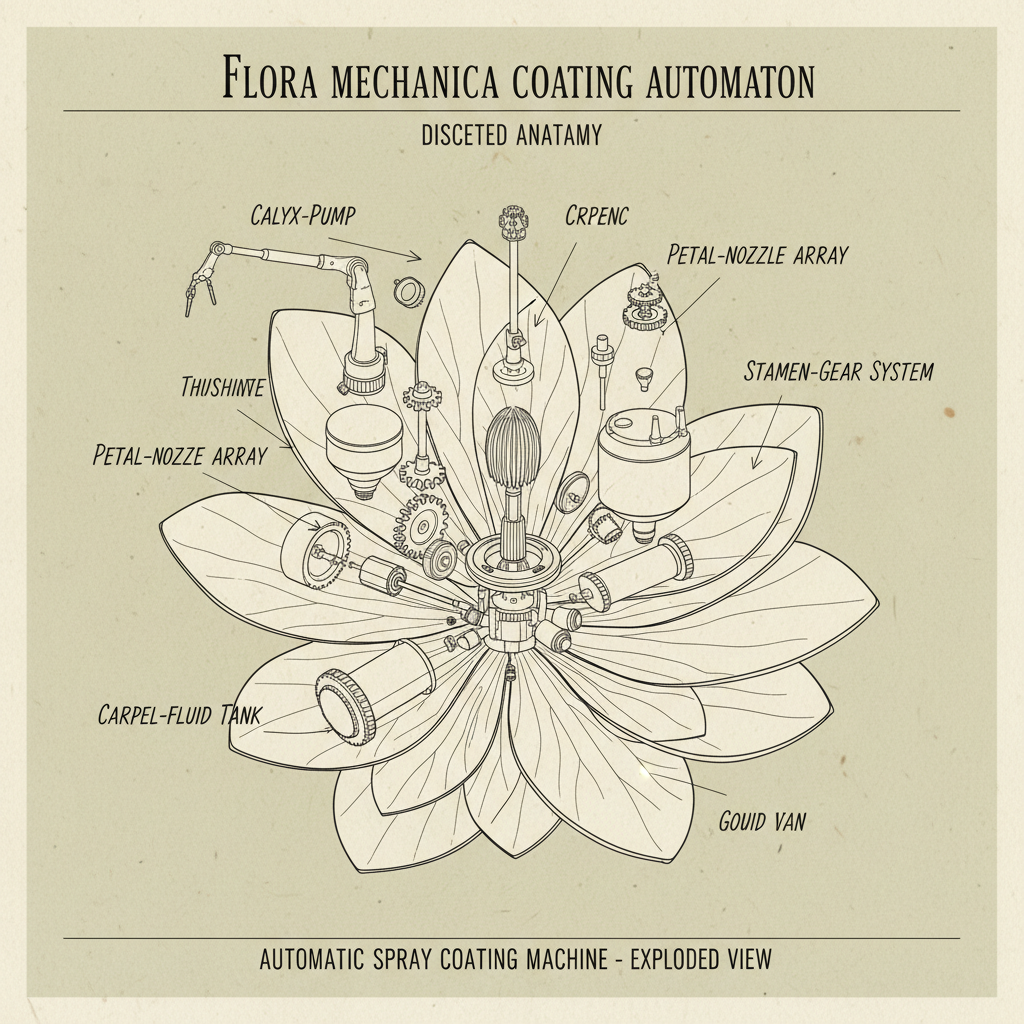
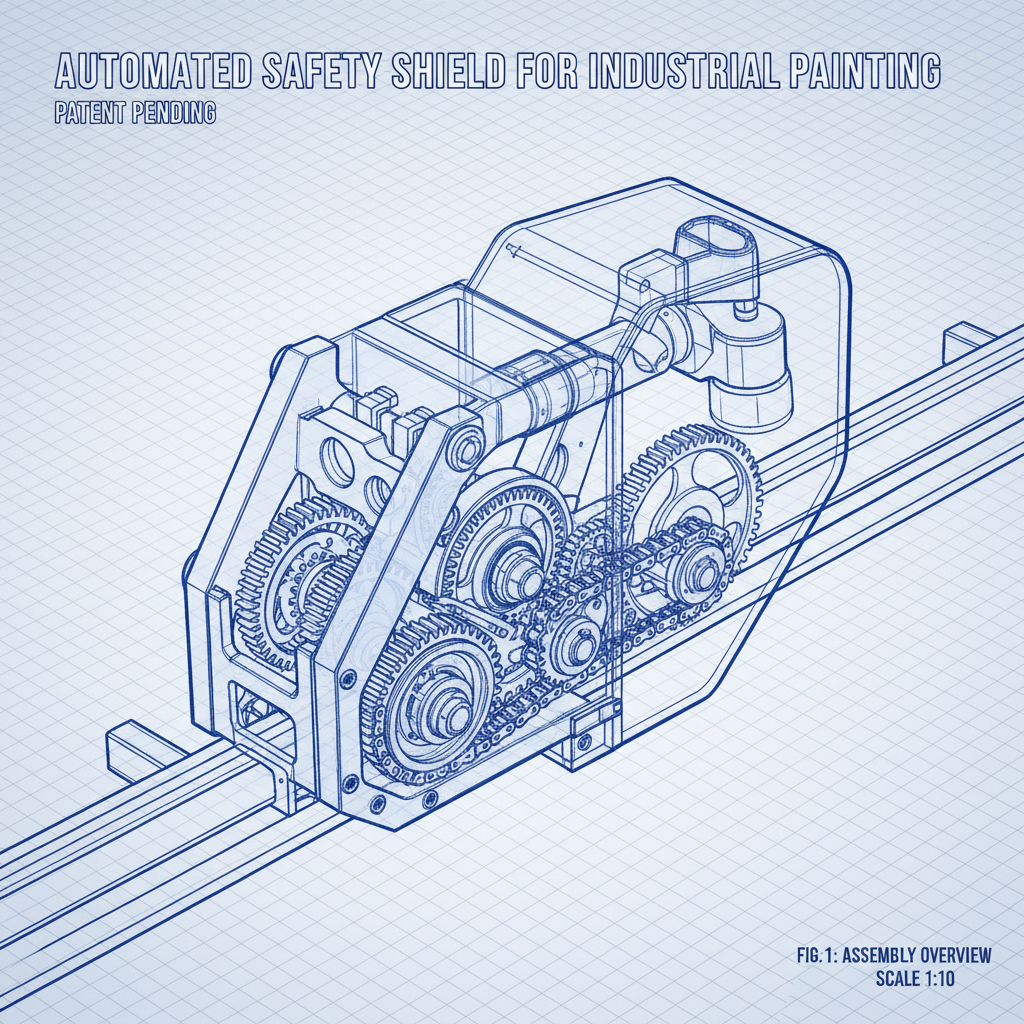
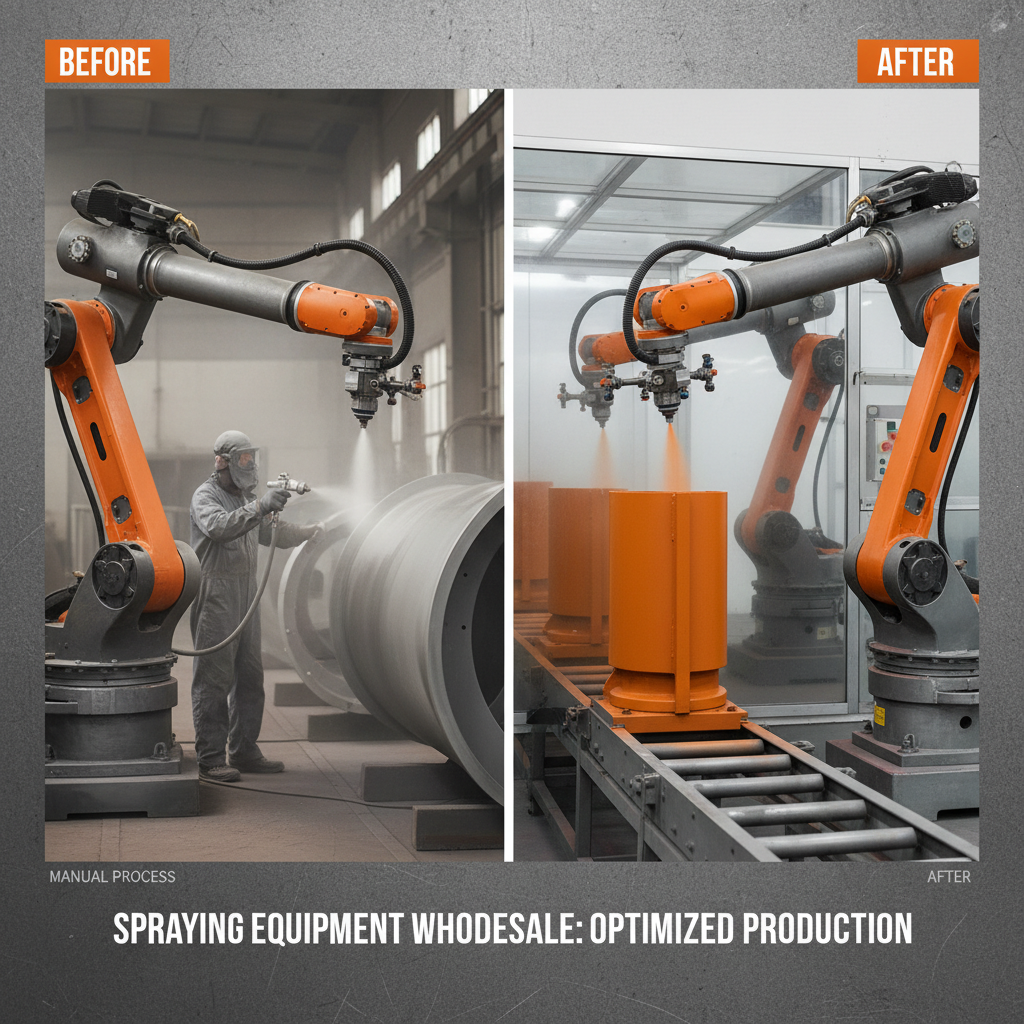
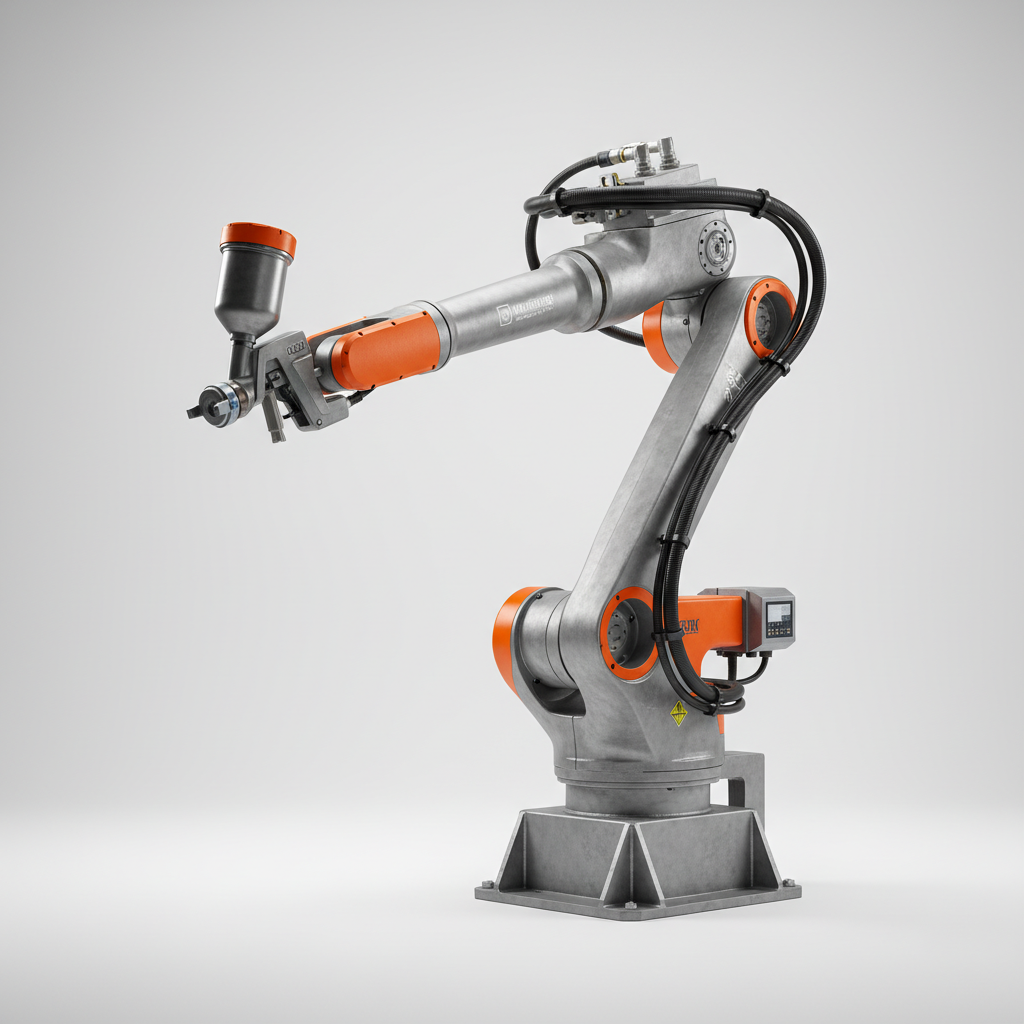
Look, these automatic spray coating machines… they're really taking off, you know? Everyone’s talking about efficiency, and honestly, that’s what’s driving it. Used to be, you’d have a team of guys with spray guns, masking everything off for days. Now? Boom. Machine does it. It’s not magic, obviously, but it’s a huge leap forward. I’ve been seeing more and more factories, even small workshops, looking into these. It's about keeping up, I guess.
To be honest, it’s not all sunshine and roses. You see these designs coming from engineers who’ve never spent a day on a dusty factory floor, and they make mistakes. Like, they’ll design an access panel that's impossible to reach with a wrench, or they'll spec a material that looks good on paper but scratches if you look at it wrong. I encountered one last month at a furniture factory in Guangdong, the entire setup was unusable because of the paint fumes – they hadn’t factored in proper ventilation. Really frustrating.
And the pressure to automate is real. Companies are scared of being left behind. It's not just about the big players anymore. Even the smaller guys are looking for ways to streamline things. Makes my job interesting, at least.
Industry Trends and Common Pitfalls
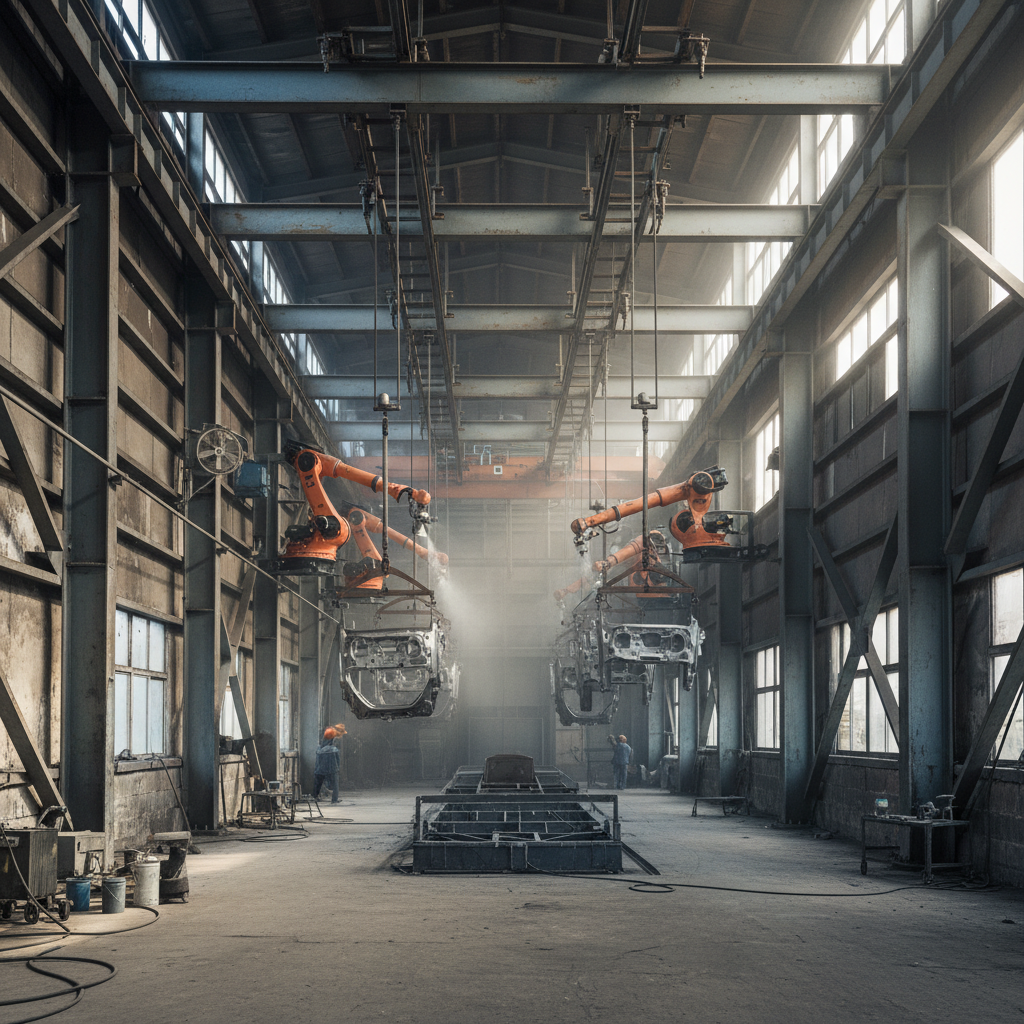
Have you noticed how everyone’s pushing for faster turnaround times? It’s relentless. That’s where these automatic spray coating machines come in. But the biggest trend I’m seeing isn’t just the machines themselves; it’s the integration with robotic arms and quality control systems. They're trying to build these fully automated cells. It’s ambitious.
Now, a common pitfall? Overcomplicating things. Some manufacturers want every bell and whistle, forgetting that the guys on the floor just need something reliable. I saw a machine at a plastics factory recently, with more sensors than a spaceship. Ended up being a maintenance nightmare. And the price... forget about it.
Materials and Handling
The paints themselves… that’s a whole other story. You've got your water-based acrylics, your solvent-based polyurethanes, your powder coatings… each with its own smell and feel. Polyurethane, you gotta be careful with that stuff, it’s nasty if you get it on your skin. Acrylics are generally easier to handle, but the finish isn’t always as durable. Powder coating… now that’s a beast. Static cling everywhere, and you gotta get the grounding right or you're in trouble.
The quality of the paint is crucial. You get cheap stuff, you get uneven coverage, bubbling, and a finish that scratches if you breathe on it. I’ve learned to tell a good paint just by the way it flows off the stir stick. It's weird, I know, but it works. And the solvents… don’t even get me started on the regulations.
We've started seeing more bio-based coatings, which is good, but they're still finding their footing. The performance isn't quite there yet compared to the traditional stuff, but it’s getting closer.
Real-World Testing Protocols
Look, those lab tests are fine, but they don’t tell you how something will hold up in the real world. We do things differently. We scratch it with a coin, we bend it, we leave it out in the sun, we dunk it in water. Sounds crude, I know, but it works. Strangely, sometimes the things that pass all the lab tests fail spectacularly in the field.
We also do impact tests – dropping weights on coated parts, simulating shipping damage. And salt spray tests, to see how well the coating resists corrosion. It's not glamorous work, but it's important. You have to know how a coating will behave under stress.
I once saw a coating that looked perfect in the lab, but chipped instantly when exposed to UV light. Turns out, the lab didn't simulate real-world UV exposure properly. That cost the client a fortune in rework.
Actual User Applications & Surprises
You’d think everyone’s using these machines to coat the same stuff, right? Wrong. I’ve seen them used for everything from furniture to automotive parts to medical devices. The applications are surprisingly diverse. I've even seen one modified to coat fishing lures!
One surprise? How much customization is involved. People don't just want a machine that sprays paint; they want it to spray their paint, in their pattern, on their parts. It's rarely a one-size-fits-all solution.
Automatic Spray Coating Machine Performance Metrics
Advantages, Disadvantages, and the Fine Print
The advantages are clear: speed, consistency, reduced labor costs. It’s a no-brainer for high-volume production. But there are downsides. The initial investment is significant. And you need skilled technicians to operate and maintain these machines. It's not just plug and play.
The biggest issue I see is flexibility. These machines are great for running the same part, the same coating, day after day. But if you need to switch things up frequently, it can be a pain. And cleaning… don’t even get me started on the cleaning. It’s a messy job.
Customization Options and Case Study
Customization is huge. We had a client, a small electronics manufacturer in Shenzhen, who wanted to coat their circuit boards with a conformal coating. They insisted on using a connector for the coating applicator head – said it was more durable. I told him it was overkill, but he wouldn’t listen.
Anyway, we built it for him. Took a lot of engineering work, but it worked. The problem? The connector failed after a week. Turns out, the coating solvents were attacking the plastic housing. Lesson learned. Sometimes, simpler is better. And always listen to the guy who's been doing this for 20 years.
Performance Metrics and Comparative Analysis
People always ask about ROI. It depends. A lot. But generally, you need to be running a significant volume of parts to justify the investment. We look at cycle time, material usage, defect rates, and labor costs. Those are the key metrics.
Compared to traditional spray painting? These machines are almost always faster and more consistent. But you need to factor in the cost of maintenance and downtime. They’re not perfect.
And don't forget the environmental impact. These machines can significantly reduce material waste and VOC emissions, which is a big plus these days.
Comparative Performance Analysis of Automatic Spray Coating Machines
| Machine Type |
Initial Cost (USD) |
Cycle Time (seconds/part) |
Maintenance Difficulty (1-5) |
| Robotic Arm System |
$80,000 - $150,000 |
15-30 |
4 |
| Electrostatic Spray Booth |
$50,000 - $90,000 |
20-40 |
3 |
| Powder Coating System |
$60,000 - $120,000 |
25-50 |
5 |
| Automated Carousel System |
$40,000 - $70,000 |
10-20 |
2 |
| HVLP Automated System |
$30,000 - $50,000 |
30-60 |
1 |
| Custom Build System |
$100,000+ |
Variable |
4-5 |
FAQS
That depends heavily on your production volume and existing labor costs. Generally, you’re looking at 2-5 years for a decent return. The big savings come from reduced material waste and labor, but you have to factor in maintenance and downtime. A lot of companies underestimate the cost of keeping these things running smoothly.
It’s not as simple as flipping a switch, believe me. You'll need to purge the lines, change out nozzles, and adjust the settings. Some machines are designed for quick changeovers, but even those require some downtime. The more different coatings you use, the more time and effort it takes. I’ve seen facilities dedicate entire days to cleaning and reconfiguring a system for a different product.
You can’t just throw anyone on it. Operators need to understand the basics of fluid dynamics, spray techniques, and machine maintenance. We usually recommend at least a week of training, and even then, they’ll need some on-the-job experience. It’s not rocket science, but it’s not simple either. And you need someone dedicated to preventative maintenance – that’s key.
It depends on the machine and the part. Robotic arm systems are the best for complex geometries, as they can reach into tight spaces and follow intricate contours. But even with those, you might need to use masking or custom fixtures to get a consistent finish. Simpler machines may struggle with anything beyond basic shapes.
Safety is paramount, especially with solvent-based coatings. Proper ventilation is crucial. Operators need to wear respirators, gloves, and eye protection. And you need to have a fire suppression system in place. These machines can generate a lot of flammable vapors, so you can’t mess around with safety.
Not doing their homework. They focus on the initial cost and forget about the total cost of ownership – maintenance, training, downtime, material waste. They also don’t always assess their own needs properly. They buy a machine that's too complex or too simple for their application. It's a big mistake.
Conclusion
Ultimately, these automatic spray coating machines offer a significant improvement over traditional methods, but they’re not a silver bullet. You have to understand the nuances, the trade-offs, and the potential pitfalls. It's about finding the right machine for the right application, and investing in the training and maintenance needed to keep it running smoothly.
And let's be real – whether this thing works or not, the worker will know the moment he tightens the screw. They’ll see the finish, feel the smoothness, and know if it's right. Don’t underestimate their experience, and don’t try to overcomplicate things. Simple, reliable, and well-maintained – that's what matters. If you’re interested in exploring options, check out automatic spray coating machine on our website.