The field of automated manufacturing is rapidly evolving, and at its forefront lies the automatic spray painting robot. These robots are no longer confined to simple, repetitive tasks; modern systems boast sophisticated sensors, AI-powered controls, and the ability to adapt to complex geometries. This advancement is driving efficiency, quality, and safety across a wide range of industries, from automotive and aerospace to furniture and general manufacturing. Understanding the capabilities and potential of these robots is crucial for businesses looking to stay competitive in today’s dynamic market.
Globally, the demand for automated painting solutions is surging, driven by factors like rising labor costs, increasing environmental regulations concerning VOC emissions, and the need for consistent high-quality finishes. According to a report by the International Federation of Robotics (IFR), robot density in manufacturing is increasing worldwide, with a particularly strong growth in the automotive sector, a major consumer of spray painting robots. This trend demonstrates the critical role these robots play in modern industrial processes and the ongoing investment in this technology.
The core benefit of implementing an automatic spray painting robot lies in its ability to streamline operations, reduce waste, and improve worker safety. By automating a traditionally labor-intensive and hazardous process, companies can achieve significant cost savings, enhance product quality, and create a more sustainable and efficient manufacturing environment. This technology isn't merely a replacement for human labor; it's a tool to augment human capabilities and unlock new levels of productivity.
The Evolution and Impact of automatic spray painting robot
The history of automatic spray painting robots can be traced back to the early days of industrial automation, with initial implementations focused on simple, repetitive tasks. However, these early robots lacked the sophistication and flexibility required for complex painting applications. Over time, advancements in robotics, sensor technology, and artificial intelligence have led to the development of highly capable robots capable of handling a wide range of painting processes.
The impact of this evolution has been profound. Industries are now able to achieve higher levels of precision, consistency, and efficiency in their painting operations, reducing defects, minimizing waste, and improving overall product quality. Furthermore, the use of robots has significantly enhanced worker safety by eliminating the need for human operators to work in hazardous environments.
Defining Automatic Spray Painting Robots
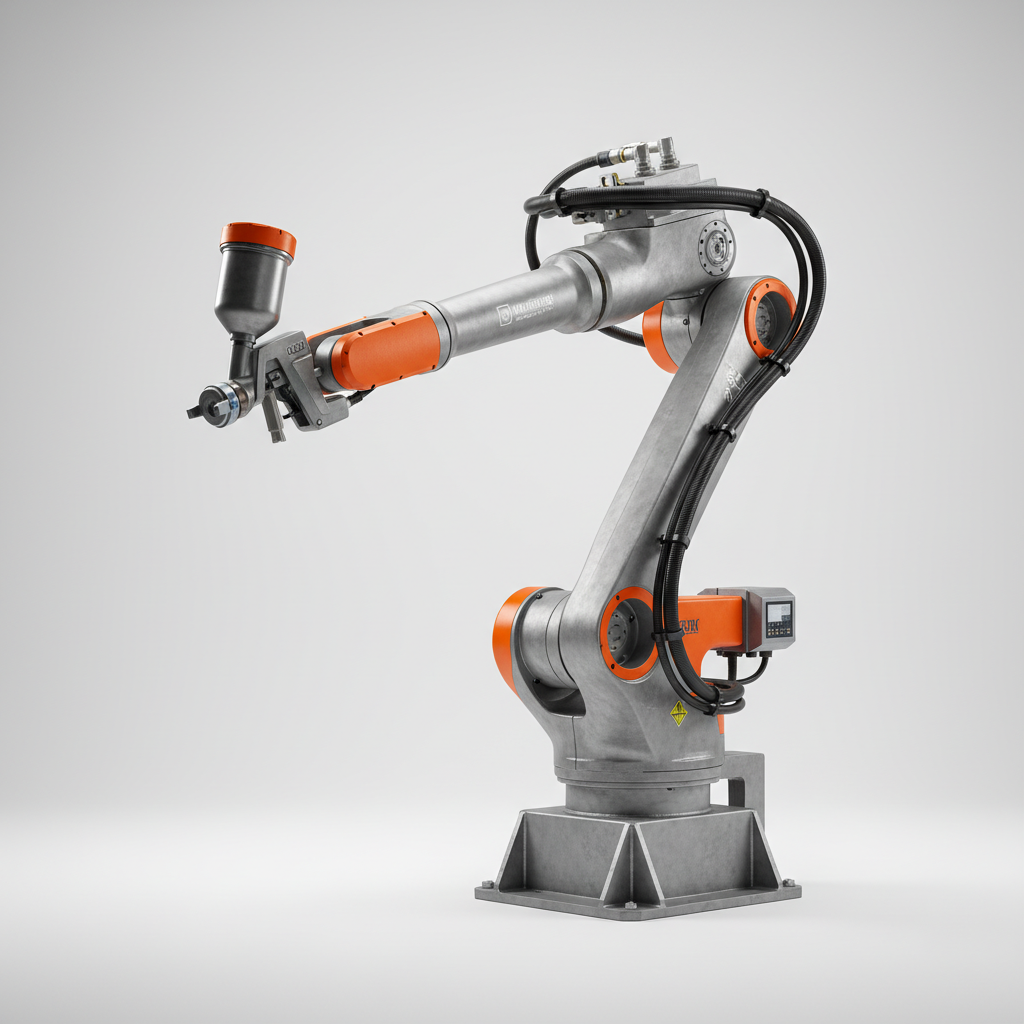
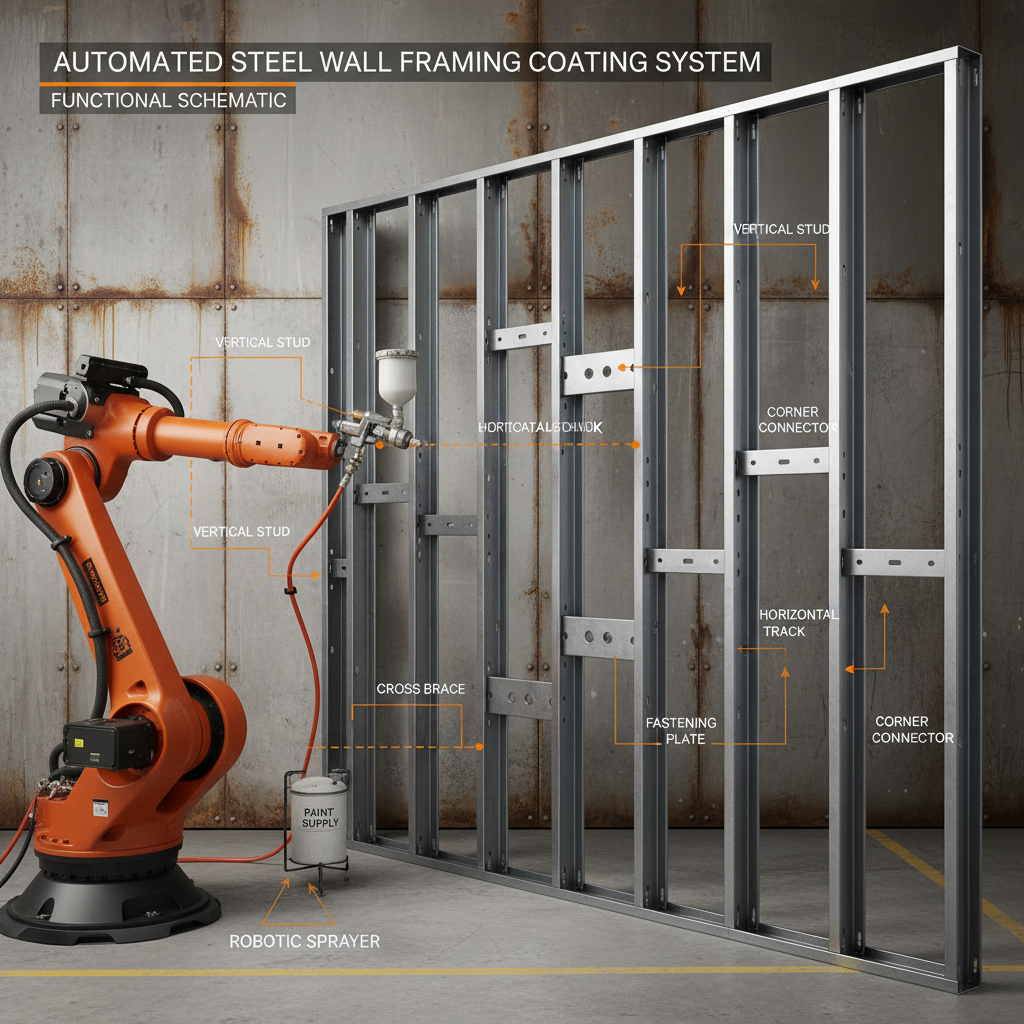
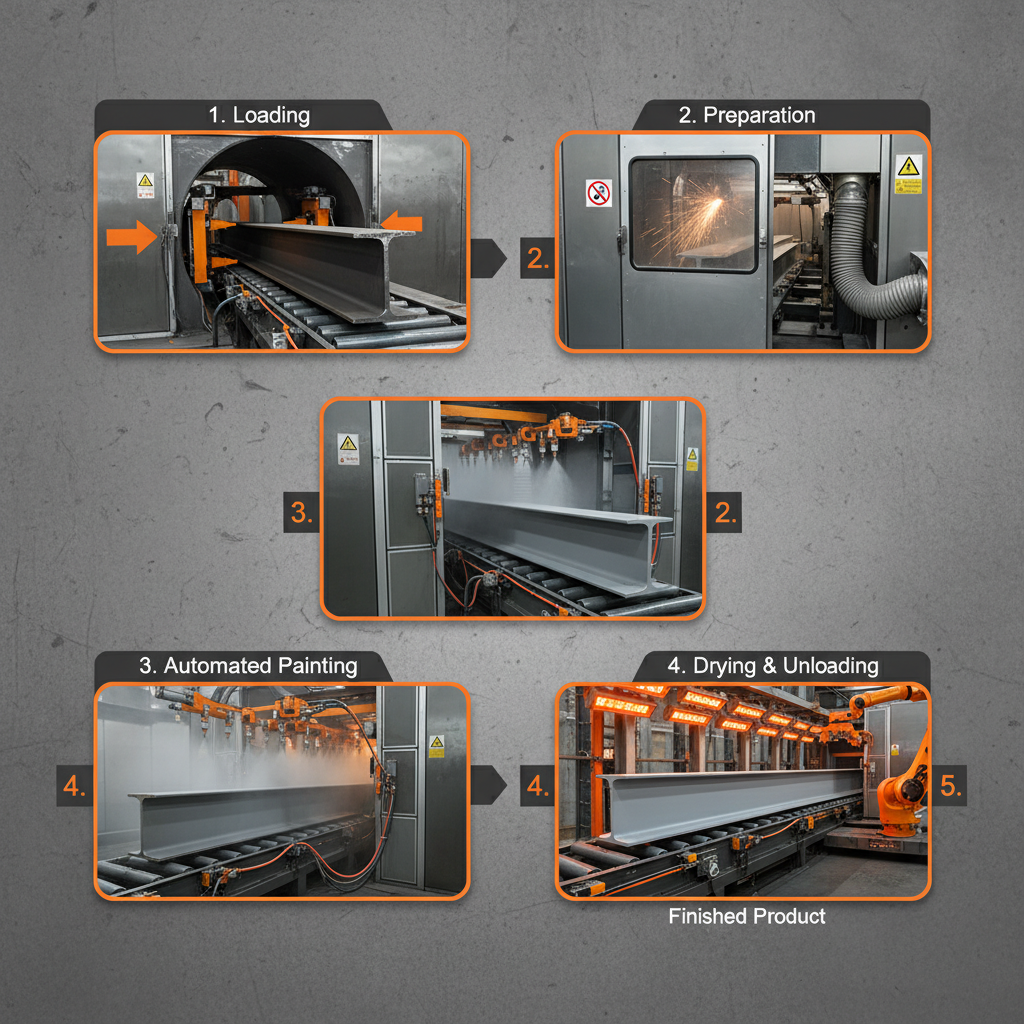
An automatic spray painting robot is a robotic system designed to apply paint or other coatings to surfaces without direct human intervention. These systems typically consist of a robotic arm, a spray gun, a paint delivery system, and a control system. They utilize programmed movements and precise control of the spray gun to achieve uniform and consistent coatings.
The connection to modern industry is undeniable. Virtually any industry requiring painted or coated products—automotive, aerospace, furniture, electronics, and many more—can benefit from this technology. These robots aren't just automating a task; they're enabling more efficient production lines, reducing material waste, and improving the overall quality and appearance of finished goods.
Furthermore, the rise of these robots addresses a growing humanitarian need for safer and more efficient manufacturing processes. By reducing worker exposure to harmful chemicals and hazardous conditions, they contribute to a more sustainable and ethical industrial landscape.
Key Components and Operational Principles
Several key components contribute to the functionality of an automatic spray painting robot. These include the robot arm (typically a 6-axis articulated robot), the spray gun (designed for precise paint atomization and delivery), the paint supply system (maintaining consistent paint flow and pressure), the control system (programming and coordinating robot movements), and the sensors (providing feedback for accurate positioning and coating thickness).
Operationally, these robots work by following pre-programmed paths and applying paint according to specified parameters, such as spray angle, speed, and distance from the surface. Advanced systems utilize sensors and vision systems to dynamically adjust their movements and compensate for variations in surface geometry or material properties, ensuring a consistent and high-quality finish.
The control system is the brain of the operation, allowing operators to define complex painting patterns, adjust settings, and monitor performance in real-time. Modern systems often incorporate AI and machine learning algorithms to optimize painting processes and improve overall efficiency.
Performance Metrics and Efficiency Analysis
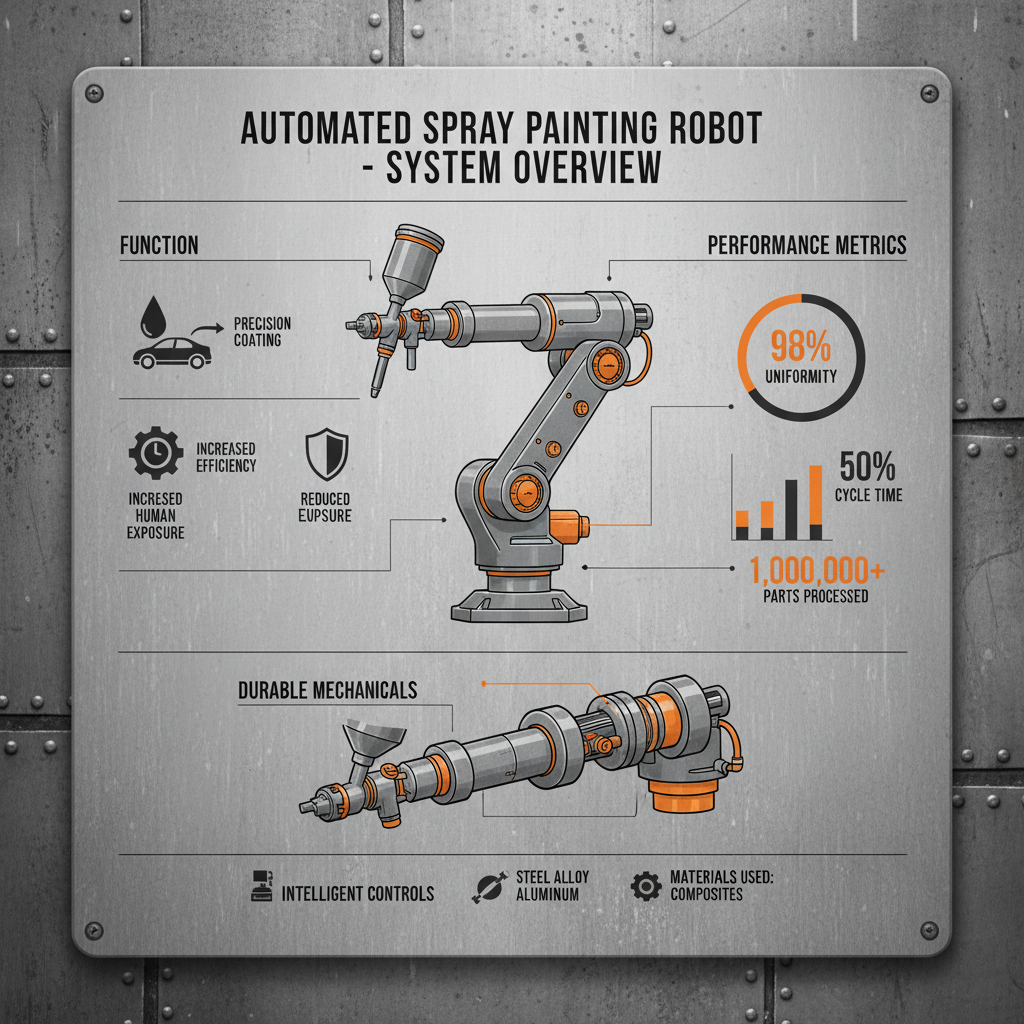
Evaluating the performance of an automatic spray painting robot requires analyzing several key metrics. These include paint transfer efficiency (the percentage of paint that adheres to the surface versus waste), coating uniformity (consistency of paint thickness across the surface), cycle time (the time required to complete a painting cycle), and defect rate (the number of parts requiring rework due to painting flaws).
Efficiency analysis often involves comparing the performance of the robotic system to traditional manual painting methods. Factors considered include labor costs, material costs, energy consumption, and overall throughput.
automatic spray painting robot Performance Comparison
Global Applications Across Industries
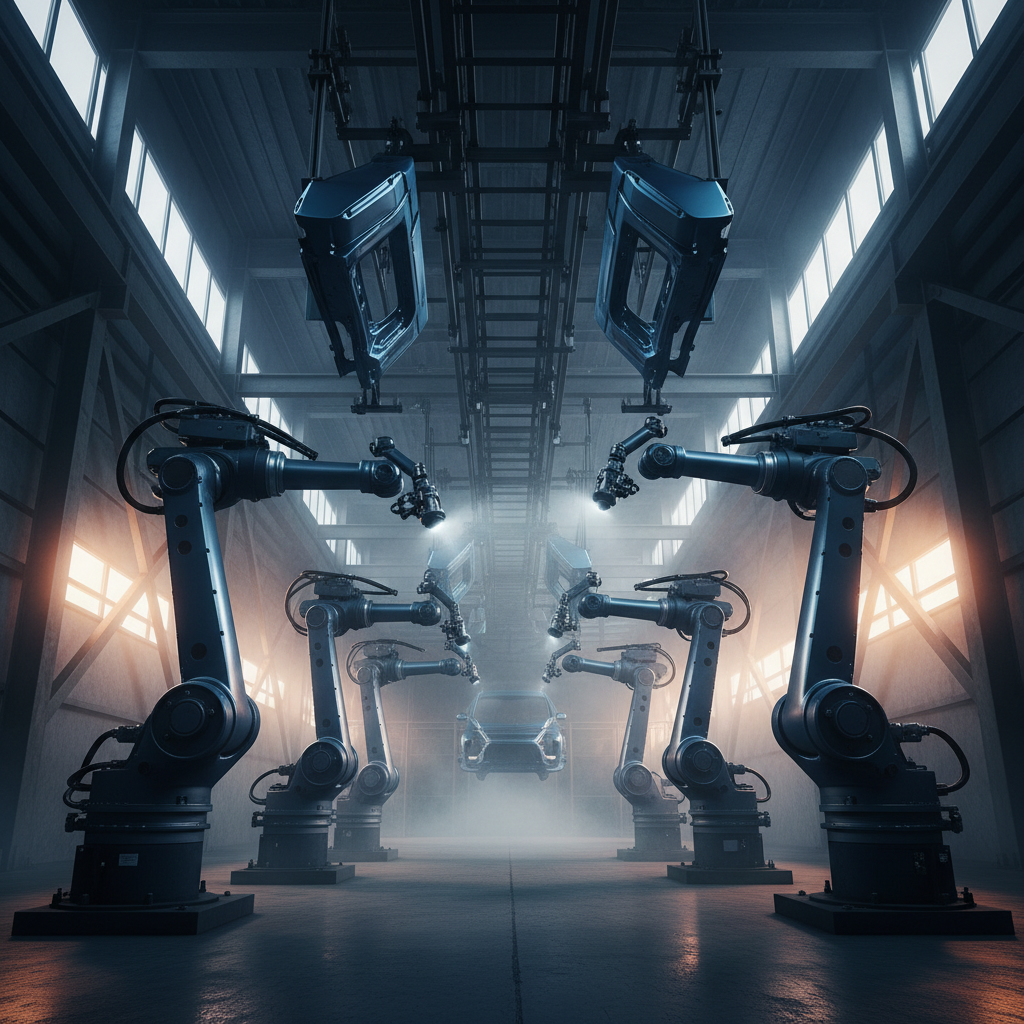
The applications of automatic spray painting robots are incredibly diverse. In the automotive industry, they are used extensively for painting car bodies, ensuring a consistent and durable finish. The aerospace sector utilizes them for applying protective coatings to aircraft components, meeting stringent quality and safety standards.
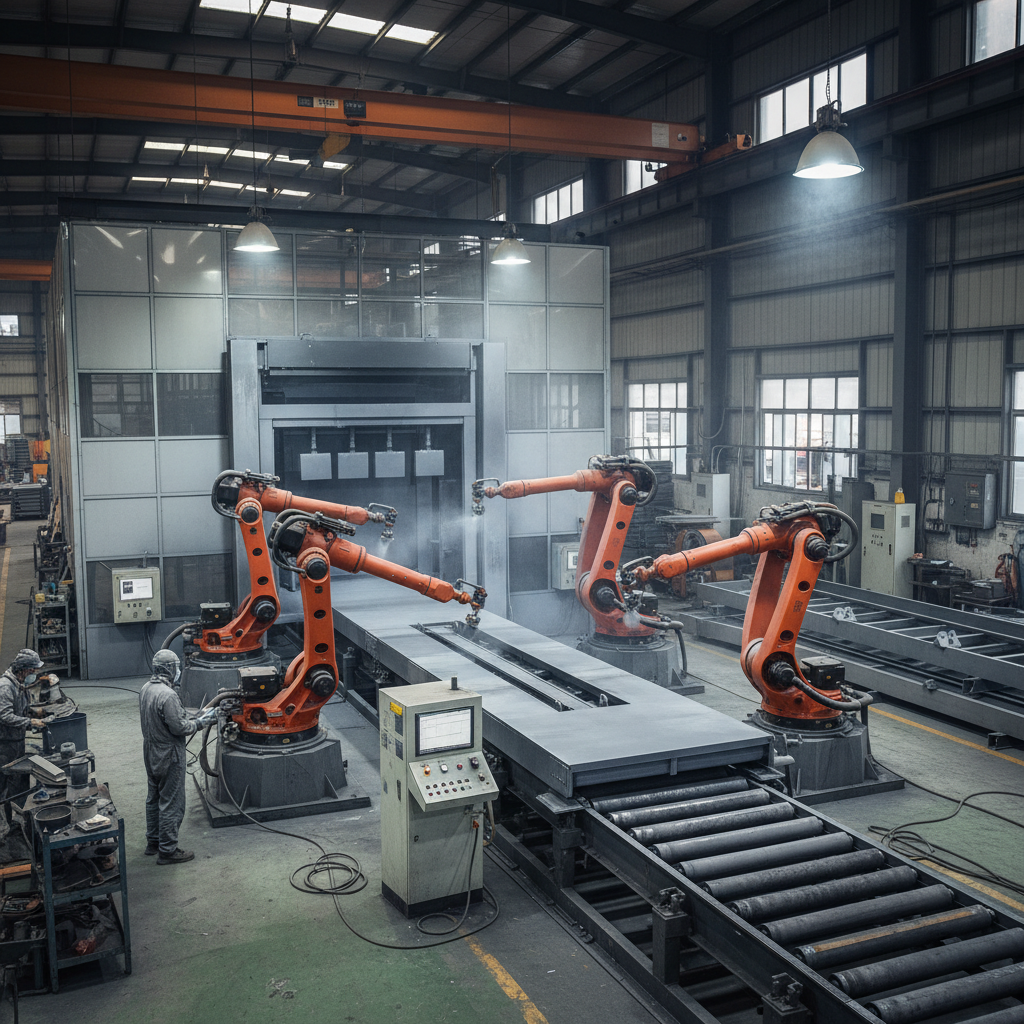
Beyond these core industries, robots are also finding increasing use in furniture manufacturing, applying coatings to wooden and metal furniture; in the electronics industry, coating circuit boards and electronic enclosures; and in general manufacturing, painting a wide variety of products from appliances to industrial equipment.
Advantages and Return on Investment
The advantages of deploying an automatic spray painting robot are multifaceted. Tangible benefits include reduced labor costs, increased production throughput, improved paint transfer efficiency (reducing material waste), and consistent high-quality finishes. The robots operate tirelessly and precisely, minimizing defects and rework.
Beyond the quantifiable benefits, these robots also enhance worker safety by removing employees from hazardous painting environments. Investing in this technology demonstrates a commitment to innovation, sustainability, and employee well-being, building trust with customers and stakeholders. The long-term return on investment is often significant, driven by reduced operating costs and increased productivity.
The emotional impact of these advantages should not be overlooked. Safer working conditions lead to increased employee morale and satisfaction. High-quality, consistently finished products enhance brand reputation and customer loyalty.
Future Trends and Technological Advancements
The future of automatic spray painting robots is poised for significant advancements. We are seeing a growing trend towards incorporating artificial intelligence and machine learning to optimize painting processes in real-time, adapting to changing conditions and improving efficiency. Developments in sensor technology, particularly 3D vision systems, will enable robots to handle even more complex geometries and achieve greater precision.
Sustainability is also a key driver of innovation. Research is focused on developing robots that can utilize environmentally friendly coatings and minimize waste. The integration of digital twin technology will allow companies to simulate and optimize painting processes virtually, reducing the need for physical prototyping and experimentation.
Furthermore, the move towards collaborative robots (cobots) that can work safely alongside human operators will likely become more prevalent, allowing for greater flexibility and adaptability in manufacturing environments.
Key Factors Influencing the Future Development of Automatic Spray Painting Robot
| Technology |
Impact on Robot Performance |
Adoption Rate (1-10) |
Implementation Challenges |
| AI-Powered Control Systems |
Enhanced precision, adaptability, and reduced waste |
7 |
Data integration, algorithm development |
| 3D Vision Systems |
Improved handling of complex geometries and surface variations |
8 |
Cost, data processing requirements |
| Sustainable Coating Technologies |
Reduced environmental impact, improved worker safety |
6 |
Performance trade-offs, cost |
| Digital Twin Integration |
Optimized processes, reduced prototyping costs |
5 |
Model accuracy, data synchronization |
| Collaborative Robotics (Cobots) |
Increased flexibility, enhanced human-robot collaboration |
9 |
Safety regulations, integration with existing systems |
| Remote Monitoring and Control |
Improved uptime, reduced maintenance costs |
7 |
Cybersecurity, network connectivity |
FAQS
The payback period for an automatic spray painting robot investment typically ranges from 18 months to 3 years, depending on factors such as production volume, labor costs, material waste reduction, and the specific model chosen. The significant reductions in labor, material, and rework costs usually offset the initial investment within a relatively short timeframe. A thorough cost-benefit analysis tailored to your specific operations is crucial for accurate forecasting.
While automatic spray painting robots are sophisticated, they are designed to be user-friendly. Basic operation requires training on the robot's control system and programming interface. However, advanced maintenance and troubleshooting typically necessitate skilled technicians with robotics and automation experience. Many manufacturers offer comprehensive training programs and ongoing support services to ensure smooth operation and minimize downtime.
Yes, modern automatic spray painting robots are versatile and can handle a wide range of paint types, including water-based, solvent-based, powder coatings, and more. They can also be adapted to paint various materials, such as metal, plastic, wood, and composites. The specific capabilities depend on the robot's configuration and the spray gun used.
Safety is a paramount concern in robotic systems. automatic spray painting robots are equipped with numerous safety features, including light curtains, safety scanners, emergency stop buttons, and physical barriers to prevent accidental contact. They are designed to operate safely alongside human workers and comply with relevant safety standards and regulations.
Integration with existing manufacturing systems is a critical aspect of implementation. automatic spray painting robots can be integrated with PLCs, MES systems, and other automation components using standard communication protocols. Manufacturers typically provide integration support and can customize solutions to meet specific requirements. Proper integration ensures seamless data flow and optimized process control.
Automatic spray painting robots offer significant environmental benefits. They minimize paint waste through precise application, reduce VOC emissions by optimizing spray parameters, and lower energy consumption compared to manual painting processes. These factors contribute to a more sustainable and environmentally responsible manufacturing operation, aligning with increasingly stringent environmental regulations.
Conclusion
In conclusion, the automatic spray painting robot represents a transformative technology with far-reaching implications for the manufacturing industry. Its ability to enhance efficiency, improve quality, reduce costs, and promote worker safety makes it an increasingly essential investment for businesses seeking to remain competitive in today’s global market. From automotive and aerospace to furniture and electronics, the applications are diverse and continue to expand.
Looking ahead, continued innovation in AI, sensor technology, and sustainable coating materials will further unlock the potential of these robots. By embracing this technology, companies can not only optimize their operations but also contribute to a more sustainable and ethical industrial landscape. To learn more about how an automatic spray painting robot can benefit your business, visit our website: www.yeedtech.com.