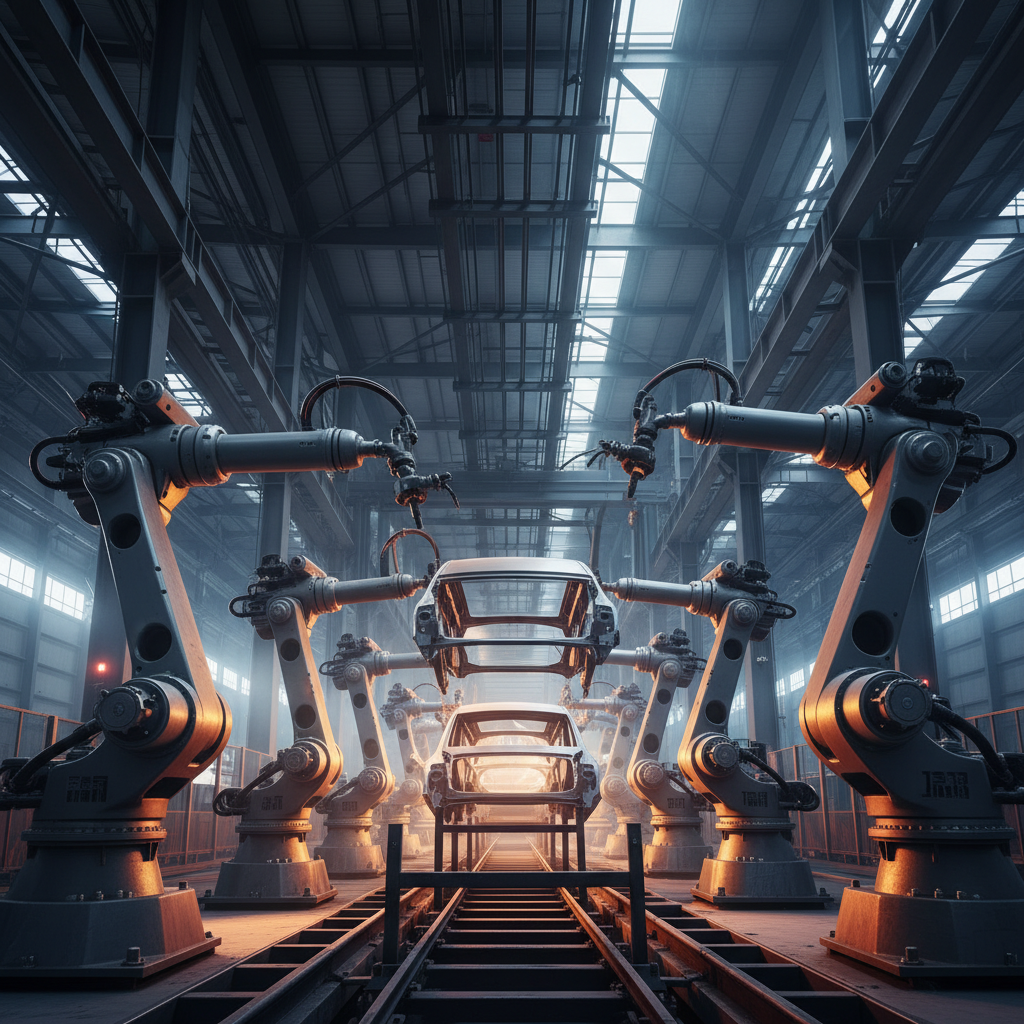
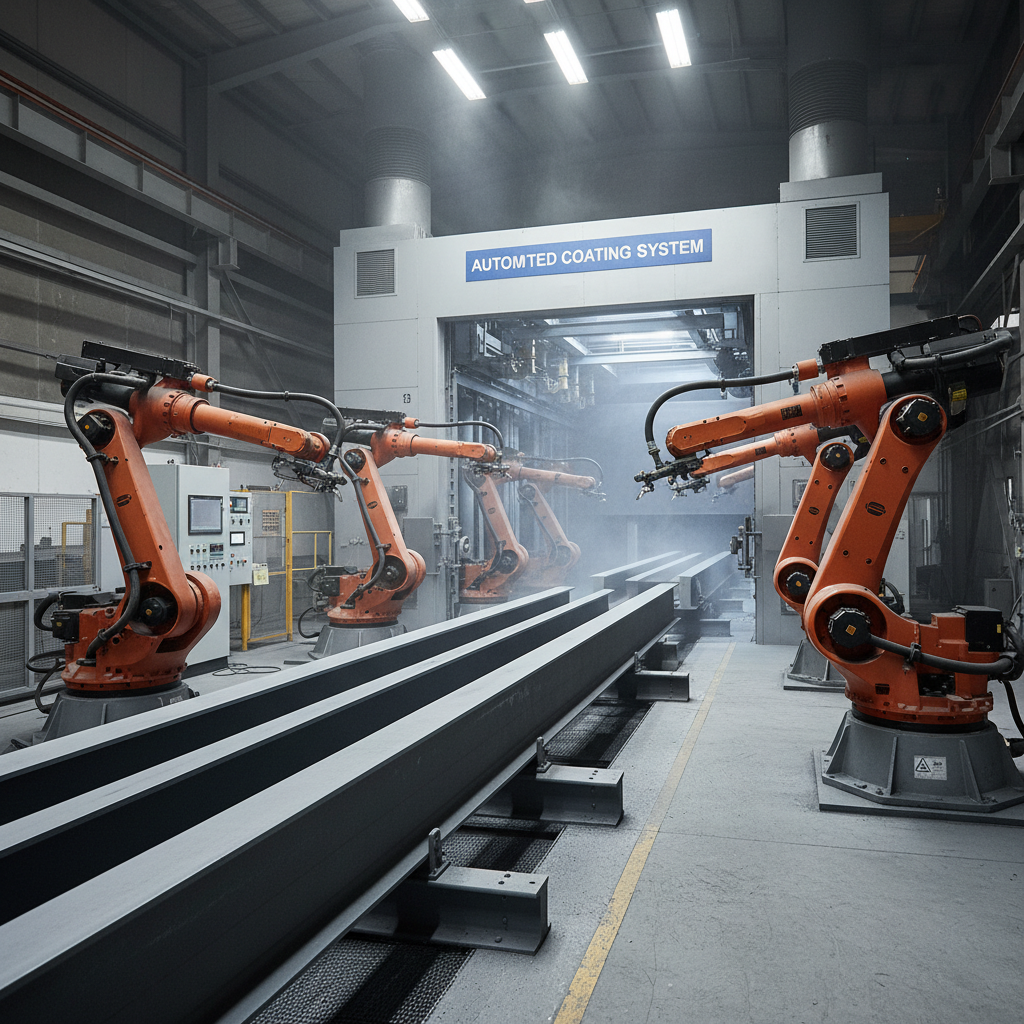
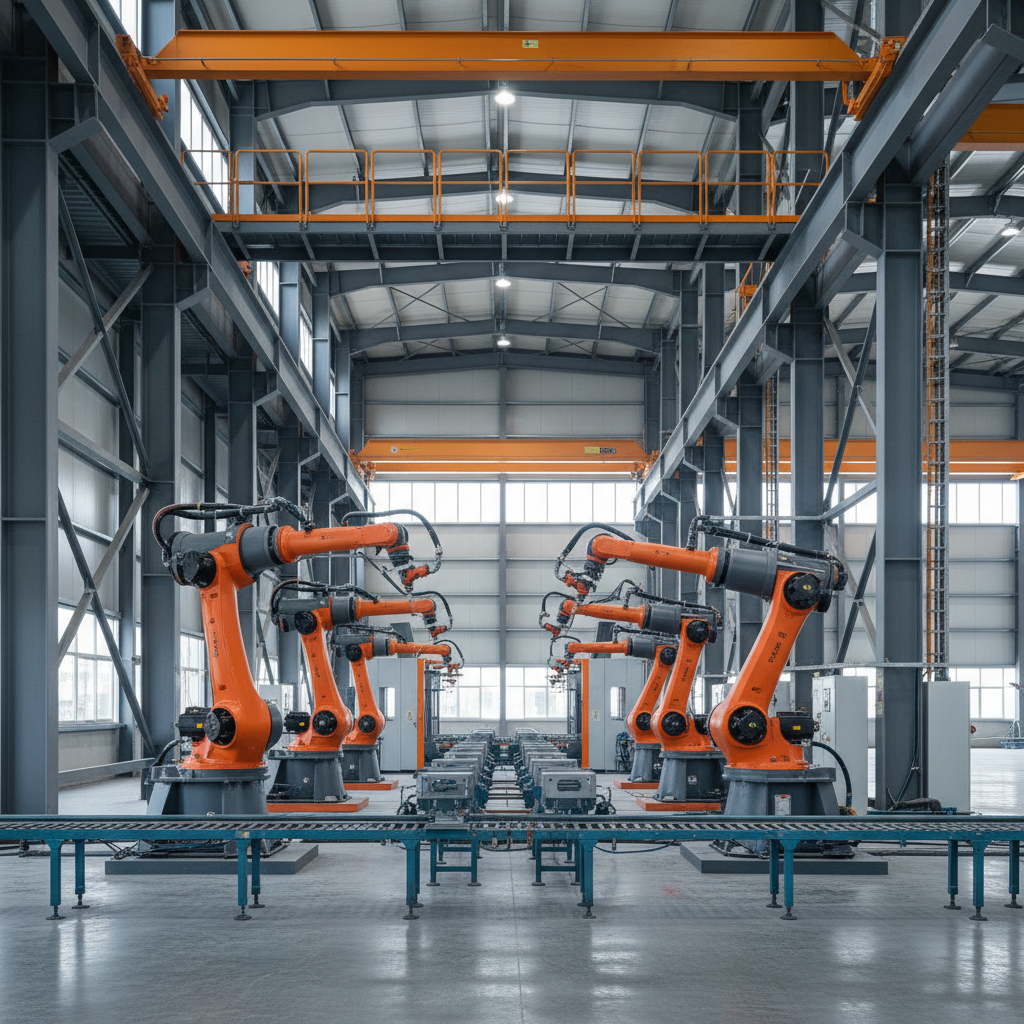
Automatic spray painting represents a significant advancement in coating technologies, offering efficient and versatile solutions across diverse industries. Its impact extends beyond simple aesthetics, playing a crucial role in corrosion protection, product durability, and streamlined manufacturing processes. Understanding the principles and applications of automatic spray painting is increasingly vital for businesses aiming to optimize operations and reduce costs in today’s competitive landscape.
Globally, the demand for high-quality, consistently applied coatings is driving the adoption of automatic spray painting systems. From automotive manufacturing to aerospace engineering and consumer goods production, businesses are seeking reliable methods to enhance product performance and longevity. This trend is further amplified by increasing environmental regulations that necessitate precise control over coating materials and waste reduction, capabilities inherent in automated systems.
The rise of automatic spray painting aligns with the broader shift towards Industry 4.0 and smart manufacturing. By integrating robotic systems, advanced sensors, and real-time data analysis, these technologies promise increased efficiency, reduced material waste, and improved product quality, positioning them as a key component of modern industrial infrastructure.
Introduction to Automatic Spray Painting
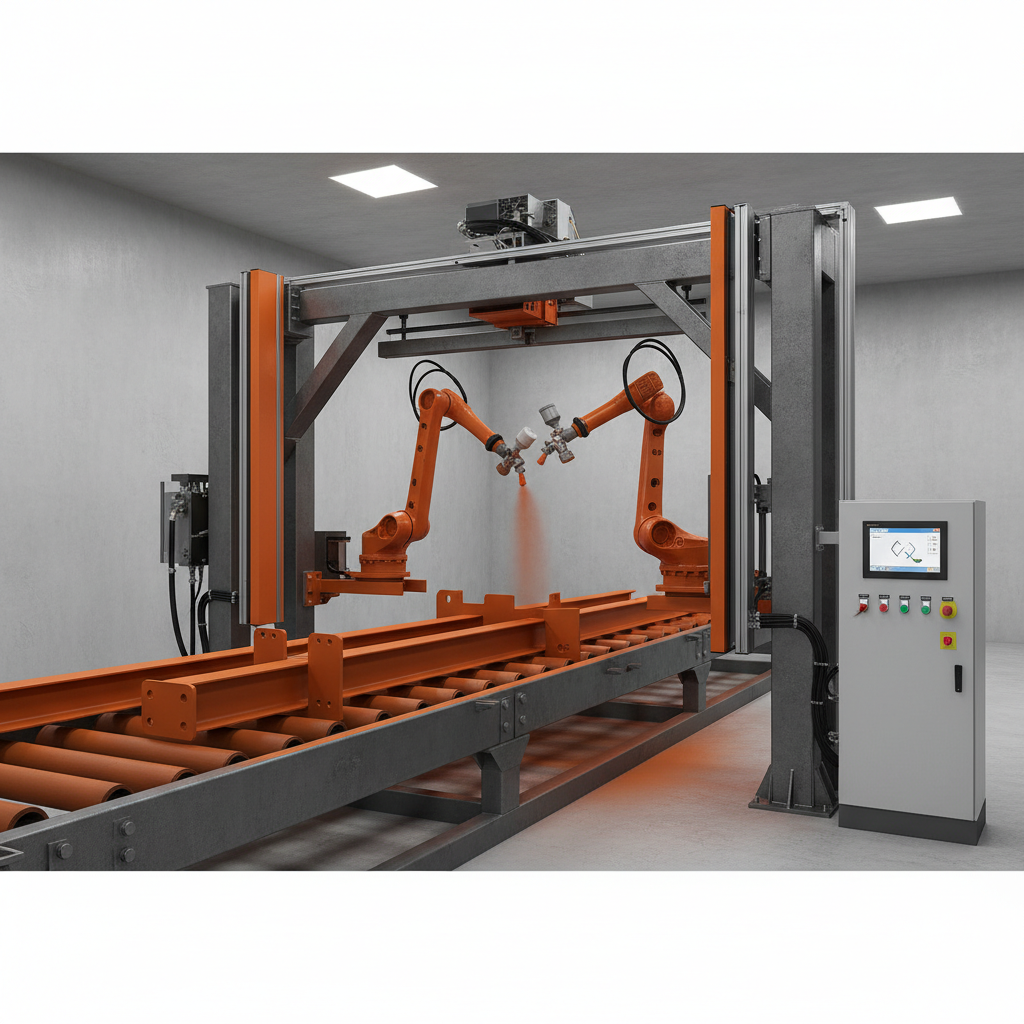
Automatic spray painting fundamentally transforms the coating process, moving away from manual labor and towards robotic precision. This involves utilizing programmable robots equipped with spray guns to apply coatings onto surfaces consistently and efficiently. The core benefit lies in achieving uniform coverage, reducing material waste, and increasing production throughput compared to traditional manual spraying techniques.
This technology isn’t simply about replacing human workers; it’s about enhancing capabilities. Automatic spray painting allows for complex geometries and intricate designs to be coated with accuracy, opening doors for innovative product development and customized solutions. It’s a key enabler for modern manufacturing processes striving for enhanced quality and reduced operational costs.
Global Relevance and Industry Context
The global coatings market is a multi-billion dollar industry, driven by demand from sectors like automotive, construction, aerospace, and marine. According to market research reports, the demand for automated coating solutions is experiencing substantial growth, projected to reach significant figures in the coming years. This growth is fueled by increasing pressures to improve efficiency, reduce costs, and meet stringent environmental regulations.
The United Nations Sustainable Development Goals (SDGs), particularly those related to responsible consumption and production (SDG 12) and industry, innovation, and infrastructure (SDG 9), align directly with the benefits of automatic spray painting. Reducing material waste and optimizing manufacturing processes contribute to sustainable practices, while the technology fosters innovation and improves industrial competitiveness.
A significant challenge within the coatings industry is the variability in manual spraying, which leads to inconsistencies in coating thickness, increased material waste, and potential quality control issues. Automatic spray painting addresses this challenge directly by providing a controlled and repeatable process, resulting in superior coating quality and reduced operational expenses.
Defining Automatic Spray Painting
Automatic spray painting is a coating process where paint or other liquid coatings are applied to a surface using robotic systems and pre-programmed parameters. Unlike manual spraying, which relies on human skill and judgment, automatic systems deliver consistent results through precise control of spray gun movement, flow rate, and coating thickness.
This technology extends beyond simply automating the spraying action. Modern automatic spray painting solutions often incorporate advanced sensors, vision systems, and real-time data analysis to optimize the process and adapt to changing conditions. This allows for precise coating application even on complex geometries and varying surface textures, significantly improving product quality.
Its connection to modern industry is profound. Automatic spray painting is not just about aesthetics; it’s integral to protecting surfaces from corrosion, abrasion, and environmental damage. In humanitarian needs, it's utilized in quick-deployment housing projects, ensuring durability and shelter in disaster relief scenarios – applications heavily reliant on efficient and reliable coating processes.
Key Factors in Automatic Spray Painting
Several core factors contribute to the effectiveness and benefits of automatic spray painting. First, Precision is paramount. Robotic systems ensure accurate coating thickness and uniform coverage, minimizing defects and maximizing product lifespan. Second, Efficiency is significantly improved, reducing material waste and increasing production throughput.
Third, Consistency is a hallmark of automated systems, eliminating the variability inherent in manual spraying and ensuring uniform quality across all products. Fourth, Flexibility allows for quick adaptation to different coating types, materials, and part geometries, making it ideal for diverse manufacturing needs.
Comparison of Automatic Spray Painting Methods
Applications Across Industries
Automatic spray painting finds diverse applications across numerous industries. In the automotive sector, it’s vital for applying primers, base coats, and clear coats to vehicle bodies, ensuring a durable and aesthetically pleasing finish. The aerospace industry utilizes it for coating aircraft components, providing crucial protection against corrosion and extreme environmental conditions.
Furthermore, it is crucial in the furniture industry for applying finishes to wood and metal furniture, enhancing both appearance and durability. In post-disaster relief operations, rapid deployment housing units often rely on automatic spray painting for weatherproofing and structural integrity. In remote industrial zones, where skilled labor is scarce, automatic systems provide a reliable and consistent coating solution.
Advantages and Long-Term Value
The advantages of automatic spray painting extend far beyond immediate cost savings. The precise control over coating materials leads to reduced waste, lowering material costs and minimizing environmental impact. Increased production throughput translates into higher revenues and faster time-to-market.
Long-term, the improved quality and durability of coated products enhance brand reputation and customer satisfaction. The reduced need for rework and repairs minimizes ongoing maintenance costs. From a social impact perspective, automated systems can create safer working conditions by removing workers from hazardous spraying environments, fostering greater trust and reliability in the manufacturing process.
Future Trends and Innovations
The future of automatic spray painting is intertwined with advancements in robotics, artificial intelligence, and sustainable materials. We can expect to see increased integration of AI-powered vision systems for real-time defect detection and automated adjustments to spraying parameters. The development of more environmentally friendly coating materials, such as water-based and powder coatings, will drive demand for specialized spraying equipment.
Digital twin technology will play an increasing role, allowing for virtual simulation and optimization of coating processes before implementation. The adoption of collaborative robots (cobots) will enable humans and robots to work together more safely and efficiently, further enhancing flexibility and productivity. Sustainable practices, leveraging green energy sources to power automated systems, will become increasingly important.
Moreover, the convergence of automation and data analytics will empower predictive maintenance, minimizing downtime and maximizing the lifespan of equipment. This continuous improvement cycle, fueled by technological innovation, will solidify automatic spray painting’s position as a cornerstone of modern manufacturing.
FAQS
The initial investment for automatic spray painting varies widely depending on the scale of the operation, the complexity of the parts being coated, and the level of automation desired. Costs include the robotic system, spray equipment, safety enclosures, programming, and integration. However, these upfront costs are often offset by long-term savings in labor, materials, and reduced waste. A typical small-scale setup can range from $50,000 to $200,000, while large, fully automated systems can exceed $500,000.
Comprehensive training is crucial for successful implementation. Operators require training in robot programming, safety protocols, system maintenance, and troubleshooting. Training programs are typically offered by the equipment manufacturers or specialized training providers. The duration of training varies from a few days to several weeks, depending on the complexity of the system and the operators' existing skill levels. Ongoing training is recommended to keep staff updated on new features and best practices.
Automatic spray painting systems can handle a wide range of coatings, including paints, varnishes, lacquers, primers, and specialty coatings like powder coatings and UV coatings. However, the specific type of spray equipment and robot programming may need to be adjusted depending on the viscosity, flow characteristics, and other properties of the coating material. It’s crucial to consult with the equipment manufacturer to ensure compatibility.
Automatic spray painting significantly enhances environmental sustainability by reducing material waste, minimizing VOC emissions, and optimizing energy consumption. The precise control over coating application ensures that only the necessary amount of material is used, minimizing overspray and waste. Furthermore, automated systems can be integrated with air filtration and recovery systems to capture and reuse solvents, further reducing environmental impact.
Safety is paramount when operating automatic spray painting equipment. Essential precautions include proper ventilation to remove hazardous fumes, the use of personal protective equipment (PPE) such as respirators and safety glasses, and the implementation of safety interlocks and barriers to prevent accidental contact with the robotic system. Regular safety inspections and training are crucial to ensure a safe working environment.
Integration complexity varies depending on the existing production line layout and level of automation. Often, some modifications to the conveyor system or workpiece handling mechanisms are required. Experienced system integrators can assess the existing infrastructure and develop a customized integration plan. Factors to consider include space constraints, power requirements, and communication protocols between the robotic system and other equipment.
Conclusion
Automatic spray painting represents a transformative technology for industries seeking improved efficiency, enhanced quality, and reduced costs. Its ability to deliver precise, consistent coatings while minimizing waste and environmental impact positions it as a crucial component of modern manufacturing processes. The ongoing advancements in robotics, AI, and sustainable materials promise even greater benefits in the years to come.
Investing in automatic spray painting isn’t just about adopting a new technology; it’s about embracing a future of smart manufacturing and sustainable practices. We encourage businesses to explore the potential of this technology to optimize their operations, enhance their competitiveness, and contribute to a more responsible and efficient industrial landscape. Visit our website at www.yeedtech.com to learn more.