Automatic spray paint represents a pivotal advancement in coating technology, streamlining processes and expanding application possibilities across numerous sectors. Initially developed for industrial efficiency, its benefits now extend to disaster relief, infrastructure development, and artistic expression. The core advantage lies in its speed, portability, and reduced reliance on skilled labor, offering a cost-effective and readily deployable solution for a wide range of coating needs.
Globally, the demand for efficient and sustainable coating solutions is surging, driven by infrastructure growth in emerging economies and a growing focus on environmental responsibility. Traditional painting methods often suffer from limitations in speed, consistency, and environmental impact. automatic spray paint addresses these challenges directly, enabling faster project completion, reduced material waste, and improved coating quality. This innovation is increasingly crucial in addressing urgent needs worldwide.
This technology is particularly relevant in contexts where time is of the essence, such as post-disaster recovery or rapid infrastructure deployment. Its scalability and adaptability make it a versatile tool for projects ranging from small-scale repairs to large-scale construction endeavors. Ultimately, automatic spray paint is more than just a coating method; it's a facilitator of progress and resilience.
The Rise of Automatic Spray Paint
The evolution of coating technology has been a gradual process, from manual brush application to sophisticated automated systems. automatic spray paint represents a significant leap forward, combining the efficiency of robotics with the precision of spray application. This has dramatically reduced application times and labor costs in numerous industries.
Initially adopted in large-scale manufacturing, the technology has become increasingly accessible due to advancements in portable and self-contained units. This democratization of the technology allows for deployment in diverse environments, from construction sites to remote disaster zones, making it a versatile solution for a wide range of coating needs.
Defining Automatic Spray Paint
Automatic spray paint refers to a coating application process utilizing automated equipment – typically robots or specialized machines – to dispense paint or other coatings. Unlike traditional methods relying on manual labor, these systems employ programmed movements and controlled parameters to ensure consistent and efficient coverage.
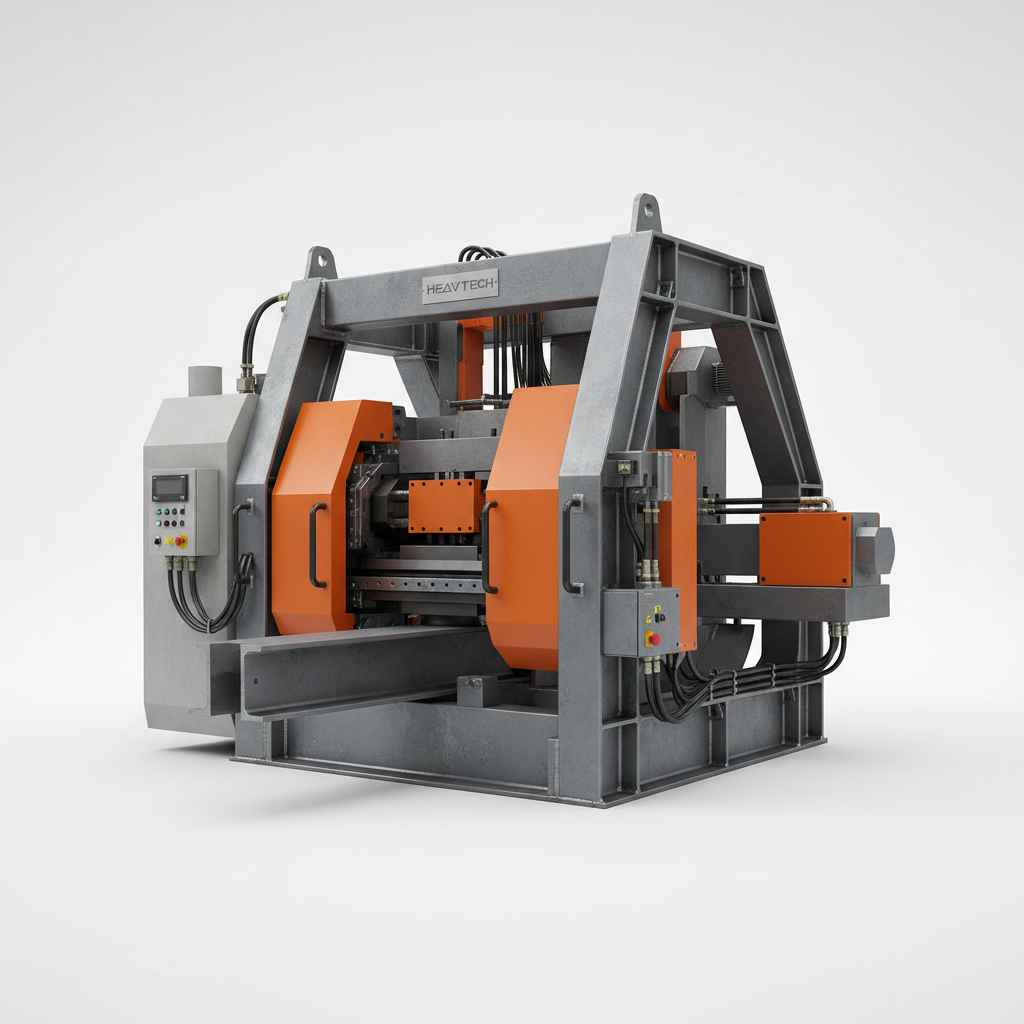
This technology encompasses a range of techniques, including electrostatic spraying, airless spraying, and robotic arm applications. The specific method chosen depends on the coating material, the substrate being coated, and the desired finish quality. automatic spray paint isn’t just about automation; it's about precision and control.
Its connection to modern industry and humanitarian needs stems from its ability to rapidly and consistently apply protective and aesthetic coatings, improving product durability, enhancing safety standards, and accelerating infrastructure projects.
Core Components and Factors
Several key factors contribute to the effectiveness of automatic spray paint systems. Durability is paramount, ensuring the coating withstands environmental factors and prolonged use. The quality of the coating material itself is crucial, influencing adhesion, resistance to corrosion, and overall lifespan.
Scalability is another vital component, enabling the system to adapt to projects of varying sizes and complexities. From small-batch production to large-scale infrastructure projects, the ability to adjust output and coating parameters is essential. Cost-efficiency, stemming from reduced labor costs and material waste, significantly impacts project feasibility.
Furthermore, Precision and Consistency are defining characteristics, delivering uniform coating thickness and minimizing defects. Finally, Portability and ease of deployment are increasingly important, allowing for on-site application in remote or challenging environments. These factors collectively define the capabilities and potential of automatic spray paint.
Key Advantages of Automatic Spray Paint Applications
The benefits of utilizing automatic spray paint extend beyond simple efficiency gains. Reduced material waste is a significant advantage, as automated systems precisely control the amount of coating applied, minimizing overspray and runoff. This not only lowers costs but also reduces environmental impact.
Improved worker safety is another critical benefit. By automating the coating process, exposure to hazardous chemicals and fumes is significantly reduced, creating a safer working environment. Moreover, the consistent coating quality achieved through automation enhances product reliability and longevity.
Automatic Spray Paint Application Performance
Global Applications and Real-World Use Cases
In post-disaster relief operations, automatic spray paint offers a rapid and effective means of applying protective coatings to temporary shelters, improving their durability and resistance to the elements. Similarly, in remote industrial zones, where access to skilled labor is limited, automated systems can ensure consistent coating quality for critical infrastructure.
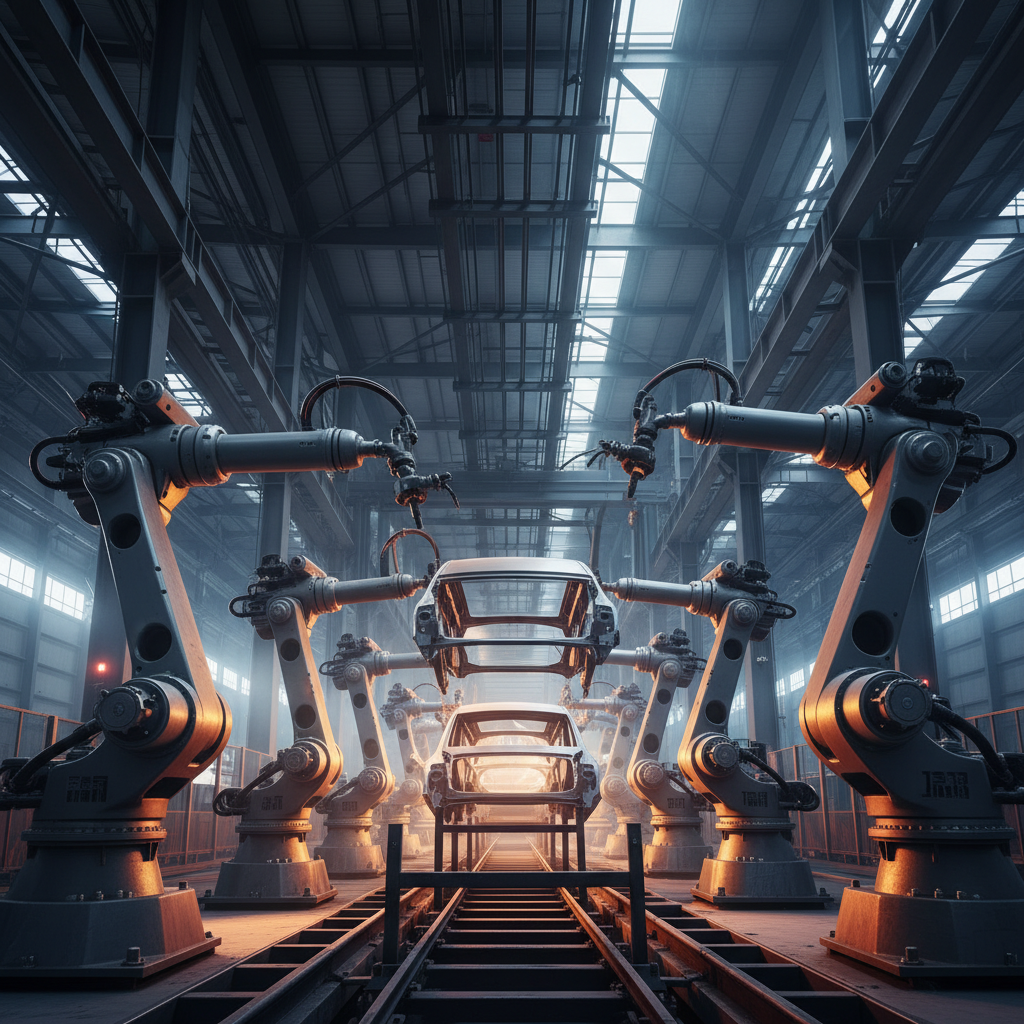
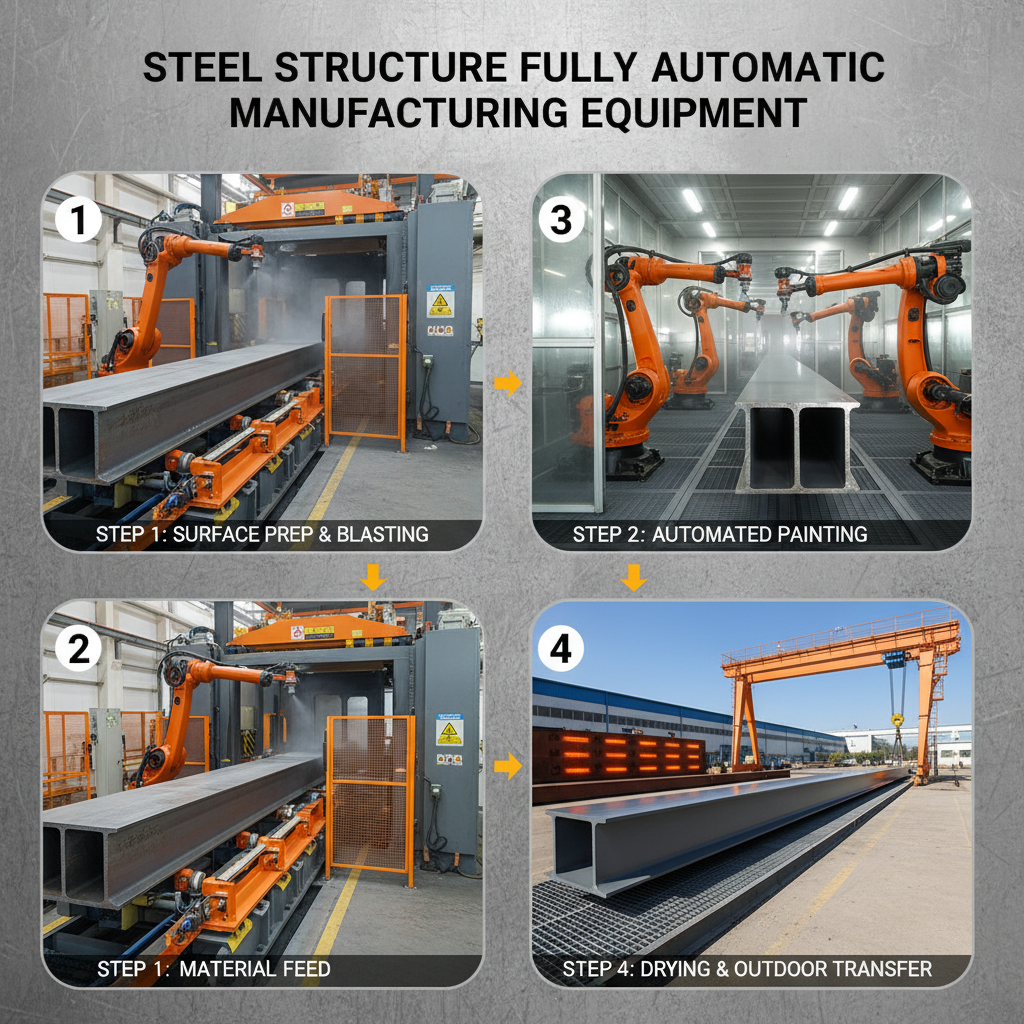
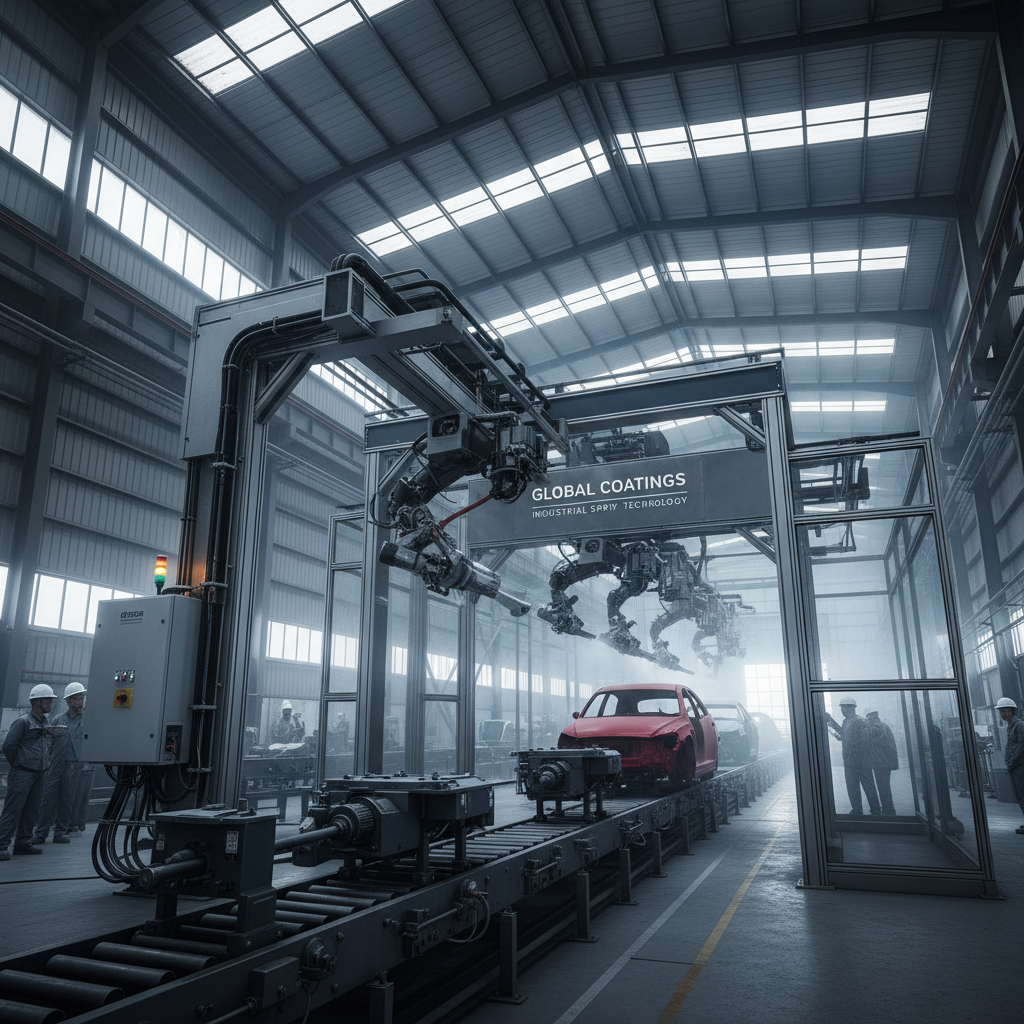
The automotive industry has long embraced automatic spray paint for efficient and high-quality vehicle finishing. The aerospace sector utilizes it for applying specialized coatings that enhance performance and protect against extreme conditions. Furthermore, the construction industry leverages this technology for coating steel structures, bridges, and other infrastructure components, extending their lifespan and reducing maintenance costs.
Long-Term Value and Benefits
The long-term value of automatic spray paint extends far beyond immediate cost savings. The increased durability of coated structures translates to reduced maintenance and repair expenses, minimizing lifecycle costs. The improved environmental performance, through reduced material waste and lower VOC emissions, contributes to sustainable practices and responsible resource management.
From a social impact perspective, the technology enhances worker safety, fostering a more secure and productive work environment. The reliability and consistency of automated coating processes build trust and confidence in the quality of finished products. automatic spray paint ultimately delivers a compelling return on investment, driven by economic, environmental, and social benefits.
Future Trends and Challenges
The future of automatic spray paint is poised for further innovation, driven by advancements in robotics, materials science, and digital technologies. The integration of artificial intelligence (AI) and machine learning (ML) will enable even more precise and adaptive coating processes, optimizing performance and minimizing waste.
The development of environmentally friendly coating materials, such as bio-based polymers and low-VOC formulations, will further enhance the sustainability of the technology. Furthermore, the adoption of digital twins and predictive maintenance will optimize system performance and minimize downtime.
However, challenges remain. The initial investment cost can be a barrier to entry for some businesses, and the need for specialized training and maintenance personnel must be addressed. Overcoming these challenges will require continued research, development, and collaboration across industry and academia.
Summary of Future Trends and Challenges
| Trend/Challenge |
Impact Level (1-10) |
Timeline (Short/Medium/Long) |
Mitigation Strategy |
| AI/ML Integration |
9 |
Medium |
Invest in data analytics and algorithm development |
| Sustainable Materials |
8 |
Long |
Research and adopt bio-based and low-VOC coatings |
| Initial Investment Cost |
7 |
Short |
Explore leasing options and demonstrate ROI |
| Skilled Workforce Gap |
6 |
Medium |
Develop specialized training programs and certifications |
| Digital Twin Adoption |
7 |
Long |
Invest in simulation software and data integration platforms |
| Predictive Maintenance |
8 |
Medium |
Implement sensor networks and data analytics for condition monitoring |
FAQS
Implementing automatic spray paint significantly reduces labor costs, as it minimizes the need for manual operators. Furthermore, it decreases material waste through precise application and reduces downtime due to faster coating times and improved process control. The combined effect results in substantial savings over the lifespan of a project, making it a cost-effective investment for businesses of all sizes.
Automatic spray paint minimizes overspray and material waste, lessening the environmental impact associated with traditional coating methods. Many systems can accommodate low-VOC or water-based coatings, further reducing harmful emissions. The precise application also optimizes coating performance, extending product lifespan and reducing the need for frequent re-coating, ultimately conserving resources.
While the systems are automated, specialized training is required for operation, programming, and maintenance. Training typically covers robot programming, coating parameter optimization, safety procedures, and troubleshooting techniques. Manufacturers often provide comprehensive training programs or collaborate with technical schools to deliver specialized courses.
Yes, automatic spray paint systems are versatile and can be adapted to coat a wide range of surfaces and materials, including metals, plastics, wood, and composites. The specific coating material and application parameters must be adjusted based on the substrate's properties to ensure proper adhesion and finish quality.
Safety is paramount when implementing automatic spray paint. Proper ventilation is essential to remove fumes and ensure a safe working environment. Robot safety features, such as light curtains and emergency stop buttons, must be implemented and regularly maintained. Workers should receive thorough training on safety procedures and wear appropriate personal protective equipment (PPE).
Both automatic spray paint and powder coating offer excellent durability, but they differ in cost and application. Powder coating typically requires a higher initial investment for equipment, but generates less waste. Automatic spray paint is often more versatile with coatings, but requires careful ventilation to manage fumes. The best choice depends on specific application needs and budget constraints.
Conclusion
In conclusion, automatic spray paint represents a transformative technology with far-reaching implications across numerous industries and applications. Its ability to enhance efficiency, reduce costs, improve safety, and promote sustainability makes it a critical tool for addressing contemporary challenges in manufacturing, infrastructure development, and disaster relief. The benefits extend beyond mere operational improvements, fostering a more resilient and responsible approach to coating processes.
Looking ahead, continued innovation in robotics, materials science, and digital technologies will further unlock the potential of automatic spray paint. Embracing this technology is not simply a matter of adopting a new process; it’s about investing in a more sustainable, efficient, and secure future. Visit our website at www.yeedtech.com to learn more about how automatic spray paint can benefit your organization.