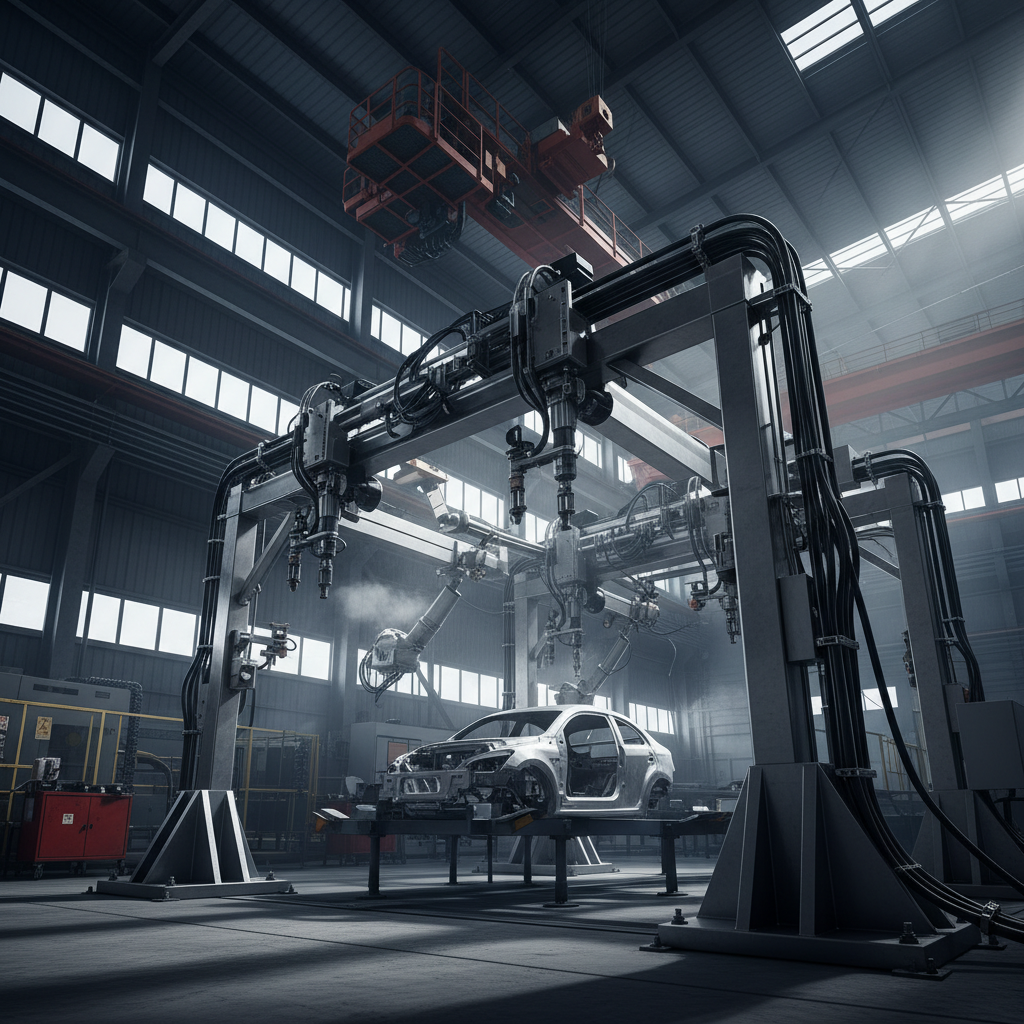
Steel structure processing equipment represents a cornerstone of modern infrastructure development, playing a vital role in construction, manufacturing, and various industrial applications globally. From prefabricated buildings to complex machinery, the efficiency and precision offered by this equipment are essential for meeting the growing demands of a rapidly urbanizing world. Understanding the nuances of steel structure processing equipment is crucial for engineers, architects, contractors, and policymakers alike, impacting project timelines, budget allocation, and overall structural integrity.
The global market for steel structure processing equipment is experiencing significant growth, driven by factors such as increased investment in infrastructure projects, particularly in emerging economies, and a growing emphasis on prefabricated and modular construction techniques. Organizations like the UN and the World Bank highlight the importance of resilient infrastructure for sustainable development, fueling demand for advanced processing technologies. This growth isn't without its challenges, including the need for skilled labor, adherence to stringent safety standards, and ongoing innovation to improve efficiency and sustainability.
The benefits of effectively utilizing steel structure processing equipment extend beyond mere cost savings. It offers enhanced construction speed, reduced on-site waste, and improved structural accuracy, ultimately leading to safer and more durable buildings and infrastructure. These benefits are particularly critical in disaster-prone areas, where rapid deployment of robust structures is paramount, and in remote locations where logistical challenges necessitate efficient construction methods. steel structure processing equipment is therefore integral to modern progress.
The Importance of Steel Structure Processing Equipment
Modern construction and manufacturing rely heavily on precise and efficient steel processing. The quality and speed of fabrication directly impact project success, making advanced steel structure processing equipment indispensable. Without these tools, projects face delays, increased costs, and potentially compromised structural integrity.
Furthermore, the ability to customize steel components to specific design requirements is a crucial benefit provided by this equipment. This flexibility is particularly important in architectural projects where unique and innovative designs are often desired. The development and adoption of steel structure processing equipment are, therefore, vital for pushing the boundaries of what's structurally possible.
Defining Steel Structure Processing Equipment
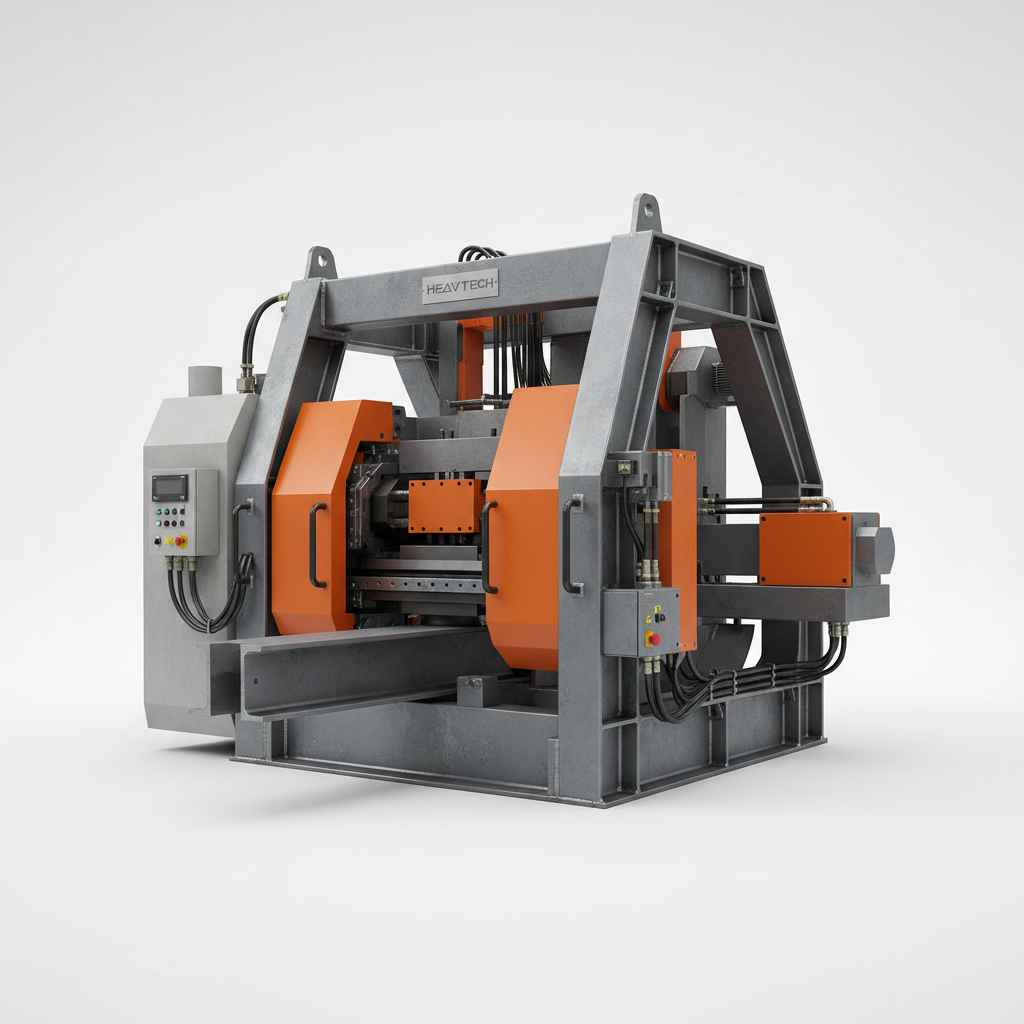
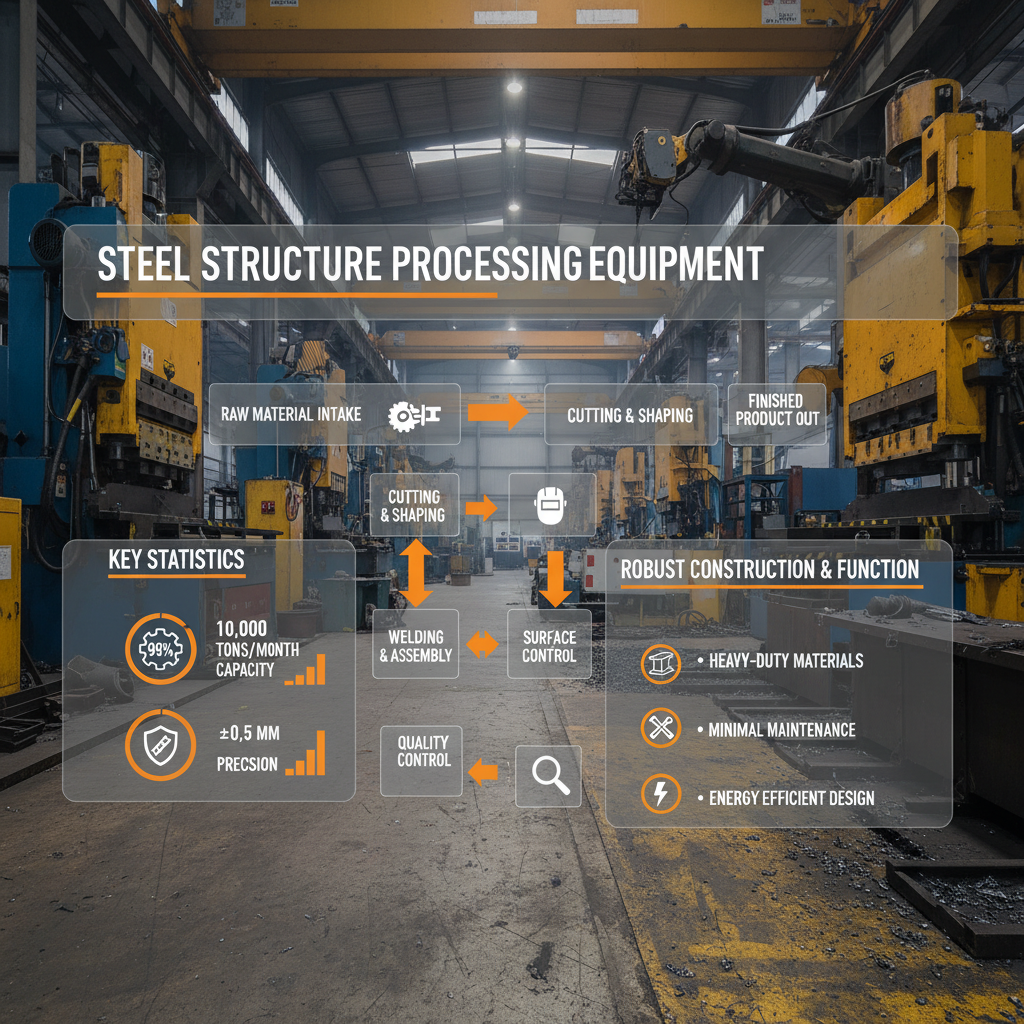
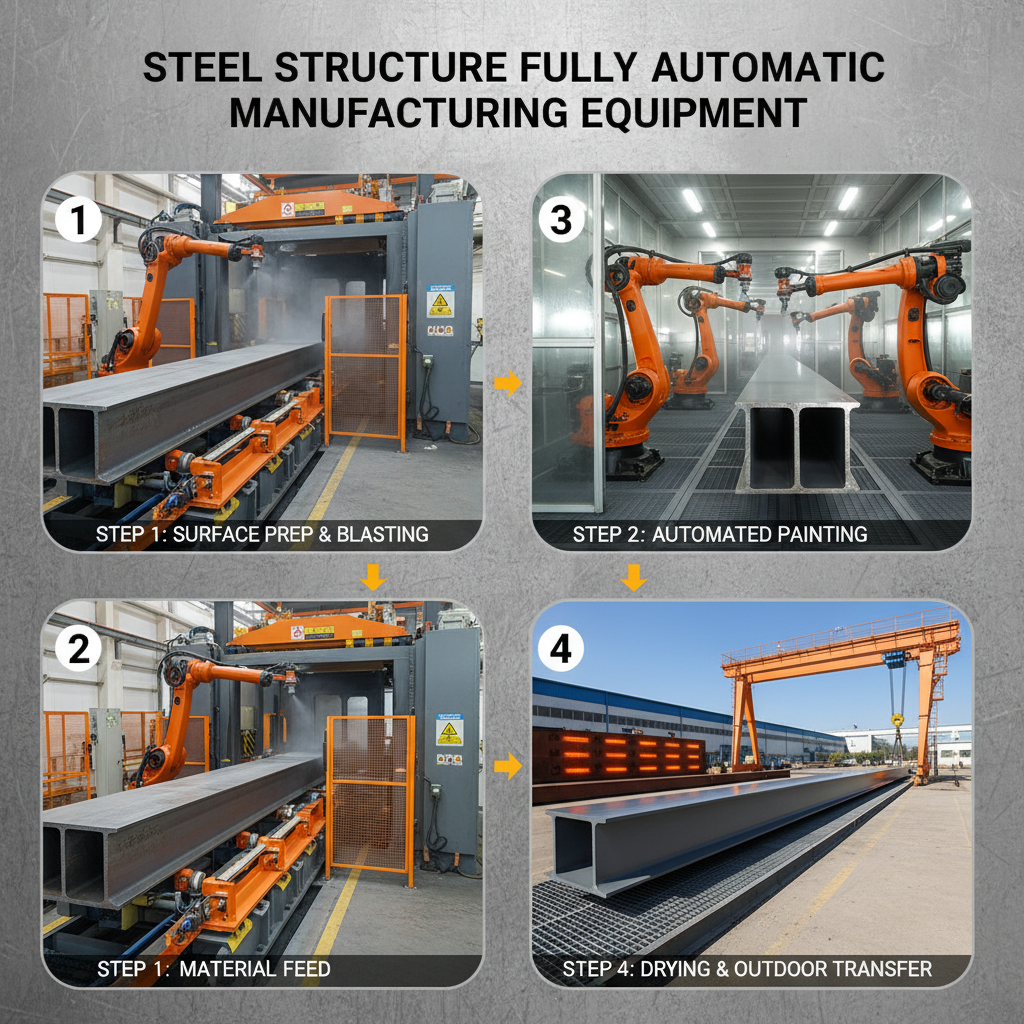
Steel structure processing equipment encompasses a wide range of machinery and tools used to cut, shape, assemble, and finish steel components used in construction and manufacturing. This includes CNC machines for cutting and drilling, welding robots, bending machines, shot blasting equipment for surface preparation, and straightening machines. Essentially, it is the set of technologies that transforms raw steel into functional structural elements.
The connection to modern industry is undeniable. From skyscrapers and bridges to industrial warehouses and even consumer goods, steel structures are ubiquitous. Effective processing equipment is therefore essential for building a robust and sustainable infrastructure, underpinning economic growth and enabling technological advancements. The demand for steel continues to rise, and the efficiency of processing directly affects the supply chain.
Importantly, this equipment also plays a role in humanitarian efforts. Rapidly deployable shelters and emergency infrastructure often rely on prefabricated steel components, making efficient processing crucial for disaster relief and providing safe, temporary housing in crisis situations.
Key Factors of Steel Structure Processing Equipment
Precision: Modern steel structure processing equipment boasts incredibly high precision, utilizing computer numerical control (CNC) technology to ensure accurate cuts, welds, and shapes. This level of accuracy minimizes errors, reduces waste, and guarantees that structural components fit together seamlessly.
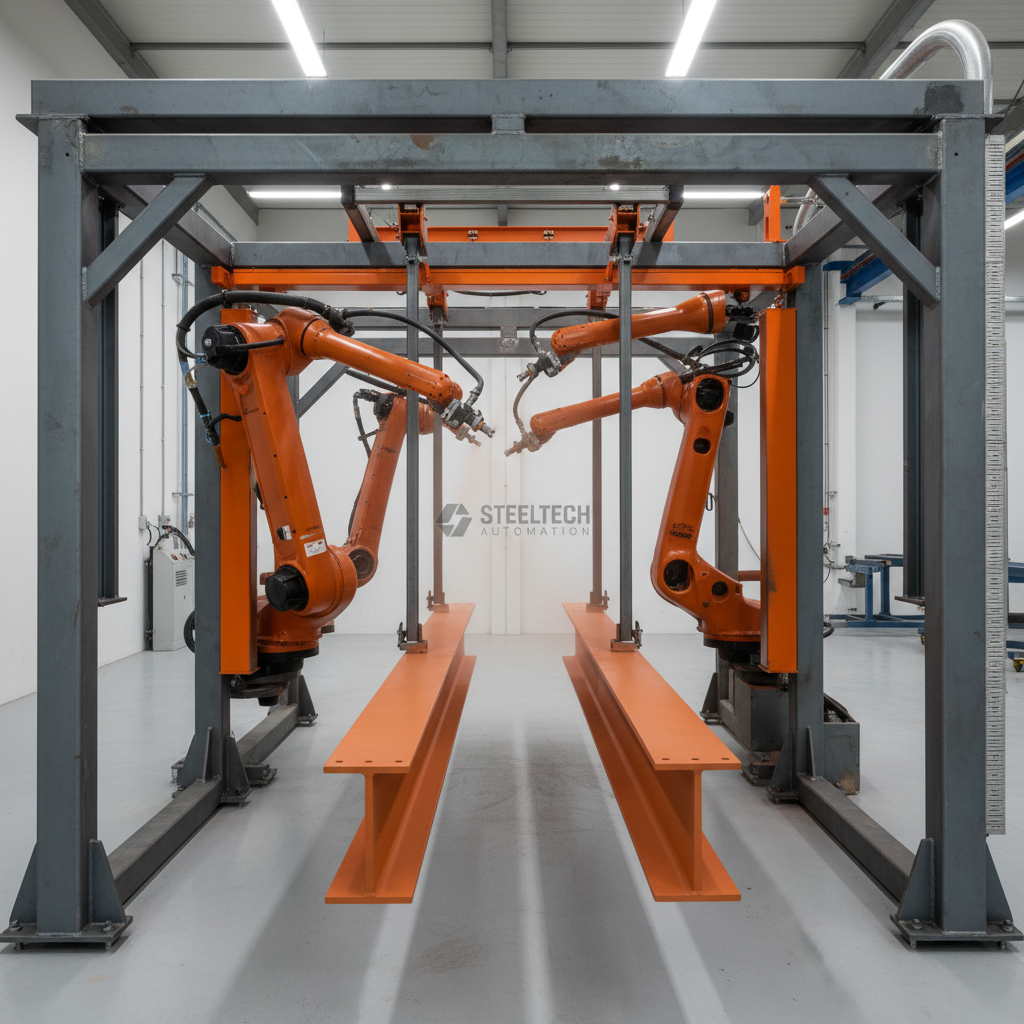
Efficiency: Automated systems and robotic welding dramatically increase production speed compared to manual methods. This efficiency translates into lower labor costs, shorter project timelines, and a greater capacity to meet demanding construction schedules. steel structure processing equipment is leading to increased efficiency.
Versatility: The ability to process various steel grades, thicknesses, and shapes is a key advantage. Equipment capable of handling diverse materials expands operational flexibility and allows contractors to tackle a wider range of projects. Modern machinery is increasingly designed to handle complex geometries and customized designs.
Global Applications of Steel Structure Processing Equipment
Steel structure processing equipment is fundamental to large-scale infrastructure projects worldwide. In China, rapid urbanization has driven immense demand for steel structures, necessitating advanced processing capabilities to support the construction of high-rise buildings, bridges, and transportation networks. Similarly, in India, ongoing infrastructure development programs are fueling investment in this technology.
The United States and Europe utilize advanced processing equipment for specialized applications, such as the construction of stadiums, airports, and offshore platforms. The emphasis in these regions is increasingly on sustainable construction practices, leading to demand for equipment that minimizes waste and energy consumption. Moreover, industries like automotive and aerospace also require high-precision steel components fabricated using specialized processing techniques.
In post-disaster relief operations, rapidly deployable steel shelters, manufactured with efficient processing equipment, provide crucial temporary housing for affected populations. In remote industrial zones, like mining operations in Australia, prefabricated steel structures offer cost-effective and quickly assembled infrastructure solutions.
Steel Structure Processing Equipment Performance Metrics
Advantages and Long-Term Value
The economic benefits are immediately apparent: reduced labor costs, faster project completion times, and minimized material waste all contribute to significant cost savings. Beyond finances, utilizing high-quality steel processing equipment enhances safety. Precisely fabricated components reduce the risk of structural failures, protecting workers and end-users.
Sustainability is another crucial advantage. Modern equipment often incorporates energy-efficient technologies and promotes the use of recycled steel, minimizing the environmental impact of construction. Furthermore, the durability of steel structures themselves translates into a longer lifespan for buildings and infrastructure, reducing the need for frequent replacements and further conserving resources.
Future Trends and Innovations
Automation and robotics are poised to revolutionize steel structure processing. We can expect to see increasingly sophisticated robotic welding systems, intelligent CNC machines capable of self-optimization, and fully automated fabrication lines. This trend will further improve efficiency, reduce errors, and address the shortage of skilled labor.
The integration of digital technologies, such as Building Information Modeling (BIM) and artificial intelligence (AI), is also gaining traction. BIM allows for virtual modeling of steel structures, enabling designers and fabricators to identify and resolve potential issues before construction begins. AI can be used to optimize processing parameters, predict equipment maintenance needs, and improve overall operational efficiency.
Challenges and Solutions in Steel Processing
A significant challenge is the initial investment cost of advanced steel structure processing equipment. This can be a barrier for smaller businesses. Solutions include exploring leasing options, government subsidies, and collaborative partnerships to share resources. Another challenge is the need for skilled personnel to operate and maintain these complex machines. Investing in training programs and apprenticeship opportunities is crucial.
Furthermore, ensuring consistent quality control across all processing stages is paramount. Implementing rigorous inspection procedures, utilizing advanced sensor technologies, and adopting industry standards like ISO 9001 can help mitigate this risk. Continuous innovation in material science and processing techniques is also vital to overcome limitations and unlock new possibilities. steel structure processing equipment innovation will be key.
Summary of Solutions for Common Challenges in Steel Structure Processing
| Challenge |
Solution: Financial |
Solution: Training & Personnel |
Solution: Quality Control |
| High Initial Investment |
Leasing Options, Government Subsidies |
Apprenticeship Programs, Skill Development Courses |
ISO 9001 Certification, Regular Inspections |
| Skilled Labor Shortage |
N/A |
Partnerships with Vocational Schools, Industry Training |
Automated Inspection Systems, Data Analysis |
| Maintaining Quality Consistency |
N/A |
Certified Operators, Ongoing Training |
Advanced Sensor Technology, Real-Time Monitoring |
| Material Waste Reduction |
Investing in Precision Equipment |
Training on Efficient Material Usage |
Optimized Cutting Algorithms, Recycling Programs |
| Equipment Maintenance & Downtime |
Preventative Maintenance Contracts |
Dedicated Maintenance Personnel, Remote Diagnostics |
Predictive Maintenance using AI, Spare Parts Inventory |
| Adapting to New Steel Grades |
Modular Equipment, Upgradeable Systems |
Continuous Learning & Certification |
Testing and Validation Protocols |
FAQS
The ROI on automated steel processing equipment varies depending on factors like production volume, labor costs, and equipment utilization. However, businesses generally see a significant ROI within 2-5 years due to reduced labor costs, increased production speed, and minimized material waste. Automation not only lowers operational expenses but also enhances product quality and consistency, leading to higher customer satisfaction and repeat business.
Selecting the right equipment requires a thorough assessment of your production requirements, including the types of steel you process, the volume of output, and the complexity of the designs. Consider factors like CNC capabilities, welding technology, bending capacity, and surface finishing options. Consulting with equipment suppliers and conducting site visits to see equipment in operation can also help you make an informed decision.
Safety is paramount. Look for equipment with features like emergency stop buttons, safety guards, light curtains, and interlocks to prevent accidental injuries. Ensure the equipment complies with relevant safety standards (e.g., CE marking, OSHA regulations). Proper operator training is also essential to ensure safe operation and prevent accidents.
Regular maintenance is crucial for ensuring the longevity and reliability of steel processing equipment. This includes routine inspections, lubrication, cleaning, and replacement of worn parts. Maintenance costs typically range from 3-5% of the equipment’s initial cost per year. Preventative maintenance contracts with equipment suppliers can help minimize downtime and unexpected repair costs.
Modern steel processing equipment often incorporates features that promote sustainability. These include energy-efficient motors, optimized cutting algorithms to minimize material waste, and the ability to process recycled steel. By reducing energy consumption, minimizing waste, and utilizing sustainable materials, steel processing equipment can significantly contribute to environmentally responsible manufacturing practices.
Both CNC plasma and laser cutting are used to cut steel, but they differ in precision, material thickness capability, and cost. Laser cutting offers higher precision and a cleaner cut but is generally more expensive and limited to thinner materials. Plasma cutting is more cost-effective for thicker materials but provides less precision and may require secondary finishing. The best choice depends on your specific application and budget.
Conclusion
Steel structure processing equipment is undeniably a cornerstone of modern infrastructure and manufacturing. Its continued evolution, driven by automation, digitalization, and a focus on sustainability, promises even greater efficiency, precision, and cost-effectiveness in the years to come. Understanding the key factors, applications, and future trends surrounding this technology is crucial for businesses and organizations seeking to thrive in a competitive global landscape.
Investing in advanced steel structure processing equipment isn't just about improving operational efficiency; it's about building a more resilient, sustainable, and innovative future. We encourage you to explore the possibilities and partner with industry leaders to unlock the full potential of this transformative technology. Visit our website at www.yeedtech.com to learn more about our range of solutions.