0%

Table of Contents

The field of painting systems is undergoing a significant transformation, driven by advancements in material science, application technologies, and a growing demand for durable, aesthetically pleasing, and environmentally responsible coatings. From protective industrial coatings to decorative architectural finishes, a well-designed painting system is crucial for extending the lifespan of assets, enhancing their value, and minimizing lifecycle costs. Understanding the nuances of these systems is no longer limited to professionals in the coatings industry; it’s becoming increasingly relevant for facility managers, architects, engineers, and anyone involved in the construction, maintenance, or renovation of infrastructure and buildings.

Globally, the coatings industry represents a multi-billion dollar market, projected to continue expanding in line with economic growth and infrastructure development. According to recent reports, the global industrial coatings market alone is expected to reach \$250 billion by 2027. This growth is particularly pronounced in emerging economies where infrastructure investment is high. However, alongside this growth comes a greater responsibility to address environmental concerns and prioritize sustainable practices within painting systems. Regulations like those set by the EPA and REACH are driving innovation towards water-based, low-VOC, and bio-based coating formulations.

The increasing frequency of extreme weather events further highlights the importance of robust painting systems capable of withstanding harsh conditions. Corrosion, UV degradation, and impact damage are constant threats to infrastructure, and effective coatings are a primary line of defense. This is not merely about aesthetics; it’s about safety, reliability, and the preservation of valuable assets.
Advancements in Painting Systems for Durable and Sustainable Coatings

The Fundamentals of Painting Systems

Advancements in Painting Systems for Durable and Sustainable Coatings

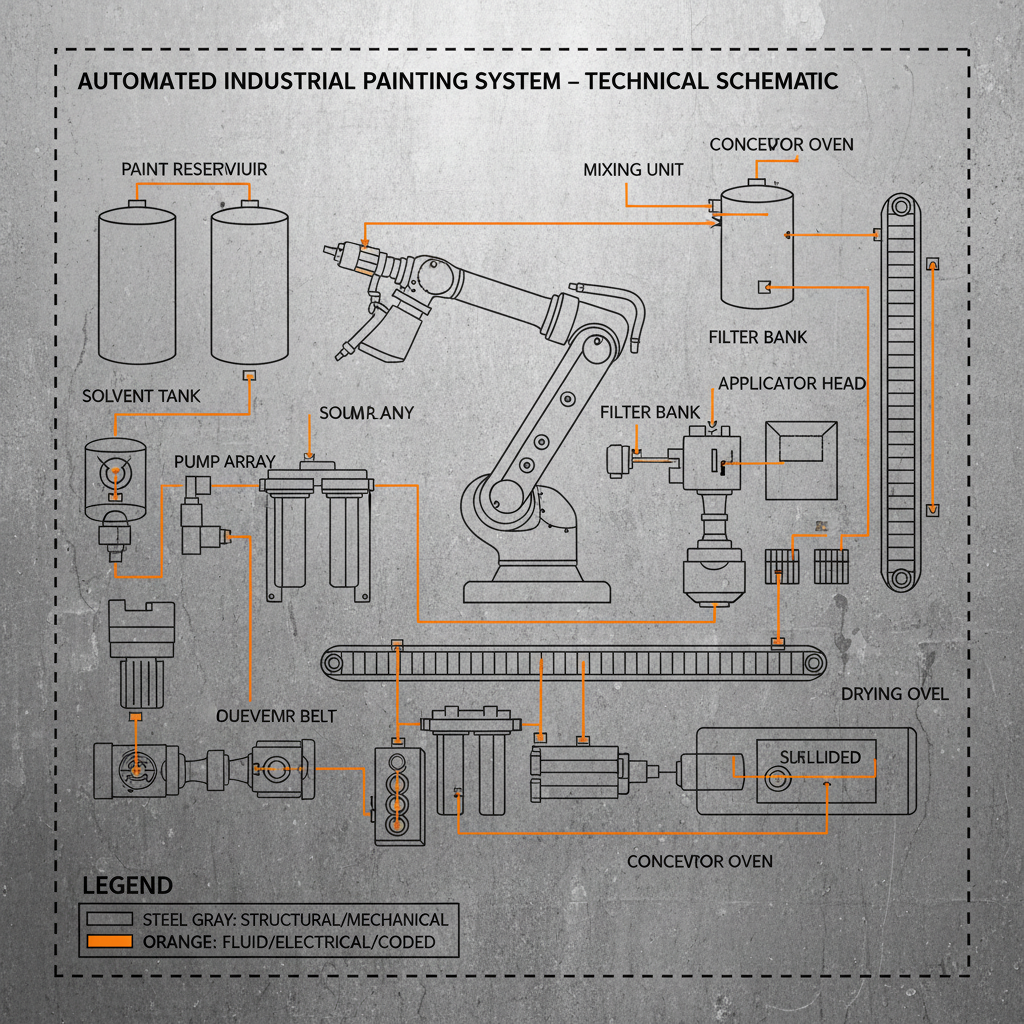
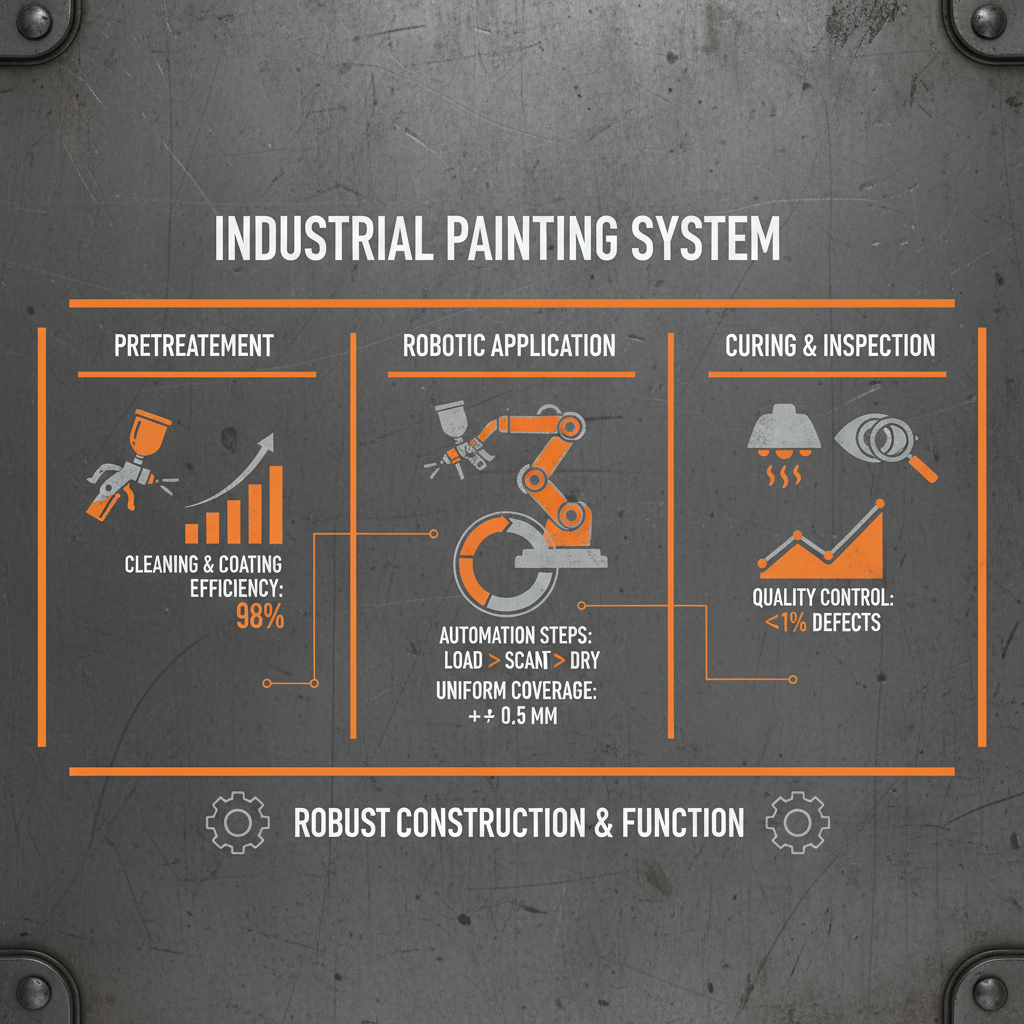
A painting system isn’t just the application of paint; it’s a carefully orchestrated sequence of surface preparation, priming, coating application, and inspection designed to achieve specific performance characteristics. This approach considers the substrate material, the environmental conditions the coating will be exposed to, and the desired lifespan and aesthetic outcome. Effective painting systems often incorporate multiple layers, each serving a distinct function to maximize protection and durability.

The selection of the appropriate painting system is paramount, and a thorough understanding of the various coating types – alkyds, epoxies, polyurethanes, acrylics, and more – is essential. Each type offers unique properties in terms of flexibility, chemical resistance, UV resistance, and adhesion. Choosing the wrong coating can lead to premature failure, costly repairs, and compromised safety.

Defining a Painting System

A painting system can be defined as a multi-component approach to surface protection and decoration, encompassing all materials, procedures, and quality control measures used to apply a coating to a substrate. It’s a holistic view that moves beyond simply applying a coat of paint and instead focuses on creating a long-lasting, high-performance barrier against environmental factors. This includes everything from initial surface cleaning and profiling to the final inspection and maintenance of the coated surface.

In modern industry, a robust painting system is often a critical component of asset management programs, helping organizations minimize maintenance costs, extend equipment life, and ensure regulatory compliance. The system is designed not merely to provide aesthetic appeal but to protect against corrosion, abrasion, chemical attack, and other forms of degradation.

The relevance of well-defined painting systems extends to humanitarian needs as well. In disaster relief scenarios, rapidly deployable shelters and temporary infrastructure require protective coatings to withstand harsh conditions and provide safe, habitable environments. Choosing the right system can significantly impact the longevity and usability of these critical resources.

Key Components of Effective Painting Systems

Durability is a cornerstone of any effective painting system. This encompasses resistance to abrasion, impact, UV degradation, and chemical exposure. The selection of high-quality coatings and proper surface preparation are critical for achieving long-term performance.

Adhesion plays a vital role; a coating must firmly bond to the substrate to prevent blistering, peeling, and corrosion. Proper surface profiling (creating a roughened surface) and the use of compatible primers are essential for maximizing adhesion. Environmental factors, such as temperature and humidity, also influence adhesion.

Corrosion resistance is paramount, especially in marine, industrial, and infrastructure applications. Utilizing corrosion-inhibitive primers, zinc-rich coatings, and barrier coatings can significantly extend the lifespan of metal structures. Regular inspection and maintenance are also crucial for identifying and addressing corrosion issues before they escalate.

Performance Metrics in Painting Systems

Evaluating the performance of a painting system requires a range of metrics, including film thickness, adhesion strength, gloss level, color stability, and resistance to various forms of degradation. These metrics are typically assessed using standardized testing methods outlined by organizations like ASTM and ISO.

The durability of a painting system is often quantified through accelerated weathering tests, which simulate years of exposure in a condensed timeframe. These tests assess resistance to UV radiation, humidity, temperature fluctuations, and salt spray, providing valuable insights into the coating’s long-term performance.

Painting System Performance Comparison


Global Applications of Painting Systems

Painting systems are ubiquitous across a wide spectrum of industries and applications. In the marine sector, they protect ships and offshore platforms from the corrosive effects of saltwater. In the oil and gas industry, they safeguard pipelines and storage tanks from chemical attack and harsh weather.

Infrastructure projects, such as bridges, dams, and tunnels, rely heavily on robust painting systems to prevent corrosion and maintain structural integrity. In the automotive industry, coatings provide both aesthetic appeal and protection against the elements.

The Advantages of Advanced Painting Systems

Advanced painting systems offer a multitude of benefits, extending beyond mere aesthetics. These systems can significantly reduce maintenance costs by prolonging the lifespan of assets and minimizing the need for repairs. They also contribute to improved safety by preventing corrosion-related failures.

Sustainability is another key advantage, with the development of low-VOC and environmentally friendly coatings minimizing the environmental impact. Moreover, advanced systems can enhance energy efficiency by providing thermal insulation and reducing heat loss.

From a long-term perspective, investing in a high-quality painting system represents a sound economic decision, providing a substantial return on investment through reduced lifecycle costs and enhanced asset value.

Future Trends and Innovations in Painting Systems

The future of painting systems is being shaped by several key trends, including the development of self-healing coatings that can automatically repair minor damage, and the integration of nanotechnology to enhance coating properties such as scratch resistance and UV protection.

Digitalization is also playing a growing role, with the use of drones and sensors for automated coating inspection and monitoring. The development of smart coatings that can provide real-time data on corrosion levels and environmental conditions is another exciting area of innovation.

Sustainability will continue to drive innovation, with a focus on bio-based coatings, water-based formulations, and the reduction of hazardous materials. The increasing demand for durable, environmentally responsible, and high-performance coatings will fuel continued advancements in the field.

Overview of Painting System Challenges and Mitigation Strategies

Challenge Impact on Painting System Mitigation Strategy Implementation Cost (1-10)
Poor Surface Preparation Reduced Adhesion, Premature Failure Thorough Cleaning, Profiling, and Inspection 4
Incompatible Coating Layers Delamination, Blistering Careful Coating Selection and Compatibility Testing 5
Environmental Contamination Reduced Coating Performance, Defects Controlled Application Environment, Proper Ventilation 3
Insufficient Film Thickness Reduced Corrosion Protection Precise Application Techniques, Thickness Monitoring 6
Lack of Regular Inspection Undetected Damage, Accelerated Degradation Scheduled Inspections, Proactive Maintenance 2
Improper Application Techniques Uneven Coating, Defects, Reduced Performance Certified Applicators, Training, Quality Control 7

FAQS

What is the typical lifespan of a well-maintained painting system?

The lifespan of a painting system varies greatly depending on the environment, the type of coating used, and the quality of surface preparation. However, a properly applied and maintained system can realistically last anywhere from 10 to 30 years, or even longer in some cases. Regular inspections and proactive maintenance are crucial for maximizing longevity. Factors like UV exposure, humidity, and chemical exposure significantly affect the duration.

How important is surface preparation to the success of a painting system?

Surface preparation is arguably the most critical step in any painting system. If the surface isn’t properly cleaned, profiled, and free of contaminants, the coating won’t adhere properly, leading to premature failure. The level of preparation required depends on the substrate and the existing condition of the surface. Common methods include abrasive blasting, power tool cleaning, and chemical cleaning. Investing in thorough surface preparation is a worthwhile investment.

What are VOCs and why are low-VOC coatings preferred?

VOCs (Volatile Organic Compounds) are chemicals that evaporate from coatings and can contribute to air pollution and pose health risks. Low-VOC coatings contain significantly fewer of these harmful chemicals, making them a more environmentally friendly and safer option. Regulations in many regions are increasingly stringent regarding VOC content, driving demand for low-VOC formulations. Choosing these coatings demonstrates a commitment to sustainability.

What is the role of a primer in a painting system?

A primer is a foundational layer applied to the substrate before the topcoat. It serves several critical functions, including promoting adhesion, sealing the surface, providing corrosion resistance, and improving the overall durability of the painting system. The correct primer must be chosen based on the substrate and the topcoat being used for optimal performance. It acts as a bridge between the substrate and the topcoat.

How can I determine the best painting system for my specific application?

Determining the best painting system requires careful consideration of several factors, including the substrate material, the environment the coating will be exposed to, the desired lifespan, and the budget. Consulting with a coating specialist or a qualified engineer is highly recommended. They can assess the specific needs of your application and recommend a system tailored to your requirements. A detailed assessment is vital.

What maintenance is required for a painting system after application?

Regular inspection is crucial for maintaining a painting system. Look for signs of damage, such as blistering, cracking, peeling, or corrosion. Promptly address any issues to prevent them from escalating. Periodic cleaning, touch-ups, and recoating may be necessary to extend the lifespan of the system. Establishing a preventative maintenance schedule is best practice.

Conclusion

In conclusion, a well-designed and properly implemented painting system is an essential investment for protecting assets, enhancing their value, and ensuring long-term performance. From meticulous surface preparation to the selection of high-quality coatings and regular maintenance, every step is critical for achieving optimal results. Understanding the fundamental principles and embracing innovative technologies are key to maximizing the benefits of these systems.

As we move forward, the industry will continue to prioritize sustainability, durability, and cost-effectiveness. By embracing emerging trends like self-healing coatings and digital monitoring, we can create painting systems that are not only protective but also environmentally responsible and economically viable. Visit our website at www.yeedtech.com to learn more about our comprehensive painting solutions.

Julian Vance

Julian Vance

Julian Vance is the Head of Software Development at Yeed Tech, responsible for the software infrastructure that powers our intelligent equipment. His team develops the user interfaces, data analytics tools, and remote monitoring systems that enhance the functionality and usability of our product lines. Julian has a strong background in
Previous Advancements in Steel Structure Processing Equipment for Modern Infrastructure
Next The Rise of Automated Painting Process Transforming Modern Industries