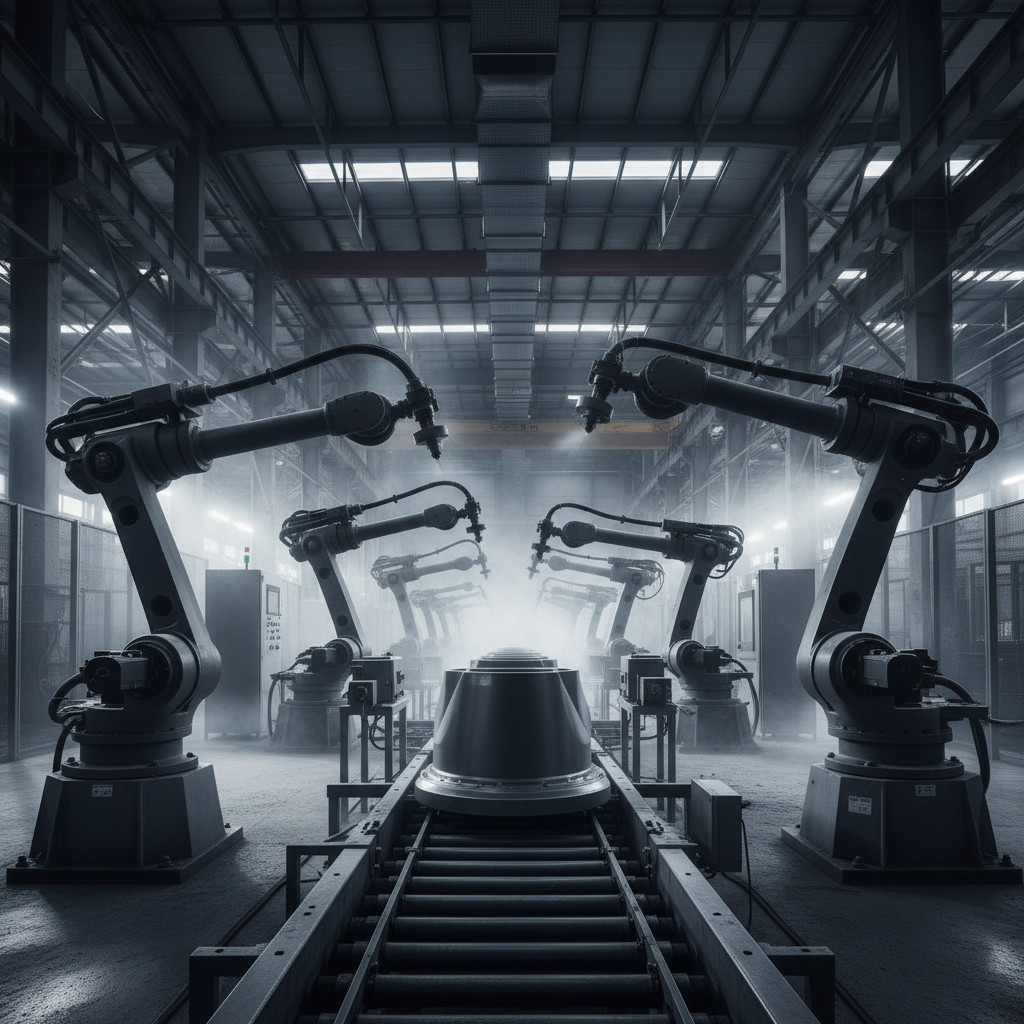
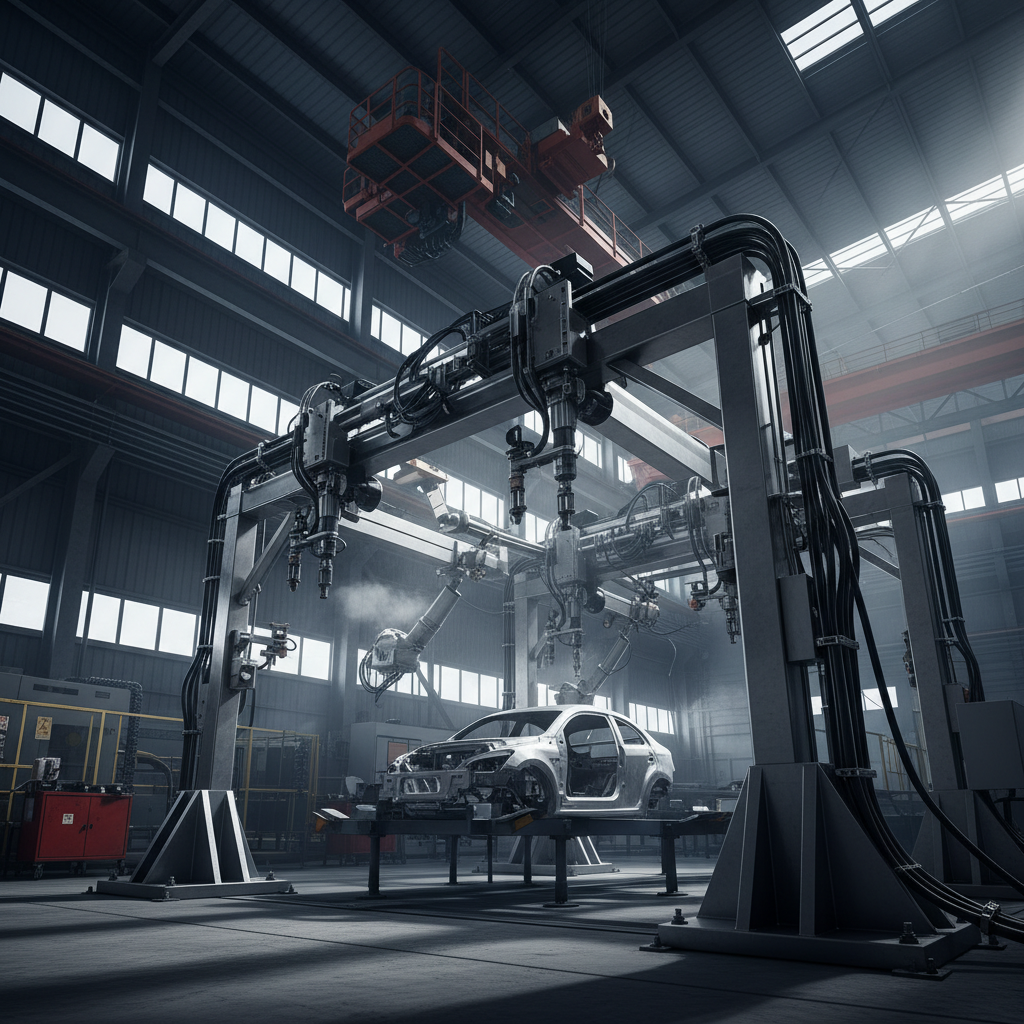
You know, these automated spray coating systems… they’re everywhere now. It feels like just yesterday we were all hand-spraying, choking on fumes, and praying for an even coat. Now, these robots are doing it all. Honestly, it’s a bit of a relief. But don't get me wrong, it's not all sunshine and roses. There's always something.
Have you noticed how everyone’s going crazy for eco-friendly coatings? Low-VOC, water-based… clients are demanding it, and rightly so. It's not just about being green, it’s about worker safety, too. Used to be, you'd walk onto a site and the smell would knock you sideways. It's better now, definitely better.
But this push for 'green' can be a headache, let me tell you. Some of these new formulas… they just don't spray the same. You gotta adjust the nozzle pressure, the flow rate, even the robot’s speed. It’s a constant tweaking process.
The Current Landscape of automated spray coating systems
Strangely enough, it feels like we’ve gone full circle. Remember those huge, complicated robots that needed a team of engineers to operate? Now, everything's getting smaller, more modular, and more user-friendly. It's about bringing the automation to the shop floor, not the other way around. You see systems now that can be easily repositioned, reprogrammed by a foreman, that sort of thing. It's a big deal.
And it's not just about the robots themselves, it’s about the integration. The software, the sensors, the data analysis… that's where the real value is. Knowing exactly how much coating is being used, monitoring the spray pattern in real-time, predicting when maintenance is needed... it all adds up.
Design Pitfalls and Common Mistakes
To be honest, one of the biggest mistakes I see is people trying to overcomplicate things. They want all the bells and whistles, the latest tech, the fanciest sensors… but they forget about the basics. A good spray booth, proper ventilation, clean air supply – those are still critical. I encountered this at a factory in Tianjin last time, spent three days troubleshooting a paint defect, only to find out their air filters hadn’t been changed in six months. Six months!
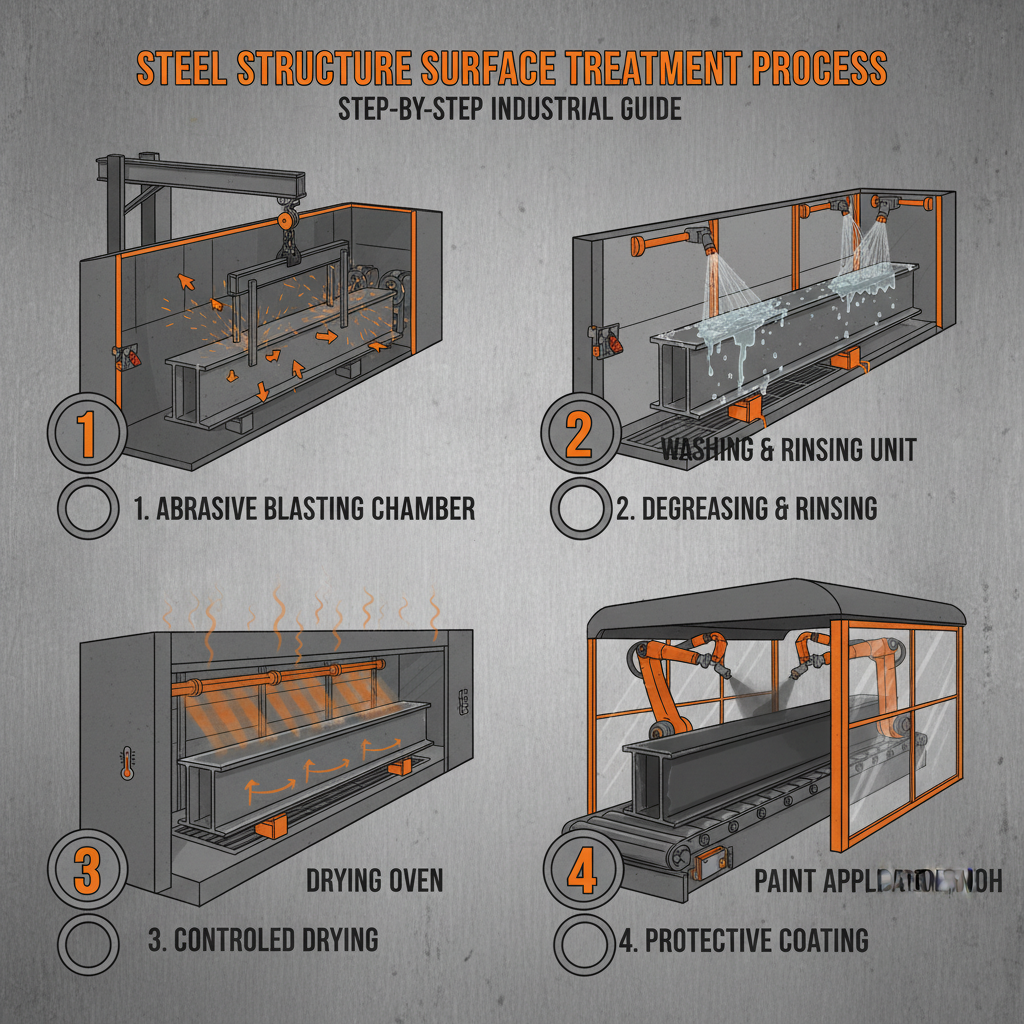
Another trap is neglecting the pre-treatment process. Automated spray coating systems can't fix a poorly prepped surface. If the metal isn’t properly cleaned, degreased, and primed, the coating isn’t going to adhere. It's just going to peel and flake. Garbage in, garbage out, as they say.
And don't even get me started on nozzle selection. Get the wrong nozzle, and you'll get everything from orange peel to runs and sags. It’s a constant balancing act.
Materials: What We’re Actually Using
We’re moving away from the really harsh stuff, you know? Isocyanates… they're still around, but people are looking for alternatives. Polyurethanes, acrylics, epoxies... there’s a lot of variation within those categories. Some of the new water-based polyurethanes are surprisingly good, but they can be a bit finicky to spray. They smell different, too. Not bad, just… different. Less chemical, more… sweetish, almost.
You learn to recognize a good coating just by the feel of it. A good epoxy will have a bit of weight to it, a slightly tacky texture. A cheap one will feel thin and watery. And the smell… a good solvent-based coating will have a strong, sharp smell. A bad one smells… off. It’s hard to describe. Years of experience, I guess.
The powder coatings are becoming increasingly popular, too. They're durable, environmentally friendly, and offer a nice, even finish. But they can be tricky to apply to complex shapes. The Faraday cage effect is a real problem. Anyway, I think the trend is towards more sustainable and safer materials. It’s just a matter of time.
Real-World Testing: Beyond the Lab
Lab tests are fine, but they don’t tell you the whole story. You need to see how the coating holds up in real conditions. Salt spray tests, UV exposure tests, abrasion tests… that’s all good. But I want to see it after a year of being banged around in a shipping container, exposed to the elements, and scraped by forklifts.
We do a lot of impact testing, dropping weights on coated panels from different heights. It's crude, but effective. And we also do bend tests, flexing the coated material to see if it cracks. I've seen coatings that looked perfect in the lab fail miserably under these kinds of stresses.
Automated Spray Coating Systems Performance Metrics
How Users Really Interact with automated spray coating systems
You'd think everyone would follow the manual, right? Wrong. Most guys just want to get the job done as quickly as possible. They'll crank up the speed, ignore the warning lights, and hope for the best. It drives the engineers crazy, but it's the reality.
They also tend to underestimate the importance of maintenance. They'll run the robots until something breaks, then call us in a panic. Preventative maintenance is key, but it's hard to get people to prioritize it.
The Upsides and Downsides: A Pragmatic View
The advantages are obvious: consistency, speed, reduced waste, lower labor costs. But there are drawbacks. The initial investment is significant, and you need skilled technicians to operate and maintain the systems. And they're not a magic bullet. They can't solve underlying problems with your process or your materials.
The biggest downside, in my opinion, is the inflexibility. If you're constantly changing products or designs, automated spray coating systems can be a pain. You need to reprogram the robots, change the tooling, and adjust the settings. It's not as easy as just switching over to a different paint can.
But overall, I think the benefits outweigh the risks. Especially for high-volume production.
Customization and Unique Applications
We did a project last month for a small boss in Shenzhen who makes smart home devices. He insisted on changing the interface to on the robot’s control panel, said it was “more modern.” It was a nightmare. Had to find a custom supplier, rewrite a bunch of code… Later… forget it, I won’t mention it. But we got it done.
The flexibility to customize is there, but it comes at a cost. It’s a lot easier to stick with standard configurations. But some customers have unique needs, and we're willing to work with them. We’ve modified robots to spray coatings onto everything from wind turbine blades to medical implants.
And the applications are expanding all the time. We're seeing more and more use in the automotive industry, the aerospace industry, and even the furniture industry.
A Summary of Key Factors in automated spray coating systems Performance
| Coating Type |
Robot Speed |
Nozzle Size |
Environmental Conditions |
| Polyurethane |
Medium (40 m/min) |
1.8 mm |
20°C, 60% Humidity |
| Epoxy |
Slow (25 m/min) |
2.0 mm |
25°C, 50% Humidity |
| Acrylic |
Fast (50 m/min) |
1.6 mm |
22°C, 65% Humidity |
| Powder Coating |
Variable (30-45 m/min) |
Application Specific |
Controlled Environment |
| Water-Based Polyurethane |
Medium-Slow (30 m/min) |
1.7 mm |
23°C, 60% Humidity |
| High-Solids Epoxy |
Slow (20 m/min) |
2.2 mm |
25°C, 55% Humidity |
FAQS
The biggest hurdle is usually operator training and process optimization. It’s not just about replacing a person with a robot; you need to completely rethink your workflow. You also need to invest in proper pre-treatment and surface preparation. And don't underestimate the complexity of programming and maintaining the robots themselves. It's a learning curve, for sure.
That’s where the programming and the robot’s dexterity come into play. Modern robots have multiple axes of movement and can navigate around obstacles. The key is to create a detailed 3D model of the part and then program the robot to follow the contours accurately. Some systems also use laser sensors to map the part in real-time and adjust the spray path accordingly.
It varies widely depending on the scale of your operation. But generally, you can expect to see a return on investment within 2-5 years. The savings come from reduced material waste, lower labor costs, improved coating quality, and increased production throughput. It's also worth considering the long-term benefits of worker safety and environmental compliance.
It's more challenging, but not impossible. The setup costs are relatively high, so it doesn't make sense for extremely small batches. However, if you have a consistent stream of small-batch orders, you can amortize the costs over time. Flexible robotic systems with quick changeover capabilities are particularly well-suited for this scenario.
Regular maintenance is crucial. This includes cleaning the robot arm, inspecting the nozzles for wear, lubricating the joints, and checking the control system. You also need to periodically calibrate the robot and replace any worn parts. Preventative maintenance schedules are essential to minimize downtime.
Safety is paramount. You need to have proper ventilation, personal protective equipment (PPE) for any operators who enter the spray booth, and safety interlocks to prevent accidental contact with the robot. Regular safety training is also essential. And always follow the manufacturer’s guidelines.
Conclusion
Ultimately, automated spray coating systems are about more than just replacing manual labor. They're about improving quality, reducing waste, and creating a safer and more sustainable work environment. They’re not a perfect solution, but they’re a significant step forward. We’ve come a long way from hand-spraying in a dusty warehouse.
Look, at the end of the day, whether this thing works or not, the worker will know the moment he tightens the screw. That’s the truth of it. And if they're happy with the finish, if it's durable, if it looks good… then we’ve done our job. If you're considering making the switch, do your research, talk to other users, and don't be afraid to ask questions. And check us out at automated spray coating systems.