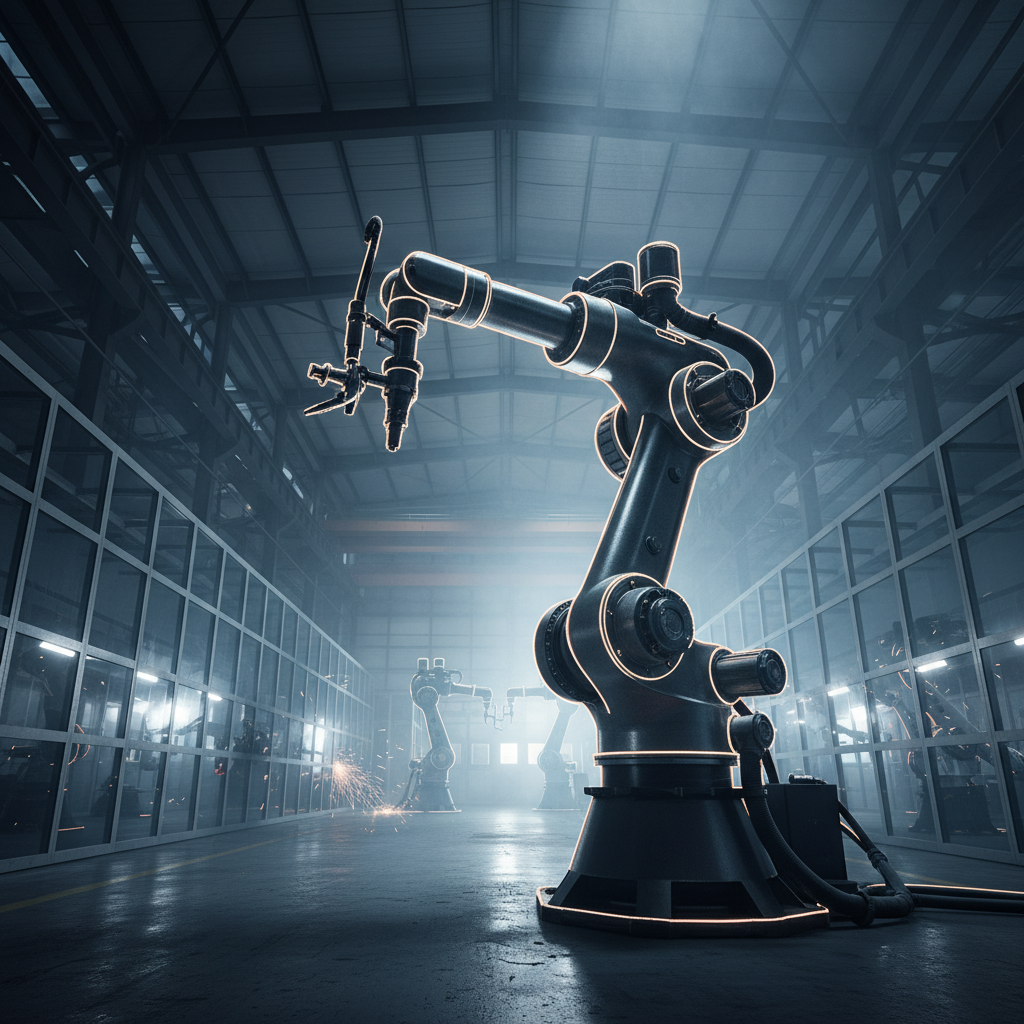
Automatic paint sprayer machines have revolutionized surface coating across numerous industries, offering unprecedented efficiency, consistency, and cost-effectiveness. These machines, ranging from simple handheld models to sophisticated robotic systems, are fundamentally changing how products are finished, buildings are painted, and infrastructure is protected. Understanding the capabilities and applications of an automatic paint sprayer machine is crucial for businesses aiming to optimize their operations and enhance product quality.
Globally, the demand for efficient and high-quality painting solutions is driven by expanding construction, automotive, and manufacturing sectors. The adoption of automatic paint sprayer machines is directly linked to the increasing need for reduced labor costs, minimized material waste, and improved environmental compliance. According to a report by the UN Industrial Development Organization (UNIDO), automation in manufacturing processes is a key driver of sustainable industrial growth, particularly in developing economies.
The core benefit of employing an automatic paint sprayer machine lies in its ability to deliver precise and uniform coating, reducing rework and ensuring a superior finish. This precision translates to significant savings in paint consumption, reduced VOC emissions, and increased production throughput. The evolution of these machines aligns with broader trends toward Industry 4.0 and the digitalization of manufacturing processes.
Introduction to Automatic Paint Sprayer Machines
Automatic paint sprayer machines represent a significant advancement in coating technology, moving beyond traditional manual methods to achieve greater precision, efficiency, and consistency. These machines are designed to automate the entire paint application process, from preparation and mixing to spraying and finishing. The use of an automatic paint sprayer machine significantly reduces the reliance on skilled labor and minimizes the potential for human error.
The evolution of automatic paint spraying has been driven by the need to improve quality control, reduce material waste, and increase production speeds. Modern systems incorporate sophisticated sensors, robotic arms, and programmable logic controllers (PLCs) to deliver a highly controlled and repeatable painting process. This is especially vital in industries demanding stringent quality standards and adherence to environmental regulations.
Defining Automatic Paint Spraying Technology
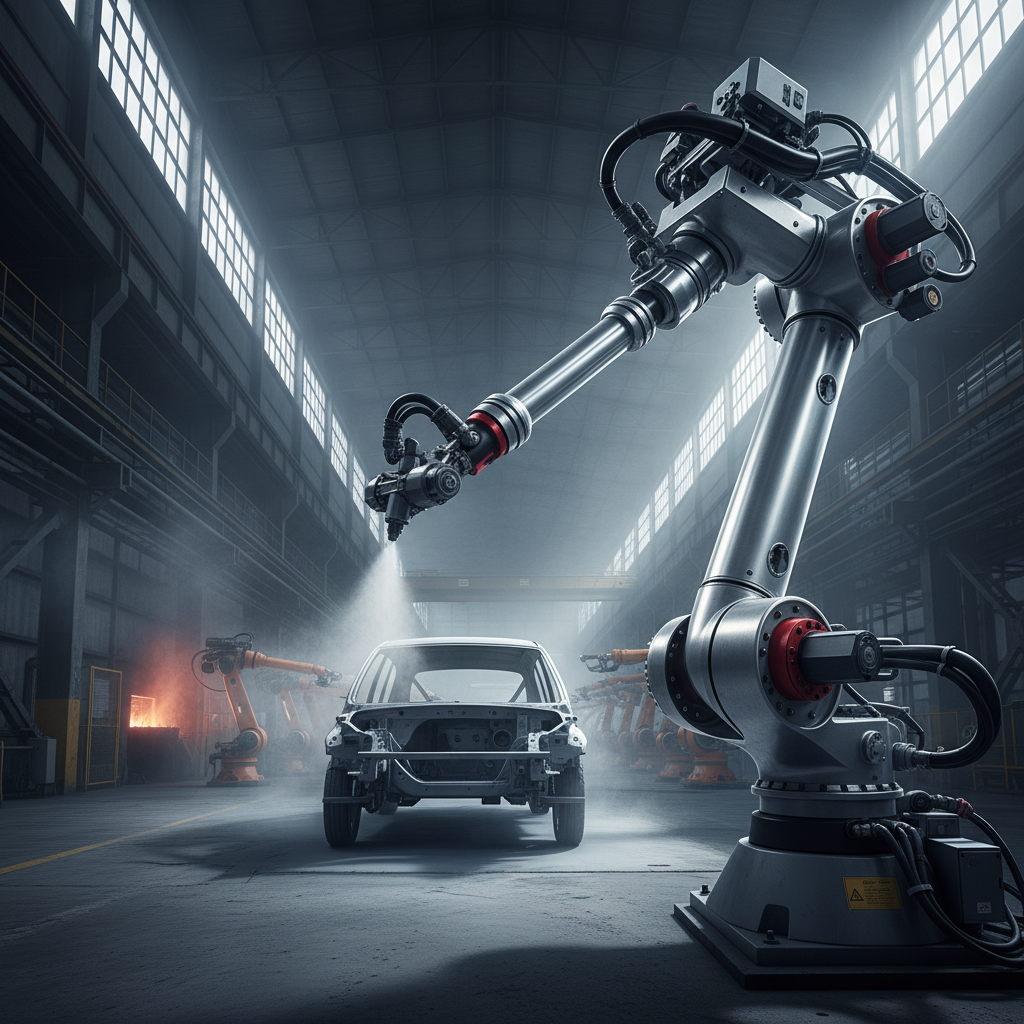
Automatic paint spraying technology encompasses a range of systems designed to apply coatings without direct manual intervention. Unlike conventional spray painting, which relies on a skilled operator, automatic systems utilize pre-programmed parameters and robotic control to ensure consistent and accurate application. This includes airless spraying, electrostatic spraying, and robotic arm-mounted spray guns. The core principle involves automating the movement and control of the spray gun itself.
This technology is intrinsically linked to the broader adoption of automation in modern industry. It supports increased productivity, reduced costs, and enhanced product quality. Automatic paint spraying isn’t merely about replacing human operators; it’s about optimizing the entire coating process to achieve superior results and minimize environmental impact.
The connection to humanitarian needs isn’t immediately obvious, but automatic paint sprayer machines contribute to efficiency in manufacturing essential goods like prefabricated shelters, medical equipment coatings, and protective layers for infrastructure projects in disaster relief and development scenarios. Utilizing an automatic paint sprayer machine can streamline production and ensure a faster response to critical needs.
Key Components and Operational Factors
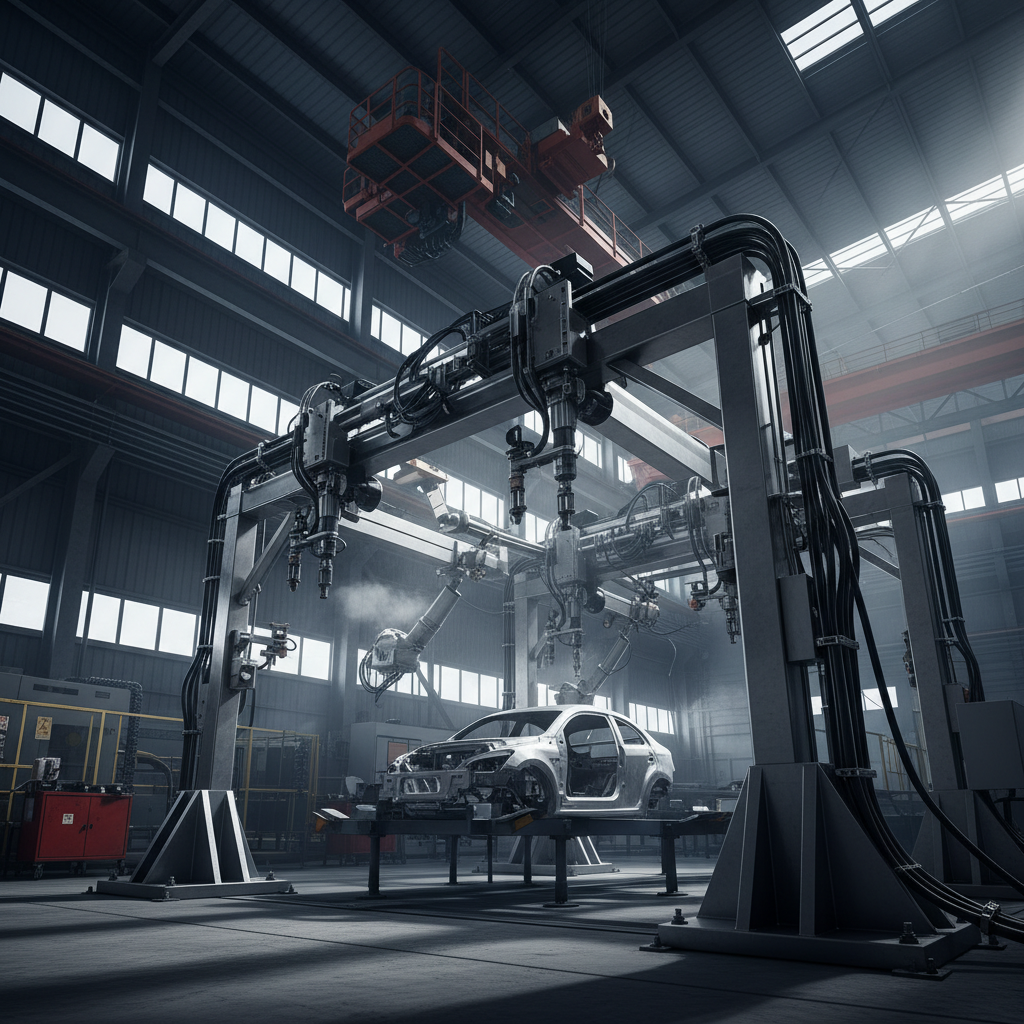
Several key components are integral to the operation of an automatic paint sprayer machine. These include the paint supply system, the spray gun (often a static or airless type), the control system (PLC or dedicated controller), the robotic arm or gantry system, and the sensors for monitoring paint flow, pressure, and environmental conditions. Proper integration and calibration of these components are crucial for optimal performance.
Operational factors that significantly impact the quality of the paint finish include paint viscosity, spray pressure, nozzle size and type, spray distance, and the speed of the robotic arm or gantry. Maintaining optimal values for these parameters requires a thorough understanding of the paint’s properties and the specific requirements of the substrate being coated. Careful monitoring and adjustment are essential for consistently achieving desired results.
Furthermore, environmental conditions such as temperature and humidity can influence paint drying and adhesion. Many automatic systems incorporate environmental controls to mitigate these effects and ensure consistent coating quality. The integration of advanced monitoring systems allows for real-time adjustments to maintain optimal conditions throughout the painting process.
Performance Metrics of Automatic Paint Sprayer Machines
Evaluating the performance of an automatic paint sprayer machine involves considering several key metrics. Transfer efficiency, the percentage of paint that adheres to the substrate versus what is lost as overspray, is a critical indicator of efficiency and cost-effectiveness. Another key metric is coating uniformity, measured by variations in film thickness across the painted surface.
Production throughput, expressed as the area coated per unit of time, reflects the machine’s ability to increase output. Also, maintenance frequency and downtime are important factors in assessing overall operational costs. The reliability of the machine and the ease of servicing are also crucial considerations.
Comparison of Automatic Paint Sprayer Machine Methods
Global Applications Across Diverse Sectors
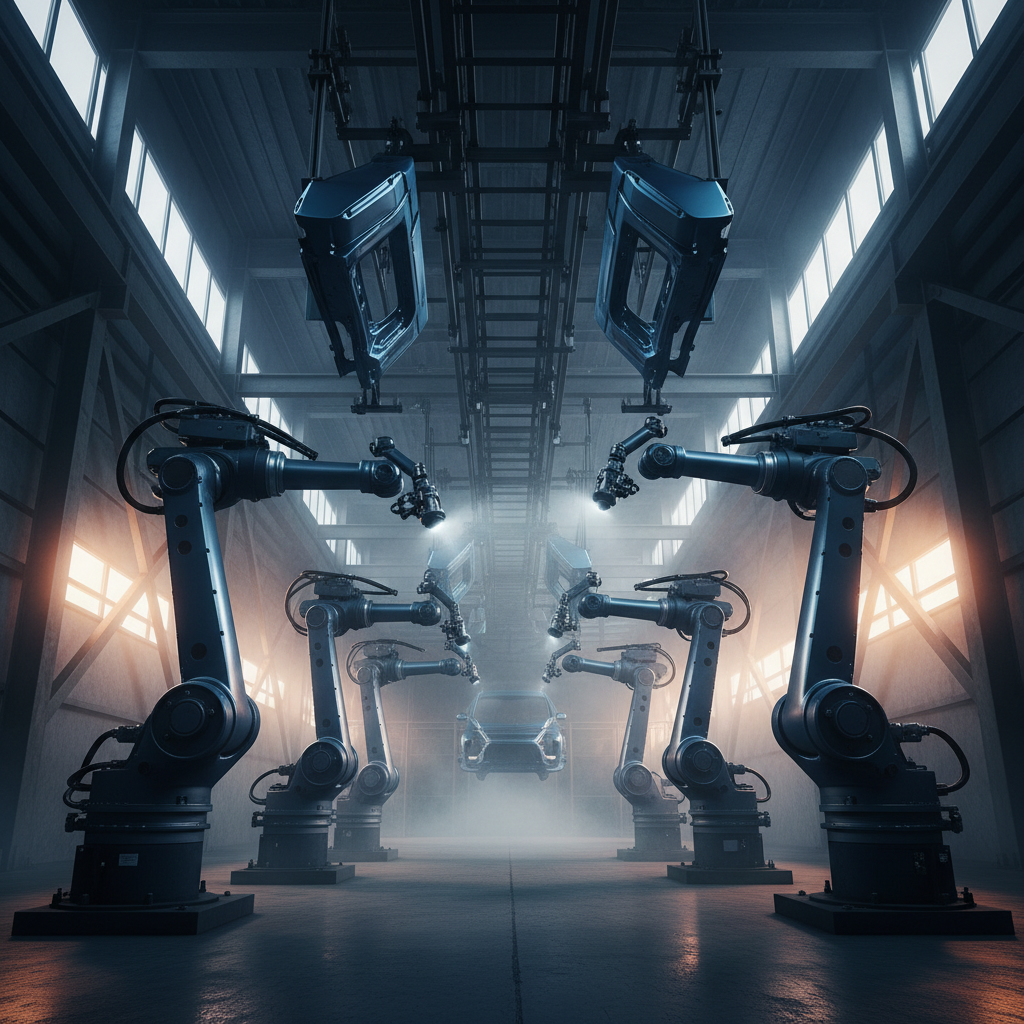
Automatic paint sprayer machines find applications in a wide array of industries. The automotive sector utilizes them for painting car bodies, achieving consistent finish quality and high throughput. The aerospace industry relies on these machines for applying protective coatings to aircraft components, ensuring durability and corrosion resistance.
In the furniture industry, automatic sprayers are used to efficiently coat large volumes of furniture parts, reducing labor costs and improving finish quality. In construction, they’re employed for painting facades, steel structures, and other large surfaces. Furthermore, industries producing appliances, electronics, and metal products widely adopt these machines to enhance product aesthetics and longevity.
The Advantages of Utilizing Automatic Paint Sprayers
The benefits of deploying an automatic paint sprayer machine are multifaceted. Cost reduction is a primary advantage, stemming from decreased paint consumption, reduced labor expenses, and minimized material waste. Improved quality and consistency ensure a more uniform and aesthetically pleasing finish, reducing rework and improving customer satisfaction.
Enhanced safety is another significant benefit, as automatic systems reduce worker exposure to harmful paint fumes and potential hazards associated with manual spraying. The increased production throughput allows businesses to meet growing demand and optimize their operational efficiency. Utilizing an automatic paint sprayer machine is a step towards smarter and more sustainable manufacturing practices.
The ecological advantages are also notable. Precise paint application minimizes overspray, decreasing VOC emissions and contributing to a more environmentally responsible operation. This aligns with increasingly stringent environmental regulations and growing consumer demand for sustainable products.
Future Trends and Innovations in Paint Spraying
Several trends are shaping the future of automatic paint spraying. The integration of Artificial Intelligence (AI) and machine learning is enabling machines to optimize spray parameters in real-time, adapting to varying substrate conditions and paint properties. This ‘smart’ spraying capability promises even greater efficiency and quality.
Another key trend is the development of more environmentally friendly paint formulations and spraying technologies. High-solids paints, water-based coatings, and powder coating systems are gaining prominence as sustainable alternatives to traditional solvent-based paints. Robotic systems with enhanced sensor capabilities and adaptive control algorithms are also poised to become increasingly commonplace.
Digitalization and the Industrial Internet of Things (IIoT) will play a crucial role, enabling remote monitoring, predictive maintenance, and seamless integration with other manufacturing systems. This will lead to more optimized and efficient paint shop operations and contribute to a more circular economy.
FAQS
The payback period for an automatic paint sprayer machine varies depending on factors like production volume, labor costs, and paint savings. However, many businesses experience a return on investment within 12-36 months due to reduced material waste, lower labor expenses, and improved product quality. A comprehensive cost-benefit analysis is recommended before making a purchase.
Automatic paint sprayer machines require regular maintenance, including cleaning the spray gun, replacing filters, and inspecting hoses and connections. Preventative maintenance schedules, typically recommended by the manufacturer, should be followed to ensure optimal performance and longevity. Some machines offer diagnostic features to simplify maintenance procedures.
Most automatic paint sprayer machines are compatible with a wide range of paint types, including solvent-based, water-based, and powder coatings. However, it’s crucial to verify compatibility with the specific machine model and spray gun. Viscosity adjustments may be required depending on the paint’s properties.
Safety precautions include wearing appropriate personal protective equipment (PPE) such as respirators, gloves, and eye protection. Ensure proper ventilation in the spraying area to minimize exposure to paint fumes. Regularly inspect the machine for any leaks or malfunctions and follow all manufacturer safety guidelines.
Automatic paint sprayer machines generally have a lower environmental impact than manual spray painting. Their precision reduces overspray, minimizing paint waste and VOC emissions. Combined with the use of more environmentally friendly paint formulations, they contribute to a more sustainable manufacturing process.
Yes, many manufacturers offer training programs for operating and maintaining their automatic paint sprayer machines. These programs cover topics such as machine setup, operation, troubleshooting, and preventative maintenance. Training ensures that operators can maximize the machine’s performance and minimize downtime.
Conclusion
In conclusion, automatic paint sprayer machines represent a significant advancement in coating technology, offering a compelling combination of efficiency, quality, safety, and sustainability. Their ability to automate the painting process reduces costs, improves consistency, and minimizes environmental impact. The adoption of these machines is transforming industries across the globe, driving innovation and enhancing competitiveness.
Looking ahead, the integration of AI, machine learning, and digital technologies will further enhance the capabilities of automatic paint spraying systems. Investing in these technologies is not merely a matter of improving operational efficiency; it’s about building a more resilient, sustainable, and future-proof manufacturing base. To learn more about how an automatic paint sprayer machine can benefit your operations, visit our website today!