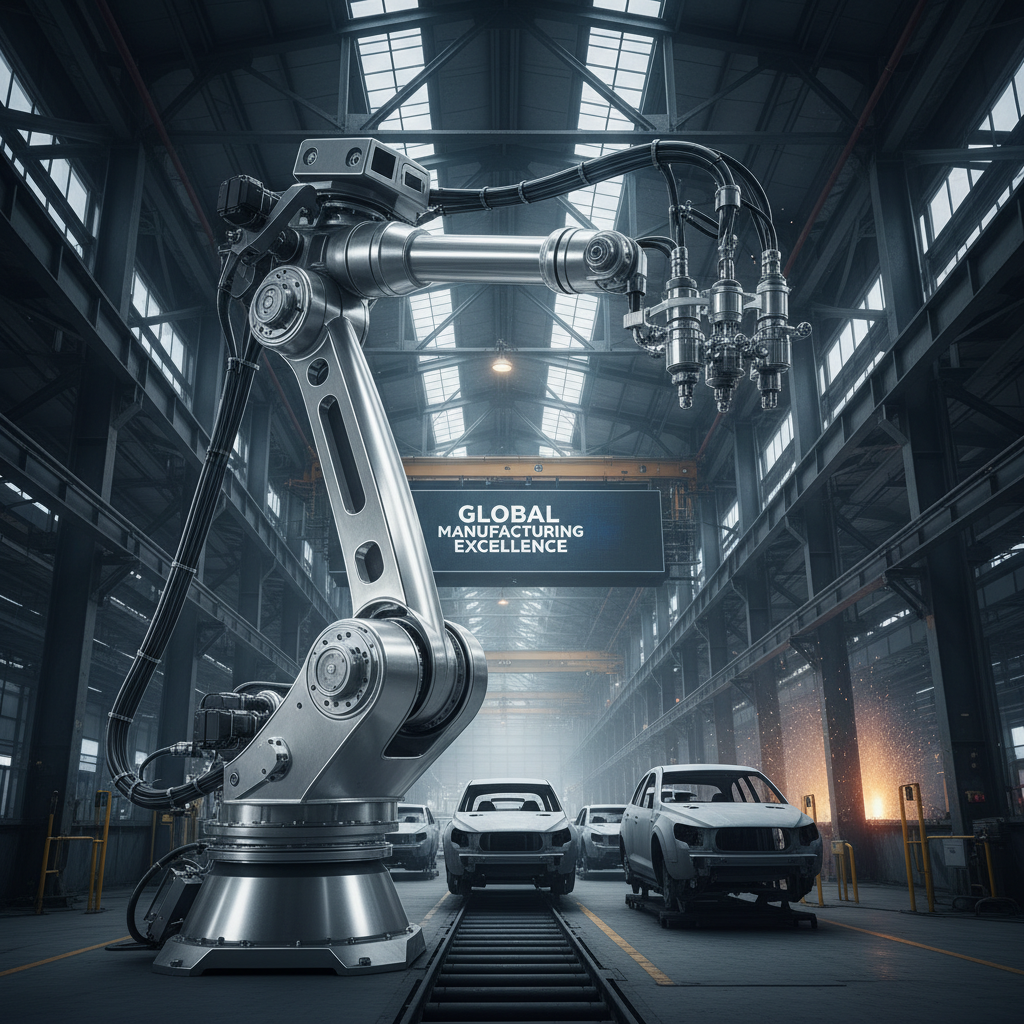
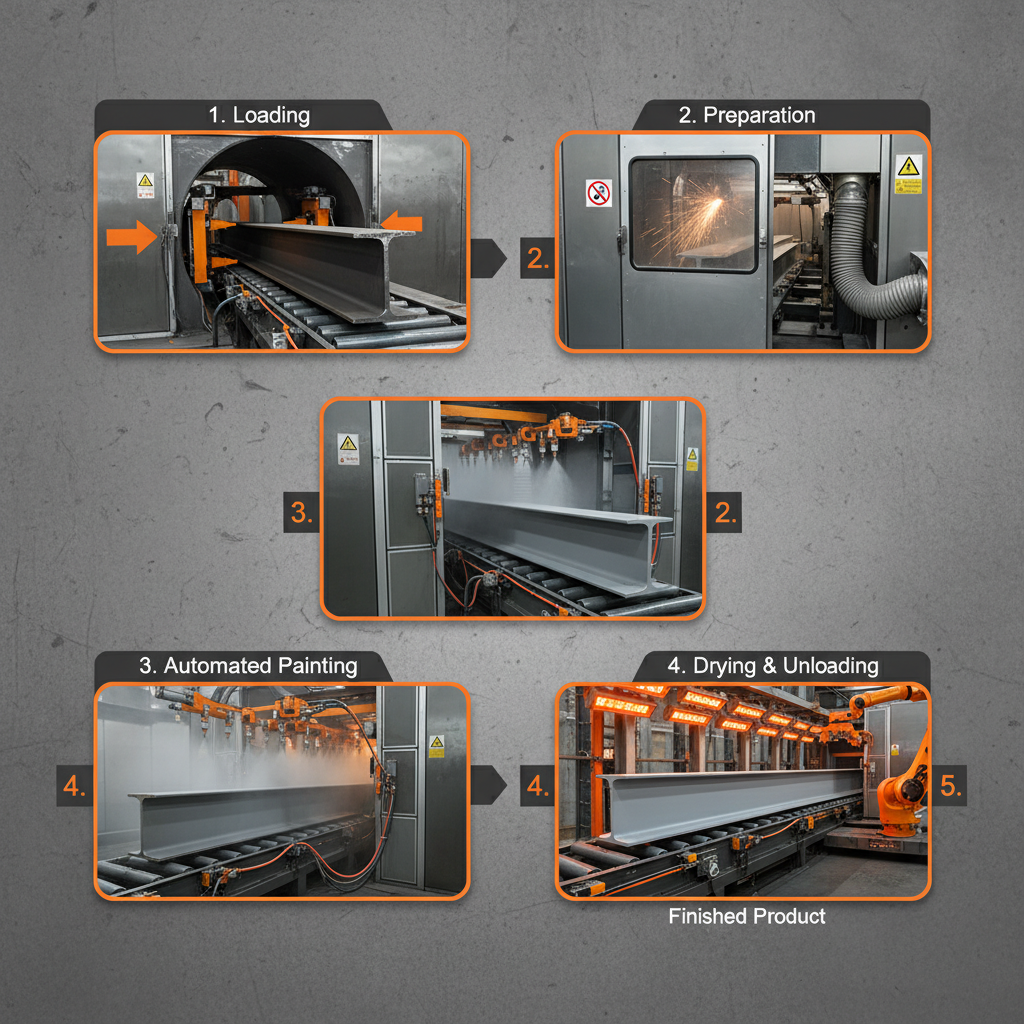
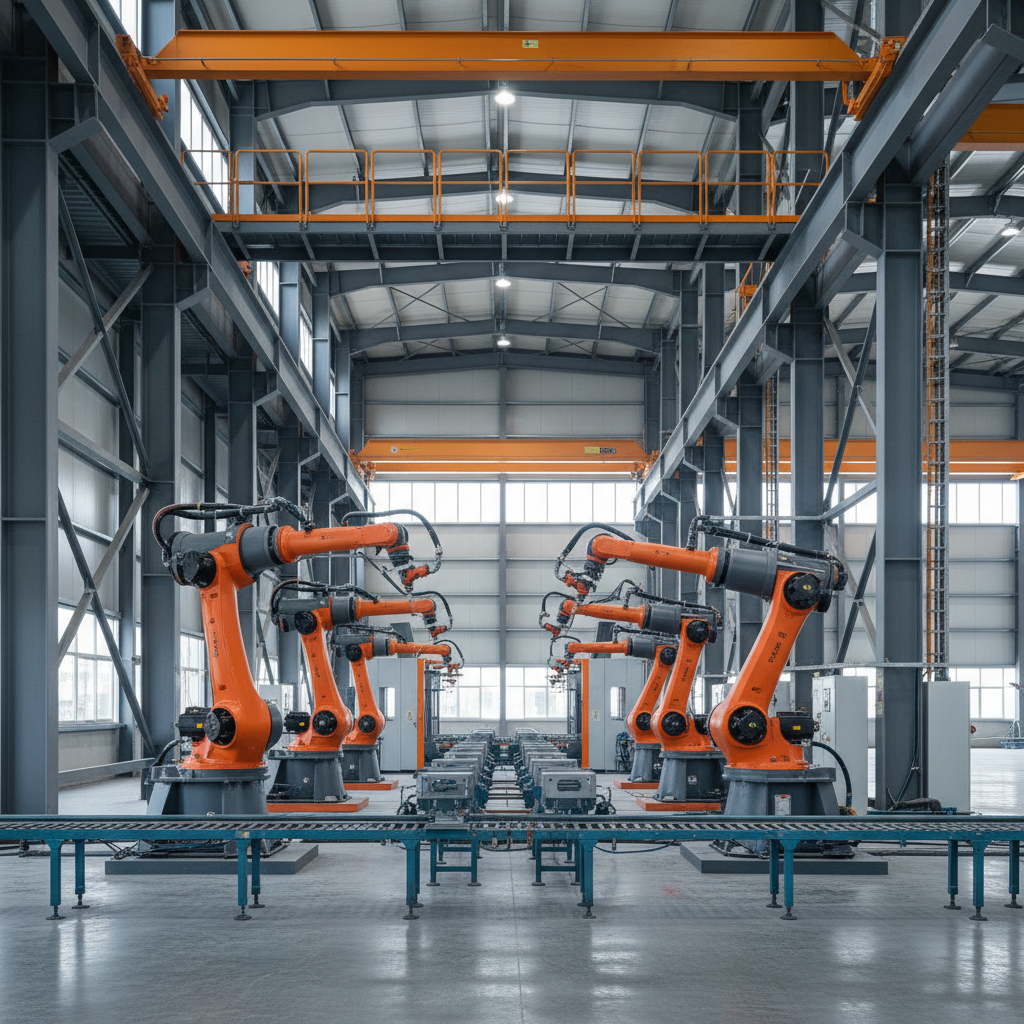
The global manufacturing landscape is rapidly evolving, demanding increased efficiency and precision across various industries. At the forefront of this transformation is the automatic paint spray machine, a technological marvel designed to deliver consistent, high-quality finishes with minimal waste. Its significance extends beyond mere aesthetics; it fundamentally impacts productivity, reduces operational costs, and enhances worker safety in sectors ranging from automotive and aerospace to furniture and construction. Understanding the intricacies of these machines is crucial for businesses seeking to remain competitive in today's dynamic marketplace.
The demand for efficient and automated painting solutions is skyrocketing, fueled by factors such as rising labor costs, stringent environmental regulations, and the increasing complexity of modern products. The automatic paint spray machine addresses these challenges head-on, offering a sustainable and cost-effective alternative to traditional manual spraying methods. Its widespread adoption is not just a technological upgrade but a strategic investment in long-term profitability and responsible manufacturing practices. The global automatic paint spray machine market is projected to experience substantial growth in the coming years, driven by innovation and expanding applications.
From large-scale industrial applications to specialized niche markets, the automatic paint spray machine is reshaping how products are finished. The benefits extend beyond mere efficiency; improved quality control, reduced material consumption, and enhanced workplace safety contribute to a more sustainable and responsible manufacturing ecosystem. This technology is not simply about applying paint; it's about optimizing an entire process, unlocking new levels of productivity, and driving innovation across industries. Investing in understanding and implementing this technology is critical for future success.
Introduction to automatic paint spray machine
An automatic paint spray machine represents a significant advancement in coating technology, moving beyond manual labor to provide precision and consistency in paint application. These machines utilize sophisticated control systems, robotic arms, and specialized spray nozzles to deliver a uniform finish across a wide range of surfaces. The rise of automatic paint spray machines is closely linked to the broader trend of automation in manufacturing, aiming to improve efficiency, reduce costs, and enhance product quality.
The core function of an automatic paint spray machine is to replicate, and often surpass, the skill of a human painter. Through programmed paths and precise control over parameters like spray volume, pressure, and speed, these machines minimize overspray, ensure even coverage, and reduce material waste. This makes them an ideal solution for industries where consistent, high-quality finishes are paramount, such as automotive, aerospace, and furniture manufacturing.
Global Relevance and Industry Context
The global market for automatic paint spray machines is expanding rapidly, driven by increased manufacturing activity in emerging economies and a growing demand for higher-quality finishes. According to a report by Market Research Future, the global industrial painting market is projected to reach \$39.6 billion by 2030, with automatic systems representing a significant portion of this growth. This growth is particularly noticeable in automotive manufacturing, where automated painting processes are essential for achieving the high levels of quality and durability demanded by consumers.
Challenges in traditional painting methods, such as inconsistencies in application, high material waste, and potential health hazards for workers, are driving the adoption of automatic spray machines. Regulations regarding VOC emissions (Volatile Organic Compounds) are also becoming stricter, forcing manufacturers to seek more environmentally friendly solutions. Automatic paint spray machines, with their precise control over material usage and reduced overspray, offer a way to meet these stringent standards.
The automotive industry serves as a prime example of the impact of automatic paint spray machines. Manufacturers like BMW, Toyota, and Ford have extensively implemented these systems in their production lines to improve efficiency, reduce costs, and enhance the quality of their vehicle finishes. The aerospace industry also relies heavily on these machines to apply protective coatings to aircraft components, ensuring durability and corrosion resistance.
Defining the automatic paint spray machine
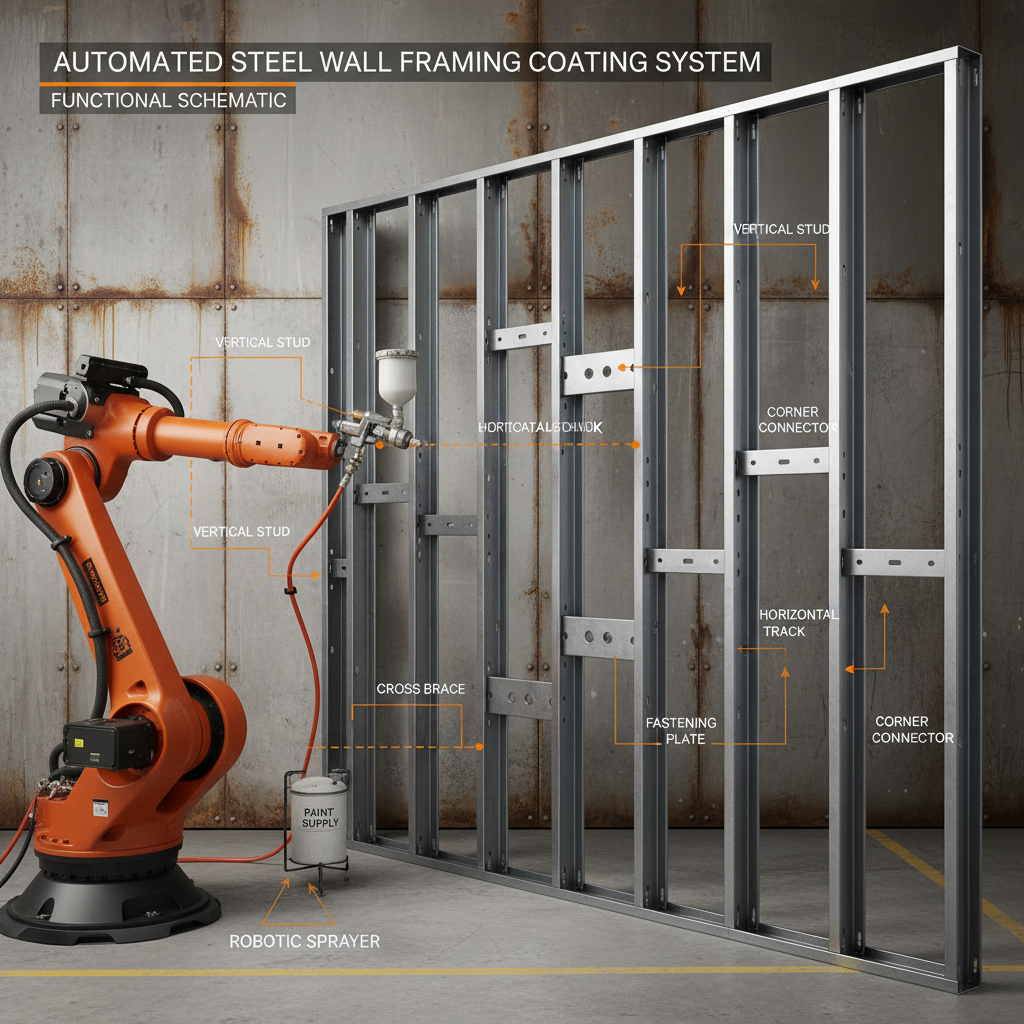
An automatic paint spray machine is a sophisticated system designed to apply paint, varnish, or other coatings to a surface without direct manual intervention. Unlike traditional hand-held spray guns, these machines utilize automated processes controlled by computer systems and robotics. They typically consist of a paint delivery system, spray nozzles, robotic arms or gantries, and a control system that coordinates all operations. The core purpose is to create a consistent, uniform, and high-quality finish with minimal waste and optimal efficiency.
The connection to modern industry and humanitarian needs is multifaceted. In industrial settings, they enhance production rates, reduce labor costs, and improve product quality. The precise control offered by these machines is crucial in industries with strict specifications, such as automotive, aerospace, and electronics. Furthermore, advances in portable and self-contained automatic paint spray machines are increasingly relevant in disaster relief efforts and remote construction projects, offering a rapid and efficient means of applying protective coatings to temporary shelters and infrastructure.
Essentially, the automatic paint spray machine represents the confluence of engineering, robotics, and materials science. It's not just a tool for applying paint; it’s a complete system optimized for coating processes, enabling businesses and organizations to achieve superior results while minimizing environmental impact and maximizing efficiency. Understanding its functionality is paramount to harnessing its full potential.
Key Components and Operational Factors
Durability is a critical factor in any industrial equipment, and automatic paint spray machines are no exception. Components like pumps, nozzles, and robotic arms are exposed to harsh chemicals and abrasive materials. High-quality construction, utilizing corrosion-resistant materials and robust designs, is essential to ensure longevity and minimize downtime. Regular maintenance and proper cleaning procedures further contribute to extending the lifespan of the machine.
Scalability refers to the ability of the machine to adapt to varying production volumes and surface sizes. Modular designs, allowing for the addition or removal of spray heads and robotic arms, provide flexibility to accommodate changing manufacturing needs. Software controls also play a crucial role, enabling adjustments to spray patterns, speeds, and coating thicknesses. Choosing a machine with scalable capabilities ensures that it can grow with your business.
Automatic Paint Spray Machine Performance Metrics
Global Applications and Use Cases
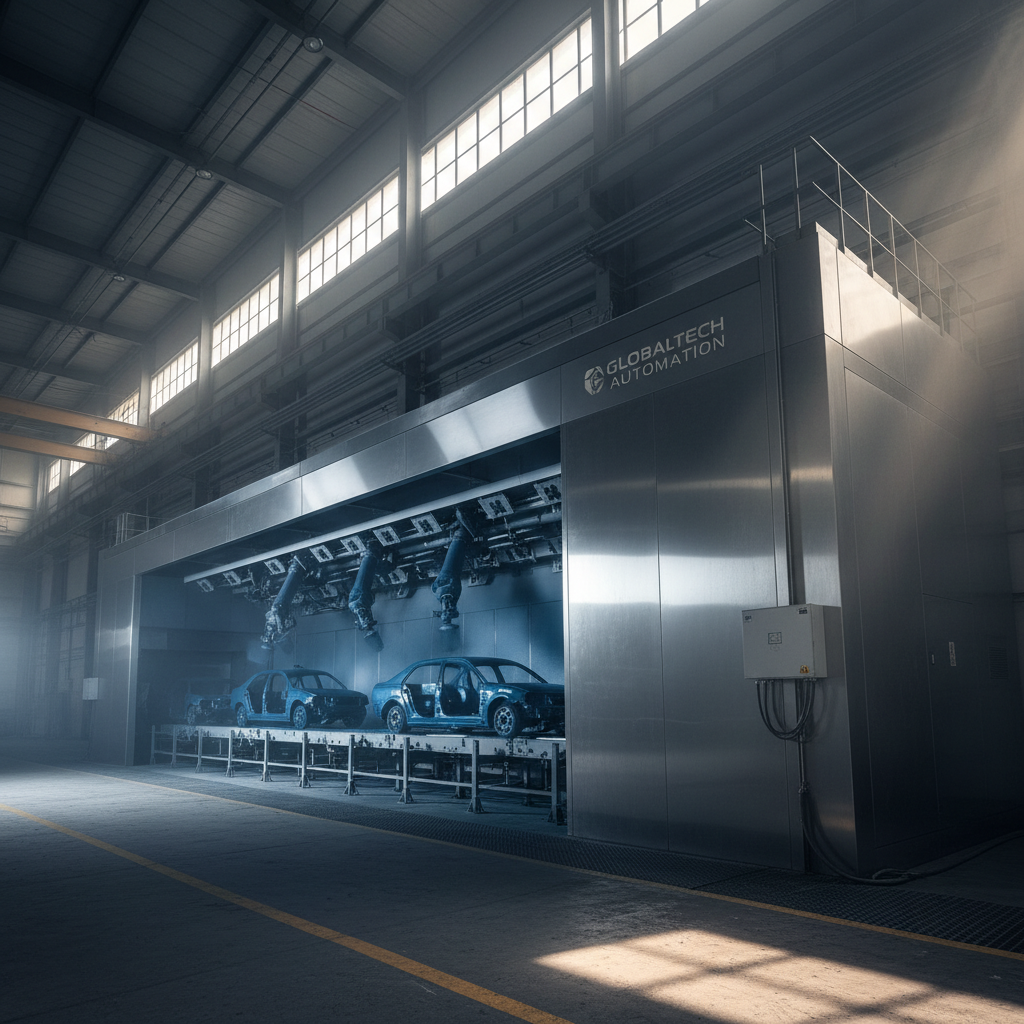
The automotive industry is a primary beneficiary of automatic paint spray machines. Manufacturers utilize these systems to apply multi-coat finishes to car bodies, ensuring a flawless and durable exterior. The speed and precision of automated painting dramatically increase production throughput and reduce defects. In Europe, companies like Volkswagen and Mercedes-Benz have fully integrated automatic paint systems into their assembly lines.
Aerospace applications demand stringent quality control and corrosion protection. Automatic paint spray machines are used to apply specialized coatings to aircraft components, protecting them from harsh environmental conditions and ensuring structural integrity. The aerospace industry in North America, particularly in the United States, relies heavily on these technologies.
Beyond these core industries, automatic paint spray machines are finding increasing application in furniture manufacturing, appliance finishing, and even architectural coatings. In remote industrial zones and post-disaster relief operations, portable and self-contained units provide a rapid and efficient means of applying protective coatings to temporary structures and infrastructure. This versatility highlights the wide-ranging applicability of this technology.
Advantages and Long-Term Value
The most tangible benefit of an automatic paint spray machine is cost reduction. By minimizing paint waste, reducing labor costs, and improving production efficiency, these machines deliver a significant return on investment. Sustainability is another key advantage; precise control over material usage minimizes environmental impact and helps businesses comply with increasingly stringent regulations.
Beyond the economic and environmental benefits, automatic paint spray machines enhance workplace safety. By removing workers from hazardous painting environments, they reduce exposure to harmful chemicals and improve overall worker well-being. Furthermore, the consistent quality and reliability of automated painting processes build trust with customers and enhance brand reputation. The peace of mind that comes with knowing your products are finished to the highest standards is invaluable.
Future Trends and Innovations
One significant trend is the integration of artificial intelligence (AI) and machine learning (ML) into automatic paint spray machines. AI-powered systems can analyze coating patterns, predict potential defects, and automatically adjust parameters to optimize performance. This leads to even greater efficiency, reduced waste, and improved quality control.
The development of new coating materials, such as environmentally friendly water-based paints and high-performance coatings with enhanced durability, is also driving innovation in automatic paint spray machine technology. Furthermore, the increasing adoption of digital twin technology allows manufacturers to simulate and optimize painting processes virtually, reducing the need for costly physical prototypes and experiments. These advancements collectively point towards a future of smarter, more sustainable, and more efficient coating processes.
Challenges and Solutions
A common challenge is the initial investment cost, which can be significant, particularly for smaller businesses. However, this cost can be offset by the long-term benefits of reduced labor costs, material waste, and improved product quality. Leasing options and financing plans can also help mitigate the upfront investment.
Another challenge is the complexity of programming and maintaining these machines. Expert training and ongoing technical support are crucial to ensure optimal performance. Manufacturers are addressing this by developing more user-friendly interfaces and offering comprehensive training programs.
Finally, adapting to different coating materials and surface geometries can require specialized configurations and adjustments. Developing more versatile spray nozzles and robotic arms, coupled with advanced software control systems, is helping to overcome this limitation and expand the applicability of automatic paint spray machines across a wider range of industries.
Summarizing Challenges and Solutions for Automatic Paint Spray Machine Implementation
| Challenge |
Impact on Implementation |
Potential Solution |
Implementation Score (1-10) |
| High Initial Cost |
Limits accessibility for smaller businesses |
Leasing options, financing plans |
8 |
| Programming Complexity |
Requires skilled operators and technicians |
User-friendly interfaces, comprehensive training |
7 |
| Material Adaptability |
Challenges with diverse coating types |
Versatile spray nozzles, advanced software control |
9 |
| Maintenance Requirements |
Downtime for regular upkeep |
Preventive maintenance schedules, remote diagnostics |
6 |
| Integration with Existing Systems |
Compatibility issues with legacy infrastructure |
Standardized communication protocols, API integration |
7 |
| Data Security Concerns |
Protecting sensitive production data |
Robust cybersecurity measures, data encryption |
8 |
FAQS
The payback period for an automatic paint spray machine varies depending on factors like production volume, labor costs, and material savings. However, many businesses experience a return on investment within 18-36 months due to reduced labor expenses, decreased material waste, and improved product quality. A detailed cost-benefit analysis, considering your specific operational parameters, is crucial for accurate projection.
Most automatic paint spray machines are designed to handle a wide range of coating materials, including water-based paints, solvent-based paints, varnishes, lacquers, and powder coatings. However, compatibility can vary depending on the specific machine model and nozzle configuration. It's essential to consult the manufacturer's specifications and ensure the machine is properly configured for the chosen coating material.
While automatic paint spray machines are designed to minimize manual intervention, operator training is essential for optimal performance and safety. Training typically covers machine operation, programming, maintenance, troubleshooting, and safety procedures. Manufacturers usually offer comprehensive training programs, ranging from on-site instruction to online courses.
Automatic paint spray machines significantly contribute to sustainability by minimizing paint waste through precise application control. They also reduce VOC emissions compared to manual spraying methods. Furthermore, by lowering energy consumption and optimizing material usage, these machines help businesses reduce their environmental footprint and comply with sustainability regulations.
Regular maintenance is vital for ensuring the longevity and performance of an automatic paint spray machine. This includes cleaning spray nozzles, replacing filters, lubricating moving parts, and inspecting hoses and connections. Following a preventative maintenance schedule recommended by the manufacturer can help minimize downtime and prevent costly repairs.
Yes, modern automatic paint spray machines incorporate several safety features, including emergency stop buttons, safety interlocks, and enclosed spray booths to prevent exposure to hazardous materials. Robotic arms are often equipped with collision detection systems to prevent accidents. Proper safety training for operators is also crucial to ensure a safe working environment.
Conclusion
In conclusion, the automatic paint spray machine represents a transformative technology for industries relying on efficient and high-quality coating processes. Its advantages – reduced costs, improved sustainability, enhanced safety, and consistent quality – are driving its widespread adoption globally. Understanding the core components, applications, and future trends of this technology is crucial for businesses seeking to remain competitive in today's rapidly evolving manufacturing landscape.
As innovation continues to accelerate, we can expect to see even more sophisticated features integrated into automatic paint spray machines, powered by AI, machine learning, and advanced materials science. Investing in this technology is not simply about upgrading equipment; it's about embracing a future of smarter, more sustainable, and more efficient manufacturing practices. To learn more about how an automatic paint spray machine can benefit your operation, visit our website: www.yeedtech.com