Equipment for the steel structure industry is fundamental to modern construction and infrastructure development globally. This encompasses a vast range of tools, machinery, and technologies used in the fabrication, erection, and maintenance of steel structures, from skyscrapers and bridges to industrial warehouses and residential buildings. The industry’s significance lies in steel's inherent strength, durability, and cost-effectiveness, making it a primary material for large-scale projects worldwide. Understanding the nuances of this equipment is crucial for enhancing efficiency, safety, and sustainability in the construction process.
The global demand for steel structures is consistently high, driven by urbanization, population growth, and the need for resilient infrastructure. According to the World Steel Association, global steel demand is projected to continue growing, particularly in developing economies. This surge in demand necessitates advanced and reliable equipment to meet the increasing needs of the construction sector. Investing in cutting-edge technology for the steel structure industry is no longer simply a matter of efficiency, but a necessity for competitive advantage.
Challenges within the steel structure industry, such as labor shortages, rising material costs, and increasingly stringent safety regulations, underscore the importance of optimizing processes through technological advancement. Efficient equipment, coupled with skilled operators, directly impacts project timelines, budgets, and overall quality. This makes a deep understanding of available equipment for the steel structure industry paramount for success in today's competitive landscape.
The Global Significance of Equipment for the Steel Structure Industry
The steel structure industry underpins countless aspects of modern life, from transportation networks and energy infrastructure to residential and commercial buildings. The quality and efficiency of equipment used in this sector directly impacts the speed, cost, and safety of these vital projects. This is particularly important in rapidly developing nations where infrastructure needs are greatest. Reliable equipment allows for faster project completion, leading to quicker economic returns and improved quality of life for communities.
Globally, the demand for innovative and sustainable construction solutions is increasing. This includes a focus on technologies that minimize waste, reduce energy consumption, and enhance the lifespan of steel structures. Specialized equipment, such as advanced welding machines and robotic fabrication systems, plays a critical role in achieving these goals. equipment for the steel structure industry continues to evolve, driven by the need for greater precision and automation.
Defining Equipment for the Steel Structure Industry
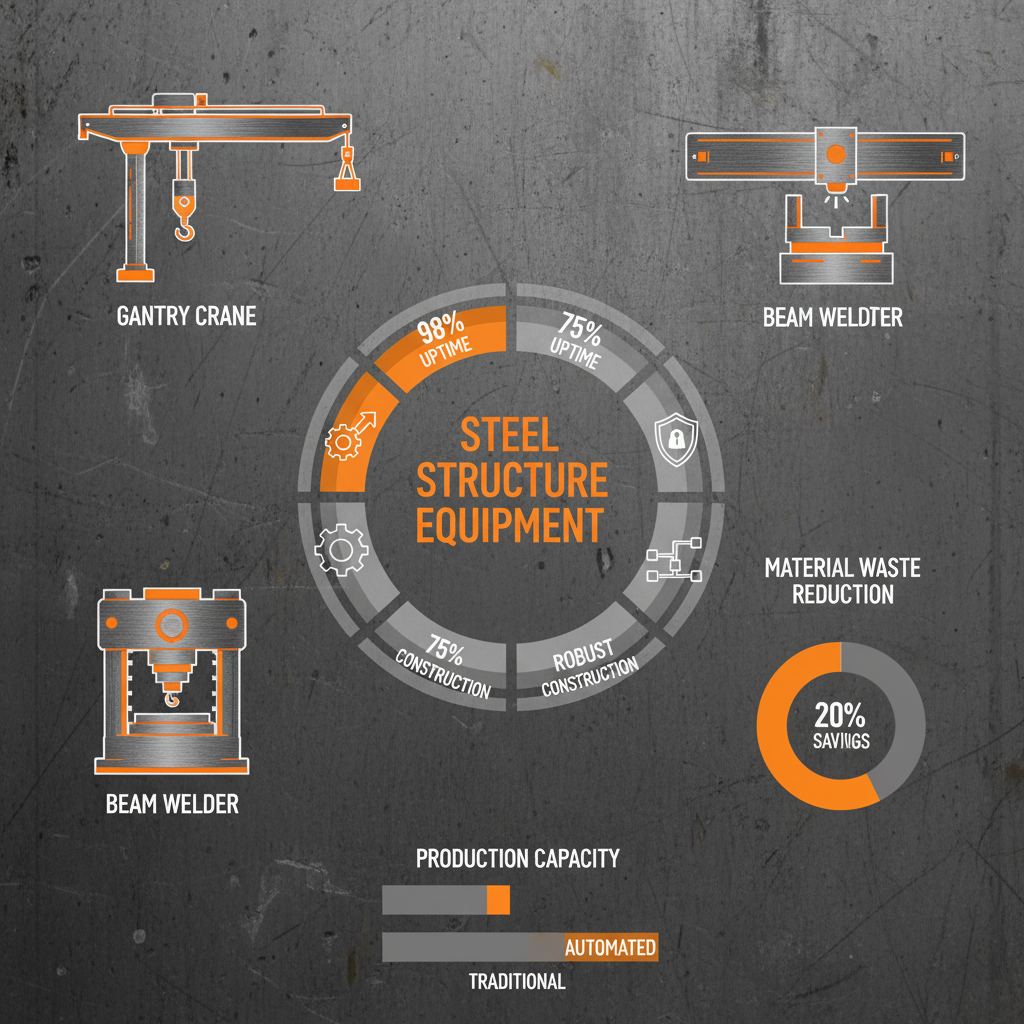
Equipment for the steel structure industry broadly encompasses all the tools, machinery, and systems used throughout the entire lifecycle of a steel structure – from initial design and fabrication to on-site erection, inspection, and maintenance. This includes, but isn’t limited to, cutting machines (plasma, laser, oxy-fuel), welding equipment (SMAW, GMAW, GTAW, SAW), lifting and rigging gear (cranes, hoists, slings), structural fabrication machines (roll forming, plate rolling, angle bending), and inspection tools (NDT equipment).
This equipment isn’t solely about the physical tools themselves. It also includes the software and technologies used for design, modeling (BIM), and project management. Modern steel fabrication increasingly relies on Computer-Aided Design (CAD) and Computer-Aided Manufacturing (CAM) systems to ensure accuracy and efficiency. The integration of these digital tools streamlines workflows and minimizes errors.
Ultimately, equipment for the steel structure industry is fundamental to turning engineering designs into tangible, safe, and durable structures. Its impact extends beyond simply building; it supports economic growth, facilitates infrastructure development, and enhances the resilience of communities worldwide.
Core Components of Effective Steel Structure Equipment
Durability is a paramount concern in the steel structure industry. Equipment must withstand harsh working conditions, including exposure to weather elements, heavy loads, and constant use. This requires robust construction, high-quality materials, and regular maintenance. Investing in durable equipment reduces downtime and minimizes long-term repair costs.
Precision is critical for ensuring the structural integrity and safety of steel constructions. Accurate cutting, welding, and assembly are essential to meet design specifications and prevent failures. Modern equipment often incorporates advanced technologies like laser guidance and automated controls to enhance precision.
Safety is non-negotiable in this industry. Equipment must be designed and operated with a strong emphasis on worker protection. Features like emergency stop mechanisms, safety guards, and ergonomic designs are vital to minimize the risk of accidents and injuries. Adherence to industry safety standards (ISO, OSHA) is also crucial.
Key Factors Influencing Equipment Selection
Cost-effectiveness is a significant consideration for any construction project. While initial purchase price is important, a total cost of ownership analysis should be conducted. This includes factors like maintenance costs, energy consumption, repair expenses, and potential downtime. Investing in energy-efficient equipment can lead to long-term savings.
Scalability refers to the equipment's ability to adapt to changing project requirements. Modular and adaptable equipment allows contractors to handle a variety of project sizes and complexities. Selecting equipment that can be easily upgraded or reconfigured provides greater flexibility.
Equipment Performance Metrics for Steel Structure Projects
Global Applications and Real-World Use Cases
In post-disaster relief operations, rapid deployment housing units constructed from steel offer a crucial lifeline. These prefabricated structures provide immediate shelter for displaced communities, leveraging the speed and efficiency of steel construction. The ability to transport and assemble these units quickly is paramount in emergency situations.
Across the globe, infrastructure projects – bridges, tunnels, and highways – heavily rely on specialized equipment for the steel structure industry. Large-scale cranes, welding robots, and advanced fabrication machinery are essential for completing these complex undertakings. equipment for the steel structure industry is critical in maintaining the reliability and safety of these vital transportation networks.
Advantages and Long-Term Value Proposition
The use of advanced equipment for the steel structure industry translates to significant cost savings through increased efficiency and reduced labor requirements. Automation and precision technologies minimize material waste and improve the overall quality of construction, reducing the need for costly rework. This leads to faster project completion and a quicker return on investment.
From a sustainability perspective, modern equipment often incorporates features that reduce energy consumption and minimize environmental impact. Precise cutting and welding techniques minimize material waste, and the durability of steel structures ensures a longer lifespan, reducing the need for frequent replacements.
Investing in reliable equipment fosters trust and enhances the reputation of construction companies. Delivering projects on time, within budget, and to the highest quality standards builds strong client relationships and secures future opportunities. Safety is also paramount, fostering a responsible and ethical approach to construction.
Future Trends and Innovations in Steel Structure Equipment
The integration of Artificial Intelligence (AI) and Machine Learning (ML) is poised to revolutionize the steel structure industry. AI-powered robots can perform complex tasks with greater precision and efficiency, while ML algorithms can optimize fabrication processes and predict potential failures.
Digital twins – virtual representations of physical steel structures – are gaining traction. These digital models allow engineers to monitor structural health, predict maintenance needs, and optimize performance in real-time. This technology requires advanced sensors and data analytics capabilities.
Sustainable materials and construction practices are driving innovation in equipment design. The development of low-carbon steel alloys and energy-efficient fabrication technologies will play a crucial role in reducing the environmental footprint of the steel structure industry.
Summary of Emerging Equipment Trends and Their Impacts
| Trend |
Impact on Efficiency |
Impact on Sustainability |
Investment Required |
| AI-Powered Robotics |
Significant (20-30% increase) |
Moderate (reduced waste) |
High |
| Digital Twin Technology |
Moderate (10-15% improvement) |
High (optimized maintenance) |
Medium |
| Additive Manufacturing (3D Printing) |
Potential for High (customization) |
Moderate (material optimization) |
High |
| Low-Carbon Steel Fabrication |
Minimal (process adaptation) |
Very High (reduced carbon footprint) |
Medium |
| Automated Inspection Systems |
Moderate (faster defect detection) |
Low (improved quality control) |
Medium |
| Remote Monitoring and Diagnostics |
Moderate (reduced downtime) |
Low (efficient resource allocation) |
Low to Medium |
FAQS
Selecting the right welding equipment requires careful consideration of several factors, including the type of steel being welded, the thickness of the material, the required weld quality, and the project environment. Different welding processes (SMAW, GMAW, GTAW, SAW) each have their own advantages and disadvantages regarding speed, precision, cost, and suitability for various applications. Consider the skill level of the welders as well. Investing in advanced, automated welding systems can significantly improve efficiency and weld quality, but also requires specialized training.
Crane safety is paramount during steel erection. Regular inspections and maintenance of cranes are crucial, along with strict adherence to safety regulations (OSHA, ASME). Qualified and certified crane operators are essential, as is thorough site planning to identify and mitigate potential hazards. Clear communication protocols, proper rigging procedures, and the use of personal protective equipment (PPE) are also vital. Load charts must be strictly followed, and no lifting should occur during inclement weather.
BIM offers substantial benefits in steel fabrication, including improved design accuracy, clash detection, and efficient material procurement. It enables better collaboration between architects, engineers, and fabricators, minimizing errors and rework. BIM models can also be used to generate CNC programs for automated fabrication equipment, streamlining the production process and reducing lead times. Furthermore, BIM facilitates accurate cost estimation and project scheduling.
Regular maintenance of laser cutting machines is vital for consistent performance. This includes cleaning the optics (lenses and mirrors) to maintain beam quality, checking and replacing nozzles, inspecting the gas supply system, and lubricating moving parts. The cutting bed should be kept clean and free of debris. Periodic calibration of the machine is also essential to ensure accuracy. Following the manufacturer's recommended maintenance schedule is highly advisable.
NDT methods allow for the detection of flaws and imperfections in steel structures without causing damage. Techniques like ultrasonic testing, radiographic testing, and magnetic particle inspection can identify cracks, voids, and other defects that could compromise structural integrity. Implementing a robust NDT program ensures that steel structures meet required quality standards and enhances their long-term durability and safety.
Automation is playing an increasingly significant role in steel fabrication, driving down labor costs and boosting efficiency. Automated welding robots, CNC cutting machines, and robotic material handling systems can perform repetitive tasks with greater speed and precision than manual labor. This reduces the risk of human error, improves throughput, and allows skilled workers to focus on more complex and value-added tasks.
Conclusion
In conclusion, equipment for the steel structure industry is the backbone of modern construction and infrastructure. Its evolution is driven by the need for increased efficiency, enhanced safety, and sustainable practices. From advanced welding technologies and automated fabrication systems to sophisticated inspection tools and digital modeling platforms, the equipment landscape is constantly transforming to meet the challenges of a rapidly changing world. Investing in cutting-edge equipment is not merely an expense; it’s a strategic investment in the future of construction.
Looking ahead, continued innovation in areas like AI, robotics, and sustainable materials will further revolutionize the steel structure industry. Embracing these advancements will require a commitment to ongoing training, adaptation, and collaboration. For organizations seeking to optimize their operations and deliver high-quality steel structures, staying abreast of the latest equipment trends and best practices is crucial. Visit our website to explore our comprehensive range of equipment solutions.