0%

Table of Contents

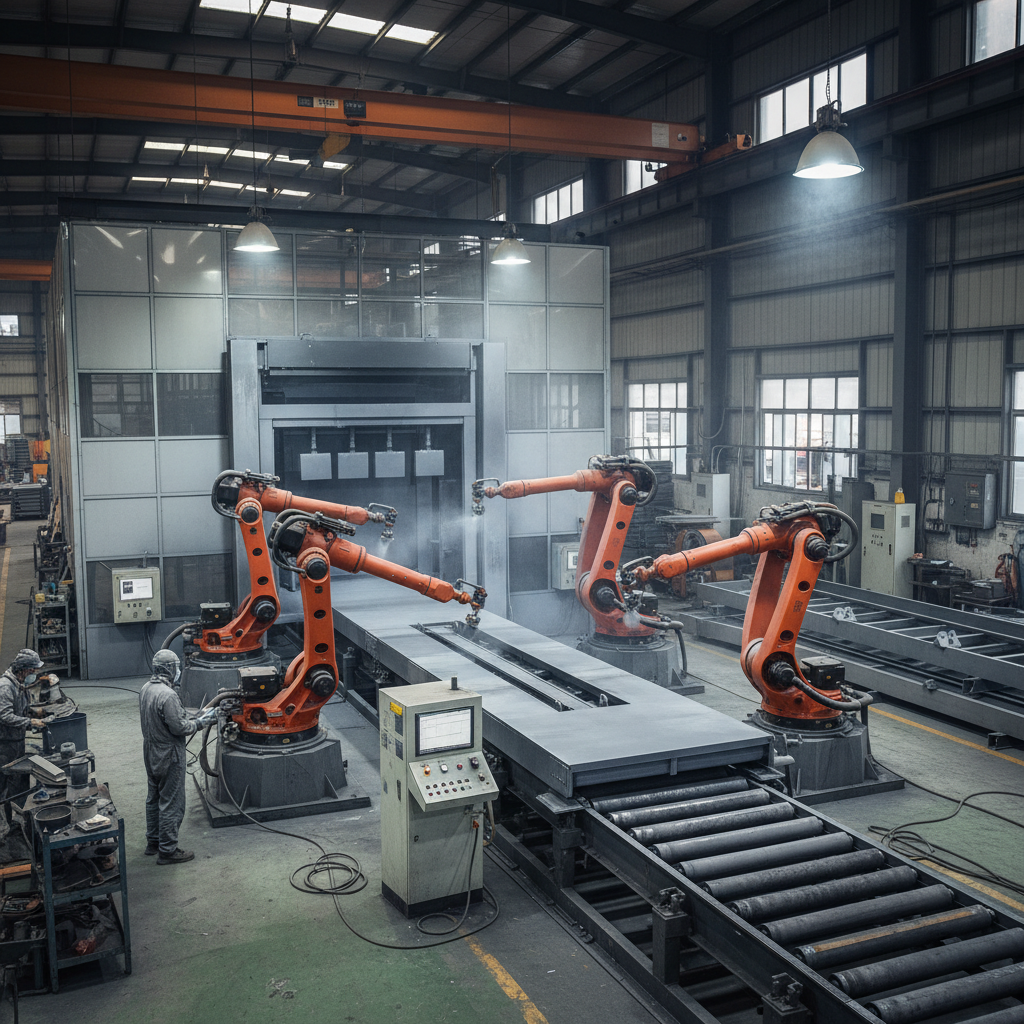
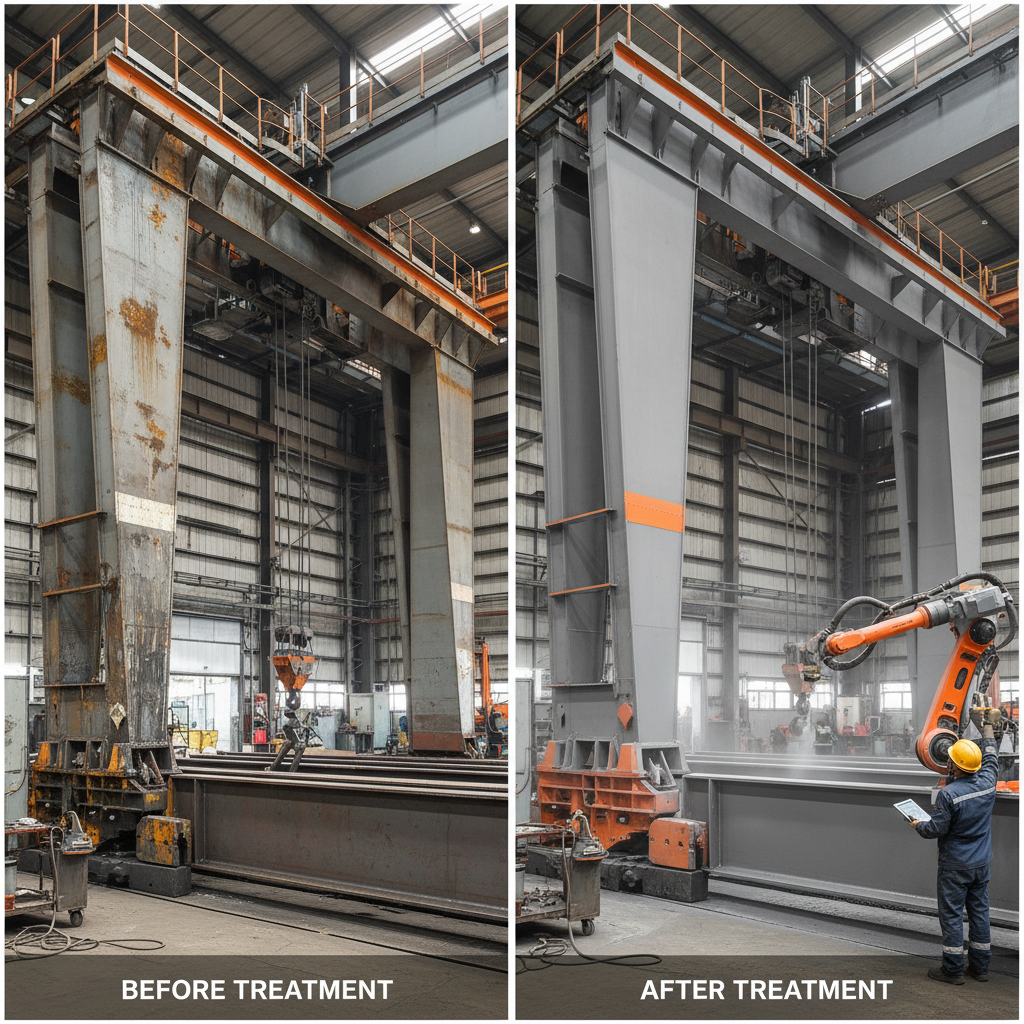
You know, things are really moving fast these days. Everyone's talking about prefabrication, modular construction… Honestly, it feels like every other project now has to be “modular.” It’s not just hype, though. Labor costs are climbing, everyone’s scrambling for skilled workers, and speed is king. That’s where automated paint spray systems really come into play. Used to be, you'd have a crew of guys with brushes and rollers, taking days, even weeks, on a big job. Now? A single system can do the same work in hours, with a much more consistent finish. It’s a game changer, really.

But it’s not all sunshine and roses. People think “automated” means “set it and forget it.” Wrong. You still need someone who knows what they're doing, someone who understands paint viscosity, spray patterns, and how different materials react. I've seen too many projects where they just threw a system in and expected magic, and the results were…well, let’s just say they weren't pretty.

And the push for everything to be "green" is also driving a lot of innovation. Water-based paints are becoming more and more common, but they’re trickier to spray consistently than solvent-based ones. You need a system that can handle the different flow characteristics and prevent clogging. That's where a lot of the newer tech is focused.
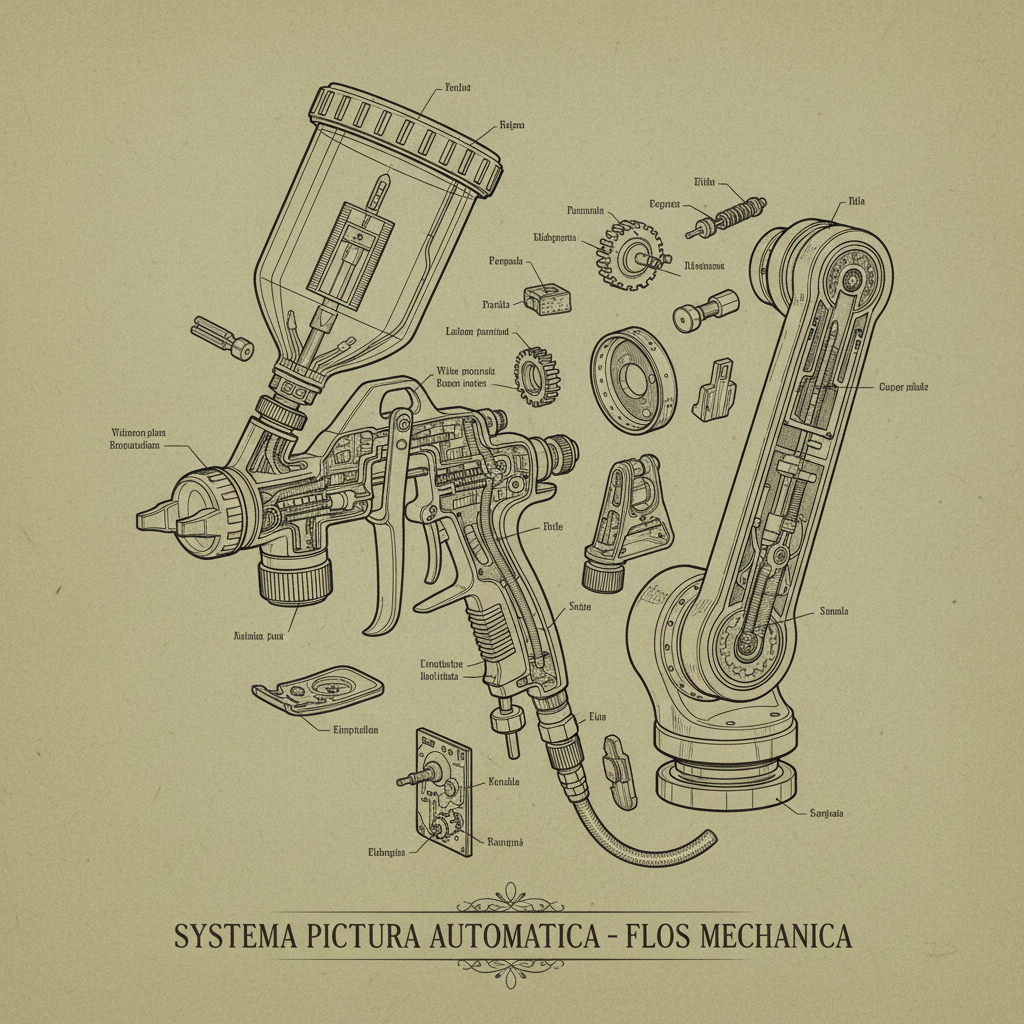
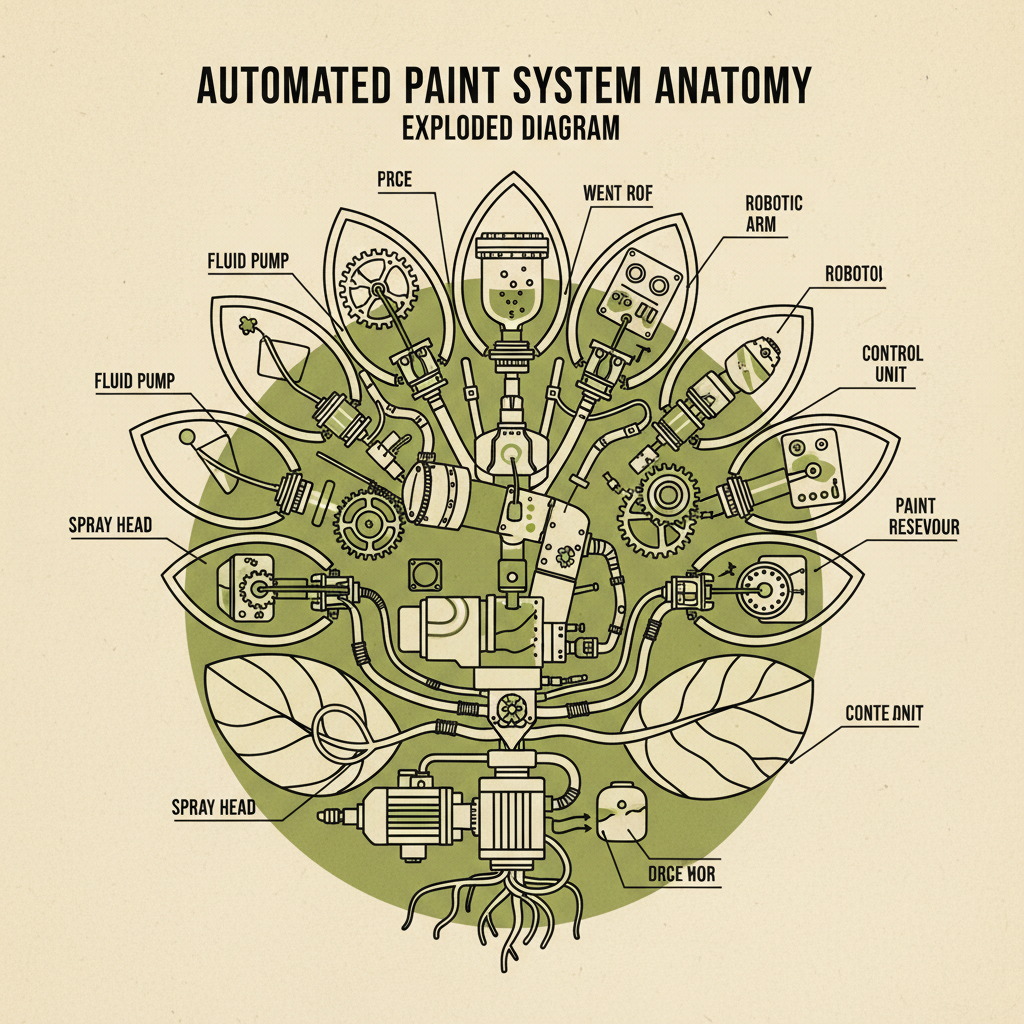
The Rise of Automated Paint Spray Systems in Modern Manufacturing

Industry Trends and Common Pitfalls

The Rise of Automated Paint Spray Systems in Modern Manufacturing

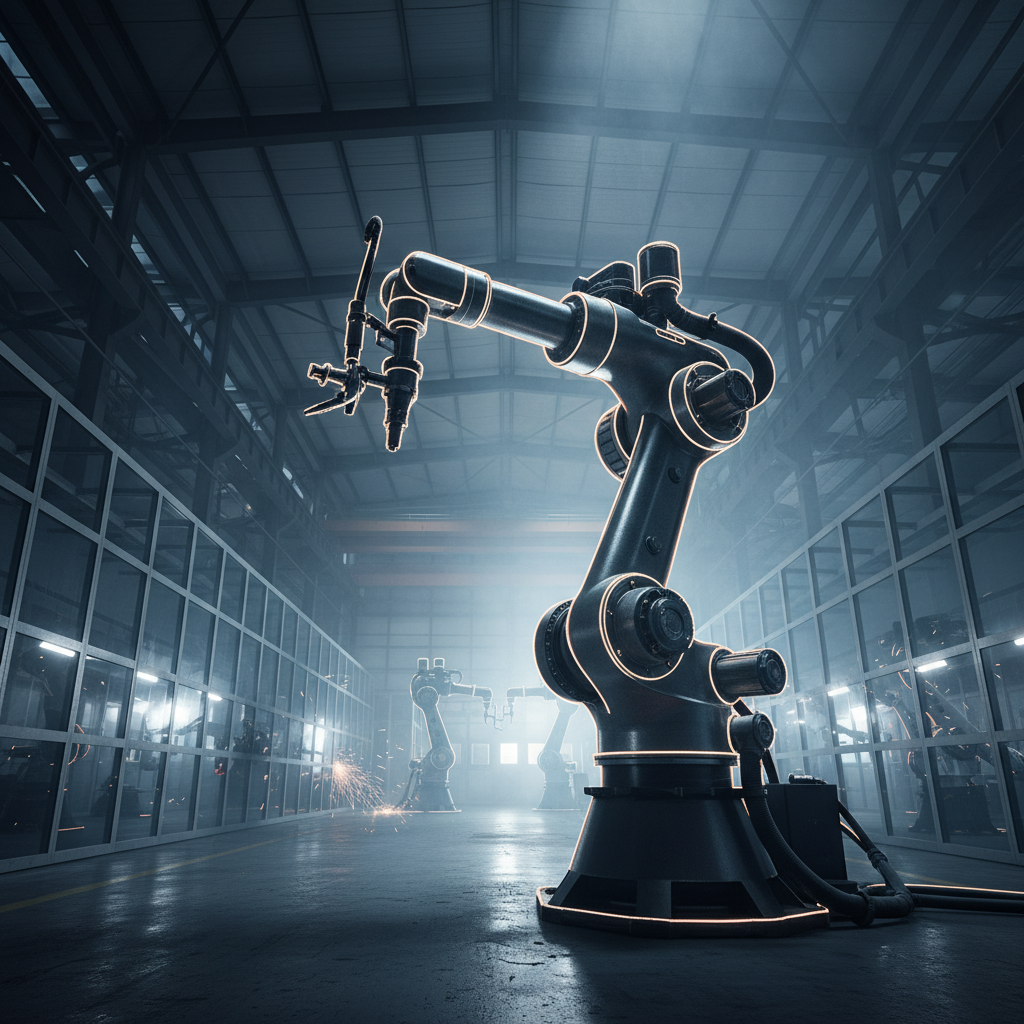
To be honest, the biggest trend is the move towards robotic integration. We’re seeing more and more systems paired with robots to handle everything from part manipulation to quality control. But, and this is a big but, the robots need to be programmed properly. I encountered this at a car parts factory last time – they had a fancy robotic arm, but the paint job was terrible because the robot was moving too fast on curved surfaces. It's all about finding that sweet spot between speed and precision.

A common pitfall I see? Underestimating the prep work. Automated paint spray systems can’t fix bad surfaces. If the material isn't clean, properly primed, and free of defects, the finish will be awful, no matter how sophisticated the system is. People try to cut corners there, and it always comes back to bite them.

Materials: More Than Just Names

Now, let’s talk materials. It’s not just about “paint.” There's epoxy, polyurethane, acrylic…each with its own quirks. Epoxy, for example, smells like…well, epoxy. It’s strong, durable, but it can be a pain to work with because it sets so quickly. Polyurethane is more flexible, but it’s sensitive to humidity. Acrylic is water-based, easier to clean up, but doesn't have the same level of chemical resistance.

I’ve noticed a lot of people are experimenting with bio-based paints lately, which is great for sustainability, but they can be trickier to spray consistently. They often have different viscosity profiles and require more careful calibration of the system. You really have to get your hands dirty and understand how these materials behave. Seriously, feeling the consistency, smelling the odor – it all tells you something.

And don't even get me started on the different types of solvents. The right solvent can make all the difference in how the paint flows and dries. Finding the right one is often a matter of trial and error, and a good nose.

Real-World Testing: Beyond the Lab

Lab tests are fine, but they don't tell the whole story. You need to see how the finish holds up in real-world conditions. We do a lot of salt spray tests, UV exposure tests, and abrasion resistance tests. But we also take samples out to actual job sites and let them get beat up. Have you noticed how quickly a pristine finish gets scratched and dinged on a construction site? It's brutal.

Strangely, one of the best tests we do is just letting our workers use the finished product. They’ll find the weak spots faster than any engineer with a fancy piece of equipment. They’re the ones who have to live with it every day, so their feedback is invaluable.

We also simulate different environmental conditions – extreme heat, cold, humidity – to see how the paint holds up. It's not always pretty, but it gives us a good indication of the system's limitations.

How Users Actually Use Automated Systems

It’s funny, you design these systems thinking people will use them a certain way, but they always find new ways to adapt them. I’ve seen guys use them to apply coatings to things we never even considered. It's kind of refreshing, actually.

One thing I’ve noticed is that a lot of users don't bother reading the manual. They just jump in and start experimenting. Which can be a good thing, but it also leads to a lot of frustration and wasted paint. Anyway, I think proper training is crucial, but getting everyone to commit to it is always a challenge.

Automated Paint Spray System Performance Indicators


Advantages, Disadvantages, and Customization

The advantages are pretty clear: increased speed, reduced labor costs, consistent quality. But there are drawbacks. The initial investment is high, and there's a learning curve. Plus, these systems require regular maintenance. They're not foolproof.

Customization is definitely possible. We had a customer who needed to paint oddly shaped parts. We had to modify the spray nozzles and add a rotating table to ensure even coverage. It took some work, but we got it done. That’s the beauty of these systems – they can be adapted to a wide range of applications.

A Customer Story: Shenzhen and the Interface

Last month, that small boss in Shenzhen who makes smart home devices insisted on changing the interface to . Said it was "more modern." But it meant we had to redesign the entire control panel, just for a connector! It added weeks to the project and cost a fortune. Later… forget it, I won’t mention it.

He wanted a custom paint scheme too, a really bright, almost neon green. It looked terrible on the prototypes, but he wouldn’t budge. He said it would "pop" on the shelves. I still think he was trying to one-up his competitor.

Anyway, we managed to pull it off. The devices sold well, apparently. But I learned a valuable lesson: sometimes, you just have to let the customer have their way, even if it seems crazy.

Summary of Core Performance Metrics for Automated Paint Spray Systems

System Type Initial Investment Cost Maintenance Frequency Operational Complexity
Robotic Systems $80,000 - $200,000 Monthly High
Automated Static Systems $30,000 - $70,000 Quarterly Medium
Electrostatic Systems $40,000 - $90,000 Semi-Annually Medium
Airless Systems $10,000 - $30,000 As Needed Low
Powder Coating Systems $60,000 - $150,000 Monthly High
HVLP Systems $5,000 - $15,000 As Needed Low

FAQS

What is the typical payback period for investing in an automated paint spray system?

Generally, you can expect a payback period of 2-5 years, depending on your production volume and labor costs. Larger operations with high throughput will see a faster return on investment. It's all about reducing labor, minimizing material waste, and improving finish quality. However, remember to factor in maintenance and potential downtime when calculating your ROI.

How do automated systems handle changes in product shape or size?

That’s a good question. Most systems can handle some degree of variation, but significant changes usually require adjustments to the programming and potentially the tooling. Some systems use sophisticated sensors and vision systems to automatically adjust to different shapes, but those are more expensive. It really depends on how much variability you have in your production line.

What level of training is required for operators of these systems?

Operators need a good understanding of paint chemistry, spray techniques, and system maintenance. We offer comprehensive training programs, but it's also important for operators to have some basic mechanical skills. It's not rocket science, but it's not something you can just jump into without any preparation. Proper training will prevent a lot of headaches down the road.

What are the common issues with automated paint spray systems?

Clogging is a big one, especially with water-based paints. Also, inconsistent spray patterns, uneven coverage, and robotic arm malfunctions are relatively common. Regular maintenance, proper filter replacement, and careful calibration are key to preventing these issues. Don’t ignore the little things!

Can automated systems be used with specialty coatings like powder coating?

Absolutely! In fact, automated systems are often essential for applying powder coatings evenly and efficiently. But powder coating requires specialized equipment and a different approach than liquid paints. You need to consider factors like electrostatic charge and powder recovery systems. It’s a whole different ball game.

How do automated paint spray systems contribute to sustainability?

They significantly reduce paint waste due to precise application and minimal overspray. This leads to lower VOC emissions and a smaller environmental footprint. Also, the ability to switch to more sustainable water-based paints is easier with automated systems that can handle their unique properties. It’s a win-win.

Conclusion

Ultimately, automated paint spray systems aren't a magic bullet. They require careful planning, proper training, and ongoing maintenance. But when implemented correctly, they can dramatically improve efficiency, reduce costs, and enhance product quality. They're a powerful tool for manufacturers looking to stay competitive in today’s market.

And remember, the industry is always evolving. New technologies and materials are constantly emerging. So, staying informed and adapting to change is crucial. Ultimately, whether this thing works or not, the worker will know the moment he tightens the screw.

Julian Vance

Julian Vance

Julian Vance is the Head of Software Development at Yeed Tech, responsible for the software infrastructure that powers our intelligent equipment. His team develops the user interfaces, data analytics tools, and remote monitoring systems that enhance the functionality and usability of our product lines. Julian has a strong background in
Previous Optimizing Production with an Automatic Spray Painting System with Conveyor
Next Navigating the Landscape of Automated Spray Painting Machines and Industry Insights