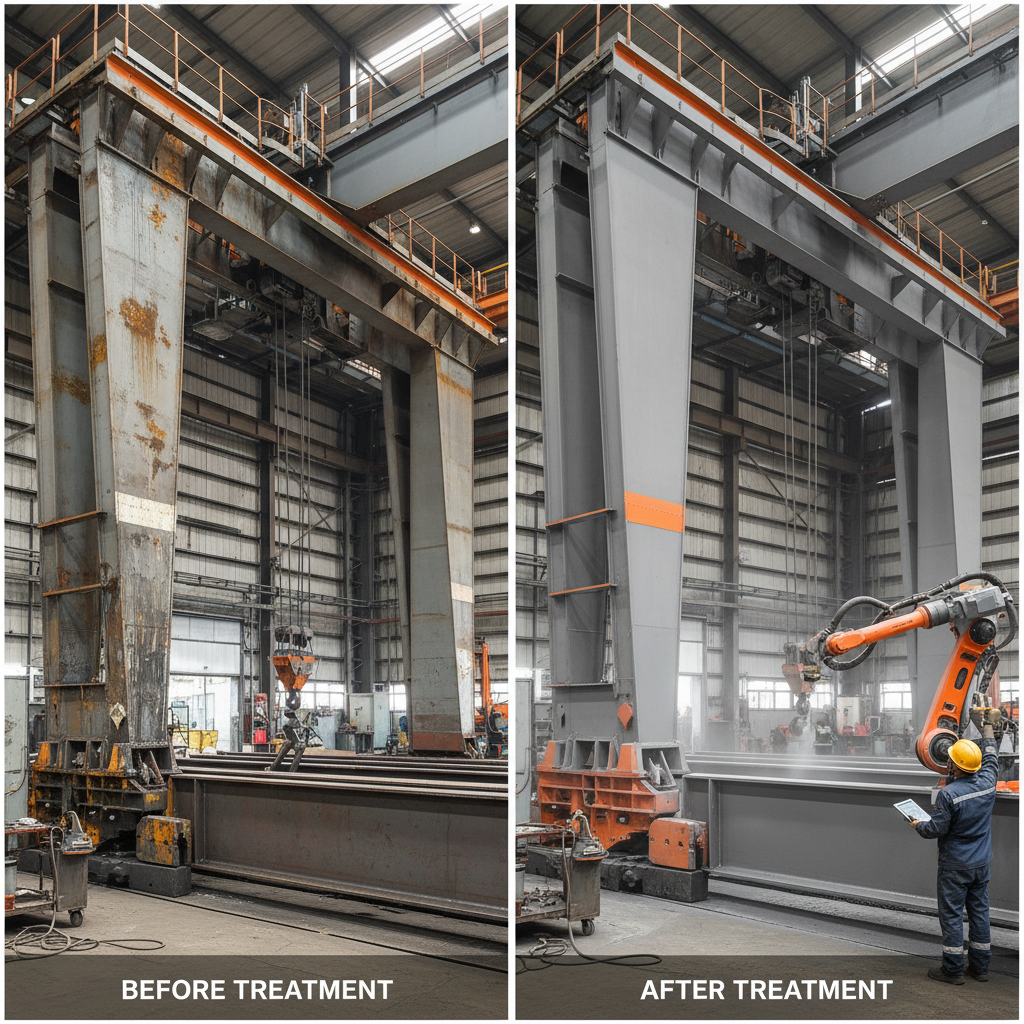
Steel structure surface treatment is a critical process in ensuring the longevity, safety, and aesthetic appeal of steel constructions. From bridges and skyscrapers to industrial facilities and residential buildings, protecting steel from corrosion and environmental degradation is paramount. This treatment encompasses a range of techniques designed to create a protective barrier against the elements, extending the lifespan of these vital infrastructures and minimizing maintenance costs. Understanding the nuances of steel structure surface treatment is therefore essential for engineers, architects, and construction professionals globally.
The global demand for durable and sustainable infrastructure is rapidly increasing, driven by population growth, urbanization, and a heightened awareness of environmental impact. According to the UN, global infrastructure investment needs are projected to reach $94 trillion by 2040. Consequently, the demand for effective corrosion protection solutions, including advanced surface treatments, is also surging. This is especially true in developing nations where infrastructure deficits are most acute, and where the cost-effectiveness of extending infrastructure lifespan is vital.
The economic consequences of inadequate steel protection are substantial. The World Bank estimates that corrosion costs global economies trillions of dollars annually. Effective steel structure surface treatment mitigates these losses, reduces the need for costly repairs and replacements, and enhances the overall safety and reliability of critical infrastructure.
Introduction to Steel Structure Surface Treatment
Steel structure surface treatment isn't merely about aesthetics; it’s a fundamental engineering necessity. Properly applied treatments prevent corrosion, which is the gradual destruction of materials by chemical or electrochemical reaction with their environment. This degradation weakens structures and compromises their integrity, leading to potential failures and safety hazards. Effective surface treatment substantially prolongs the service life of steel assets.
Different environments present varying levels of corrosive challenges. Marine environments, industrial zones with high levels of pollutants, and even areas with frequent temperature fluctuations require tailored surface treatment solutions. Selecting the right process depends on the type of steel, the intended application, and the specific environmental conditions. The cost-benefit analysis often makes preventative treatment far more economical than reactive repairs or replacements.
Defining Steel Structure Surface Treatment
Steel structure surface treatment encompasses a broad range of processes applied to the steel surface to enhance its resistance to corrosion, wear, and other forms of degradation. These processes typically involve cleaning, preparation, and the application of protective coatings or layers. The goal is to isolate the steel from the corrosive environment, forming a barrier that prevents oxidation and other damaging reactions.
This concept is fundamentally linked to modern industry, as steel is a core building block in construction, manufacturing, transportation, and energy sectors. Without effective surface treatment, the reliability and durability of these essential industries would be severely compromised. Furthermore, in humanitarian contexts, robust and long-lasting infrastructure is vital for disaster relief, providing shelter, and supporting community recovery.
The evolution of surface treatment techniques reflects a continuous pursuit of improved performance, environmental sustainability, and cost-effectiveness. From traditional methods like galvanizing and painting to more advanced technologies like powder coating and thermal spraying, the field is constantly innovating to meet the demands of a changing world.
Key Factors in Surface Treatment
Durability: A primary factor is the longevity of the protective layer. The chosen treatment must withstand the anticipated environmental stresses – UV exposure, temperature swings, humidity, chemical exposure – for the intended lifespan of the structure. The durability is often measured by salt spray testing and accelerated weathering simulations.
Adhesion: The coating’s ability to adhere strongly to the steel substrate is critical. Poor adhesion leads to blistering, peeling, and premature failure of the protective system. Surface preparation, including proper cleaning and profiling, is essential for maximizing adhesion. Specialized primers are frequently used to enhance bonding.
Cost-Effectiveness: The overall cost, including material, labor, and application equipment, must be considered. While some treatments offer superior performance, their high cost may make them impractical for certain applications. A balance between performance and cost is often necessary.
Environmental Impact: Increasingly, the environmental footprint of surface treatment processes is a significant factor. Regulations are becoming stricter regarding volatile organic compounds (VOCs) and hazardous materials. Water-based coatings and powder coating are gaining popularity as more environmentally friendly alternatives.
Corrosion Resistance: The level of protection against different types of corrosion (e.g., general corrosion, pitting corrosion, crevice corrosion) must be appropriate for the specific environment. The coating's barrier properties, cathodic protection mechanisms, and ability to inhibit corrosion reactions all contribute to its corrosion resistance.
Aesthetic Appeal: In many applications, the appearance of the finished surface is important. The chosen treatment should provide the desired color, gloss, and texture.
Global Applications and Use Cases
Steel structure surface treatment is ubiquitous across a wide range of industries. In the construction sector, it’s crucial for protecting bridges, high-rise buildings, and infrastructure projects from corrosion and weathering. The automotive industry relies heavily on coatings to prevent rust and maintain the aesthetic appeal of vehicles. The marine industry utilizes specialized coatings to protect ships, offshore platforms, and port structures from the harsh saltwater environment.
In remote industrial zones, such as oil and gas facilities in arctic regions or mining operations in desert environments, robust surface treatment is essential for ensuring the reliable operation of critical equipment and infrastructure. Similarly, in post-disaster relief operations, rapidly deployable steel structures treated with corrosion-resistant coatings can provide immediate shelter and support to affected communities.
Countries with extensive coastlines, such as Japan, the Netherlands, and Brazil, are at the forefront of developing and implementing advanced corrosion protection technologies. Organizations like the International Standards Organization (ISO) play a critical role in setting global standards for surface treatment processes, ensuring consistent quality and performance.
Comparison of Steel Structure Surface Treatment Methods
Advantages and Long-Term Value
The advantages of effective steel structure surface treatment are multifaceted. From a financial perspective, extending the lifespan of steel structures significantly reduces lifecycle costs. This includes minimizing repair expenses, avoiding premature replacements, and decreasing downtime. Sustainability is another key benefit, as reducing the demand for new steel production conserves natural resources and lowers carbon emissions.
Beyond the tangible benefits, there's a critical element of safety and reliability. Properly treated steel structures are less prone to failure, safeguarding human lives and protecting valuable assets. This builds trust and confidence in the infrastructure that supports our daily lives. The enhanced aesthetic appearance provided by some surface treatments can also contribute to a more positive user experience and improve property values.
Future Trends and Innovations
The field of steel structure surface treatment is undergoing rapid innovation, driven by advancements in materials science and nanotechnology. Self-healing coatings, which can repair minor damage automatically, are showing promising results. The development of more environmentally friendly coatings, with lower VOC emissions and reduced reliance on hazardous materials, is also a major focus.
Digital transformation is playing an increasing role, with the use of sensors and data analytics to monitor coating performance and predict maintenance needs. Automation and robotics are being implemented to improve the efficiency and quality of surface treatment processes. Furthermore, research into bio-based coatings, derived from renewable resources, offers the potential for a truly sustainable approach to corrosion protection.
Challenges and Solutions
Despite advancements, several challenges remain. The cost of some high-performance coatings can be prohibitive, limiting their widespread adoption. Ensuring proper surface preparation, which is crucial for adhesion, can be time-consuming and labor-intensive. The long-term durability of some newer coatings is still being evaluated.
Innovative solutions are emerging to address these challenges. Developments in pre-treatment technologies are streamlining surface preparation processes. Research into new coating formulations is reducing material costs and improving performance. The use of predictive maintenance strategies, based on data analytics, can optimize coating maintenance schedules and minimize overall costs.
Addressing the skills gap in surface treatment application is also critical. Providing comprehensive training programs for applicators ensures that coatings are applied correctly and effectively, maximizing their performance and longevity.
Summary of Common Challenges and Potential Solutions in Steel Structure Surface Treatment
| Challenge |
Impact on Project |
Potential Solution |
Implementation Cost (1-10) |
| High Initial Coating Cost |
Budget overruns, potential for using lower-quality alternatives |
Lifecycle cost analysis demonstrating long-term savings |
4 |
| Inadequate Surface Preparation |
Poor coating adhesion, premature failure |
Improved inspection processes and pre-treatment technologies |
6 |
| Environmental Regulations |
Restrictions on VOCs and hazardous materials |
Adoption of water-based coatings and powder coating |
5 |
| Lack of Skilled Labor |
Improper application, reduced coating performance |
Comprehensive training programs for applicators |
7 |
| Difficult Access for Maintenance |
Increased inspection and repair costs |
Remote monitoring and diagnostic tools |
8 |
| Uncertain Long-Term Performance |
Risk of premature coating failure |
Accelerated weathering tests and field monitoring |
3 |
FAQS
The most prevalent types include uniform corrosion, pitting corrosion, crevice corrosion, and galvanic corrosion. Uniform corrosion involves a general thinning of the steel surface, while pitting corrosion creates localized holes. Crevice corrosion occurs in narrow gaps, and galvanic corrosion happens when dissimilar metals are in contact. Proper steel structure surface treatment addresses these vulnerabilities by creating a protective barrier.
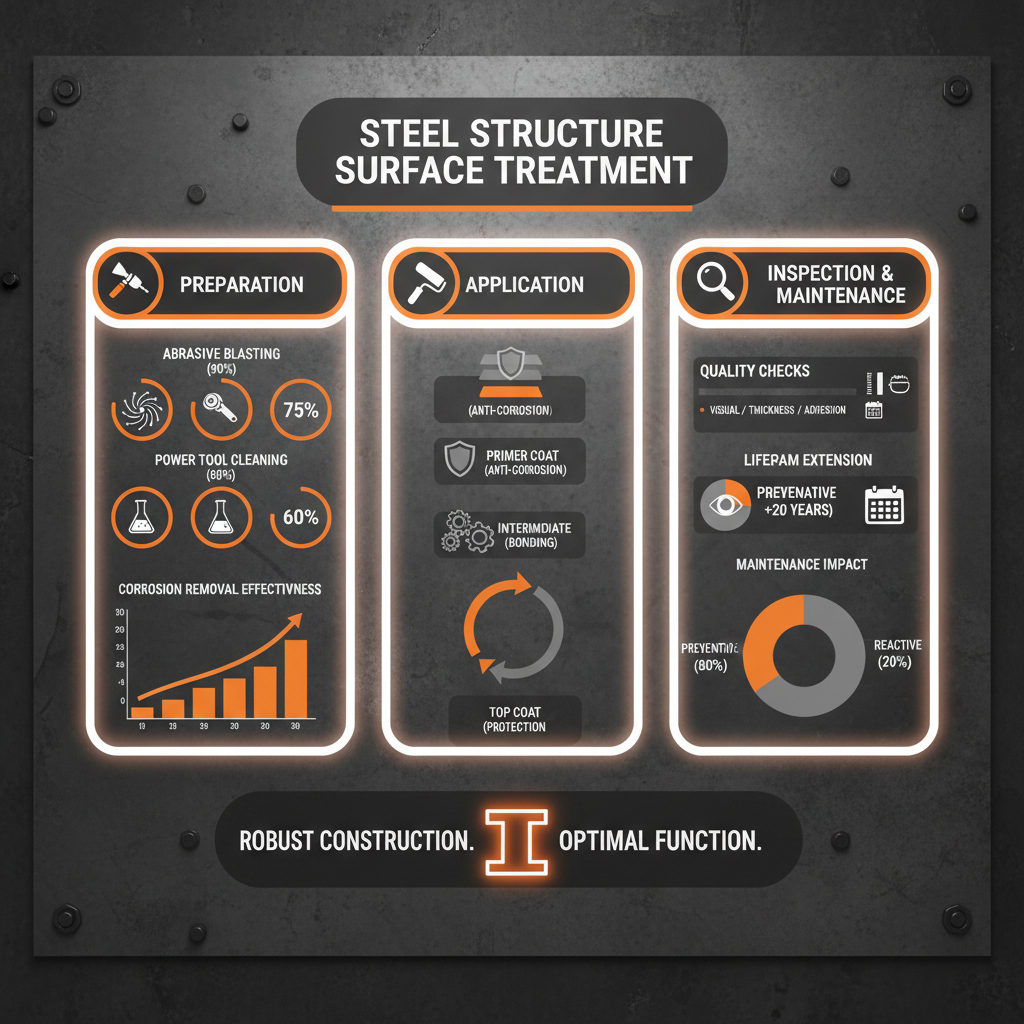
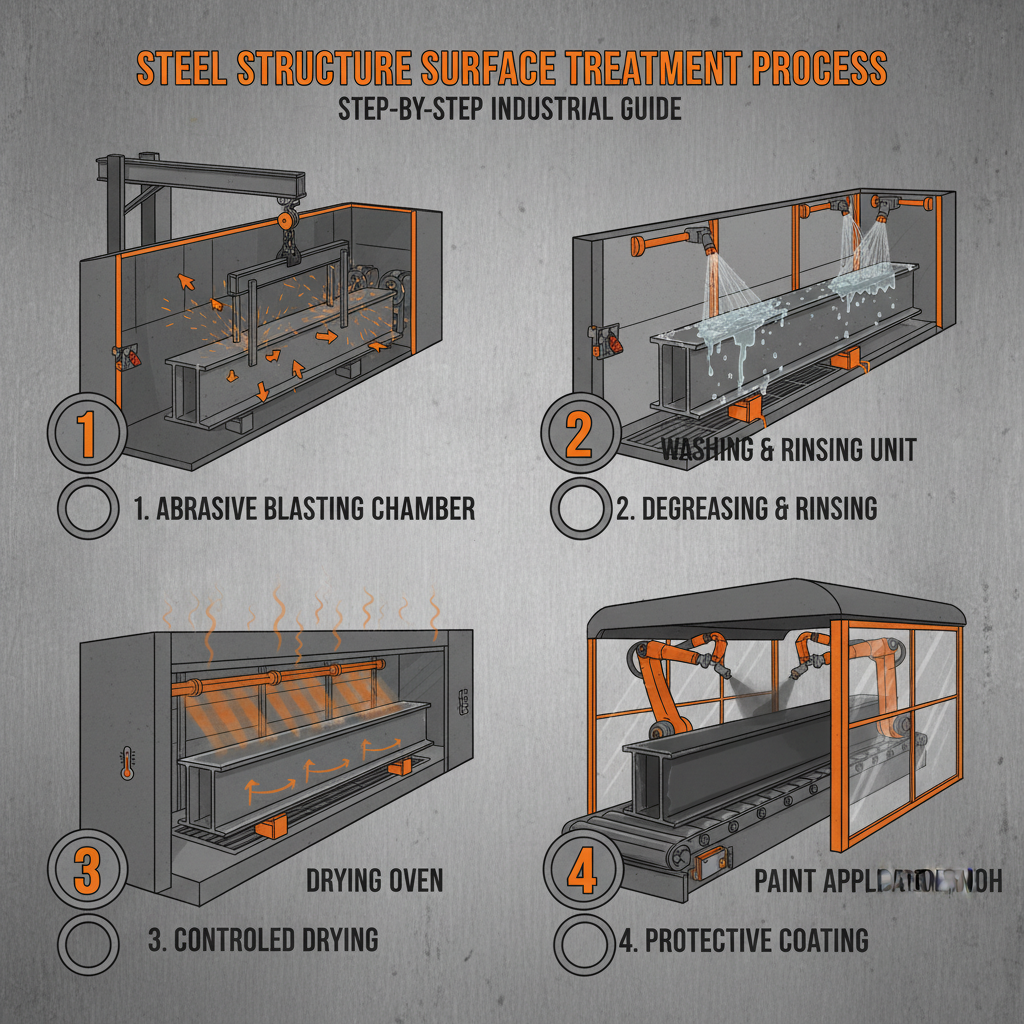
Surface preparation is arguably the most critical step. Removing contaminants like rust, oil, and dirt ensures optimal adhesion of the coating. Methods include abrasive blasting, chemical cleaning, and power tool cleaning. A properly prepared surface significantly extends the coating's lifespan and prevents premature failure, maximizing the benefit of the surface treatment.
Traditional coating systems often contain volatile organic compounds (VOCs) that contribute to air pollution. Some processes also generate hazardous waste. However, increasingly environmentally friendly alternatives are available, such as water-based coatings, powder coating, and high-solids formulations. Selecting sustainable options is a growing priority.
Inspection frequency depends on the environment and the criticality of the structure. For structures in harsh environments (e.g., marine, industrial), annual inspections are recommended. Regular visual inspections, along with more detailed non-destructive testing (NDT) methods, can identify corrosion early, allowing for timely repairs and preventing significant damage. The surface treatment's condition should be a key focus.
Surface coatings create a physical barrier to prevent corrosion, while cathodic protection employs electrochemical techniques to reduce the corrosion rate. Cathodic protection involves making the steel a cathode in an electrochemical cell, suppressing oxidation. They are often used in conjunction – a coating provides the primary barrier, while cathodic protection offers additional long-term protection, especially in submerged or buried structures.
Temperature can significantly impact the performance of surface treatments. Extreme temperatures can cause coatings to become brittle or lose adhesion. Thermal expansion and contraction can create stress, leading to cracking or blistering. Choosing coatings specifically designed for the expected temperature range is essential. Proper application temperature control is also crucial for optimal results.
Conclusion
In conclusion, steel structure surface treatment is an indispensable practice for ensuring the durability, safety, and sustainability of our built environment. From protecting critical infrastructure to reducing lifecycle costs and minimizing environmental impact, the benefits are undeniable. A comprehensive understanding of the various treatment options, coupled with proper application and ongoing maintenance, is crucial for maximizing the value of these essential assets.
Looking ahead, continued innovation in materials science, nanotechnology, and digital monitoring will drive further advancements in surface treatment technologies. Investing in research and development, promoting sustainable practices, and prioritizing skilled labor will be essential for addressing the evolving challenges of corrosion protection and building a more resilient future. Visit our website at www.yeedtech.com to learn more about our comprehensive solutions for steel structure protection.