Steel component spray painting is a crucial industrial process impacting numerous sectors globally, from automotive and construction to aerospace and infrastructure. It’s more than just aesthetics; it’s a vital protective measure extending the lifespan of steel structures and components, reducing maintenance costs, and enhancing safety. Understanding the nuances of this process – material selection, application techniques, and quality control – is paramount for achieving optimal performance and long-term durability.
The global demand for steel component spray painting is consistently high, driven by continuous infrastructure development, manufacturing expansion, and increasing regulations regarding corrosion protection. According to a report by the World Steel Association, global steel demand reached 1.869 billion tonnes in 2022, underlining the substantial need for effective coating solutions. This demand isn't just concentrated in developed economies; emerging markets are also significantly contributing to growth, creating both opportunities and challenges for the spray painting industry.
Effective steel component spray painting addresses critical issues like corrosion, wear, and environmental degradation. It's a preventative measure that can save billions in repair and replacement costs annually. Furthermore, advancements in coating technologies are leading to more sustainable and environmentally friendly solutions, aligning with global efforts to reduce carbon footprints and promote responsible manufacturing practices.
Introduction to steel component spray painting
The application of coatings to steel components via spray painting is a cornerstone of modern industrial practices. This process safeguards against corrosion, enhances aesthetic appeal, and extends the service life of vital infrastructure and equipment. Effective steel component spray painting directly impacts the efficiency and safety of various sectors.
The choice of spray painting techniques and materials is heavily influenced by the specific application, environmental conditions, and performance requirements. From simple protective coatings to complex multi-layer systems designed for extreme environments, the versatility of spray painting makes it an indispensable process across a wide range of industries.
Defining Steel Component Spray Painting
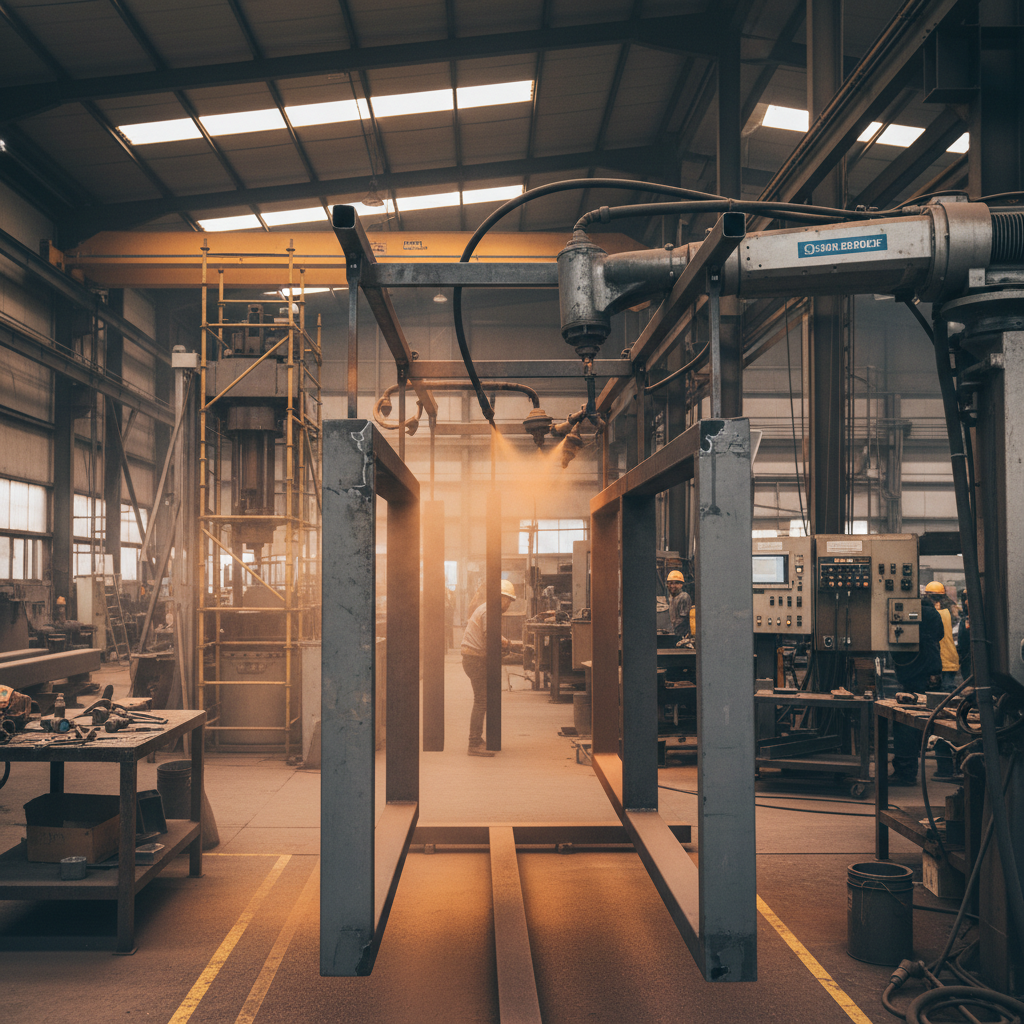
Steel component spray painting is the application of a protective and/or aesthetic coating to steel surfaces using a spray gun. This coating can be comprised of various materials, including paints, primers, epoxies, polyurethanes, and powder coatings. The process involves atomizing the liquid or powdered coating material and applying it evenly to the steel component, creating a durable and consistent finish.
Unlike brushing or rolling, spray painting offers superior coverage, especially on complex shapes and large surface areas. It’s a faster and more efficient method, minimizing downtime and maximizing productivity in industrial settings. The quality of the final finish is highly dependent on factors like proper surface preparation, coating formulation, and the skill of the applicator.
This technique is intrinsically linked to modern industry and humanitarian needs. For instance, spray painting ensures the longevity of bridges, pipelines, and storage tanks critical for infrastructure. Simultaneously, it plays a role in protective coatings for disaster relief shelters, ensuring durability and suitability for harsh conditions.
Key Factors in Steel Component Spray Painting
Durability: The longevity of a spray-painted steel component is paramount. This depends on the quality of the coating, proper surface preparation (removing rust and contaminants), and the application technique. Coatings designed to withstand UV exposure, abrasion, and chemical attack are crucial for long-term performance. Effective steel component spray painting inherently enhances a component’s life cycle.
Corrosion Resistance: Steel is susceptible to corrosion, a major cause of structural failure. Spray painting with corrosion-resistant coatings – such as zinc-rich primers or epoxy coatings – creates a barrier against moisture and oxygen, preventing rust formation and extending the component’s service life. This is arguably the most vital function of steel component spray painting.
Adhesion: Proper adhesion between the coating and the steel substrate is essential. Poor adhesion can lead to peeling, blistering, and ultimately, coating failure. Surface preparation, including sandblasting or chemical etching, is critical for creating a profile that promotes strong adhesion.
Environmental Compliance: Modern spray painting operations must adhere to strict environmental regulations regarding VOC (Volatile Organic Compound) emissions. The use of low-VOC coatings, proper ventilation, and waste management practices are essential for minimizing environmental impact.
Aesthetic Appeal: While primarily functional, spray painting also contributes to the aesthetic appearance of steel components. Color selection, finish quality (gloss, matte, textured), and even application consistency play a role in the overall visual appeal.
Global Applications of Steel Component Spray Painting
Steel component spray painting is ubiquitous across numerous industries. In the automotive sector, it’s used for vehicle bodies, chassis, and interior components, providing corrosion protection and aesthetic finishes. The construction industry relies heavily on spray painting for structural steel, bridges, and building facades, safeguarding against weathering and corrosion.
The aerospace industry demands high-performance coatings for aircraft components, protecting against extreme temperatures, UV radiation, and corrosive environments. Marine applications utilize specialized coatings to prevent biofouling and corrosion on ship hulls and offshore structures. Even in the renewable energy sector, spray painting protects wind turbine towers and solar panel supports.
Regions with harsh climates, such as coastal areas or industrial zones, see particularly high demand for robust spray painting services. For example, in the Gulf Coast region of the United States, facilities specializing in steel component spray painting are critical for maintaining infrastructure and protecting against saltwater corrosion. Similarly, in rapidly developing nations like China and India, large-scale infrastructure projects drive significant demand for corrosion protection solutions.
Steel Component Spray Painting Application Breakdown
Advantages and Long-Term Value
The primary advantage of steel component spray painting lies in its cost-effectiveness over the lifespan of the component. Preventing corrosion through protective coatings significantly reduces maintenance and repair costs, ultimately extending the asset’s operational life. Properly applied coatings can delay the need for replacement by decades, resulting in substantial savings. This directly contributes to economic sustainability.
Furthermore, advancements in coating technology are yielding more environmentally friendly options. Low-VOC coatings, powder coatings, and water-based paints minimize harmful emissions, promoting a healthier environment and reducing the carbon footprint of industrial operations. These sustainable solutions are increasingly demanded by environmentally conscious customers and regulatory bodies. Selecting the proper steel component spray painting method can deliver long term value beyond mere cost savings.
Future Trends and Innovations
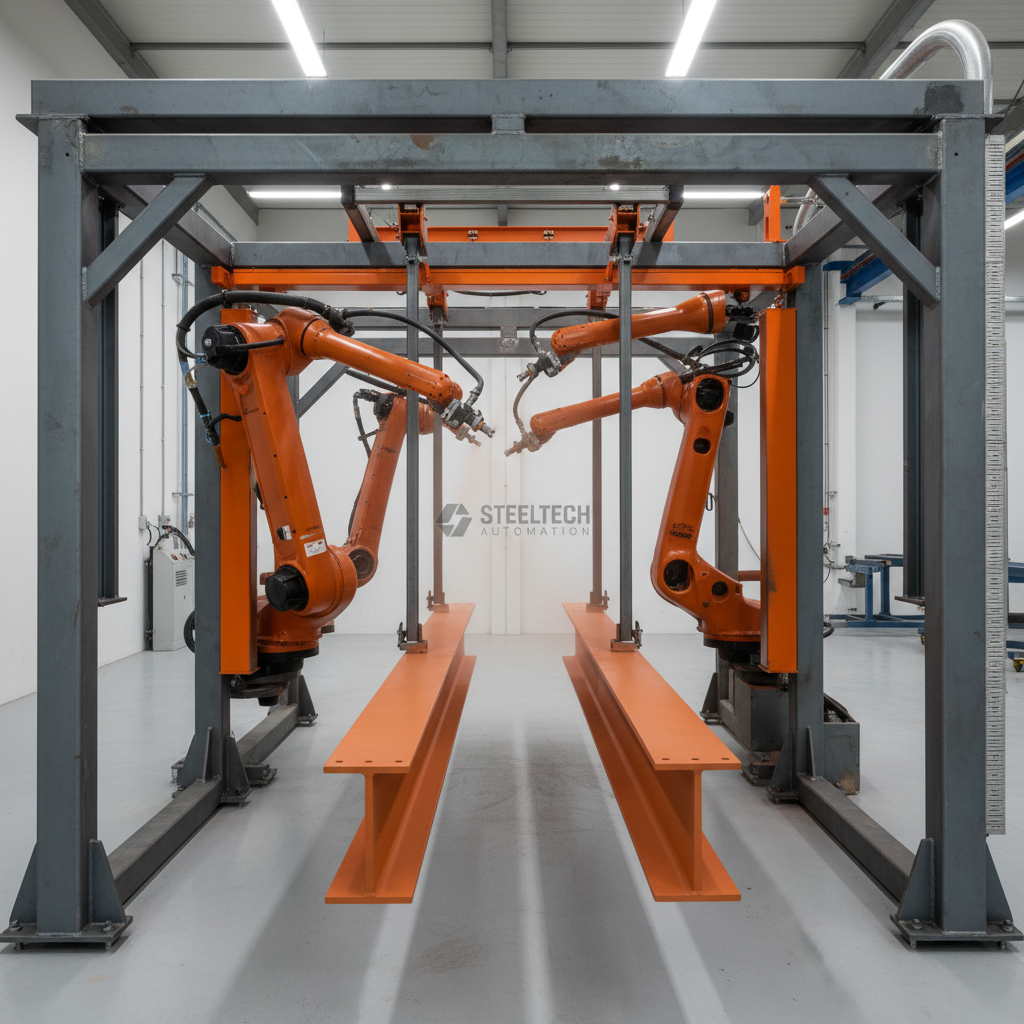
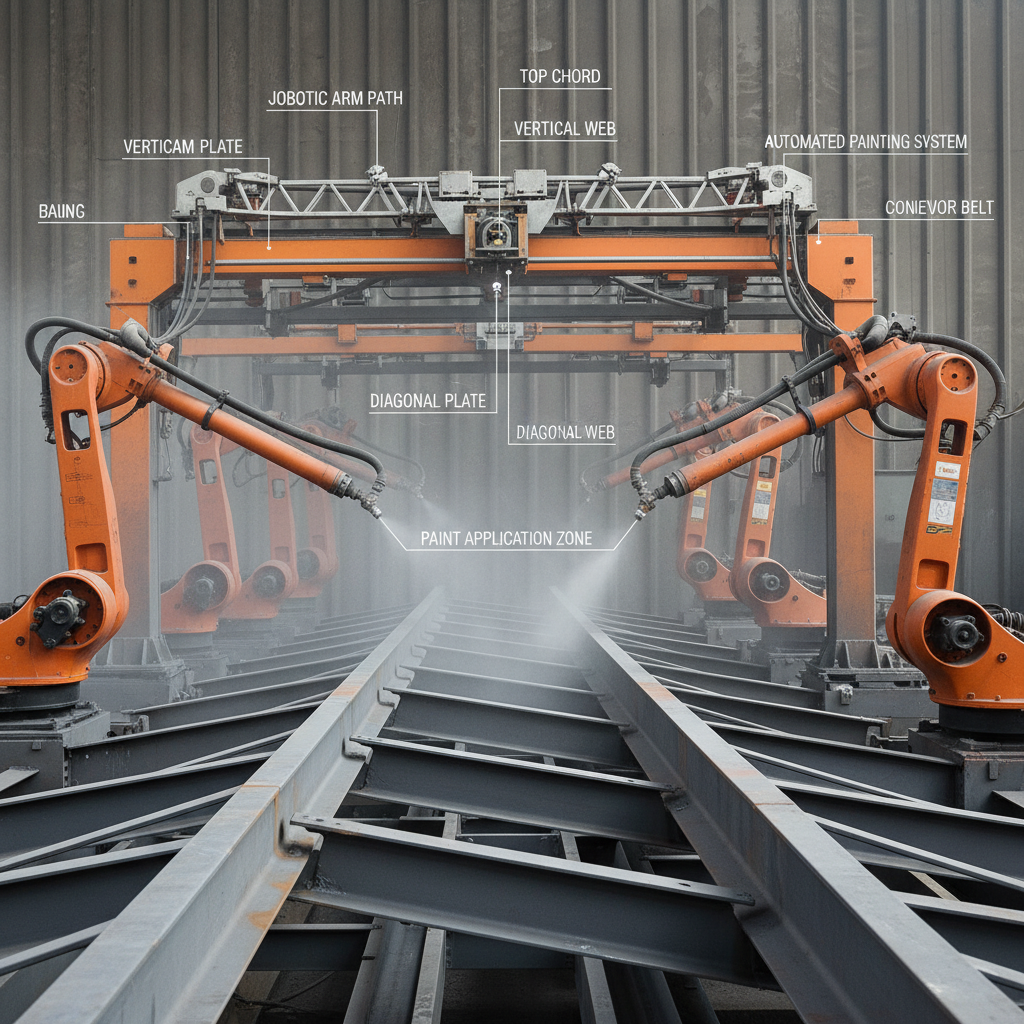
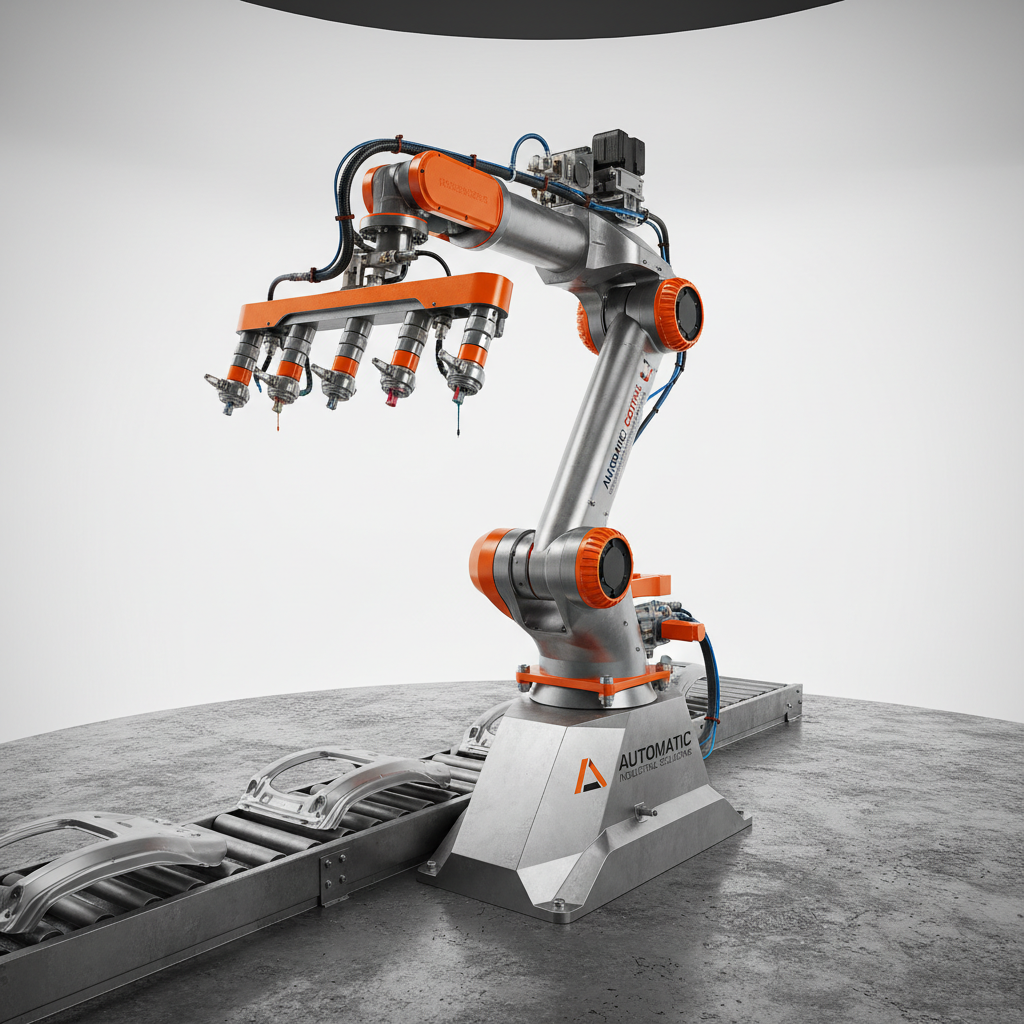
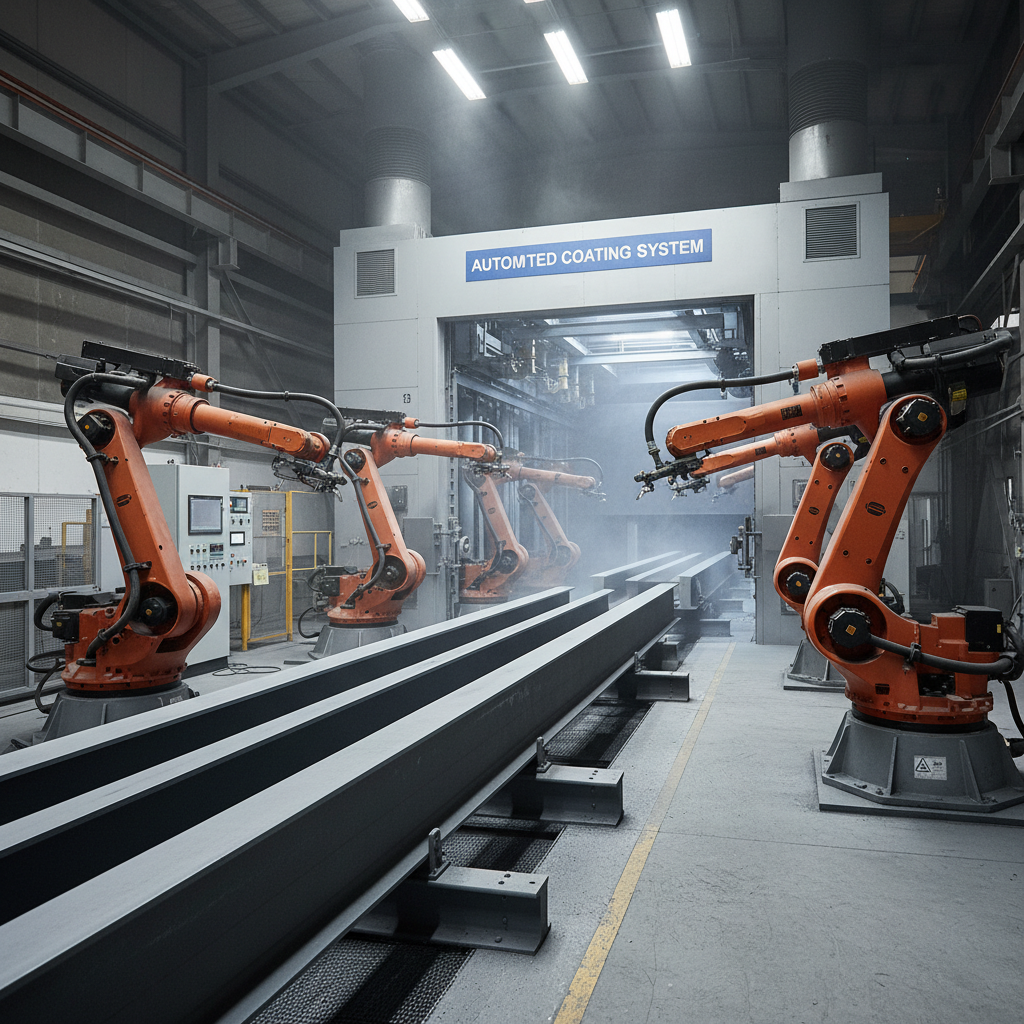
The future of steel component spray painting is marked by several key trends. Automation, including robotic spray painting systems, is gaining traction, improving efficiency, consistency, and reducing labor costs. These systems can handle complex geometries and hazardous environments with precision. Digital transformation is also playing a role, with the integration of sensors and data analytics to optimize coating application and predict potential failures.
The development of “smart coatings” – coatings that can self-heal, detect corrosion, or change color in response to environmental stimuli – is a promising area of innovation. Nanotechnology is also being leveraged to create coatings with enhanced properties, such as improved abrasion resistance and UV protection. Sustainability will continue to drive innovation, leading to the development of bio-based coatings and more environmentally friendly application techniques.
Challenges and Solutions in Steel Component Spray Painting
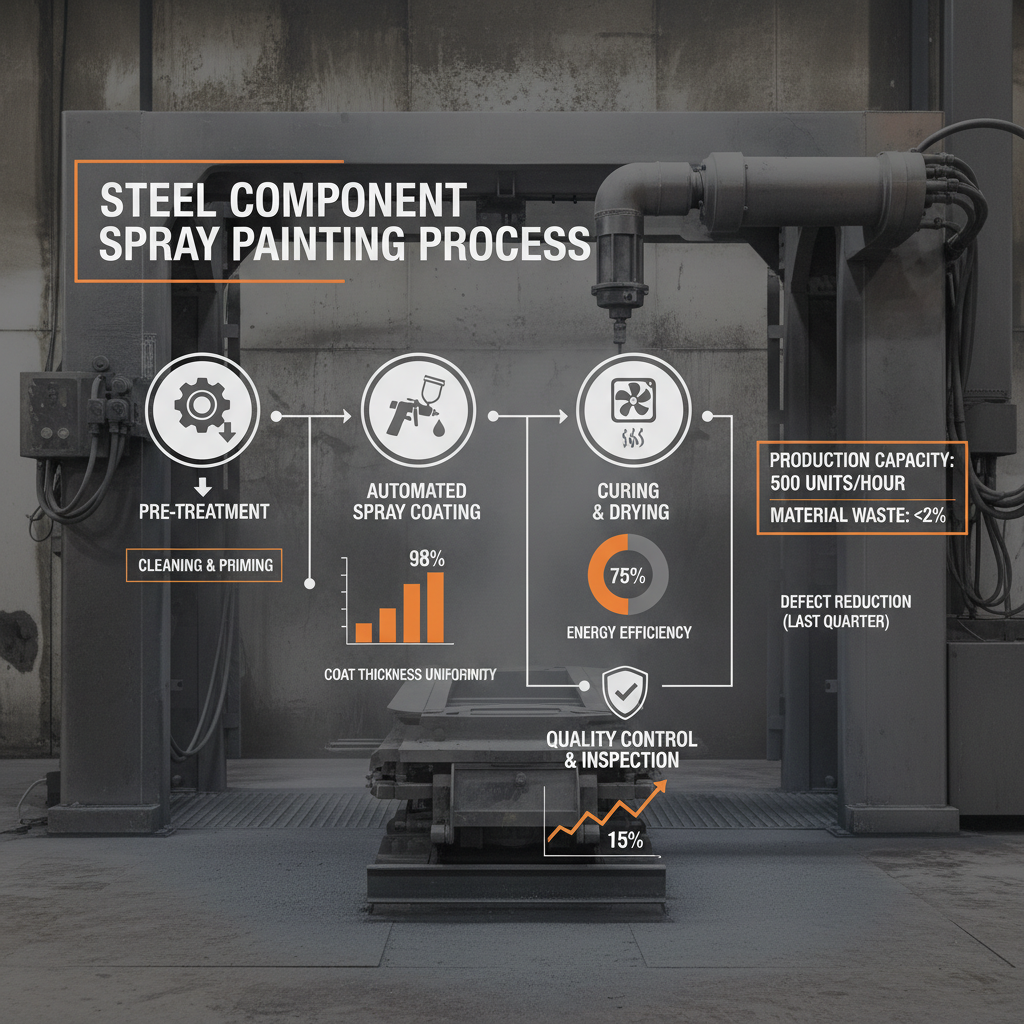
One of the main challenges in steel component spray painting is ensuring consistent quality across large-scale operations. Variations in temperature, humidity, and applicator skill can affect coating thickness and adhesion. Implementing rigorous quality control procedures, including regular inspections and coating thickness measurements, is crucial for mitigating this risk.
Another challenge is the cost associated with surface preparation. Thorough surface preparation, such as abrasive blasting, can be time-consuming and expensive. However, neglecting this step can lead to coating failure and costly repairs. Utilizing innovative surface preparation techniques, such as laser cleaning, can reduce costs and improve efficiency.
Addressing environmental concerns related to VOC emissions is also paramount. Switching to low-VOC coatings, investing in air pollution control equipment, and optimizing spray application techniques can minimize environmental impact and ensure compliance with regulations. Ongoing research into alternative coating chemistries will also contribute to a more sustainable future for the steel component spray painting industry.
Summary of Common Challenges & Potential Solutions
| Challenge |
Impact on Quality |
Potential Solution |
Implementation Cost (1-10) |
| Inconsistent Coating Thickness |
Reduced Corrosion Resistance |
Automated Spraying Systems |
7 |
| Inadequate Surface Preparation |
Poor Adhesion, Coating Failure |
Improved Abrasive Blasting Techniques |
5 |
| High VOC Emissions |
Environmental Concerns, Regulatory Issues |
Low-VOC or Water-Based Coatings |
6 |
| Operator Skill Variability |
Inconsistent Finish Quality |
Comprehensive Training Programs |
4 |
| Material Waste |
Increased Costs, Environmental Impact |
Optimized Spray Techniques, Recycling Programs |
3 |
| Corrosion Under Coating (CUF) |
Premature Coating Failure, Structural Weakening |
Improved Surface Prep, Correct Coating Selection |
6 |
FAQS
The lifespan of a steel component after spray painting is highly variable, depending on the environment, coating type, and initial steel condition. However, a properly applied, high-quality coating can extend the lifespan significantly, often by 20-30 years or more in moderate environments. Aggressive environments, like marine or industrial settings, may require more frequent recoating, but still offer substantial life extension compared to unprotected steel. Regular inspection and maintenance are key to maximizing longevity.
Surface preparation is arguably the most critical step. A contaminated or poorly prepared surface will lead to coating failure, regardless of the quality of the paint. Removing rust, mill scale, grease, and other contaminants creates a clean, profiled surface that allows for optimal adhesion. Common methods include abrasive blasting, power tool cleaning, and chemical etching. The choice of method depends on the type and severity of contamination, and the desired surface profile.
Powder coating offers several advantages: it’s more durable, environmentally friendly (no VOCs), and provides a thicker, more uniform coating. It’s also often more cost-effective in the long run due to its durability and reduced need for recoating. However, powder coating requires specialized equipment and is generally best suited for smaller to medium-sized components. Liquid paints are more versatile in terms of application methods and color options.
Minimizing VOC emissions involves several strategies. Switching to low-VOC or water-based coatings is the most effective approach. Implementing proper ventilation systems and using spray booths with air filtration helps capture and remove VOCs. Optimizing spray techniques to reduce overspray also minimizes emissions. Finally, proper waste management and disposal of coating materials are crucial for environmental compliance.
Safety is paramount. Always wear appropriate personal protective equipment (PPE), including a respirator, eye protection, gloves, and protective clothing. Ensure adequate ventilation to prevent inhalation of harmful fumes. Follow all safety guidelines provided by the coating manufacturer. Be aware of potential fire hazards and ensure proper grounding of equipment to prevent static electricity buildup.
Selecting the right coating depends on several factors: the environment the component will be exposed to, the desired level of corrosion protection, the required aesthetic finish, and budget constraints. Consider the type of steel, the presence of any specific chemicals or abrasives, and the operating temperature. Consult with a coating specialist to determine the best option for your specific needs. Properly identifying these needs is critical.
Conclusion
In conclusion, steel component spray painting is a foundational process with far-reaching implications across industries globally. Its ability to prevent corrosion, enhance durability, and improve aesthetics makes it an essential investment for extending the lifespan of vital infrastructure and equipment. The continuous evolution of coating technologies, driven by sustainability and performance demands, ensures its continued relevance in the years to come.
Looking ahead, embracing automation, smart coatings, and environmentally friendly practices will be crucial for optimizing the efficiency, cost-effectiveness, and sustainability of steel component spray painting. By prioritizing quality, innovation, and responsible environmental stewardship, we can unlock the full potential of this process and build a more resilient and sustainable future. Visit our website at www.yeedtech.com to learn more about our services and solutions.