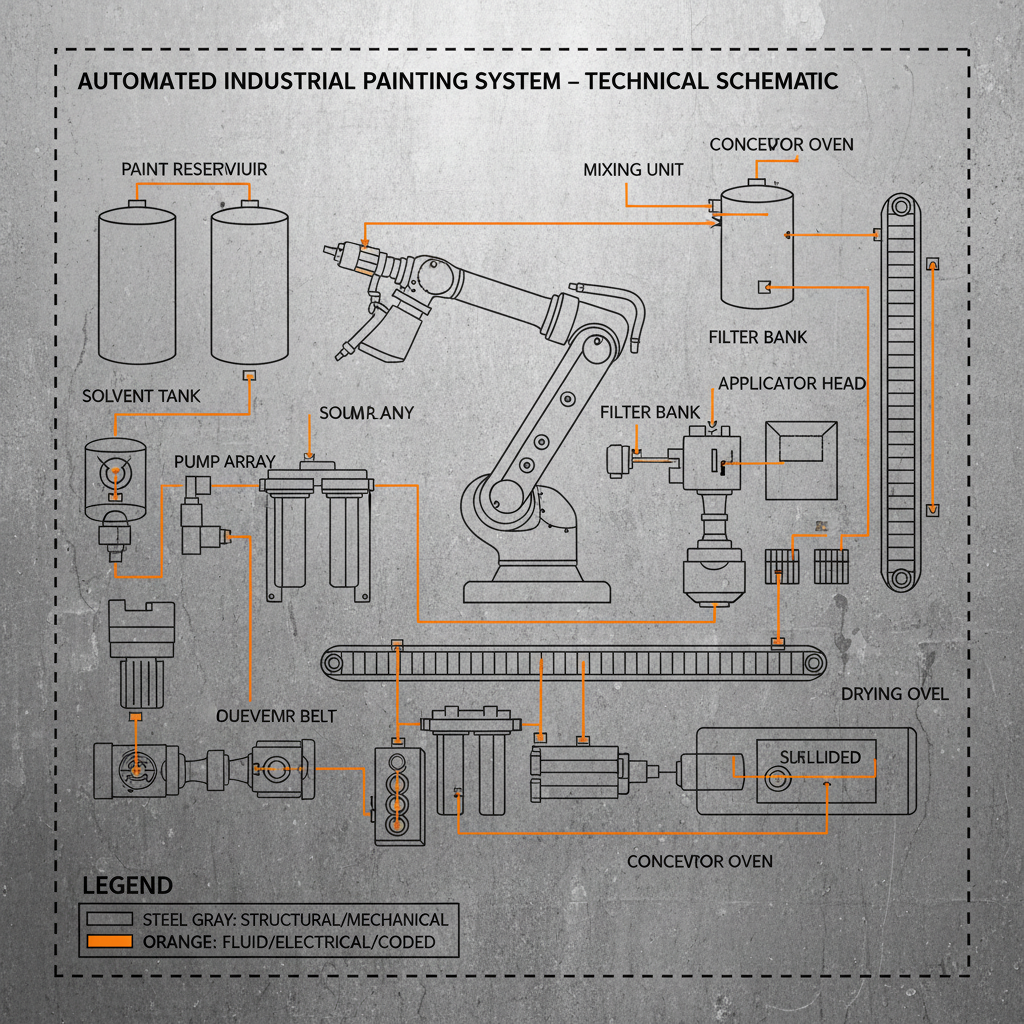
Steel structure painting is a critical process in the longevity and safety of infrastructure worldwide. From towering skyscrapers to essential bridges, protective coatings are paramount in preventing corrosion, enhancing durability, and reducing maintenance costs. This practice directly impacts global economic stability by ensuring the safe operation of vital assets and reducing the need for costly repairs or replacements. Understanding the intricacies of steel structure painting is not merely a technical exercise, but a crucial investment in a sustainable and secure future.
The increasing demand for robust and long-lasting infrastructure fuels the importance of specialized painting techniques. Rapid urbanization, particularly in developing nations, drives the need for efficient and reliable protection of steel structures. Furthermore, stringent environmental regulations push for eco-friendly coating solutions, necessitating innovation in materials and application processes. steel structure painting is therefore at the forefront of both industrial progress and environmental responsibility.
This field isn’t just about aesthetics; it’s a science of material compatibility, environmental factors, and preventative maintenance. Effective steel structure painting directly translates into extended asset life, reduced life-cycle costs, and enhanced public safety, making it a cornerstone of modern engineering and construction.
Introduction to Steel Structure Painting
The process of steel structure painting is far more complex than simply applying a coat of paint. It encompasses meticulous surface preparation, careful selection of coating materials, and precise application techniques to achieve optimal protection against corrosion and environmental degradation. This proactive approach significantly extends the service life of steel structures, minimizing the need for costly repairs and replacements.
Choosing the right steel structure painting system is contingent on factors like the environment the structure is exposed to, the type of steel used, and the intended service life. Proper execution requires skilled professionals and adherence to industry standards, guaranteeing a durable and reliable protective barrier.
Global Relevance and Industry Context
Steel structures form the backbone of modern civilization, supporting critical infrastructure across the globe. Bridges, buildings, industrial facilities, and energy production plants all rely heavily on steel. The United Nations estimates that global infrastructure spending will reach trillions of dollars in the coming decades, highlighting the immense scale of this sector. Protecting these assets with effective steel structure painting is therefore a matter of economic stability and public safety.
Corrosion costs the global economy billions of dollars annually. The World Bank recognizes the significant impact of infrastructure degradation on developing nations, and preventative measures like high-quality painting are crucial for maximizing return on investment. ISO standards (such as ISO 12944) provide guidelines for corrosion protection, emphasizing the importance of a systematic approach to coating selection and application.
A major challenge within the industry is balancing cost-effectiveness with long-term durability and environmental sustainability. The demand for eco-friendly coatings and application techniques is increasing, prompting research and development into innovative solutions that minimize environmental impact.
Defining Steel Structure Painting
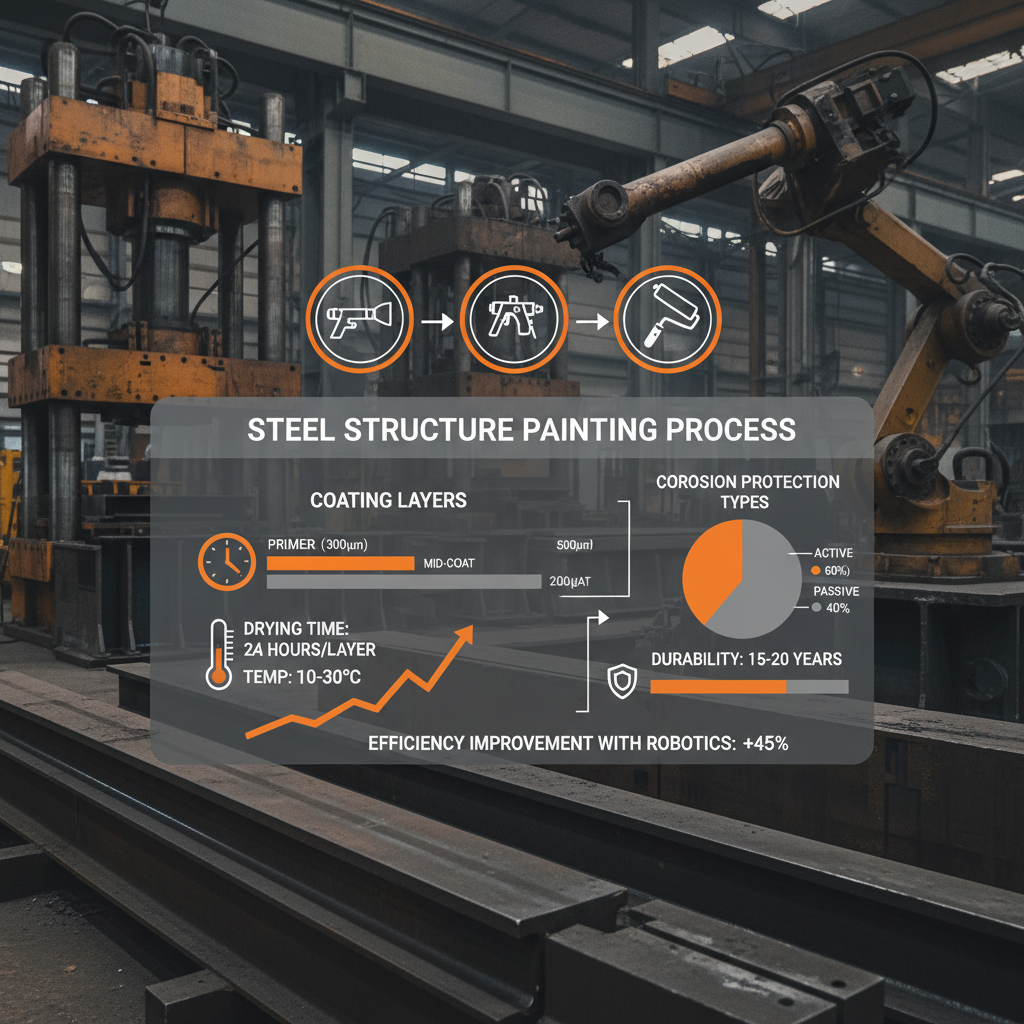
Steel structure painting refers to the application of protective coatings to steel surfaces to prevent corrosion, weathering, and other forms of degradation. It’s a multi-stage process that includes surface preparation (cleaning, blasting), primer application, intermediate coating(s), and a topcoat for aesthetic appeal and enhanced protection.
This practice is integral to modern industry and vital for humanitarian efforts. In disaster relief scenarios, rapidly deployable steel structures – such as temporary bridges or shelters – require immediate coating to withstand harsh conditions. Similarly, in remote industrial zones, effective steel structure painting ensures the longevity and reliable operation of essential infrastructure.
Beyond mere protection, steel structure painting contributes to aesthetic value, safety, and operational efficiency. Proper coatings can improve visibility, reduce friction, and even provide thermal insulation, enhancing the overall performance of the structure.
Key Factors in Effective Coating
Effective steel structure painting isn’t a one-size-fits-all solution. Several key factors influence the selection and application process. Durability is paramount; the coating must withstand exposure to UV radiation, temperature fluctuations, humidity, and corrosive agents. Scalability refers to the ability to adapt the coating system to structures of varying sizes and complexities.
Cost efficiency is another critical consideration, balancing initial investment with long-term maintenance costs. Proper surface preparation is non-negotiable, as the coating’s adhesion and performance depend heavily on a clean and properly profiled surface. Finally, environmental compliance is increasingly important, with regulations favoring low-VOC (volatile organic compound) coatings.
Performance of Different Steel Structure Painting Methods
Applications Across Diverse Sectors
The application of steel structure painting extends across a remarkably diverse range of sectors. In the construction industry, it protects skyscrapers, bridges, and stadiums. In the oil and gas industry, it safeguards offshore platforms, pipelines, and storage tanks. The renewable energy sector relies on durable coatings for wind turbines and solar panel support structures.
In post-disaster relief operations, steel structures – such as temporary housing and field hospitals – require rapid coating to ensure habitability and longevity. Furthermore, in remote industrial zones, where access to maintenance facilities is limited, robust coatings are essential for minimizing downtime and maximizing operational efficiency. steel structure painting is found in marine environments, protecting ships, docks, and coastal infrastructure from the harsh effects of saltwater corrosion.
Advantages and Long-Term Value
The advantages of effective steel structure painting are multifaceted. Tangible benefits include reduced maintenance costs, extended asset lifespan, and enhanced safety. From a sustainability perspective, durable coatings minimize the need for resource-intensive repairs and replacements. Socially, reliable infrastructure contributes to community resilience and economic development.
Beyond the practical benefits, steel structure painting fosters trust and confidence in engineering solutions. A well-maintained structure inspires confidence in its safety and reliability, contributing to public peace of mind. Furthermore, innovation in coating technologies drives continuous improvement in performance and sustainability, fostering a culture of progress.
Future Trends and Innovations
The field of steel structure painting is undergoing rapid transformation, driven by advancements in materials science and digital technologies. The development of self-healing coatings, which can automatically repair minor damage, promises to significantly extend coating lifespan and reduce maintenance requirements. Nanotechnology is also playing an increasing role, with nanoparticles enhancing coating properties such as corrosion resistance and UV protection.
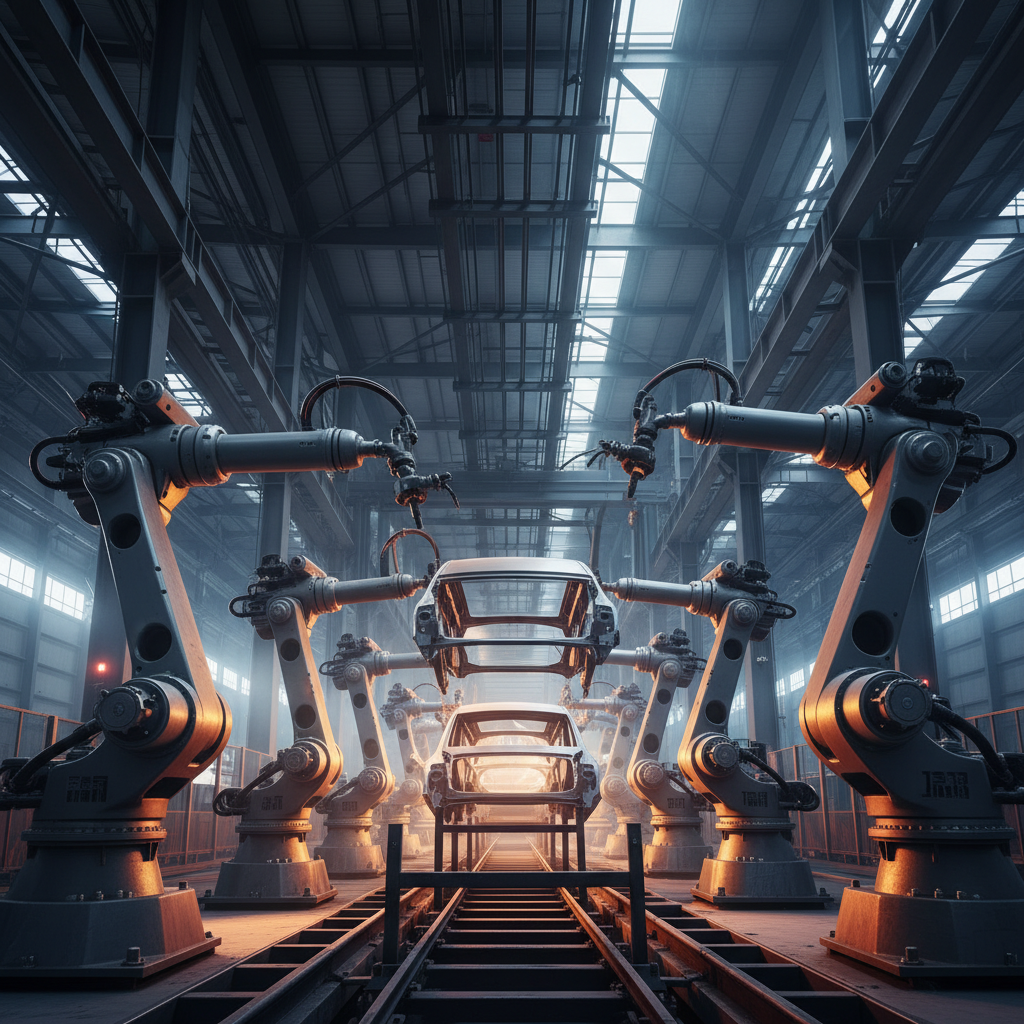
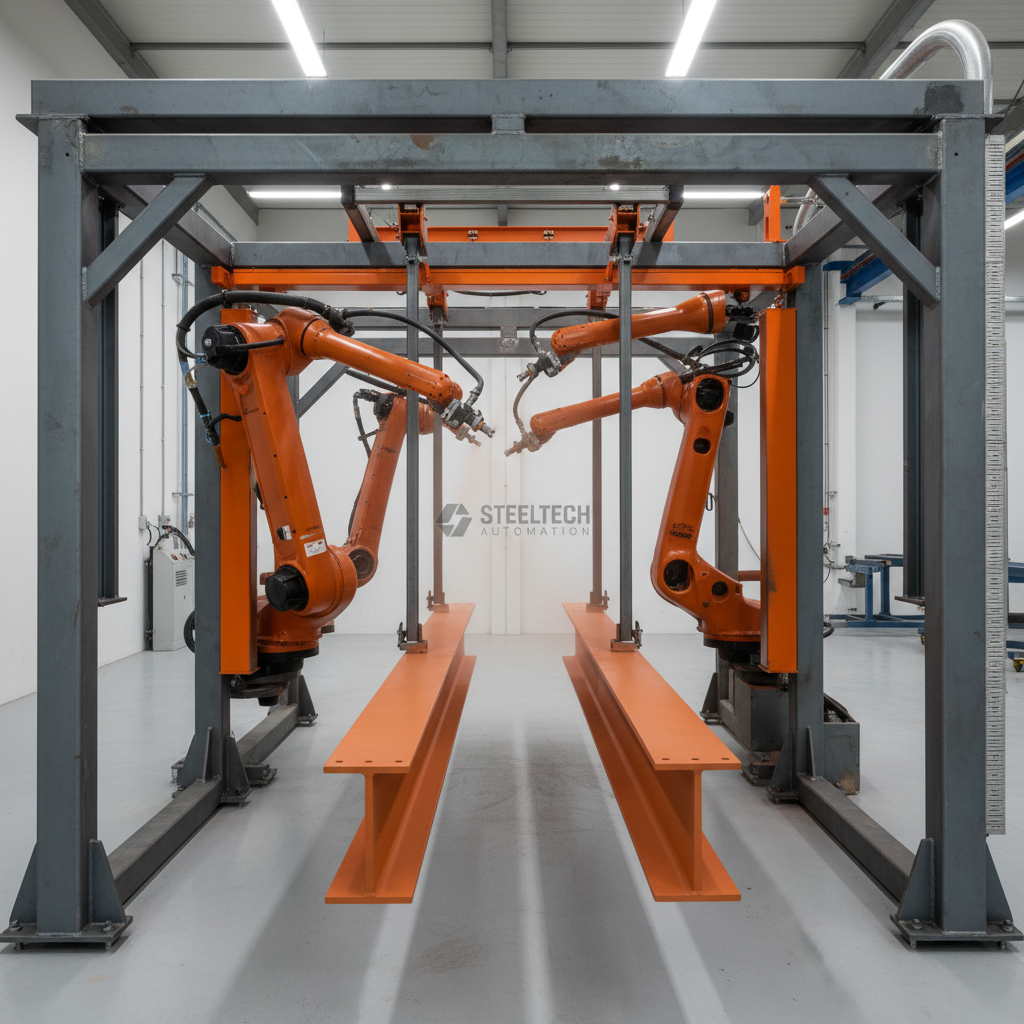
Digitalization is revolutionizing coating application, with automated spraying systems and robotic inspection tools improving efficiency and precision. The integration of sensors and data analytics enables predictive maintenance, allowing for proactive interventions before corrosion becomes a major issue. The shift towards green energy is driving demand for environmentally friendly coatings, leading to increased research and development in bio-based and waterborne formulations.
Furthermore, advancements in virtual and augmented reality are enabling more effective training for coating applicators, improving skill levels and reducing the risk of errors. These innovations collectively point towards a future where steel structures are more durable, sustainable, and cost-effective to maintain.
Challenges and Solutions
Despite advancements, several challenges persist in the field of steel structure painting. Surface preparation can be time-consuming and costly, particularly for complex geometries. The selection of the appropriate coating system for specific environments and applications requires specialized expertise. Ensuring consistent coating application quality can be difficult, especially in remote or challenging locations.
Innovative solutions are emerging to address these challenges. Advanced abrasive blasting techniques, such as hydro-blasting, offer faster and more environmentally friendly surface preparation. Digital coating selection tools and expert consulting services can help optimize coating system choices. The use of drones for coating inspection and robotic application systems can improve quality control and efficiency.
Investing in skilled training programs and promoting best practices are also crucial for overcoming these obstacles. By embracing these solutions, the industry can continue to enhance the performance and sustainability of steel structure painting.
Summary of Challenges and Solutions in Steel Structure Painting
| Challenge |
Impact on Project |
Potential Solution |
Implementation Cost (1-10) |
| Surface Preparation Complexity |
Increased project time & cost |
Hydro-blasting, advanced abrasive techniques |
6 |
| Coating System Selection |
Suboptimal corrosion protection |
Digital selection tools, expert consulting |
4 |
| Application Quality Control |
Premature coating failure |
Automated spraying, robotic inspection |
8 |
| Environmental Regulations |
Limited coating options, increased costs |
Low-VOC coatings, waterborne formulations |
5 |
| Skilled Labor Shortage |
Inconsistent application quality |
Enhanced training programs, certification |
7 |
| Remote Location Logistics |
Delays, increased transportation costs |
On-site coating preparation, optimized supply chains |
6 |
FAQS
The lifespan of a properly coated steel structure varies significantly based on the environment, coating system used, and quality of application. However, with a robust system and regular maintenance, structures can realistically achieve service lives of 20-50 years or more. Factors like saltwater exposure, industrial pollution, and UV radiation will shorten this lifespan, necessitating more frequent inspections and touch-ups. Selecting a coating tailored to the specific conditions is critical for maximizing longevity.
Epoxy coatings offer excellent adhesion, chemical resistance, and durability, making them ideal as primers or intermediate coats. Polyurethane coatings provide superior gloss retention, UV resistance, and flexibility, often used as topcoats for aesthetic and protective purposes. Zinc-rich coatings offer galvanic protection, sacrificing the zinc to corrode instead of the steel, making them highly effective in corrosive environments. The optimal combination depends on the specific application and exposure conditions.
Surface preparation is arguably the most critical step in steel structure painting. Insufficient preparation leads to poor adhesion, premature coating failure, and ultimately, accelerated corrosion. Proper cleaning to remove contaminants (oil, grease, rust) and profiling to create a suitable surface texture is essential. Methods include abrasive blasting, power tool cleaning, and chemical cleaning. Adhering to standards like SSPC and NACE is crucial for ensuring a quality surface.
Environmental regulations are increasingly stringent, driving demand for eco-friendly coatings. Factors to consider include VOC content, hazardous air pollutants (HAPs), and the use of sustainable raw materials. Waterborne coatings, high-solids coatings, and powder coatings are generally considered more environmentally friendly alternatives to traditional solvent-based coatings. Proper disposal of waste materials is also crucial.
Determining the best system requires a thorough assessment of the structure's environment, exposure conditions, and intended service life. Consider factors like salinity, humidity, UV exposure, chemical exposure, and mechanical stresses. Consulting with a coating specialist or engineer is highly recommended to evaluate these factors and recommend a system that meets your specific needs and budget.
Regular inspection and maintenance are vital for maximizing the lifespan of any coated steel structure. Routine inspections can identify early signs of corrosion, coating damage, or other issues that require attention. Prompt repairs, such as patching damaged areas and applying touch-up coats, can prevent minor problems from escalating into major, costly repairs. Implementing a comprehensive maintenance program is a cost-effective way to protect your investment.
Conclusion
In conclusion, steel structure painting is a cornerstone of modern infrastructure protection, playing a vital role in ensuring the safety, durability, and sustainability of critical assets worldwide. From meticulous surface preparation to the selection of advanced coating systems, this process demands expertise, precision, and a commitment to long-term value. Understanding the key factors, embracing innovative technologies, and prioritizing environmental responsibility are essential for navigating the challenges and maximizing the benefits of this critical practice.
Looking ahead, continued advancements in materials science, digital technologies, and sustainable practices will further enhance the performance and efficiency of steel structure painting. By investing in skilled training, promoting best practices, and fostering a culture of innovation, we can ensure that our infrastructure remains resilient, reliable, and ready to meet the demands of a changing world. Visit our website at www.yeedtech.com to learn more about our comprehensive steel structure painting solutions.