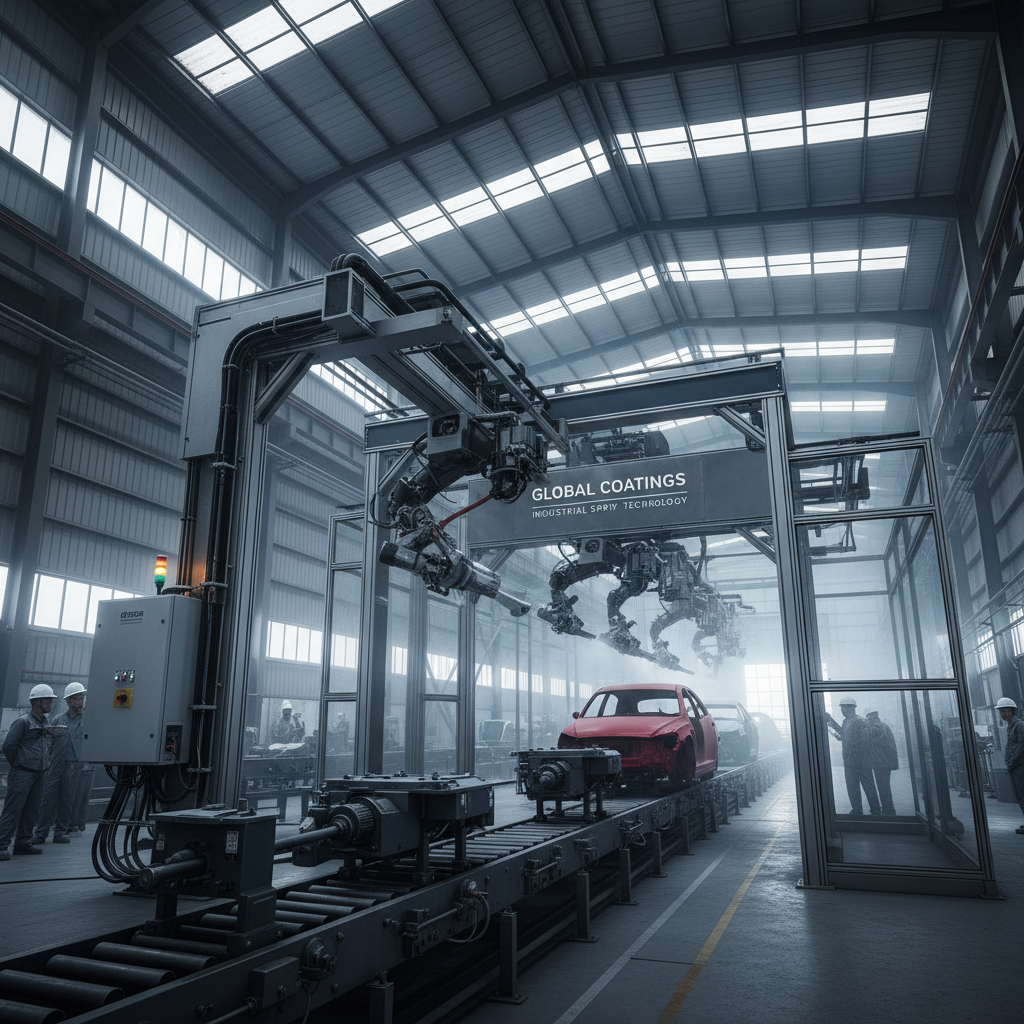
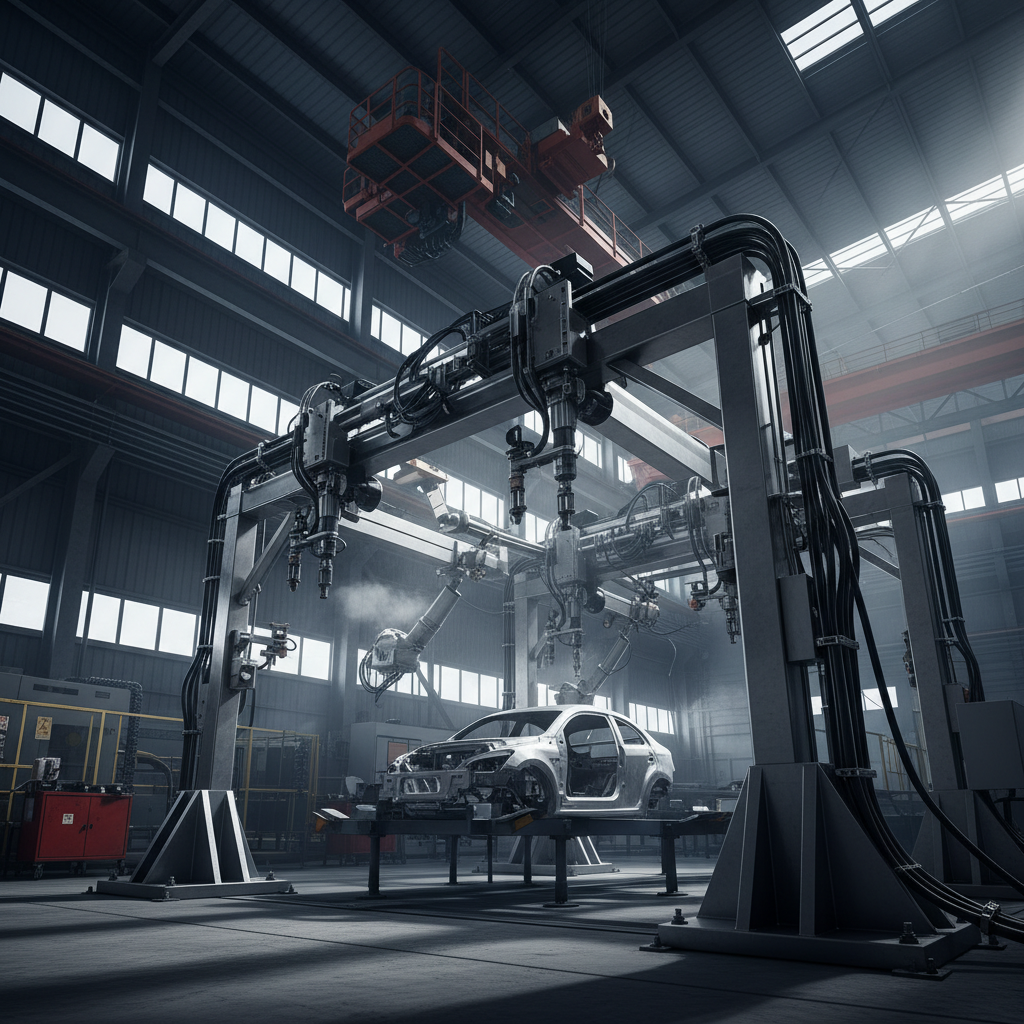
Look, automatic paint spraying equipment, right? Everyone's talking about it. Not new, obviously, been around for ages, but the demand is through the roof. Seems like every factory owner wants to ditch the guys with the spray guns, and honestly, I can see why. Labor costs are insane, consistency is a nightmare… To be honest, I've spent half my life dodging overspray, and my lungs are starting to complain.
What’s really trending right now isn’t just having the equipment, it’s the smart stuff. Integrated sensors, AI-powered adjustments… sounds fancy, and sometimes it is, but a lot of it is just marketing fluff, if you ask me. Have you noticed how every supplier now claims their system is "Industry 4.0 ready"? It’s exhausting.
And speaking of exhausting, dealing with these guys who think they can design this stuff from an office chair… Strangel.y, they always forget about the practicalities. Like, making the hopper too small. Or putting the controls in a place where they’ll get coated in paint within five minutes. It’s always something.
The Current Landscape of Automatic Paint Spraying Equipment
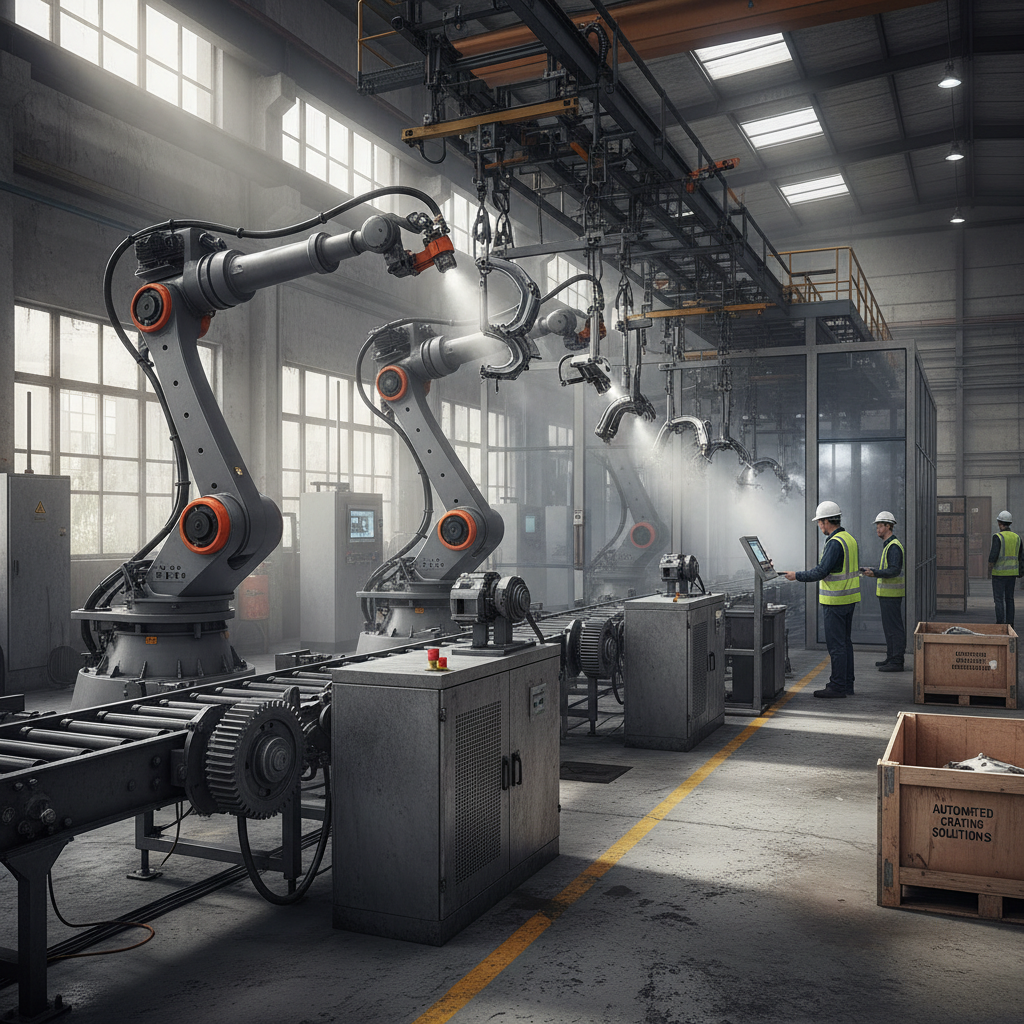
These days, it's not just about blasting paint onto something. It’s about precision, waste reduction, and repeatability. The robotic arms are getting smarter, the software's getting more sophisticated. I was at a furniture factory in Vietnam last month, and they were using a system that automatically adjusted the paint flow based on the wood grain. Pretty impressive, though the guy running it couldn’t explain why it was working, just that it did. That’s often the case, isn’t it?
We're seeing a big push towards electrostatic spraying too. Less overspray, better coverage. But those systems are sensitive to humidity, so you need a climate-controlled environment, which adds to the cost. It's a trade-off, always a trade-off. Anyway, I think the biggest change is the move towards more modular systems. Smaller companies can now afford to automate parts of their process without investing in a complete overhaul.
Common Design Pitfalls and Material Considerations
The materials… oh boy, the materials. You’ve got your standard stainless steel, which is good, durable, easy to clean. But it’s expensive. And it gets cold. I hate working with cold steel in the winter. Then you’ve got aluminum, lighter, cheaper, but it dents easily. I encountered this at a car parts factory last time – they switched to aluminum to save money, and the robots were constantly knocking the spray nozzles out of alignment. A mess.
Plastic components are becoming more common too, especially for the fluid handling parts. They’re resistant to corrosion, but you have to be careful about what kind of paint you’re using. Some solvents will eat right through them. And the seals… those are always a problem. You need high-quality Viton seals, but even those wear out over time.
One thing I've noticed is designers often underestimate the importance of access panels. Everything breaks down eventually, and you need to be able to get to the parts that need fixing without dismantling the whole machine. It sounds obvious, but you'd be surprised.
Real-World Testing and Practical Applications
Forget the lab tests. Those are fine for basic functionality, but they don’t tell you anything about how the equipment will hold up in a real-world environment. We do most of our testing on-site, at customer facilities. It's messy, it's time-consuming, but it's the only way to get reliable data.
We'll run the machine for weeks, even months, under full production load. We monitor the paint flow, the nozzle wear, the energy consumption. We even track the number of times the operators have to stop the machine for maintenance. And we talk to the operators. They're the ones who know what's really going on.
I saw one outfit trying to test it with water-based paint and a solvent-resistant nozzle – a mismatch made in hell! It wasn't long before the whole thing seized up. You have to match the materials to the application. It’s just common sense.
Advantages, Disadvantages, and Customization Options
The advantages are obvious: increased efficiency, consistent quality, reduced labor costs. But there are downsides too. The initial investment is high, obviously. And you need skilled technicians to operate and maintain the equipment. It's not just plug-and-play.
And then there’s the whole issue of flexibility. If you need to switch to a different paint type or a different product, you often have to change the nozzles, the filters, the fluid lines… it can be a pain. Although, they are getting better at quick changeovers. Anyway, I think the biggest advantage is the data you can collect. You can track everything: paint usage, cycle times, error rates. That data can be used to optimize the process and improve efficiency.
Automatic Paint Spraying Equipment Performance Metrics
User Behavior and Unexpected Usage Patterns
You know, people will always find a way to use things differently than you intended. I once saw a guy using one of our systems to spray glitter onto Christmas ornaments. Glitter! Can you believe it? It completely clogged the filters.
And they always want to customize. Everyone thinks their product is special, and they need a unique spraying solution. Last month, that small boss in Shenzhen who makes smart home devices insisted on changing the interface to , and the result was a complete short circuit. He said “it’s more modern!” – honestly. I tried to explain it wouldn't make a difference for the paint flow, but he wouldn't listen.
Material Performance Comparison
The nozzle material is critical, of course. We've tested everything from tungsten carbide to ceramic. Tungsten carbide is the most durable, but it’s also the most expensive. Ceramic is good for abrasive paints, but it’s brittle. And then there’s stainless steel, which is a good all-rounder, but it wears down over time.
We've also been experimenting with different coatings to improve the wear resistance of the nozzles. Diamond-like carbon (DLC) is showing a lot of promise. It’s incredibly hard and it’s resistant to corrosion. But it’s also tricky to apply.
A Customer Story and Lessons Learned
There was this one factory, making plastic toys. They wanted to automate their painting process, but they had a really tight budget. They bought the cheapest system they could find, and it was a disaster. The paint flow was inconsistent, the nozzles clogged constantly, and the operators were constantly complaining.
They ended up spending more money on repairs and downtime than they would have if they had just bought a higher-quality system in the first place. It was a classic case of being penny-wise and pound-foolish.
The whole thing highlighted how crucial it is to really understand the customer’s needs and application. It’s not just about selling them a machine; it’s about providing them with a solution. And sometimes, that means telling them they need to spend a little more money.
Performance Comparison of Automatic Paint Spraying Equipment Nozzle Materials
| Material |
Wear Resistance (1-10) |
Cost (1-10) |
Corrosion Resistance (1-10) |
| Stainless Steel |
6 |
4 |
8 |
| Tungsten Carbide |
10 |
9 |
7 |
| Ceramic |
7 |
6 |
9 |
| Aluminum |
4 |
3 |
6 |
| DLC Coated Steel |
9 |
7 |
8 |
| Polypropylene |
3 |
2 |
5 |
FAQS
Honestly, it's underestimating the maintenance. These things will break down, and you need to have a plan for repairs. Don't just buy the cheapest machine you can find; think about the long-term cost of ownership. You also need to factor in training – someone needs to know how to operate and troubleshoot the equipment. Otherwise, it’s just an expensive paperweight.
It depends on the paint viscosity, the spray pattern you need, and the substrate you’re painting. Generally, a smaller orifice will give you a finer spray, but it's more prone to clogging. A larger orifice will give you a coarser spray, but it's more forgiving. I always recommend starting with a medium-sized nozzle and experimenting from there. And always, always check the manufacturer's recommendations.
Proper filtration is key. Use a good quality filter to remove any particulate matter from the paint. Also, flush the system regularly with solvent, especially when you're switching between different paint types. And don't let the paint sit in the system for too long. It'll start to dry and cause problems. Trust me. I've cleaned enough clogged nozzles to last a lifetime.
It’s more important than people think. A clunky, unintuitive interface will just frustrate your operators and reduce efficiency. You want something that's easy to learn and easy to use. The ability to save and recall different spraying programs is also essential. You don't want to have to reprogram the whole system every time you switch to a different product.
Right now, it's all about AI and machine learning. Systems that can automatically adjust the spraying parameters based on real-time feedback from sensors. It's still early days, but the potential is huge. We’re also seeing a lot of interest in robotic arms with more degrees of freedom, allowing them to reach more complex geometries.
Critical, obviously. You need proper ventilation, explosion-proof enclosures if you're using flammable paints, and emergency stop buttons within easy reach. And make sure the operators are properly trained in the safe operation of the equipment. Don’t skimp on safety. It's not worth the risk.
Conclusion
So, automatic paint spraying equipment, it's come a long way. It's not a silver bullet, there are still challenges, and things can go wrong. But when it's set up right, when the materials are chosen carefully, and when the operators are properly trained, it can dramatically improve efficiency, quality, and profitability.
Ultimately, whether this thing works or not, the worker will know the moment he tightens the screw. If it feels solid, if it runs smoothly, if it delivers a consistent finish… then you’ve got something good. And if it doesn’t, well, you know you’ve got work to do. Check out more at automatic paint spraying equipment.