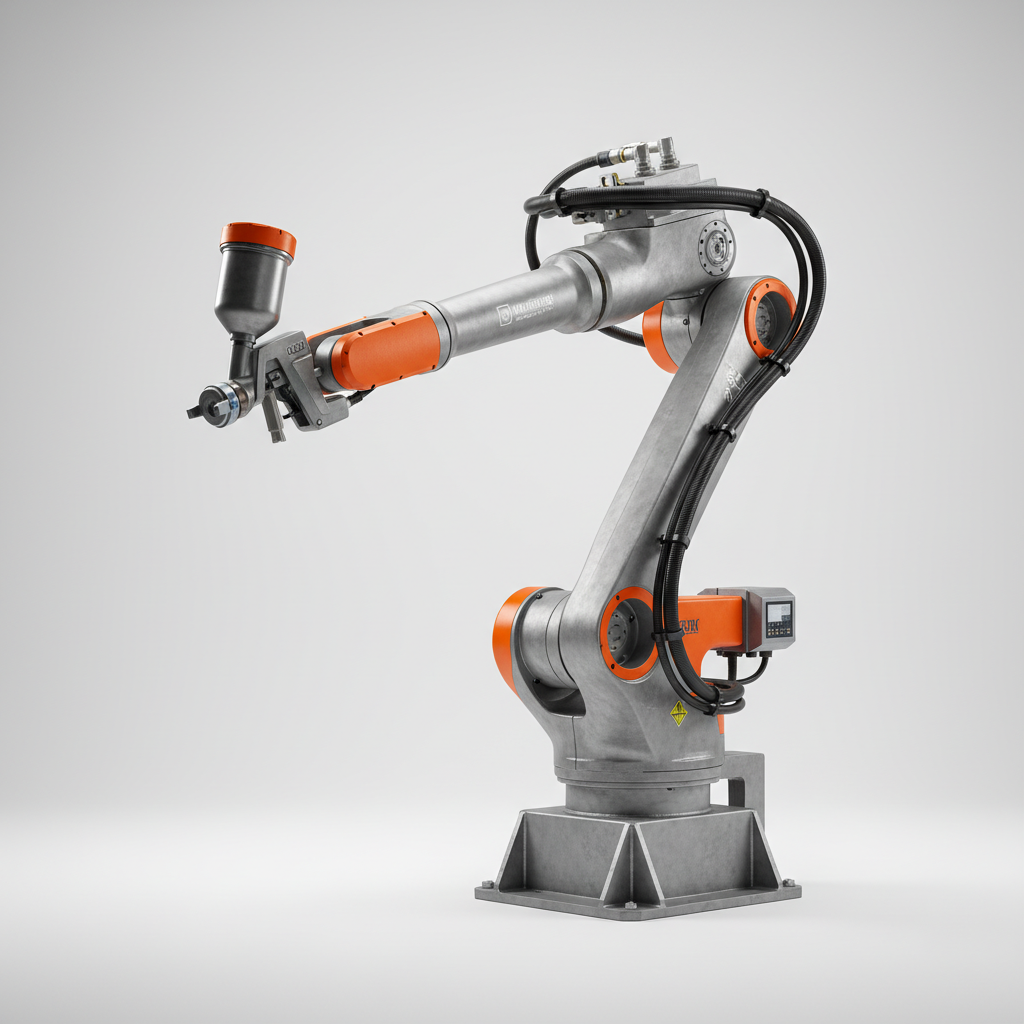
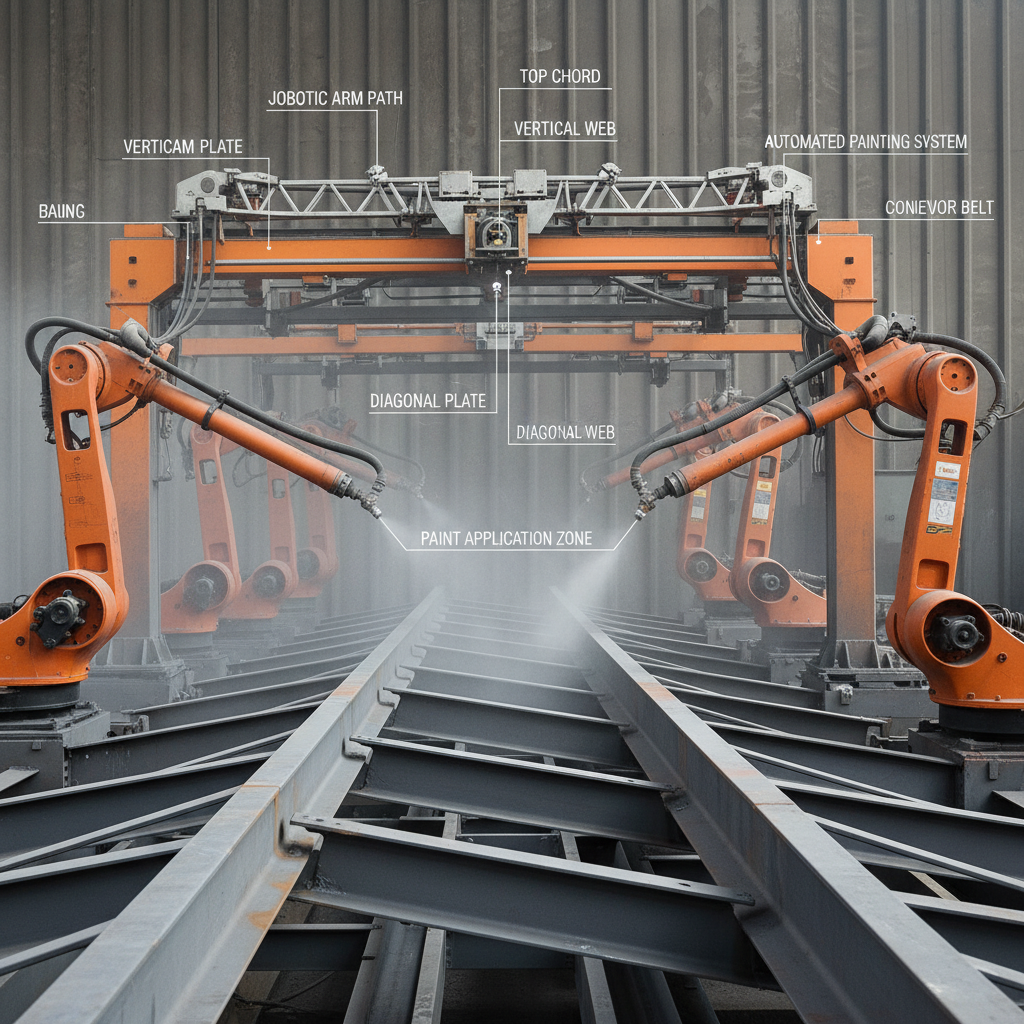
Look, automatic spray painting machines… they’re everywhere now. It wasn't like this five years ago. Everyone's talking about lean manufacturing, minimizing waste, improving consistency. And honestly? They're right to. The demand is skyrocketing, especially with automotive and those furniture guys. I was at a factory in Ningbo last month, and they were practically begging for a faster turnaround on a quote. It's not just about volume either, it's about quality. Hand spraying is… well, human. Which means errors. And those errors cost money.
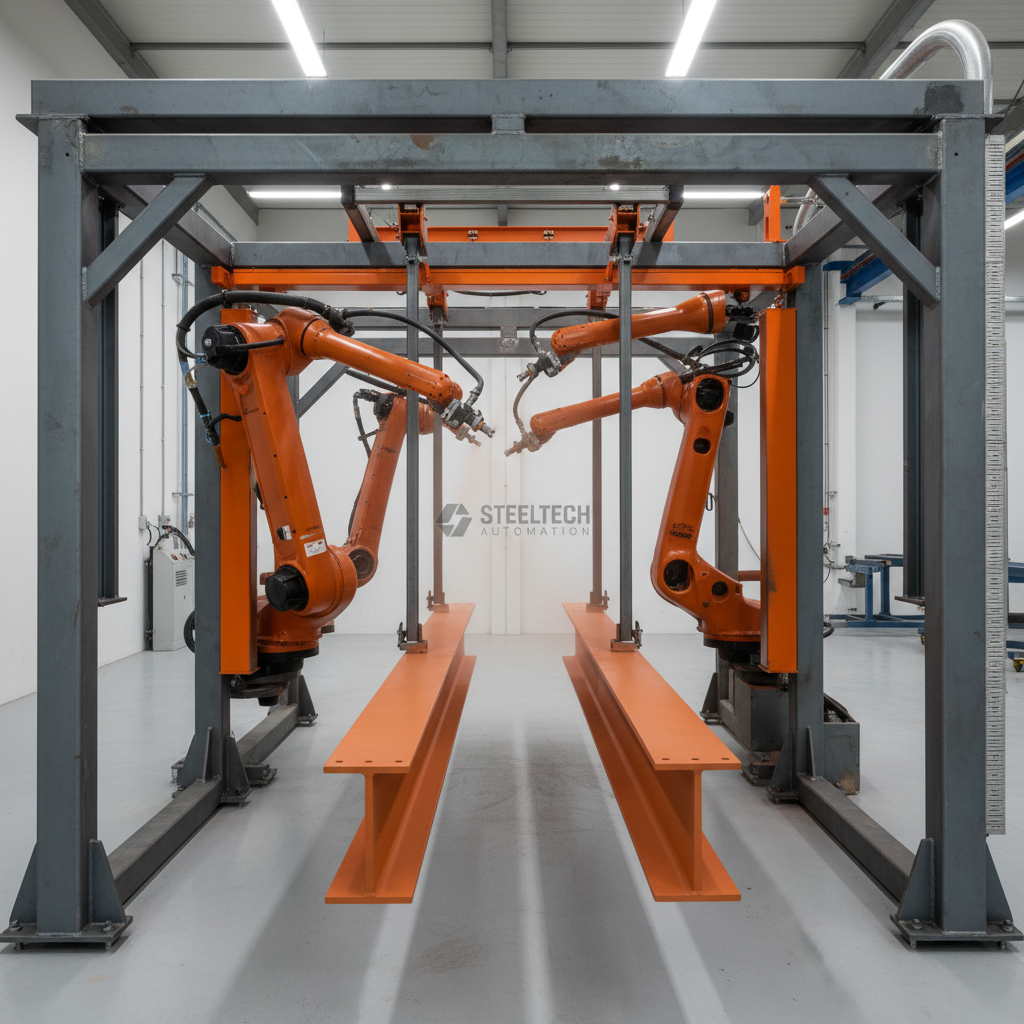
What’s really taken off, though, is the smaller, more flexible units. Used to be, you needed a whole room for a proper setup. Now you can get a robot arm and a controller that’ll fit in a decent-sized van. That’s opened up a whole new market for job shops and smaller manufacturers. To be honest, I’ve seen more demand for retrofitting existing spaces than building new ones. It’s all about maximizing what you've got, right?
The biggest shift I've noticed isn’t the machines themselves, it’s the software. Path planning, color matching, adaptive spraying… that’s where the real innovation is happening. And it’s getting complicated.
The Current Landscape of Automatic Spray Painting Machines
Honestly, it's a bit of a Wild West out there. You've got the big Japanese players, like Fanuc and Yaskawa, they’re reliable, but pricey. Then you've got the Chinese manufacturers flooding the market with cheaper options. Some are surprisingly good, others… well, you get what you pay for. I’ve seen robots that literally fall apart after a few months.
Have you noticed the trend towards collaborative robots, or cobots? They’re designed to work with humans, not replace them entirely. That’s a big selling point for a lot of companies that are hesitant to fully automate. They're not always the fastest, but they're safer and more adaptable.
Common Pitfalls in Automatic Spray Painting Machine Design
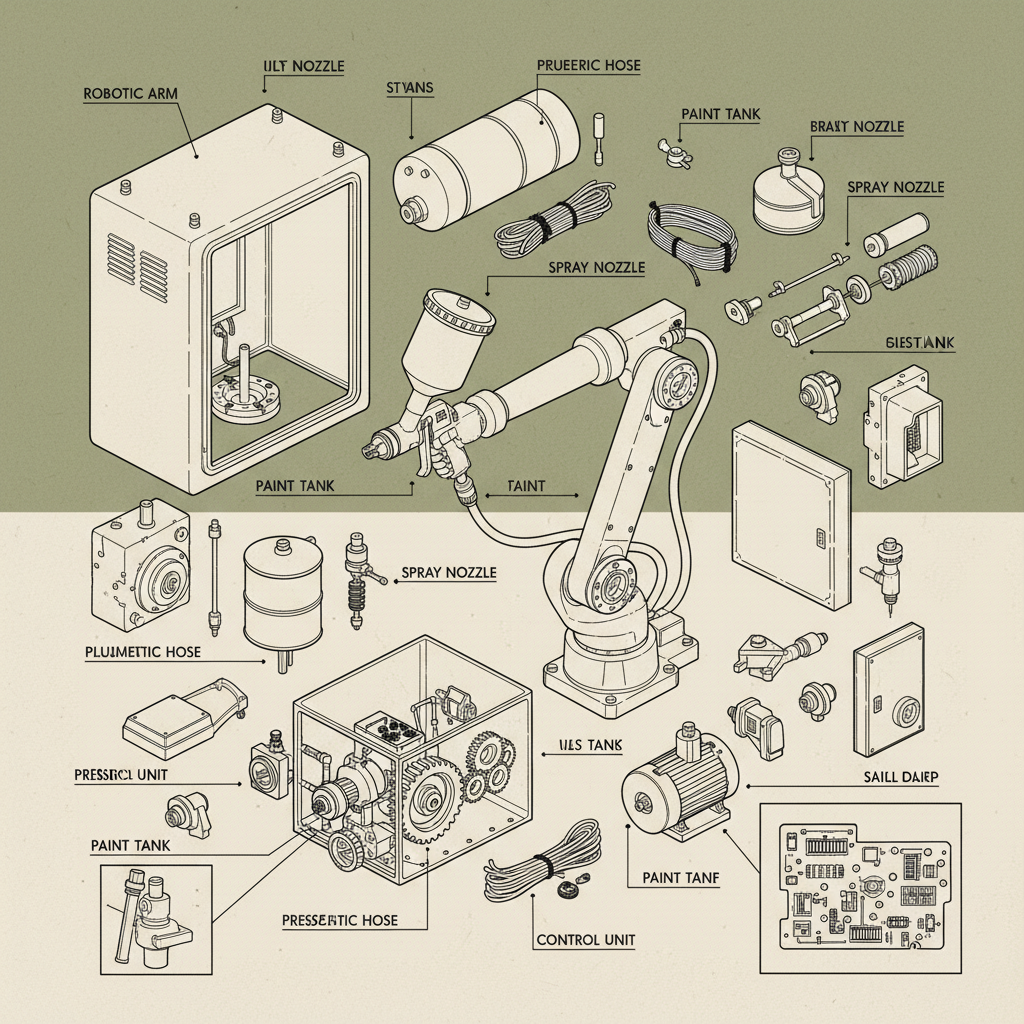
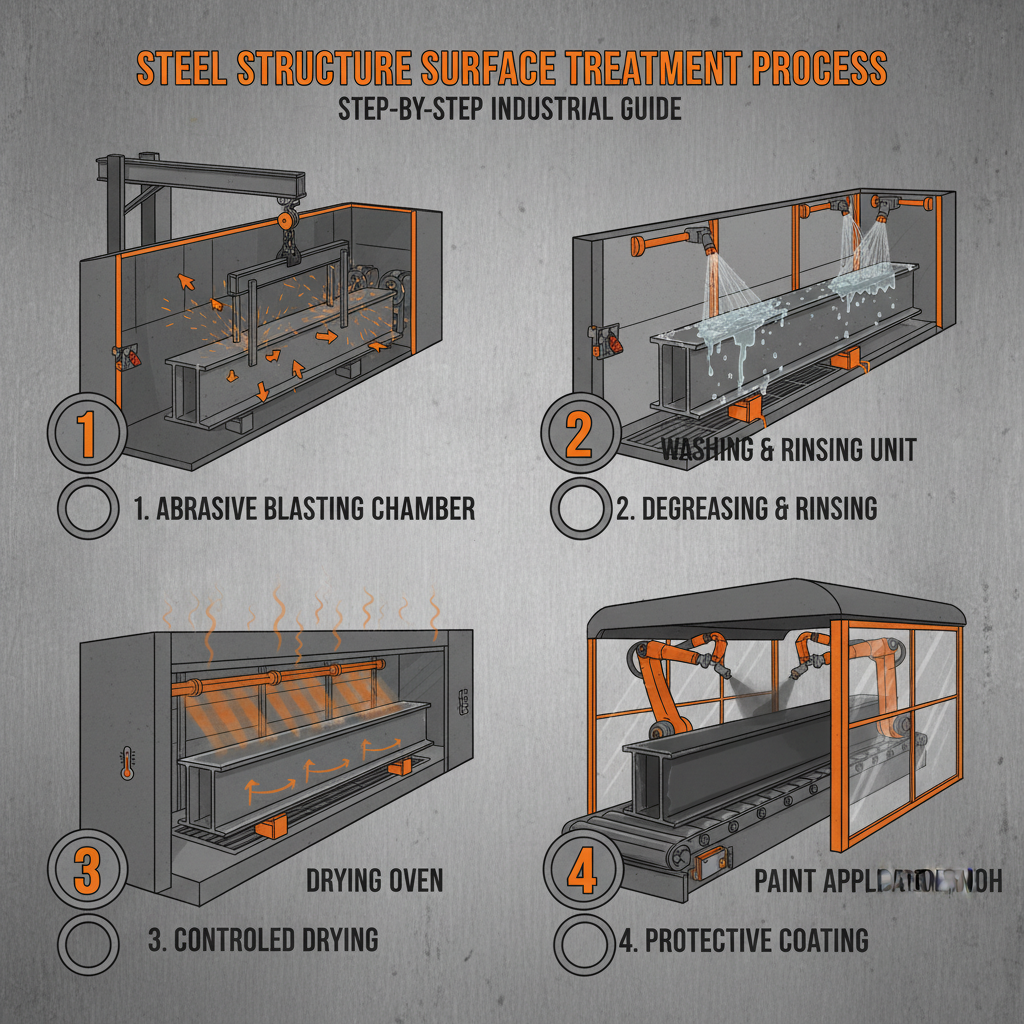
Oh boy, where do I start? I encountered this at a car part factory last time. The biggest mistake I see is people focusing too much on the robot itself and not enough on the surroundings. You need proper ventilation, temperature control, and dust extraction. Seriously, dust is the enemy. It ruins the finish and wrecks the spray nozzles.
Another issue is underestimating the complexity of the paint itself. Different paints require different pressures, flow rates, and nozzle types. You can't just slap any paint in there and expect it to work. People forget about the viscosity, the solids content, the solvent evaporation rate…it’s a whole science! And getting the color match right? That's an art form.
And then there's the programming. If the robot path isn't optimized, you'll end up with uneven coverage, wasted paint, and a lot of rework. It's not just about moving the arm from point A to point B; it’s about smoothness, speed, and efficiency.
Materials Used in Automatic Spray Painting Machines
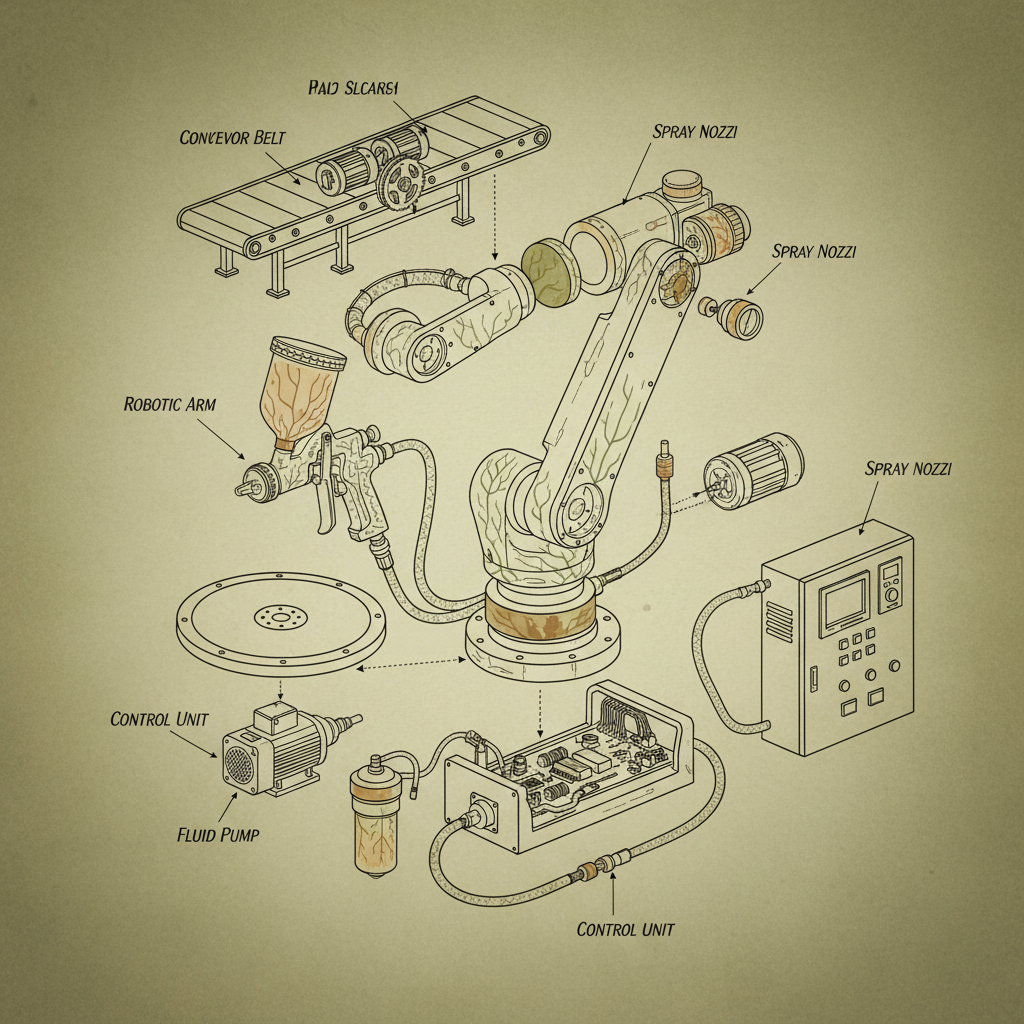
Now, when it comes to the machines themselves, the robots are mostly made of aluminum and steel. Feels solid, you know? But the real workhorses are the components inside. The spray nozzles are often made of tungsten carbide or stainless steel. The hoses are usually Teflon or a similar fluoropolymer because they have to withstand harsh chemicals.
Strangely enough, the control cabinets… those are often flimsy plastic. I don’t get that. All that expensive electronics crammed into a cheap plastic box. It just doesn’t feel right. You can smell the electronics cooking in there on a hot day. Not a good sign.
And the sensors! Those are critical. Laser sensors for part detection, vision systems for quality control… They need to be reliable and accurate. They’re usually covered in a protective coating, but you still have to be careful not to scratch them.
Testing & Real-World Application of Automatic Spray Painting Machines
Testing in the lab is fine, but it doesn't tell you the whole story. You need to see how these things perform in a real-world environment. I always recommend running a pilot program, spraying a small batch of parts and evaluating the results. Check for defects, measure the coating thickness, and assess the overall finish quality.
The biggest challenge is dealing with variations in the parts themselves. Parts aren’t always perfectly uniform. There might be slight imperfections, or variations in size or shape. The robot needs to be able to adapt to these variations and still produce a consistent finish.
I saw a setup at a motorcycle helmet manufacturer where they were using a vision system to scan each helmet before spraying, identifying any imperfections and adjusting the spray path accordingly. That was pretty slick.
Automatic Spray Painting Machine Performance Metrics
Advantages and Disadvantages of Automatic Spray Painting Machines
The advantages are pretty obvious: increased efficiency, reduced waste, consistent quality, and lower labor costs. It allows skilled people to focus on other tasks instead of standing around spraying parts all day. Anyway, I think that’s a big win.
But there are downsides. The initial investment is significant. The machines aren’t cheap, and you need to factor in the cost of installation, programming, and maintenance. And then there’s the learning curve. It takes time to train your staff to operate and maintain these machines.
Customization Options for Automatic Spray Painting Machines
You can customize pretty much anything. The number of spray guns, the type of nozzles, the spray pattern, the robot arm’s reach… I had a customer who needed to paint the inside of a very narrow tube. We had to design a custom nozzle and robot arm just to fit.
Another common customization is integrating the machine with other systems, like conveyor belts or part tracking systems. That's where it gets tricky, though. You need to make sure everything is compatible and that the data flows seamlessly. Don't even get me started on the PLC programming.
A Real-World Case Study: Shenzhen Smart Home Manufacturer
Last month, that small boss in Shenzhen who makes smart home devices insisted on changing the interface to instead of the standard USB. He was convinced it would make his product more "premium." It delayed the whole project by two weeks because the robot programmer had never dealt with a non-standard interface before. The result? He ended up paying extra for a custom solution and still missed his deadline.
It just goes to show you, sometimes the simplest solution is the best. Don't overcomplicate things. Focus on the core functionality and don’t get caught up in unnecessary bells and whistles.
He eventually got it working, and the finish was pretty good, I'll give him that. But it was a painful learning experience.
Summary of Automatic Spray Painting Machine Testing Parameters
| Test Parameter |
Testing Method |
Acceptable Range |
Potential Issues |
| Coating Thickness |
Micrometer Measurement |
20-25 μm |
Uneven spray pattern, nozzle blockage |
| Adhesion Strength |
Cross-cut Tape Test |
Rating of 4-5 |
Poor surface preparation, incompatible paint |
| Surface Smoothness |
Visual Inspection |
No visible defects |
Dust contamination, insufficient paint flow |
| Color Accuracy |
Spectrophotometer |
ΔE
|
Incorrect color mixing, lighting variations |
| Cycle Time |
Stopwatch |
|
Slow robot movement, inefficient path planning |
| Paint Utilization |
Weight Measurement |
>85% |
Overspray, improper nozzle settings |
FAQS
Regular maintenance is key. You'll want to clean the spray nozzles daily, check the filters, and lubricate the robot joints. Also, make sure the air and paint supply lines are free of debris. A lot of downtime comes from simple neglected maintenance. I've seen machines sit for weeks waiting on a $10 filter.
It depends on the paint type, the substrate, and the desired finish. HVLP guns are good for fine finishes, while airless guns are better for thicker coatings. Electrostatic guns can help reduce overspray and improve coverage. Honestly, it's a whole field of study. Talk to your paint supplier – they'll have the best recommendations.
Safety first, always! Make sure the machine is properly grounded. Wear a respirator and protective clothing. Ensure adequate ventilation to remove fumes. And never, ever bypass the safety interlocks. Those are there for a reason. I saw a guy disable one once... didn't end well.
Yes, but it takes planning. You'll need to consider things like conveyor speed, part presentation, and communication protocols. It's usually best to involve an integration specialist to ensure everything works smoothly. You don't want to create a bottleneck in your production process.
It varies depending on your production volume and labor costs. But typically, you can expect to see a return on investment within 12-24 months. The biggest savings come from reduced paint consumption, lower labor costs, and improved product quality. But remember to factor in the cost of maintenance and downtime.
Start with the basics: check the power supply, the air pressure, and the paint flow. If the machine isn’t spraying properly, check the nozzles for blockages. If you're getting uneven coverage, adjust the spray pattern and robot speed. And if you’re still stuck, call the manufacturer’s support line.
Conclusion
So, automatic spray painting machines. They're not a magic bullet, but they're a game-changer for a lot of manufacturers. They can improve efficiency, reduce waste, and enhance product quality. But they require careful planning, proper maintenance, and a good understanding of the underlying technology. It’s not just about buying a robot; it’s about integrating it into your entire production process.
Ultimately, whether this thing works or not, the worker will know the moment he tightens the screw. If the finish looks good, and it feels solid, then you’ve done something right. And if it doesn’t? Well, you know what you need to fix. Visit our website at www.yeedtech.com to learn more about how we can help you automate your painting process.