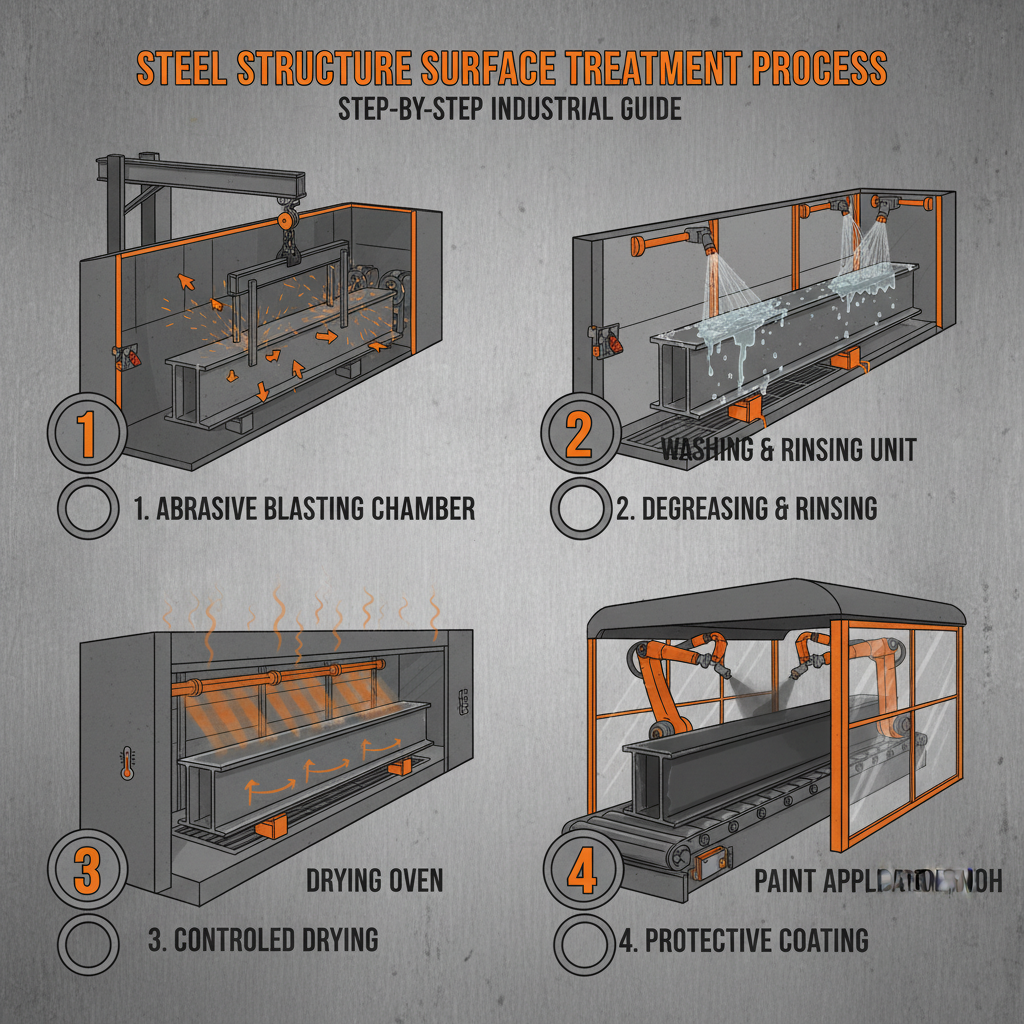
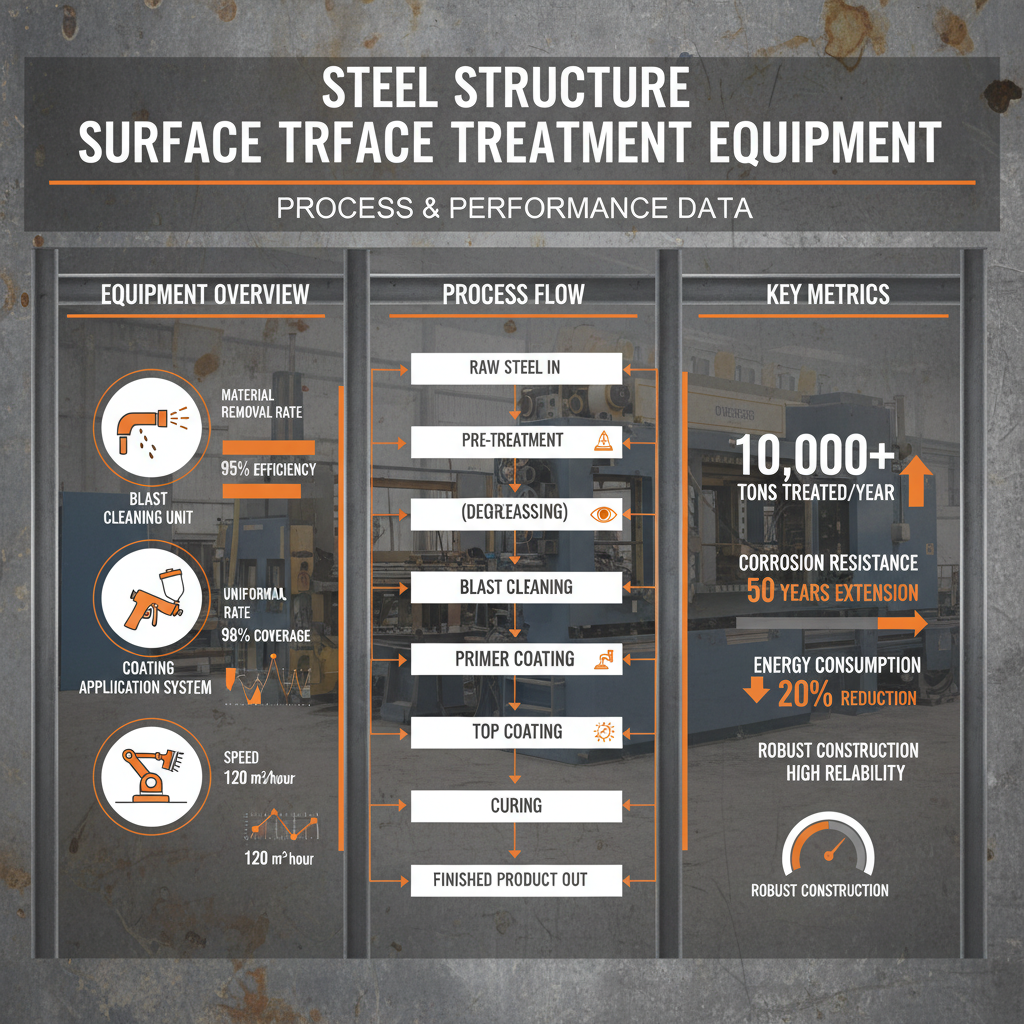
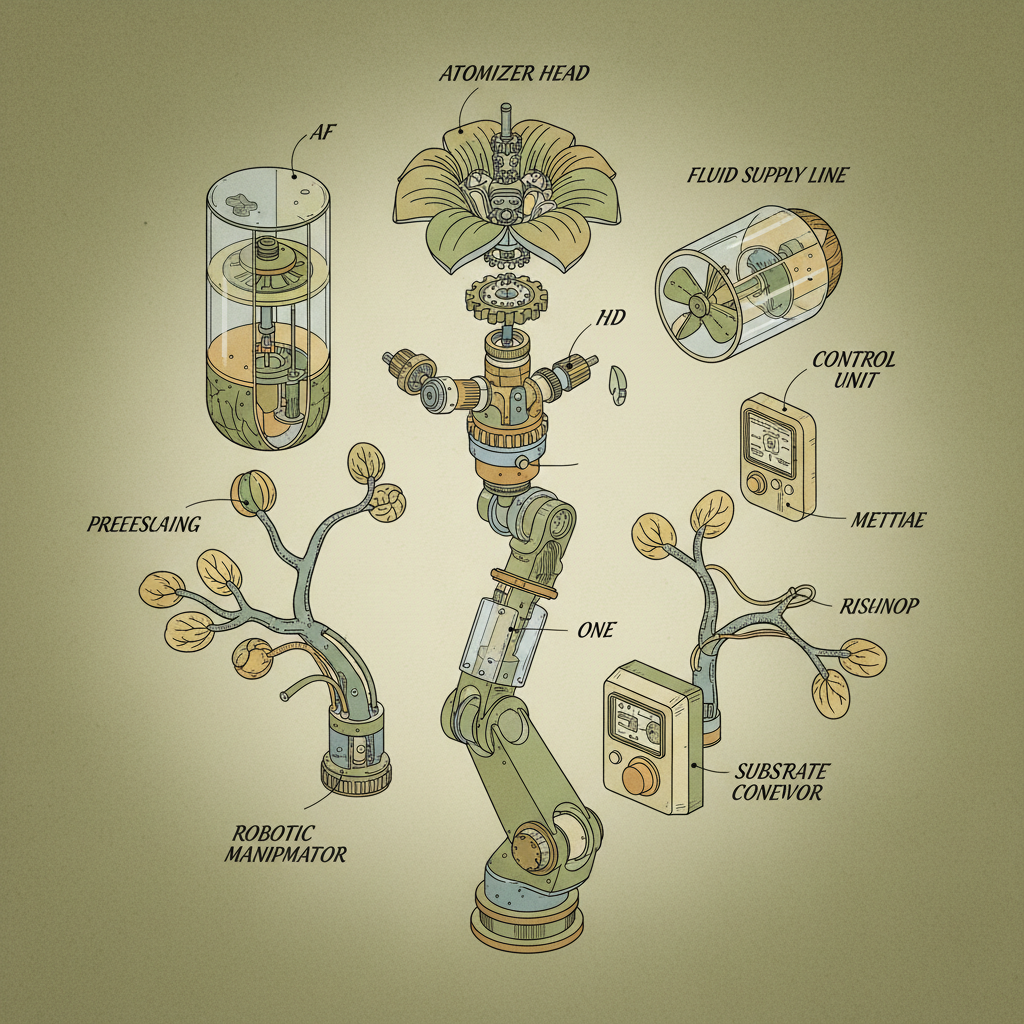
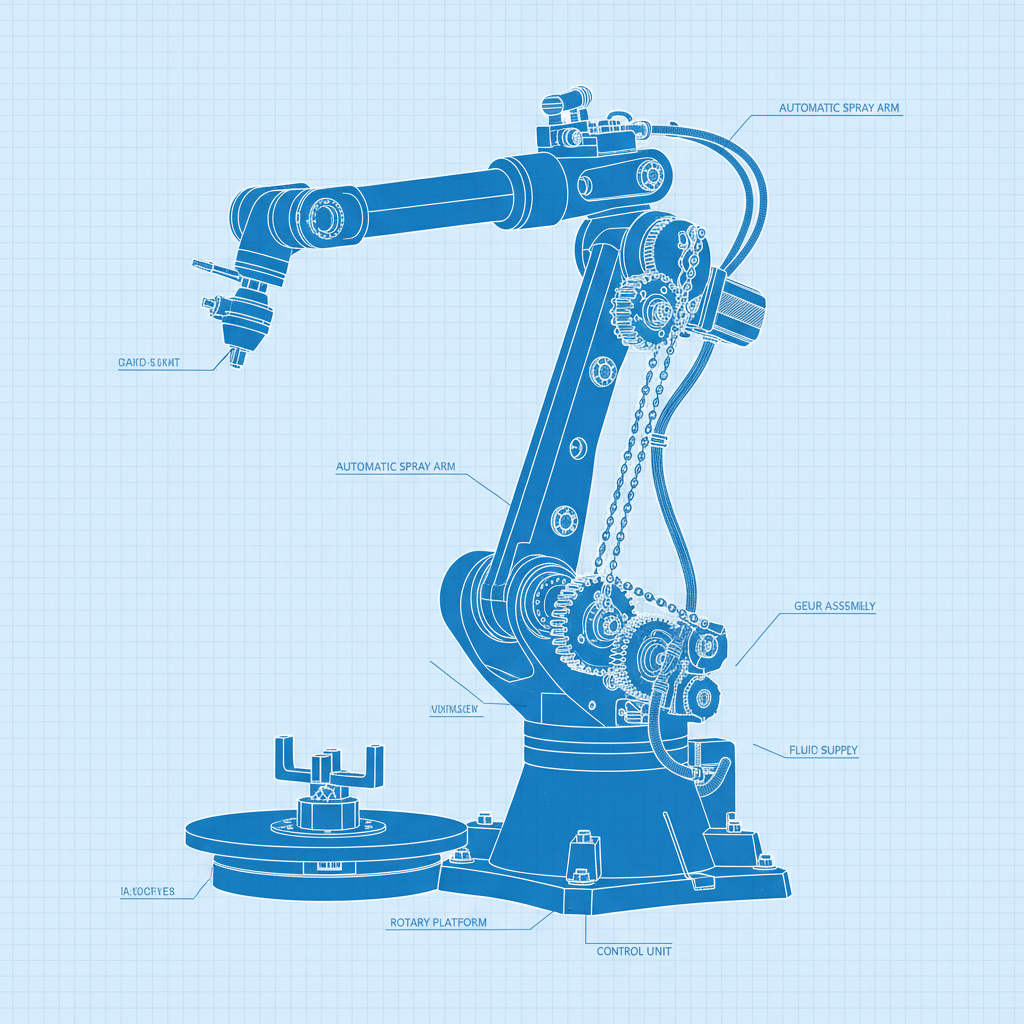
Steel structure surface treatment equipment plays a critical role in ensuring the longevity, safety, and aesthetic appeal of steel constructions globally. From towering skyscrapers and expansive bridges to industrial facilities and residential buildings, the quality of surface treatment directly impacts the structure's resistance to corrosion, wear, and environmental damage. This equipment encompasses a wide array of technologies designed to prepare, protect, and finish steel surfaces, addressing the fundamental need for durable and reliable infrastructure.
The global demand for robust steel structures continues to rise, driven by urbanization, infrastructure development in emerging economies, and the increasing need for sustainable building solutions. This escalating demand fuels the innovation and refinement of steel structure surface treatment equipment, with manufacturers continually striving for efficiency, cost-effectiveness, and environmentally friendly processes. Understanding the nuances of this equipment is essential for engineers, contractors, and facility managers seeking to maximize the lifespan and performance of their steel assets.
Furthermore, advancements in surface treatment technologies are directly linked to reduced maintenance costs, enhanced safety standards, and a decreased environmental footprint—making it a vital component of responsible construction practices. The need for optimized surface preparation and coating application is paramount in an era focused on sustainable and resilient infrastructure.
The Importance of Steel Structure Surface Treatment
Effective steel structure surface treatment is paramount for preventing corrosion, a primary cause of structural failure and costly repairs. Without proper treatment, steel is vulnerable to oxidation, leading to weakening and eventual collapse. Investing in high-quality surface treatment equipment ensures the structural integrity and extends the lifespan of steel assets, minimizing long-term risks.
Beyond corrosion prevention, surface treatment enhances the aesthetic appeal of steel structures. Coatings and finishes can provide a range of colors, textures, and protective qualities, improving the overall visual impact and market value of the project. steel structure surface treatment equipment plays a critical role in achieving these desired outcomes.
Defining Steel Structure Surface Treatment Equipment
Steel structure surface treatment equipment encompasses a diverse range of machinery and tools used to prepare steel surfaces for coating, painting, or other protective treatments. This includes equipment for removing rust, scale, and contaminants, as well as equipment for applying coatings in a uniform and durable manner. The goal is to create a clean, profiled surface that promotes adhesion and maximizes the effectiveness of the protective layer.
This equipment isn’t merely about aesthetics; it’s fundamentally linked to the safety and durability of infrastructure. From blast cleaning and power tool cleaning to chemical treatments and sophisticated coating application systems, each piece of equipment contributes to a comprehensive surface preparation process.
The selection of appropriate equipment depends on factors such as the steel type, the severity of the corrosion, the desired coating system, and environmental regulations. Modern equipment increasingly emphasizes automation, precision, and eco-friendly operation to optimize performance and minimize waste.
Key Components and Processes
Several core processes are fundamental to steel structure surface treatment. Blast cleaning, using abrasive media like sand, steel grit, or garnet, is a common method for removing rust and creating a surface profile for optimal coating adhesion. Power tool cleaning provides a more localized and controlled approach for removing loose scale and contaminants.
Chemical treatments, such as pickling and passivation, employ acidic or alkaline solutions to remove rust, mill scale, and other surface imperfections. These processes are often followed by rinsing and neutralizing steps to ensure a clean and stable surface. The choice between these methods is often dictated by the specifics of the steel and project requirements.
Finally, coating application techniques – including spray painting, powder coating, and thermal spraying – deliver the protective layer. The equipment used in these processes must provide precise control over coating thickness, uniformity, and adhesion to ensure long-lasting protection.
Applications Across Industries
Steel structure surface treatment equipment finds application in a vast range of industries. In the construction sector, it's essential for preparing steel frameworks for bridges, buildings, and other infrastructure projects. The marine industry relies heavily on surface treatment to protect ships, offshore platforms, and port facilities from the corrosive effects of seawater.
The oil and gas industry utilizes specialized surface treatment techniques to safeguard pipelines, storage tanks, and processing equipment from harsh operating conditions. Automotive manufacturing relies on it for corrosion protection and aesthetic finishes on vehicle bodies. Furthermore, industries like aerospace and renewable energy (wind turbines) demand high-performance surface treatments to ensure reliability and durability.
Comparative Effectiveness of Steel Structure Surface Treatment Methods
Advantages and Long-Term Value Proposition
Investing in advanced steel structure surface treatment equipment delivers a substantial return on investment through reduced maintenance costs, extended asset lifespan, and enhanced safety. Properly treated steel requires less frequent repairs and replacements, minimizing downtime and operational expenses.
Furthermore, high-quality surface treatment contributes to a more sustainable approach to infrastructure development. By extending the life of steel structures, we reduce the demand for new materials and minimize waste. The use of environmentally friendly coatings and processes further enhances the sustainability profile. steel structure surface treatment equipment supports these eco-conscious goals.
Future Trends and Technological Advancements
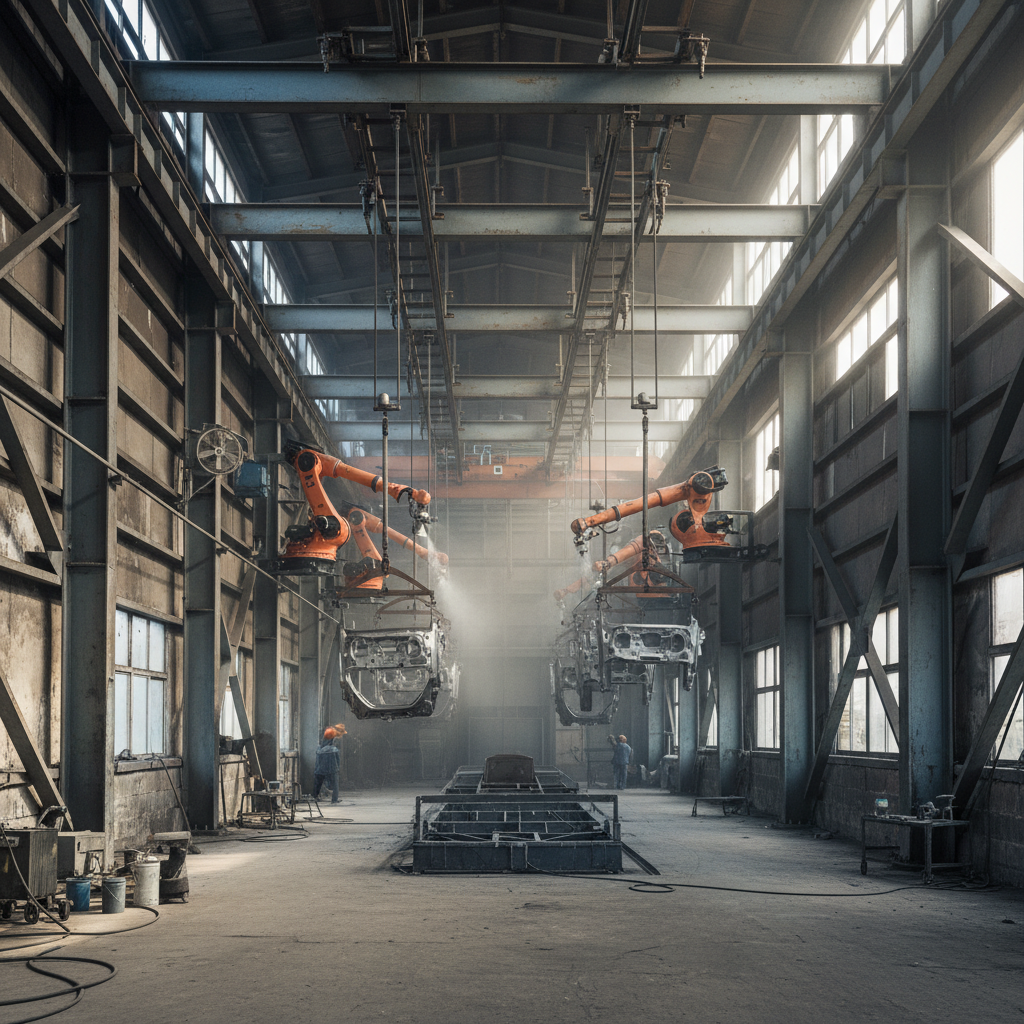
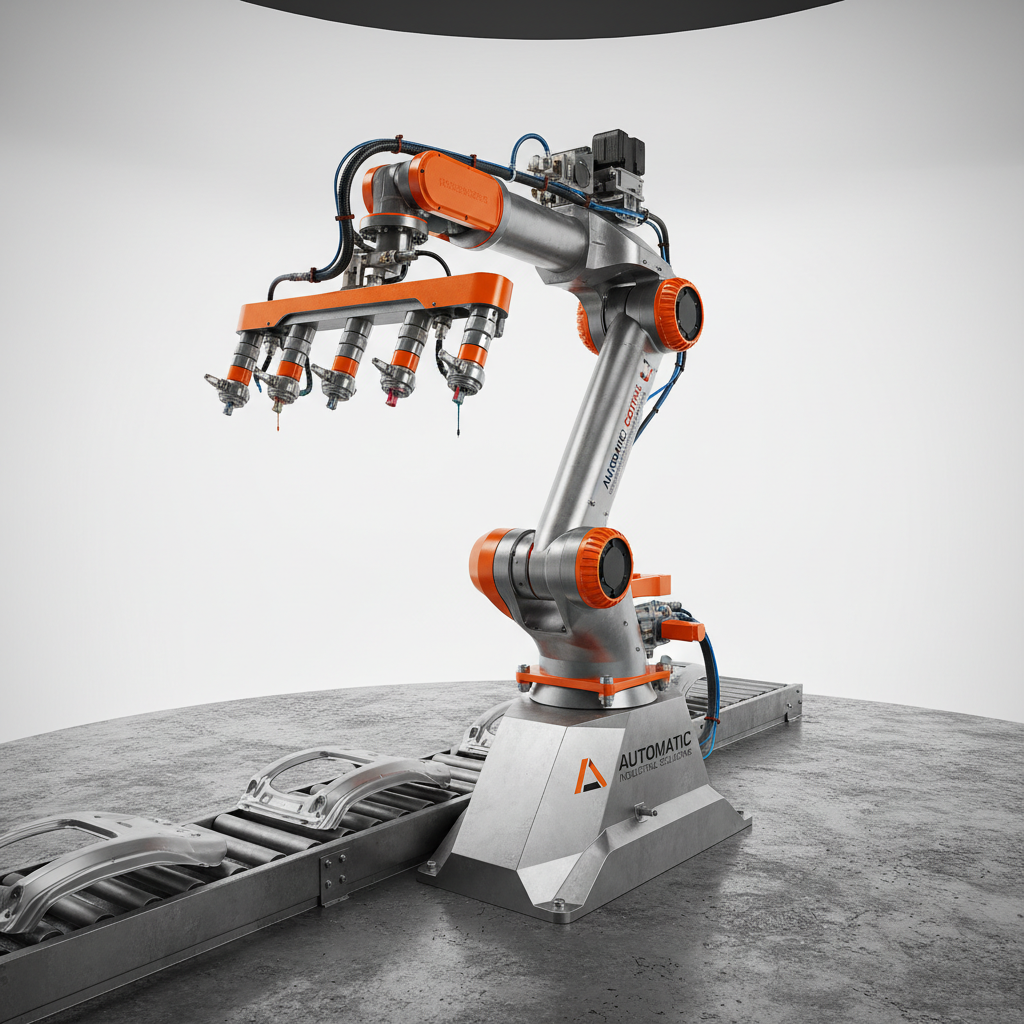
The future of steel structure surface treatment equipment is characterized by increasing automation, digitalization, and a focus on sustainability. Robotic blasting and coating systems are becoming more prevalent, offering improved precision, efficiency, and worker safety.
Developments in coating technologies, such as self-healing coatings and graphene-based materials, promise even greater corrosion protection and extended lifespan. Digital monitoring and data analytics will play a crucial role in optimizing surface treatment processes and predicting maintenance needs.
Challenges and Mitigation Strategies
Despite advancements, challenges remain in steel structure surface treatment. Ensuring consistent surface preparation quality, particularly in challenging environments, can be difficult. The cost of specialized equipment and skilled labor can also be a barrier to entry for some businesses.
Mitigation strategies include investing in operator training, implementing rigorous quality control procedures, and exploring cost-effective equipment options. Adopting standardized surface preparation protocols and embracing digital monitoring technologies can also help to overcome these challenges.
Addressing environmental concerns associated with abrasive blasting and chemical treatments through the adoption of closed-loop systems and eco-friendly alternatives is increasingly critical.
Summary of Challenges and Solutions for Steel Structure Surface Treatment Equipment
| Challenge |
Impact on Steel Structures |
Mitigation Strategy |
Equipment Implication |
| Inconsistent Surface Profile |
Reduced Coating Adhesion |
Calibration & Regular Maintenance |
Profilometers & Automated Blasting Systems |
| High Equipment Costs |
Limited Access for Smaller Companies |
Leasing & Shared Resource Models |
Multi-Functional Equipment |
| Environmental Regulations |
Waste Disposal & Emission Control |
Closed-Loop Systems & Eco-Friendly Abrasives |
Dust Collection Systems & Chemical Recycling |
| Skilled Labor Shortage |
Poor Application Quality |
Comprehensive Training Programs |
Automated Systems with User-Friendly Interfaces |
| Corrosion in Difficult Access Areas |
Localized Failure & Accelerated Degradation |
Remote Controlled Blasting Equipment |
Robotic Systems & Extension Nozzles |
| Inspection & Quality Control |
Identifying Defects & Ensuring Standards |
Non-Destructive Testing (NDT) |
Ultrasonic Thickness Gauges & Coating Inspection Tools |
FAQS
Proper steel surface treatment, including thorough preparation and application of appropriate coatings, can extend the lifespan of steel structures by 20-50 years, depending on the environment and coating system used. This is a significant reduction in lifecycle costs compared to frequent repairs or replacements, and it is critical for maximizing return on investment for infrastructure projects. Effective treatment minimizes corrosion, a primary factor in steel degradation.
Abrasive blasting utilizes propelled media to physically remove rust and scale, creating a surface profile for coating adhesion. It's effective for heavily corroded surfaces. Chemical pickling uses acidic solutions to dissolve rust and scale, offering a gentler approach suitable for thinner materials. However, pickling requires careful neutralization and waste disposal. Selecting the appropriate method depends on steel condition, environment, and project requirements.
Surface profile is crucial. It refers to the microscopic roughness created during surface preparation. This roughness provides mechanical anchoring for the coating, significantly improving adhesion and preventing premature failure. An incorrect surface profile – too smooth or too rough – can lead to coating delamination and corrosion. Surface profilometers are used to measure and verify the correct profile.
Environmental impact is increasingly important. Abrasive blasting can generate dust and hazardous waste. Chemical pickling requires careful waste management. Choosing eco-friendly abrasives (e.g., garnet), using closed-loop systems for water and chemical recycling, and employing dust collection systems are vital for minimizing environmental footprint. Regulations often dictate acceptable practices.
Automation, through robotic blasting and coating systems, significantly enhances efficiency and reduces labor costs. It delivers consistent results, minimizes material waste, and improves worker safety by removing personnel from hazardous environments. While initial investment costs can be higher, the long-term operational savings often outweigh these expenses.
Operators require comprehensive training in safety procedures, equipment operation, surface preparation techniques, coating application, and quality control. Certification programs are available for specific equipment and processes. Regular refresher training is essential to maintain proficiency and ensure compliance with industry standards and regulations. Training ensures optimal performance and minimizes risks.
Conclusion
In conclusion, steel structure surface treatment equipment is an indispensable component of modern infrastructure development and maintenance. By effectively preventing corrosion, enhancing durability, and improving aesthetic appeal, this equipment contributes to safer, more sustainable, and cost-effective structures. Understanding the diverse range of equipment, processes, and emerging technologies is crucial for professionals across a wide spectrum of industries.
Looking ahead, continued innovation in automation, materials science, and environmentally friendly practices will further optimize surface treatment processes. Investing in training, adopting standardized protocols, and embracing digital technologies are key to maximizing the value and long-term benefits of this critical equipment. For cutting-edge solutions and expert guidance, visit our website: www.yeedtech.com.