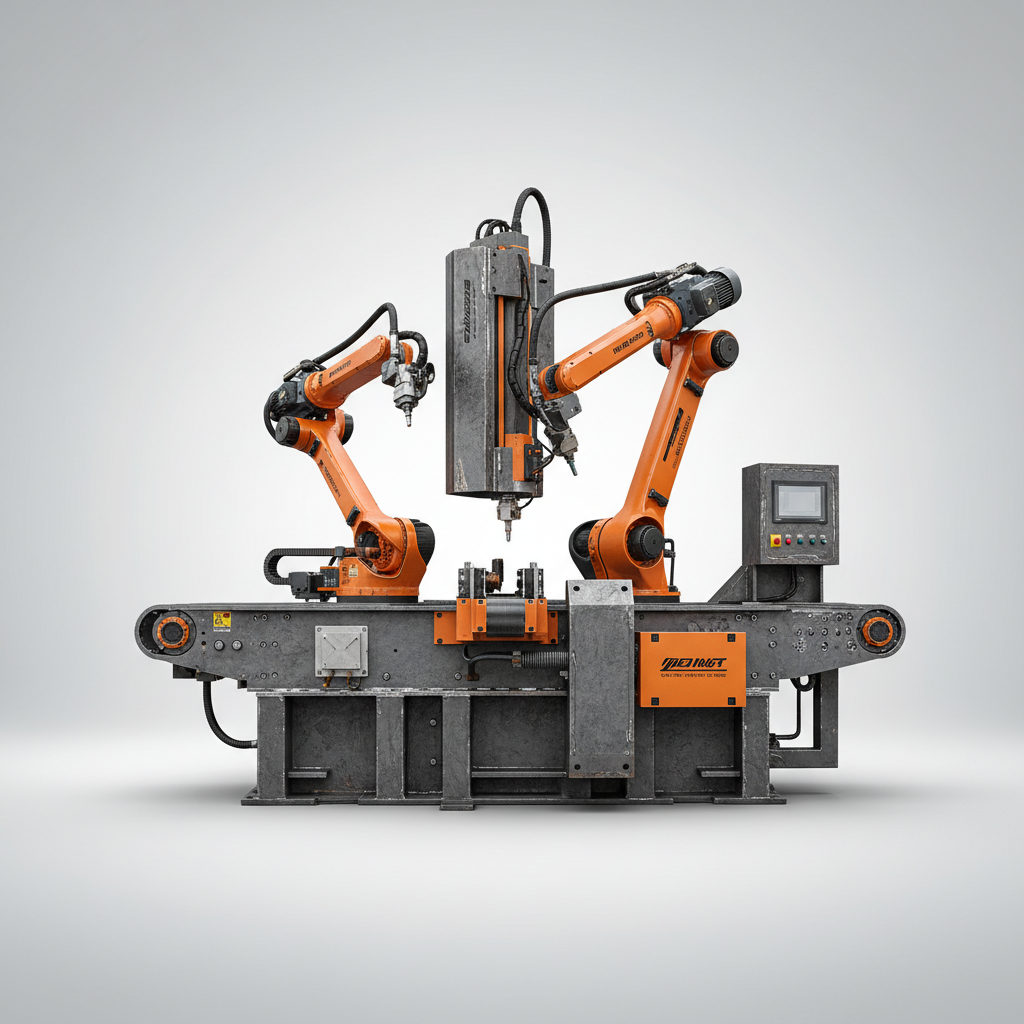
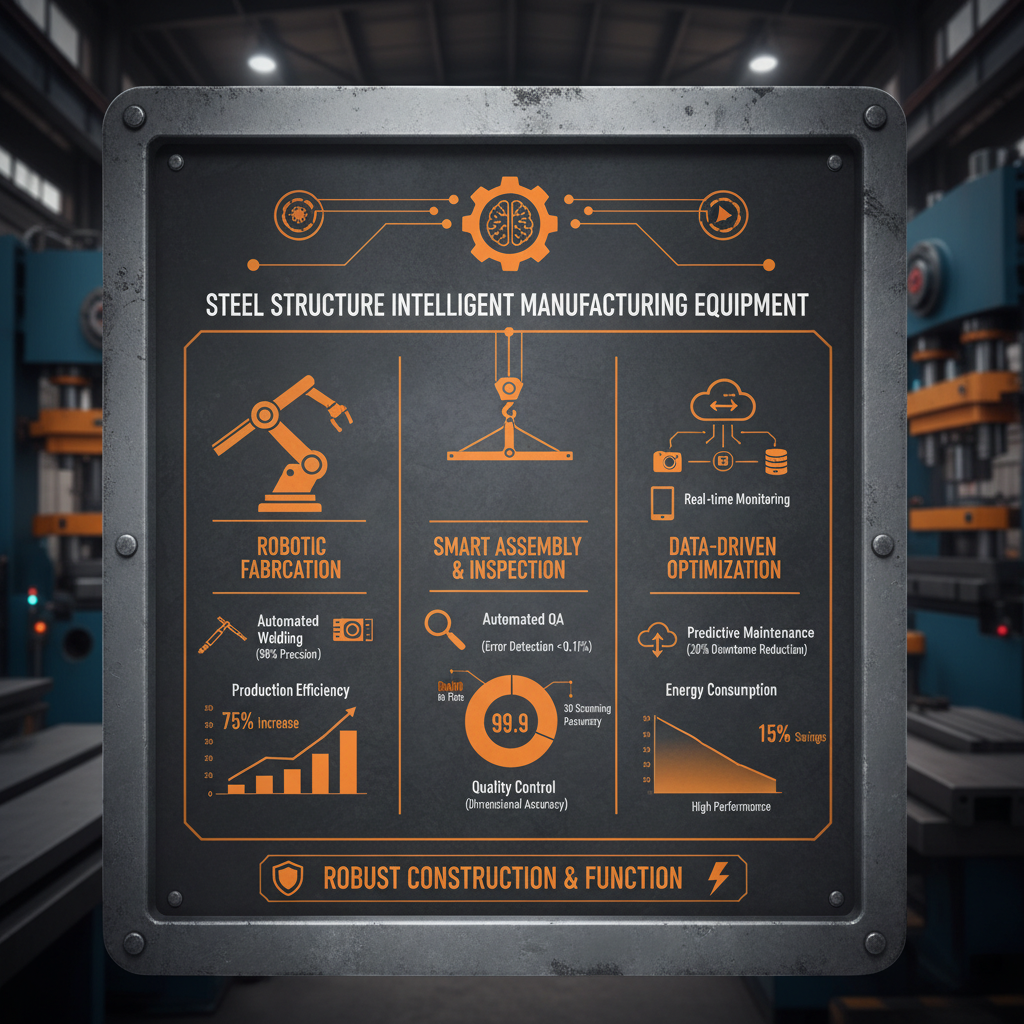
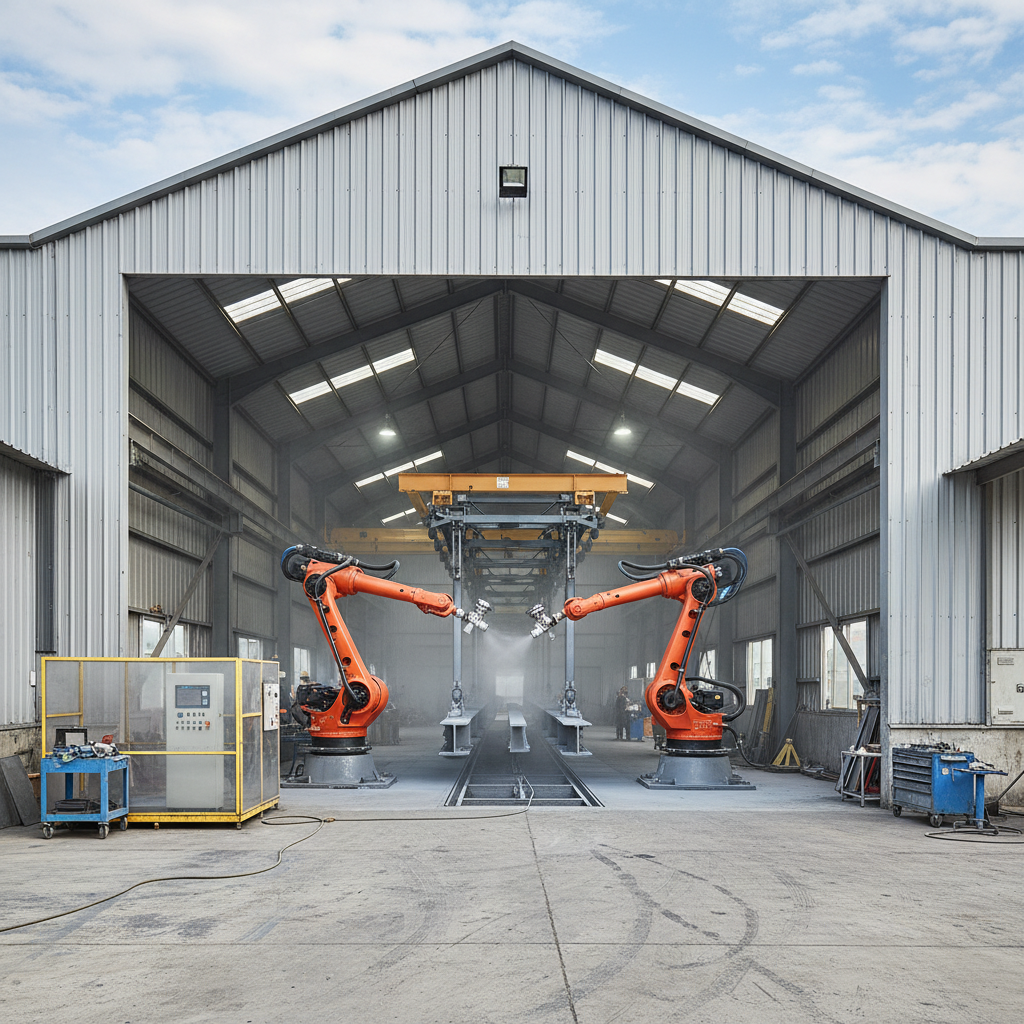
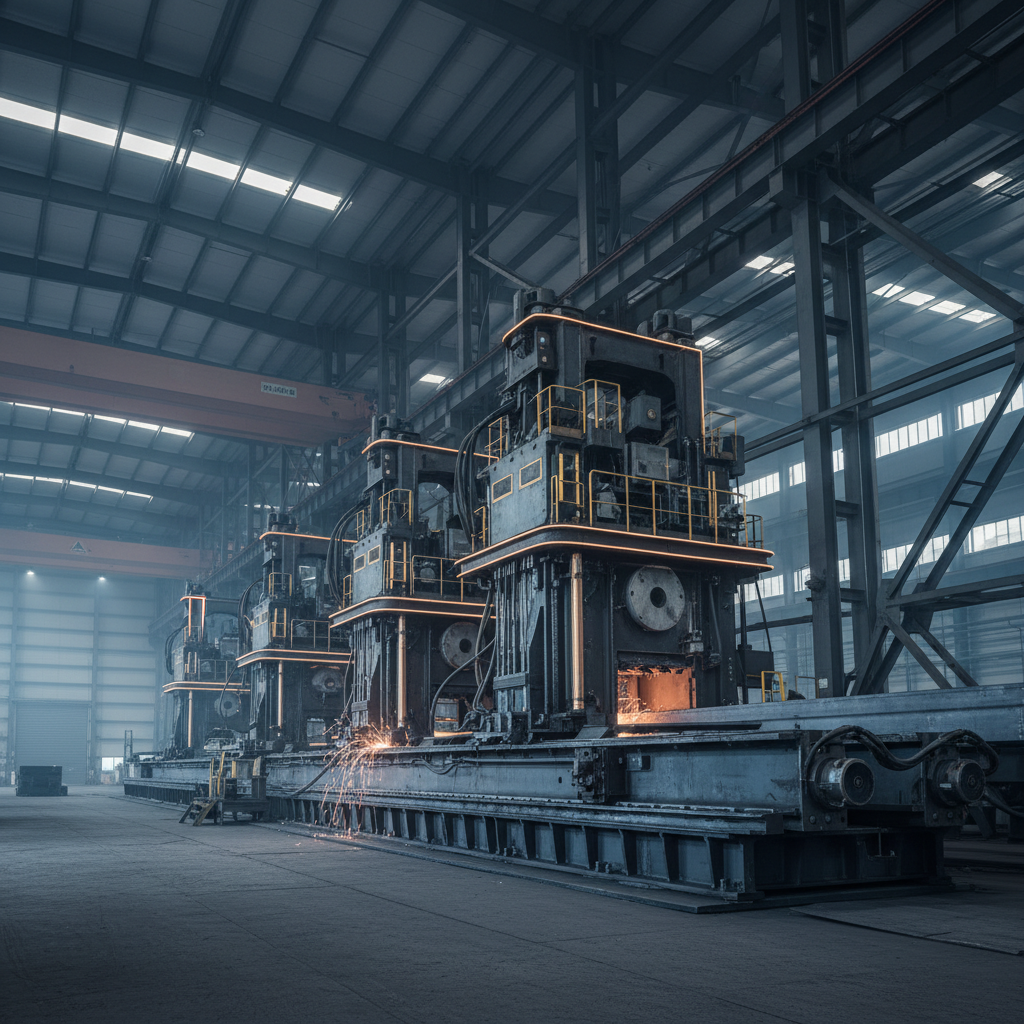
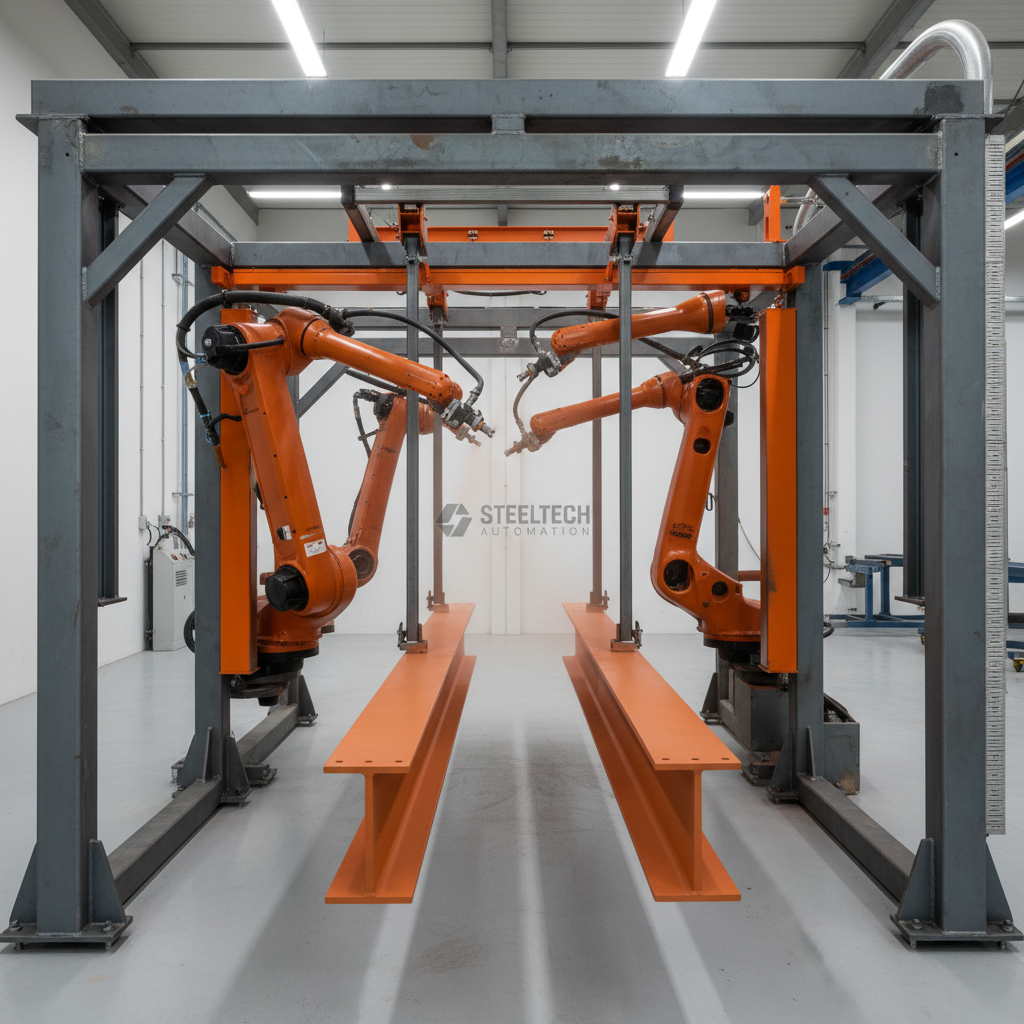
Steel structure intelligent manufacturing equipment represents a paradigm shift in construction and industrial fabrication. Globally, the demand for efficient, sustainable, and rapidly deployable infrastructure is soaring, driven by urbanization, disaster relief efforts, and the need for adaptable industrial spaces. This equipment – encompassing automated welding systems, robotic assembly lines, AI-powered design software, and precision cutting technologies – is vital to meeting these challenges. It allows for faster project completion, reduced labor costs, improved quality control, and minimized environmental impact, making it an increasingly crucial component of the modern built environment.
The increasing complexity of modern projects, coupled with a shortage of skilled labor, necessitates innovative manufacturing solutions. Steel structures, renowned for their strength, durability, and recyclability, are integral to diverse applications ranging from high-rise buildings and bridges to industrial facilities and renewable energy infrastructure. Intelligent manufacturing equipment enhances the precision and efficiency of steel structure production, enabling the creation of more complex designs and customized solutions. This is particularly critical in rapidly developing nations and disaster-stricken regions where speed and cost-effectiveness are paramount.
Ultimately, the adoption of steel structure intelligent manufacturing equipment is not merely about technological advancement; it’s about building a more resilient, sustainable, and efficient future. Investing in these technologies fosters innovation, creates new economic opportunities, and addresses pressing global needs related to infrastructure development and disaster response.
Introduction: Global or Industry Context
The global steel industry is undergoing a significant transformation fueled by the adoption of intelligent manufacturing technologies. According to the World Steel Association, global steel demand is projected to continue growing, particularly in emerging economies. This growth is intertwined with the need for more efficient and sustainable construction practices. Steel structure intelligent manufacturing equipment provides the tools to address these challenges by streamlining production processes, minimizing waste, and enhancing the structural integrity of steel constructions.
The UN’s Sustainable Development Goals (SDGs), particularly SDG 9 (Industry, Innovation and Infrastructure) and SDG 11 (Sustainable Cities and Communities), highlight the importance of resilient infrastructure and sustainable industrialization. Steel structure intelligent manufacturing equipment directly contributes to achieving these goals by facilitating the creation of durable, cost-effective, and environmentally responsible building solutions. The ISO standards related to quality management and environmental sustainability further drive the demand for advanced manufacturing practices.
A core challenge lies in balancing increased demand with the need to reduce the carbon footprint of steel production and construction. Traditional methods often rely on labor-intensive processes and generate significant waste. Steel structure intelligent manufacturing equipment offers a pathway to overcome these limitations through automation, precision engineering, and the utilization of advanced materials, ultimately promoting a more circular and sustainable steel industry.
Definition & Meaning
Steel structure intelligent manufacturing equipment encompasses a range of advanced technologies used to automate and optimize the design, fabrication, and assembly of steel structures. This includes Computer-Aided Design (CAD) software integrated with Building Information Modeling (BIM), robotic welding systems, automated cutting machines (laser, plasma, and waterjet), CNC machining centers, and AI-powered quality control systems. These technologies work in concert to transform raw materials into complex steel structures with unparalleled precision and efficiency.
Essentially, it represents the application of Industry 4.0 principles to the steel construction sector. It’s about connecting physical production processes with digital technologies to create a smart, self-optimizing manufacturing environment. This integration extends beyond the factory floor, encompassing supply chain management, project planning, and even on-site assembly through technologies like augmented reality.
This technology isn't simply about automation for automation's sake; it’s directly linked to fulfilling fundamental needs. From providing safe and affordable housing in densely populated urban areas to constructing essential infrastructure in disaster zones, steel structures are critical to human development. Intelligent manufacturing equipment makes the production of these structures more efficient, scalable, and sustainable.
Key Factors or Core Components
Precision & Accuracy: Automated cutting, welding, and assembly processes facilitated by intelligent manufacturing equipment minimize errors and ensure dimensional accuracy. This is crucial for complex architectural designs and demanding engineering applications. The consistent quality achievable through automation drastically reduces rework and strengthens structural integrity.
Speed & Efficiency: Intelligent manufacturing significantly reduces production lead times. Robotic systems can operate 24/7, and optimized workflows minimize material waste and streamline processes. This faster turnaround is particularly vital for projects with tight deadlines or urgent needs, like emergency shelter construction.
Cost-Effectiveness: While the initial investment can be substantial, intelligent manufacturing equipment ultimately reduces overall project costs. Lower labor requirements, minimized material waste, reduced rework, and faster project completion all contribute to significant cost savings. Furthermore, optimized designs can lead to more efficient material usage.
Scalability & Flexibility: Intelligent manufacturing systems can be easily scaled to meet changing production demands. The ability to quickly adapt to different designs and project requirements provides a significant competitive advantage. This flexibility is particularly important for companies serving diverse markets.
Global Applications & Use Cases
Steel structure intelligent manufacturing equipment is being deployed across a wide range of applications worldwide. In developed nations, it’s driving innovation in high-rise construction, bridge building, and complex industrial facilities. For instance, in Japan, advanced robotic welding systems are being used to construct earthquake-resistant steel structures. In Europe, automated fabrication facilities are producing prefabricated steel components for sustainable building projects.
The technology is also making a significant impact in developing countries. In post-disaster relief operations, rapidly deployable steel structures manufactured using intelligent equipment are providing temporary housing and essential infrastructure. In remote industrial zones, automated fabrication facilities are enabling the local production of steel components, reducing reliance on imports and creating economic opportunities. steel structure intelligent manufacturing equipment is playing a key role in these advancements.
Furthermore, the renewable energy sector heavily relies on steel structures for wind turbines and solar farms. Intelligent manufacturing is enabling the efficient production of large-scale steel components required for these projects, contributing to the global transition to clean energy. The ability to customize steel structures for specific environmental conditions is also becoming increasingly important.
Application of Steel Structure Intelligent Manufacturing Equipment by Region
Advantages & Long-Term Value
The benefits of adopting steel structure intelligent manufacturing equipment extend far beyond immediate cost savings. Tangible advantages include reduced material waste (leading to lower environmental impact), enhanced product quality (resulting in longer-lasting structures), and increased safety for workers (due to automation of hazardous tasks). The streamlined production process also allows for greater responsiveness to market demands.
Long-term value is derived from improved sustainability, increased reliability, and the potential for innovation. By reducing reliance on manual labor and optimizing resource utilization, these technologies contribute to a more responsible and circular economy. The data generated by intelligent manufacturing systems also provides valuable insights for continuous improvement and optimization, fostering a culture of innovation.
Future Trends & Innovations
The future of steel structure intelligent manufacturing equipment is closely linked to advancements in areas like artificial intelligence, machine learning, and additive manufacturing (3D printing). AI-powered design optimization tools will enable the creation of even more efficient and sustainable structures. Machine learning algorithms will be used to predict equipment failures and optimize maintenance schedules, reducing downtime and improving operational efficiency.
Furthermore, the integration of digital twin technology—virtual representations of physical assets—will allow for real-time monitoring and simulation of steel structures, enabling proactive maintenance and improved performance. The increasing adoption of green energy sources and sustainable materials will also drive innovation in steel structure manufacturing, leading to more environmentally friendly production processes.
Challenges & Solutions
Despite the numerous benefits, the adoption of steel structure intelligent manufacturing equipment faces several challenges. High upfront investment costs can be a barrier for smaller companies. A shortage of skilled workers capable of operating and maintaining these advanced technologies is another significant hurdle. Data security concerns and the potential for cyberattacks also need to be addressed.
Solutions include government incentives and funding programs to support the adoption of these technologies. Investing in workforce development and training programs is crucial to bridge the skills gap. Implementing robust cybersecurity measures and data encryption protocols is essential to protect sensitive information. Collaboration between industry, academia, and government can accelerate innovation and address these challenges collectively.
Furthermore, the development of standardized interfaces and communication protocols will facilitate interoperability between different systems and vendors, reducing integration costs and promoting wider adoption of intelligent manufacturing solutions.
Core Challenges and Mitigation Strategies in Steel Structure Intelligent Manufacturing
| Challenge Category |
Specific Challenge |
Severity (1-10) |
Mitigation Strategy |
| Financial |
High Initial Investment |
8 |
Government subsidies, leasing options, phased implementation |
| Workforce |
Skills Gap |
9 |
Training programs, collaboration with educational institutions, attracting talent |
| Technological |
Data Integration Issues |
7 |
Standardized data protocols, API integration, cloud-based platforms |
| Security |
Cybersecurity Threats |
6 |
Robust firewalls, intrusion detection systems, data encryption |
| Operational |
System Downtime |
5 |
Predictive maintenance, redundant systems, remote monitoring |
| Regulatory |
Compliance Standards |
7 |
Adherence to industry standards, regular audits, documentation |
FAQS
Steel structure intelligent manufacturing equipment offers significant advantages over traditional methods, including increased precision, faster production times, reduced material waste, and lower labor costs. Automation minimizes errors, while optimized workflows enhance efficiency. The resulting structures are often of higher quality and exhibit greater durability. Moreover, the technology facilitates the creation of complex designs and customized solutions, expanding design possibilities.
Intelligent manufacturing contributes to sustainability by optimizing material usage, reducing waste, and minimizing energy consumption. Precision cutting and welding technologies minimize scrap, while optimized designs require less material overall. The automation of processes reduces the reliance on manual labor, potentially lowering carbon emissions. Furthermore, the technology enables the use of recycled steel and facilitates the creation of structures designed for disassembly and reuse.
While some equipment requires specialized training, the industry is moving towards more user-friendly interfaces. Generally, skilled technicians are needed to operate and maintain the equipment, alongside engineers capable of programming and optimizing the automated processes. Ongoing training and development are essential to keep up with advancements in technology. A blend of mechanical, electrical, and software engineering skills is highly valuable.
The ROI varies depending on the scale of investment, the specific equipment deployed, and the company’s existing infrastructure. However, typical ROI ranges from 2 to 5 years, driven by reduced labor costs, minimized material waste, faster project completion, and improved product quality. Long-term benefits like increased competitiveness and enhanced brand reputation also contribute to the overall ROI.
Future developments include increased integration of AI and machine learning for predictive maintenance and design optimization, the wider adoption of additive manufacturing (3D printing) for complex components, and the development of digital twins for real-time monitoring and simulation. Expect to see more autonomous systems, remote control capabilities, and a greater emphasis on sustainable materials and processes.
Companies should start with a thorough assessment of their existing infrastructure, workforce skills, and production processes. A feasibility study should be conducted to identify potential benefits, costs, and challenges. Pilot projects can be used to test the technology and evaluate its performance. Collaboration with experienced vendors and consultants is highly recommended.
Conclusion
Steel structure intelligent manufacturing equipment is revolutionizing the construction and industrial fabrication industries. By embracing automation, data analytics, and advanced materials, companies can unlock significant benefits in terms of efficiency, sustainability, and cost-effectiveness. The ability to build stronger, more durable, and more resilient structures is paramount in a world facing increasing environmental challenges and infrastructure demands.
Looking ahead, continued innovation and investment in this technology are crucial for building a more sustainable and prosperous future. By addressing the challenges associated with adoption and fostering collaboration between industry, academia, and government, we can unlock the full potential of steel structure intelligent manufacturing equipment and create a world built on innovation and resilience. For more information and solutions, visit our website: www.yeedtech.com.