Steel structure fully automatic manufacturing equipment represents a paradigm shift in construction and industrial fabrication. This technology streamlines the entire process, from design and material handling to cutting, welding, and assembly, resulting in increased efficiency, reduced labor costs, and superior quality control. The global demand for infrastructure and housing, coupled with the need for faster, more sustainable building solutions, is driving rapid adoption of these automated systems.
The significance of this technology extends beyond mere cost savings. It addresses critical challenges like skilled labor shortages in the construction industry and the demand for precision in complex structural designs. Furthermore, automated systems minimize material waste and enhance safety by reducing human involvement in hazardous tasks.
Understanding steel structure fully automatic manufacturing equipment is vital for businesses aiming to remain competitive in the modern construction landscape. It's no longer a futuristic concept but a present-day necessity for efficiency, scalability, and profitability, playing an increasing role in meeting global infrastructure needs.
The Core Principles of steel structure fully automatic manufacturing equipment
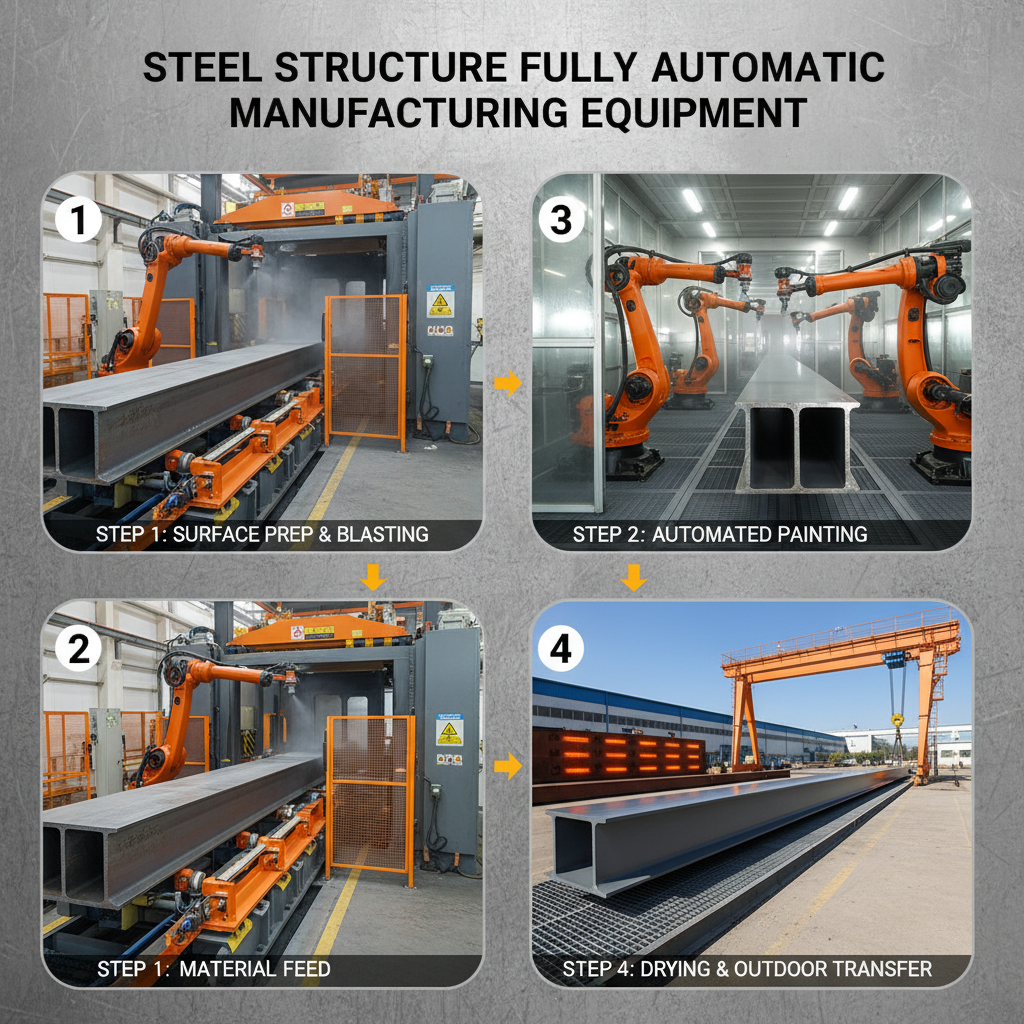
At its core, steel structure fully automatic manufacturing equipment leverages robotic automation, computer numerical control (CNC) technology, and advanced software to execute the entire steel fabrication process with minimal human intervention. This includes everything from raw material handling and precise cutting to automated welding, drilling, and assembly.
The system isn’t merely about replacing human labor; it's about enhancing accuracy, repeatability, and efficiency. By integrating Building Information Modeling (BIM) data directly into the manufacturing process, these systems can produce complex steel structures with unparalleled precision, minimizing errors and rework.
Global Relevance and Industry Impact
The global construction industry is facing unprecedented demands, fueled by rapid urbanization, population growth, and infrastructure development. According to the United Nations, approximately 68% of the world’s population is projected to live in urban areas by 2050, creating a massive need for housing, transportation, and commercial buildings. Steel structure fully automatic manufacturing equipment offers a viable solution to meet these demands efficiently.
This technology is particularly crucial in regions experiencing rapid economic growth, such as Asia and Africa, where traditional construction methods are struggling to keep pace. Furthermore, the ISO standards for quality management and environmental sustainability are increasingly influencing the adoption of automated systems to ensure consistent product quality and minimize environmental impact.
The challenge of skilled labor shortages in the construction industry is a global concern. Automated steel fabrication addresses this issue by reducing the reliance on specialized welders, fitters, and fabricators, enabling projects to be completed on time and within budget.
Defining steel structure fully automatic manufacturing equipment
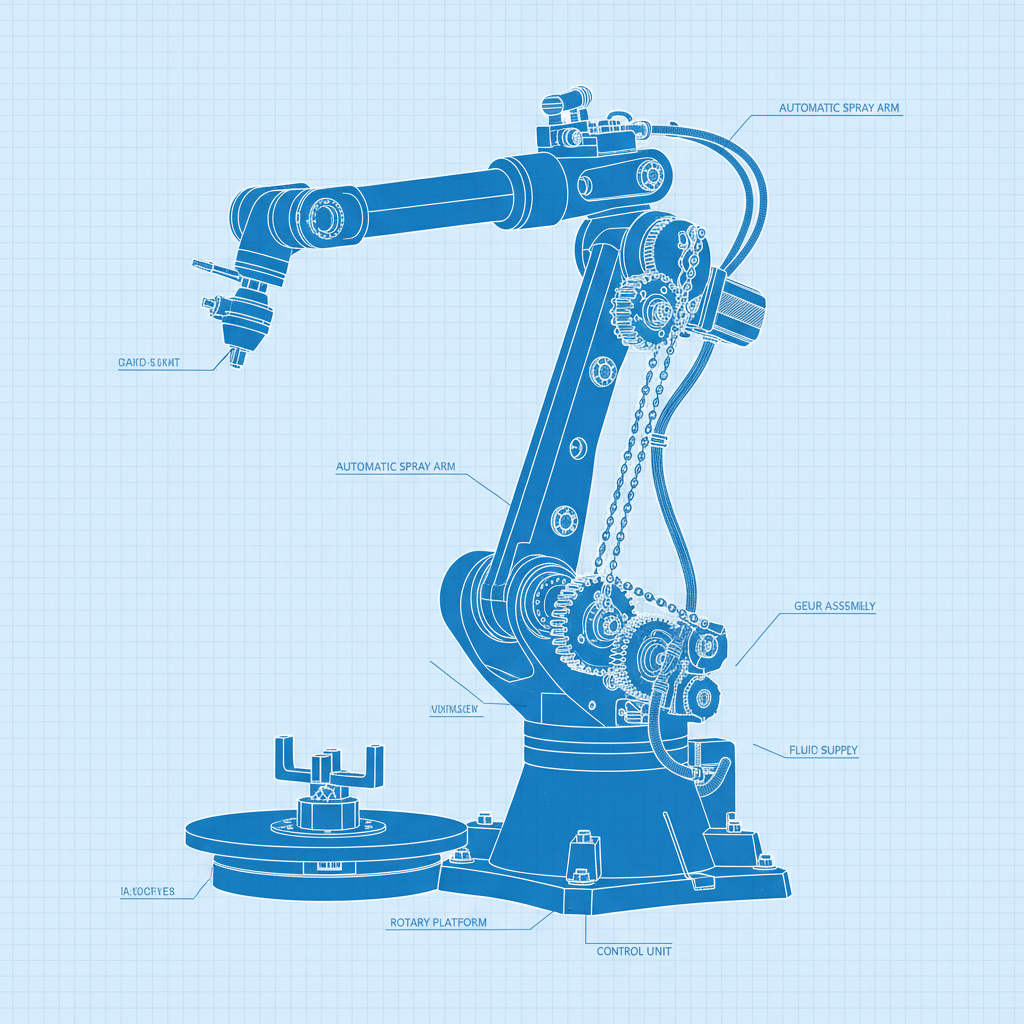
Steel structure fully automatic manufacturing equipment encompasses a complete end-to-end system for the fabrication of steel components and structures. This includes robotic cutting machines, automated welding stations, CNC drilling and punching machines, and robotic assembly cells, all integrated and controlled by a central software platform.
Its connection to modern industry is profound. It’s not simply about building structures; it's about creating a more efficient, sustainable, and resilient built environment. This technology enables the prefabrication of complex structures off-site, reducing on-site construction time, minimizing disruption, and improving worker safety.
The application extends to humanitarian needs as well. Rapidly deployable shelters, emergency medical facilities, and disaster relief infrastructure can be fabricated quickly and efficiently using these automated systems, providing critical support to communities affected by natural disasters or conflict.
Key Factors Driving Implementation
Several key factors contribute to the growing adoption of steel structure fully automatic manufacturing equipment. Firstly, cost efficiency is paramount. While the initial investment can be significant, the long-term savings in labor, materials, and rework often outweigh the upfront costs.
Secondly, speed and throughput are significantly improved. Automated systems can operate continuously, 24/7, with minimal downtime, drastically reducing project timelines. Thirdly, precision and quality are consistently higher than traditional methods, minimizing errors and ensuring structural integrity.
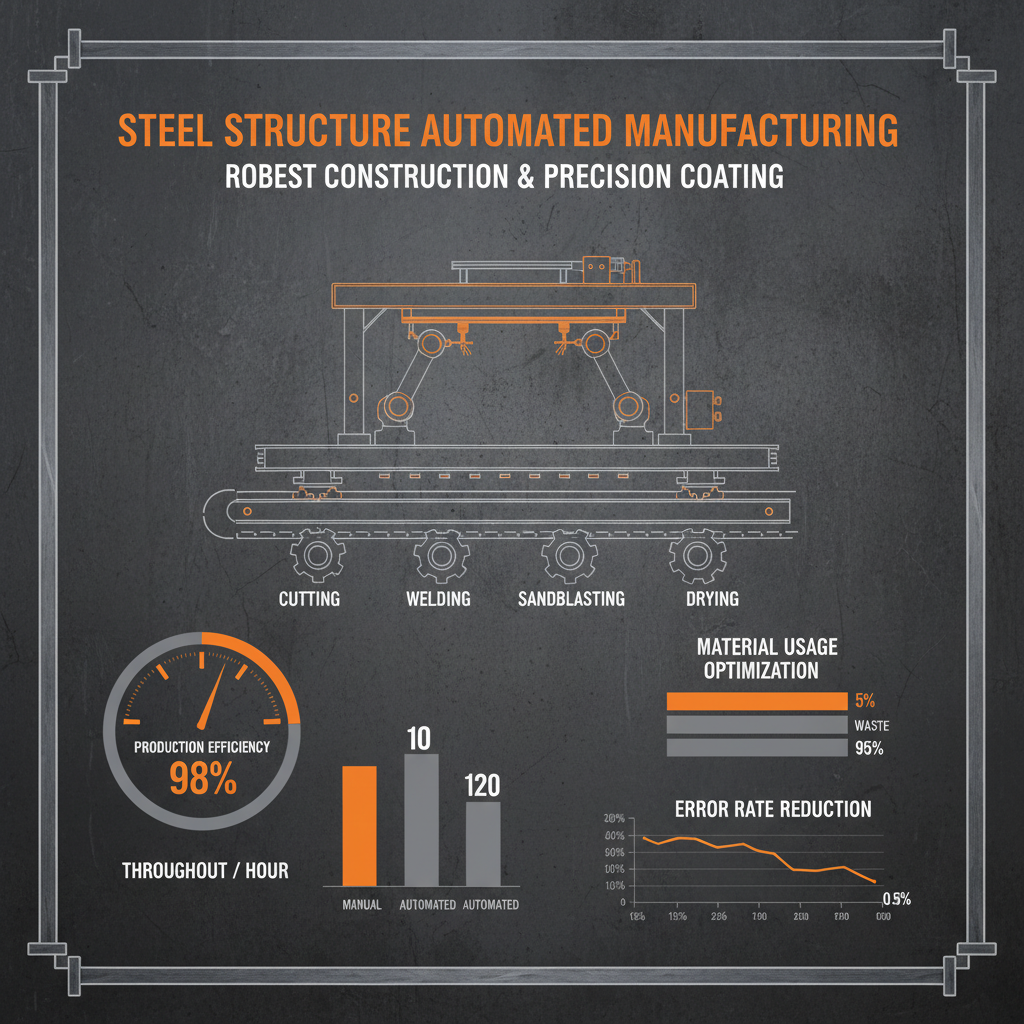
Steel Structure Fabrication Method Efficiency Comparison
Real-World Applications and Use Cases
Steel structure fully automatic manufacturing equipment is finding applications across diverse industries. In the construction sector, it’s used for building high-rise structures, bridges, warehouses, and industrial facilities. Its precision and speed are crucial for large-scale projects with tight deadlines.
Beyond construction, these systems are employed in the manufacturing of heavy equipment, transportation infrastructure (rail cars, shipping containers), and even renewable energy components (wind turbine towers). In post-disaster relief operations, rapidly deployable steel shelters can be fabricated and transported to affected areas, providing immediate housing solutions. In remote industrial zones, where skilled labor is scarce, these systems enable local steel fabrication, supporting economic development.
Long-Term Advantages and Value Proposition
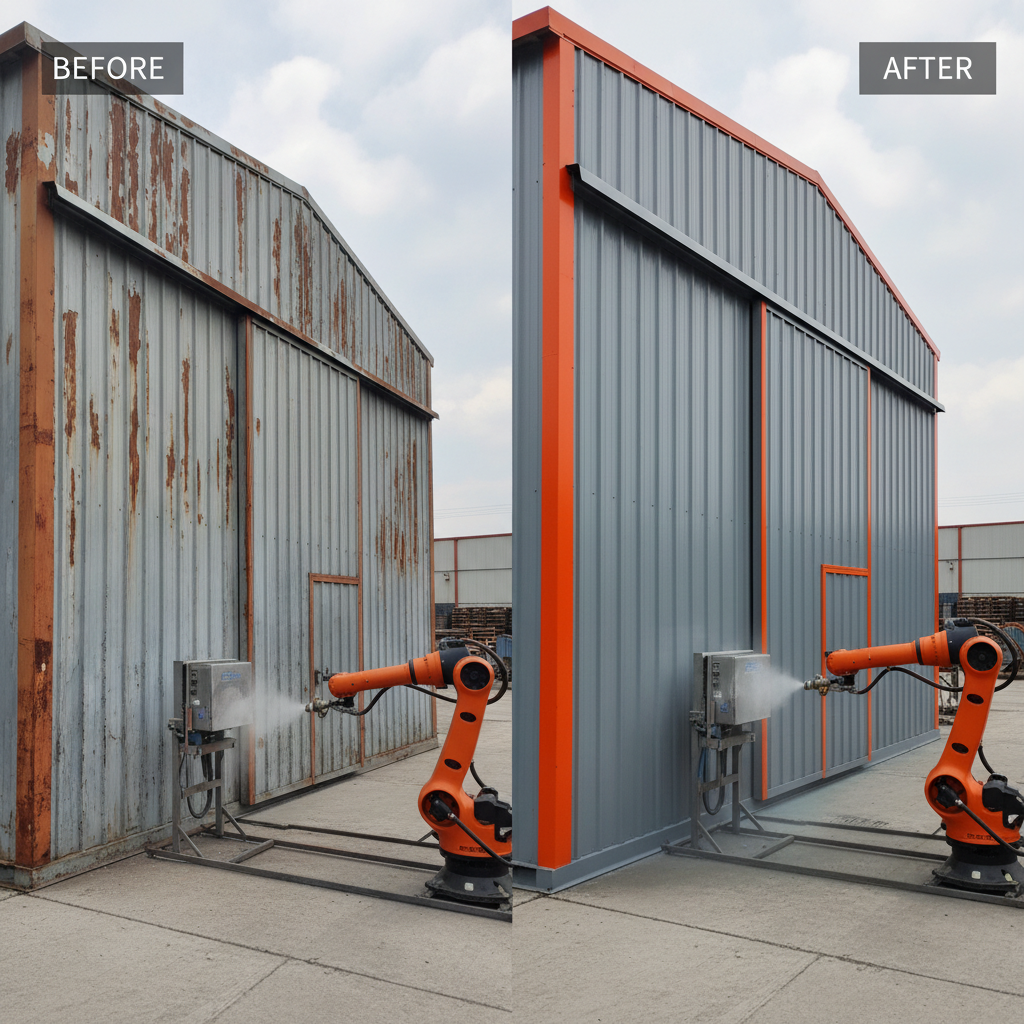
The advantages of adopting steel structure fully automatic manufacturing equipment extend far beyond initial cost savings. Sustainability is a key benefit, as these systems minimize material waste, reduce energy consumption, and lower carbon emissions. The precise fabrication processes also lead to stronger, more durable structures, reducing maintenance costs and extending the lifespan of buildings and infrastructure.
From a social impact perspective, these systems enhance worker safety by automating hazardous tasks. They also contribute to innovation in the construction industry, enabling the design and construction of more complex and aesthetically pleasing structures. The reliability and consistency of automated fabrication build trust with clients and stakeholders, enhancing a company’s reputation.
Future Trends and Innovations in the Field
The future of steel structure fully automatic manufacturing equipment is poised for further innovation. Integration with artificial intelligence (AI) and machine learning (ML) will enable predictive maintenance, optimize fabrication processes, and improve quality control. The use of advanced materials, such as high-strength steels and composite materials, will expand the capabilities of these systems.
Digital twin technology, where a virtual replica of the manufacturing process is created, will allow for real-time monitoring and optimization. Furthermore, the integration of renewable energy sources into the manufacturing process will enhance sustainability and reduce operating costs. The drive towards greater automation and digitization will undoubtedly reshape the construction and fabrication industries.
Key Performance Indicators of Steel Structure Fully Automatic Manufacturing Equipment
| KPI Category |
Measurement Metric |
Target Value |
Improvement Potential |
| Production Efficiency |
Units Produced Per Hour |
150 units |
5% increase through process optimization |
| Material Utilization |
Steel Waste Percentage |
2% |
1% reduction through optimized cutting algorithms |
| Quality Control |
Defect Rate (Percentage) |
0.5% |
0.2% reduction through automated inspection |
| System Uptime |
Percentage of Operational Hours |
95% |
2% improvement through predictive maintenance |
| Labor Costs |
Labor Hours Per Unit |
0.5 hours |
0.2 hours reduction through automation |
| Energy Consumption |
kWh Per Unit |
10 kWh |
2 kWh reduction through energy-efficient processes |
FAQS
The ROI for steel structure fully automatic manufacturing equipment varies based on factors like production volume, labor costs, and project complexity. However, businesses typically experience a full ROI within 3-5 years due to significant reductions in labor costs, material waste, and project timelines. The increased precision and quality also lead to fewer errors and reduced rework, contributing to long-term cost savings and enhanced profitability.
Seamless integration with Building Information Modeling (BIM) workflows is a key feature of modern steel structure fully automatic manufacturing equipment. The systems directly import BIM data, eliminating the need for manual data entry and reducing the risk of errors. This allows for accurate fabrication based on the design intent, streamlining the entire construction process from design to fabrication to assembly.
Comprehensive training is typically provided by the equipment manufacturer. This training covers operation, programming, maintenance, and troubleshooting. The level of training required depends on the complexity of the system and the roles of the personnel involved. Ongoing support and remote diagnostics are also often available to ensure optimal performance and minimize downtime.
Yes, steel structure fully automatic manufacturing equipment is designed to handle a wide range of steel grades and thicknesses. The cutting and welding parameters are automatically adjusted based on the material properties, ensuring consistent quality and structural integrity. Systems can typically process mild steel, high-strength steel, and stainless steel in various thicknesses.
Safety is a paramount concern in the design of these systems. They incorporate multiple safety features, including light curtains, emergency stop buttons, and safety interlocks to prevent accidents. Robotic arms are often enclosed within safety cages, and comprehensive safety training is provided to all operators. Regular safety inspections and maintenance are also crucial.
The environmental impact is generally positive. Automated systems significantly reduce material waste through optimized cutting and welding processes. They also lower energy consumption compared to traditional methods and reduce emissions associated with transportation and on-site construction. The improved precision and durability of fabricated structures contribute to longer lifespan and reduced need for replacements.
Conclusion
Steel structure fully automatic manufacturing equipment is transforming the construction and fabrication industries, offering significant advantages in terms of cost efficiency, speed, quality, and sustainability. By embracing this technology, businesses can enhance their competitiveness, meet growing infrastructure demands, and contribute to a more resilient and sustainable built environment. It’s a strategic investment for companies looking to thrive in the modern construction landscape.
Looking ahead, continued innovation in areas like AI, machine learning, and advanced materials will further enhance the capabilities of these systems. We encourage businesses to explore the potential of steel structure fully automatic manufacturing equipment to unlock new opportunities and drive long-term success. Visit our website at www.yeedtech.com to learn more about our cutting-edge solutions.