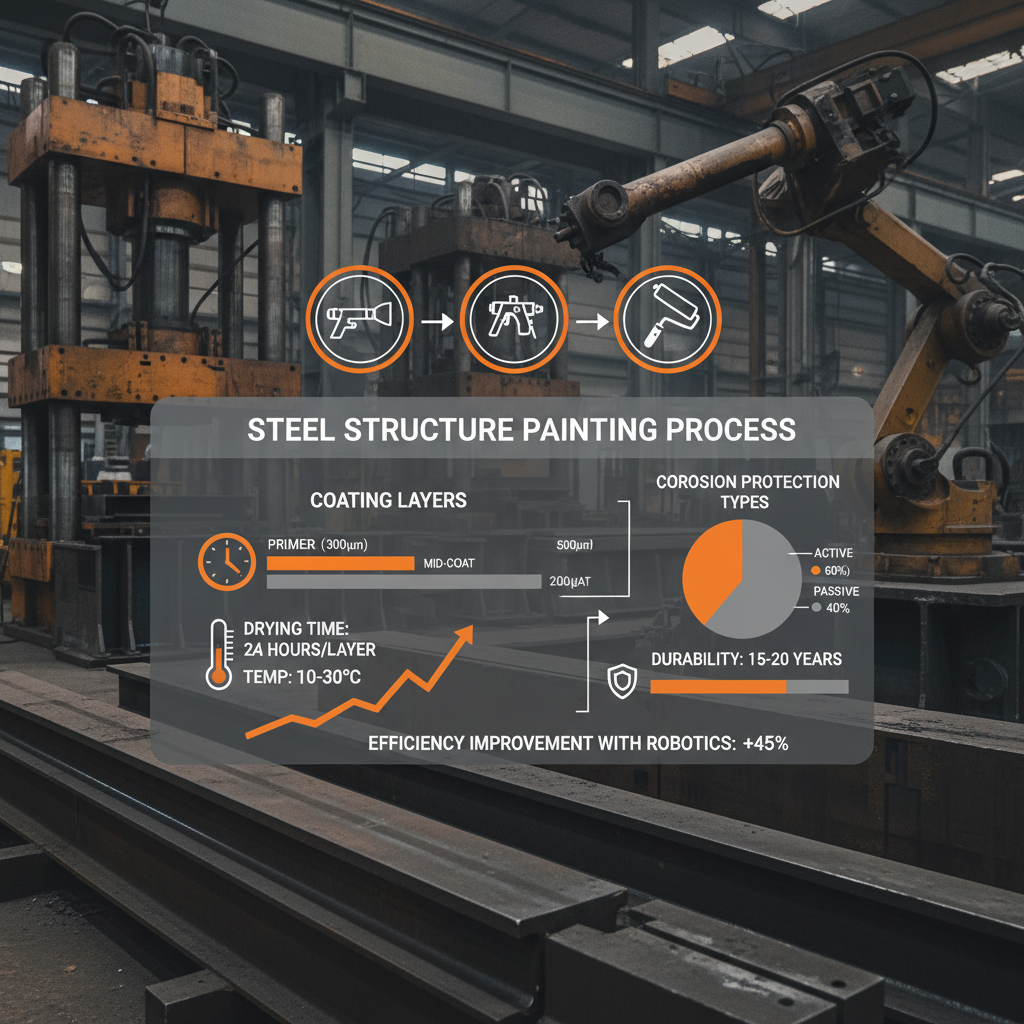
The field of automatic spray painting machine project is rapidly evolving, driven by increasing demands for efficiency, precision, and cost-effectiveness in manufacturing and various industrial applications. These machines, ranging from simple robotic arms to complex, fully automated systems, are transforming how surfaces are coated, offering significant advantages over traditional manual spraying methods. Understanding the intricacies of automatic spray painting machine project is crucial for businesses looking to optimize their production processes and maintain a competitive edge in today's global market.
The global market for industrial robots, a key component in automatic spray painting machine project, is experiencing substantial growth, projected to reach billions of dollars in the coming years (source: International Federation of Robotics). This growth is fueled by factors like labor shortages, rising labor costs, and the need for consistent quality in coatings. Addressing challenges such as adapting to diverse substrates, ensuring environmental compliance, and optimizing paint transfer efficiency are vital for successful implementation of automatic spray painting machine project.
Ultimately, the application of automatic spray painting machine project is about more than just automation; it's about enhancing product quality, improving workplace safety, and driving sustainable manufacturing practices. As technology advances, we can expect even more sophisticated and versatile solutions to emerge, further solidifying the importance of this field in the years to come.
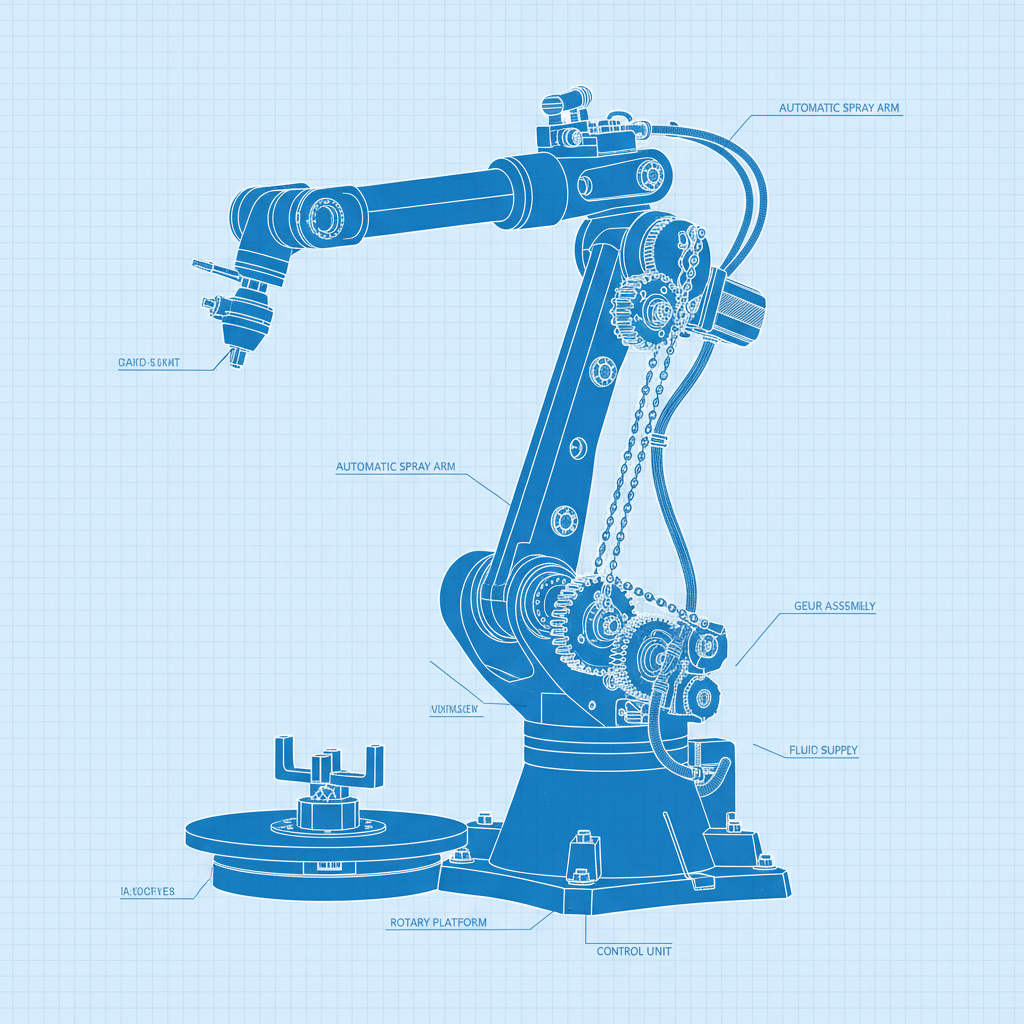
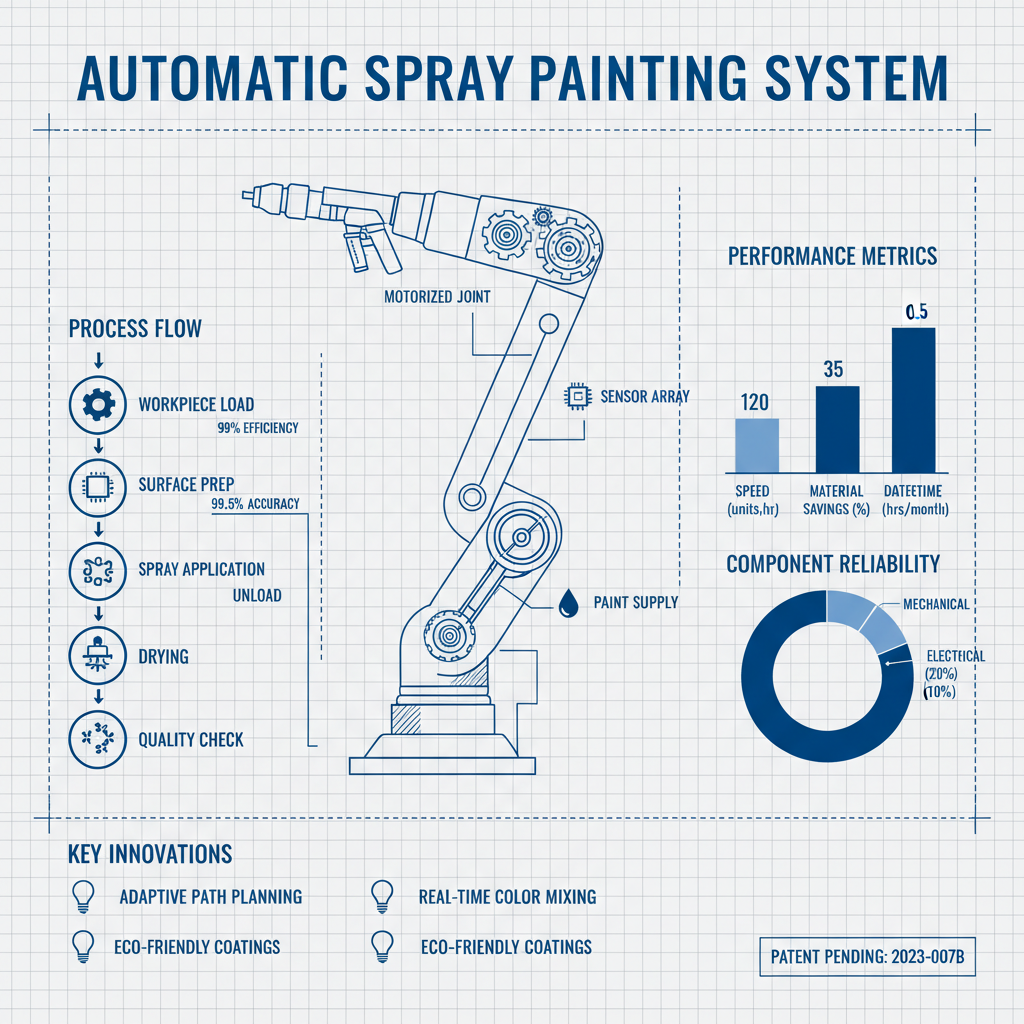
Automatic spray painting machine project represents a significant advancement in industrial coating technology. It encompasses the design, development, and implementation of robotic systems capable of applying paint, coatings, or other surface treatments automatically. These systems are increasingly replacing manual spraying processes in a wide array of industries, contributing to improved efficiency, consistency, and safety.
The adoption of these automated systems is driven by a growing need for high-quality finishes, reduced material waste, and minimized worker exposure to hazardous materials. As manufacturing processes become more complex and demands for customization increase, the role of automatic spray painting machine project will continue to expand, shaping the future of industrial coating applications.
The ROI for an automatic spray painting machine project varies greatly depending on the scale of the operation, the current labor costs, and the volume of production. However, businesses typically see a full ROI within 12-24 months, driven by reductions in material waste, labor costs, and improved product quality. The decreased reliance on skilled labor and consistent application of coatings contribute significantly to the cost savings.
While the systems are automated, skilled personnel are still required for operation, programming, and maintenance. Training typically involves understanding the robotic arm’s control system, troubleshooting common issues, and performing preventative maintenance procedures. Most manufacturers offer comprehensive training programs that range from basic operation to advanced programming and diagnostics. This generally takes between 1 to 4 weeks depending on complexity.
Safety is paramount. Essential measures include implementing robust safety fencing around the robotic work cell, installing emergency stop buttons, and adhering to strict lockout/tagout procedures during maintenance. Regular safety audits and employee training on potential hazards are also critical. Furthermore, ensuring proper ventilation and adherence to VOC emission regulations are crucial for a safe working environment.
Modern automatic spray painting machine project are highly adaptable thanks to their multi-axis robotic arms and advanced programming capabilities. They can handle a wide range of product geometries and sizes by adjusting the robot’s path, spray parameters, and sensor configurations. Complex shapes often require the use of sophisticated offline programming software to simulate the spraying process and optimize the robot’s movements.
With proper maintenance and care, an automatic spray painting machine project system can have a lifespan of 10-15 years or even longer. The robotic arm itself is typically designed for high durability, while the spray equipment may require periodic replacement. Regular preventative maintenance, including lubrication, filter changes, and software updates, is crucial for maximizing the system’s lifespan and ensuring reliable performance.
Automatic spray painting machine project promotes sustainability through several avenues. The precise control of spray parameters minimizes paint waste, reducing material consumption and associated environmental impact. The reduced VOC emissions contribute to cleaner air quality. Furthermore, the ability to apply thinner coatings without compromising quality conserves resources and reduces the overall environmental footprint of the manufacturing process.
Automatic spray painting machine project is revolutionizing the industrial coating landscape, offering significant advantages in terms of efficiency, quality, safety, and sustainability. From automotive manufacturing to aerospace and beyond, these systems are enabling businesses to achieve higher levels of precision, consistency, and cost-effectiveness. As technology continues to evolve, we can expect even more sophisticated and versatile solutions to emerge.
Embracing automatic spray painting machine project is no longer just about keeping pace with the competition; it’s about investing in the future of manufacturing. Businesses that adopt these technologies will be well-positioned to thrive in an increasingly demanding and environmentally conscious world. To learn more about how an automatic spray painting machine project can benefit your operation, visit our website: automatic spray painting machine project.