Automatic paint spraying machines represent a significant advancement in coating technology, impacting industries from automotive and aerospace to construction and furniture manufacturing. These systems offer unparalleled precision, efficiency, and material savings compared to traditional manual spraying methods. Understanding the capabilities and benefits of an automatic paint spraying machine is crucial for businesses seeking to optimize their production processes and achieve higher quality finishes.
Globally, the demand for automated painting solutions is steadily increasing, driven by factors such as rising labor costs, stricter environmental regulations, and the need for consistent product quality. The market is projected to continue its expansion, with innovations focusing on robotics, intelligent software, and sustainable coating materials. Investing in and adapting to these technologies will be essential for maintaining a competitive edge in the modern manufacturing landscape.
An automatic paint spraying machine addresses the inherent challenges of manual painting – inconsistencies, material waste, and potential health hazards for workers. By automating the process, companies can achieve a more controlled and repeatable application, reduce material consumption, and improve worker safety, ultimately contributing to a more sustainable and profitable operation.
The Core Principles of automatic paint spraying machine
At its core, an automatic paint spraying machine functions by utilizing robotic arms, electrostatic principles, or a combination of both, to apply coatings with precision and uniformity. These machines are programmed to follow specific paths and parameters, ensuring consistent coverage and minimizing overspray. The principle lies in replacing human variability with programmed precision.
The benefits extend beyond simply automating a manual task. Advanced systems incorporate closed-loop feedback control, adjusting spray parameters in real-time based on sensor data to optimize coating thickness and quality. This leads to significant reductions in material waste and improved overall efficiency.
Defining automatic paint spraying machine
An automatic paint spraying machine is a sophisticated system designed to apply liquid or powder coatings to surfaces without direct manual intervention. Unlike conventional spray painting, these machines leverage automation, typically through robotics and programmable logic controllers (PLCs), to control spray gun movements, coating material flow, and other critical parameters.
This technology finds applications across diverse industries, from automotive manufacturing where consistent, high-quality finishes are paramount, to large-scale infrastructure projects requiring durable protective coatings. The rise of these machines is directly linked to the growing demand for increased production efficiency, reduced material waste, and improved worker safety.
The connection to modern industry is undeniable. As manufacturers seek to streamline operations and enhance competitiveness, the ability to automate complex processes like painting becomes increasingly vital. An automatic paint spraying machine represents a key component of Industry 4.0 initiatives, enabling smart factories and optimized production workflows.
Key Components and Functionality
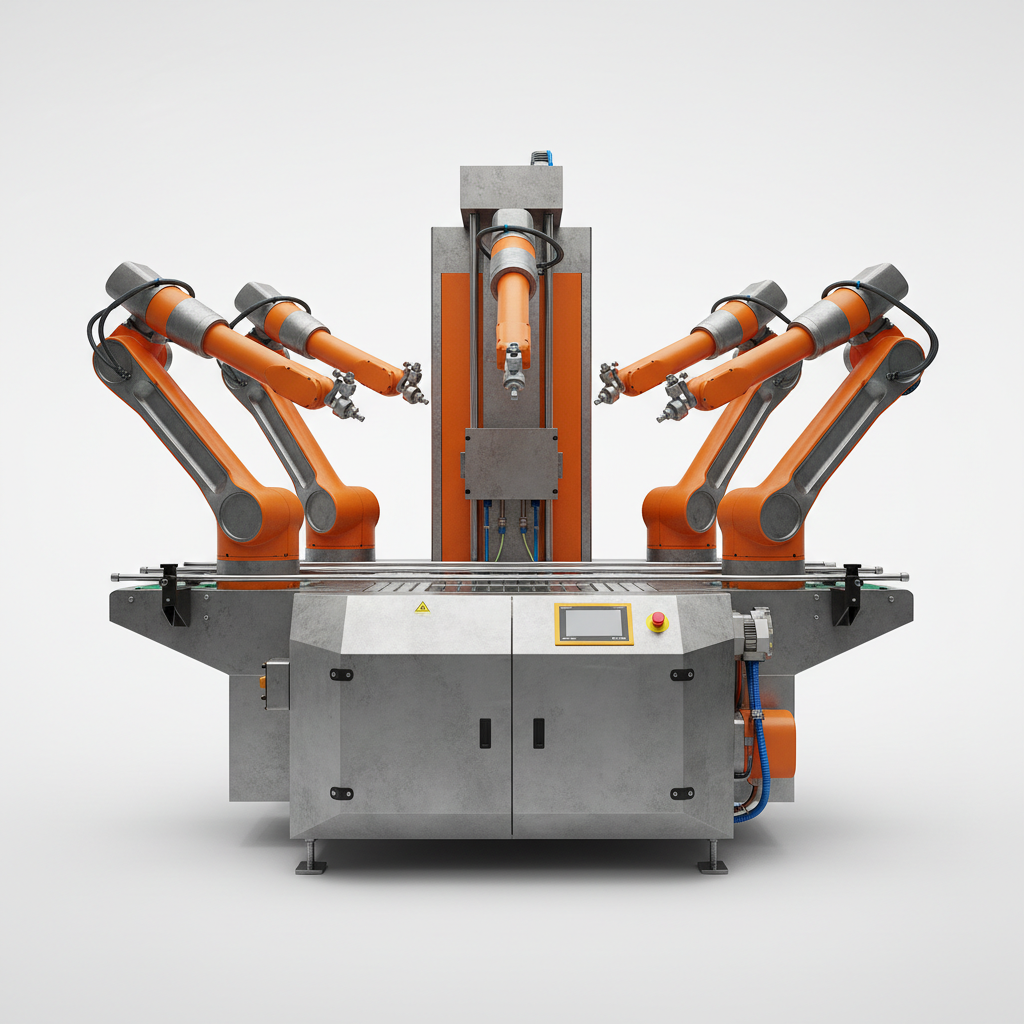
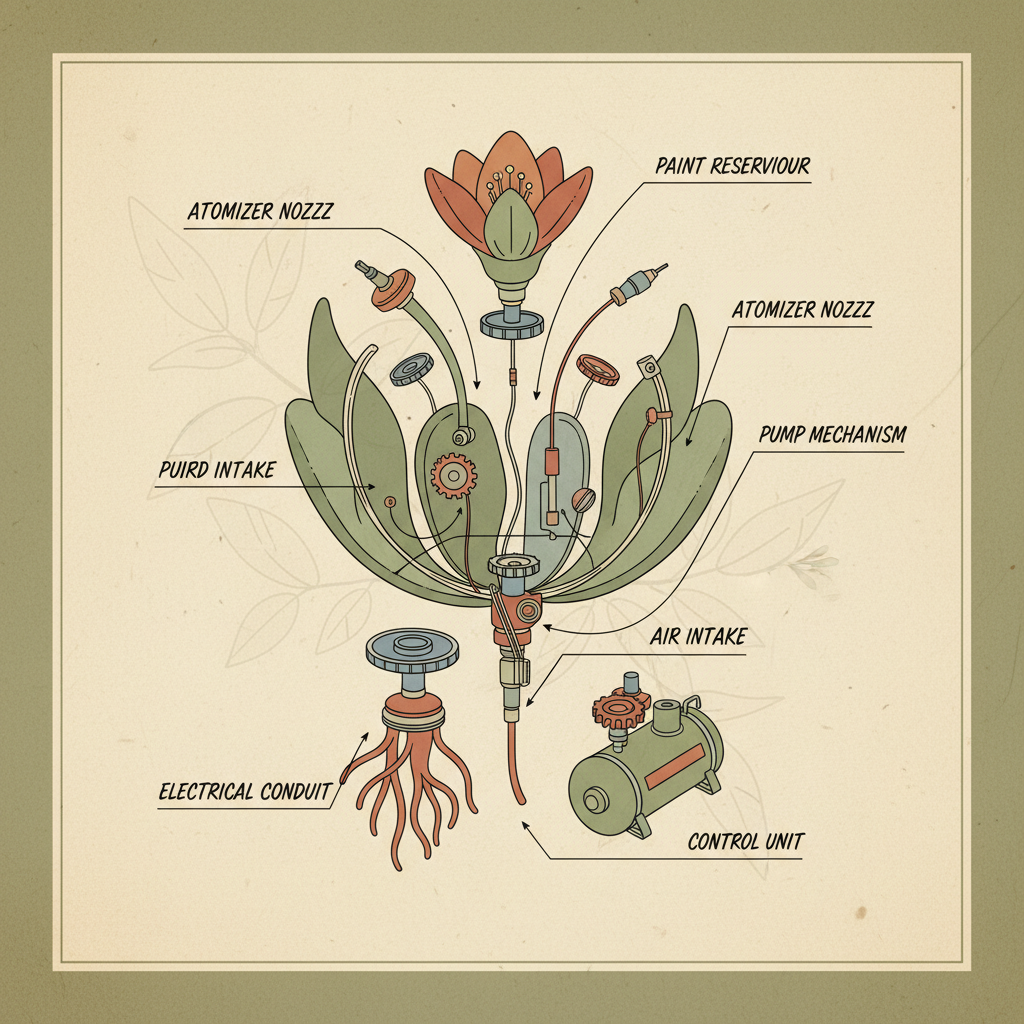
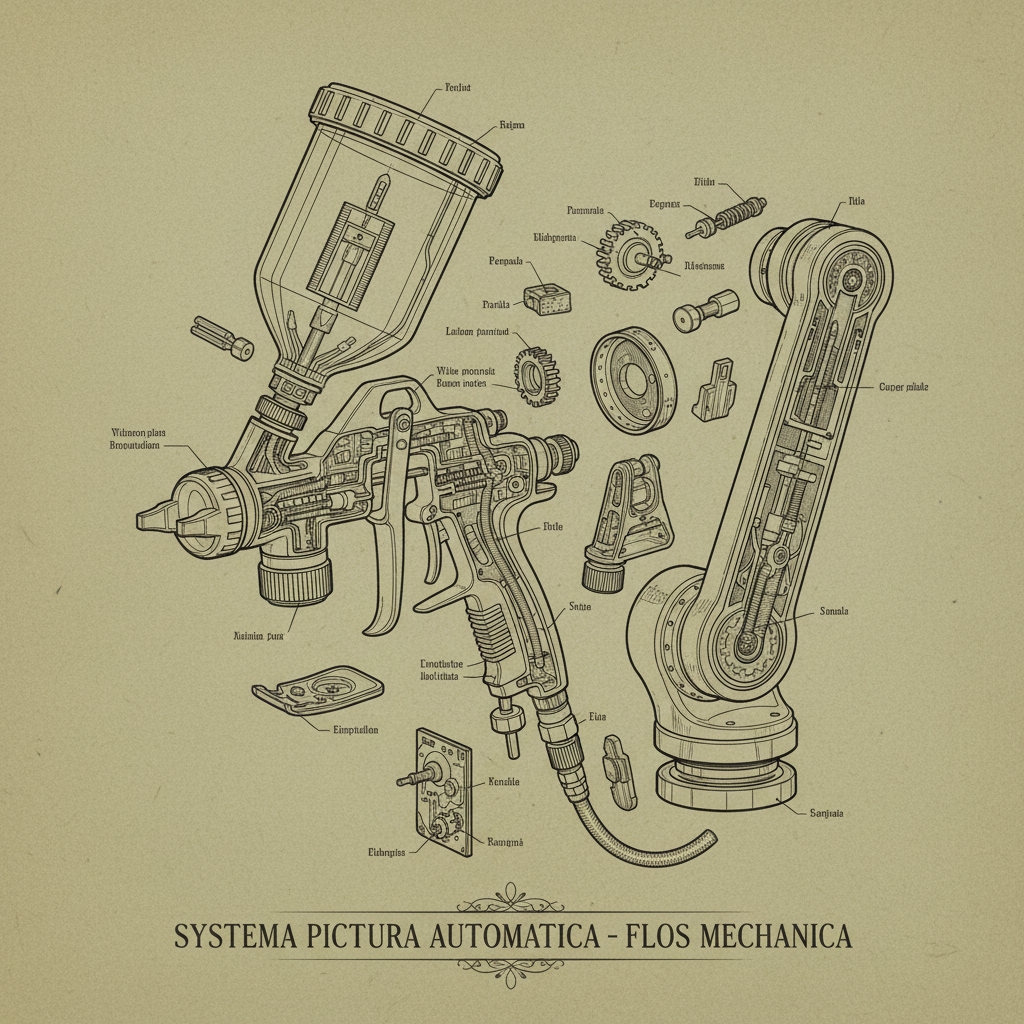
Several core components contribute to the functionality of an automatic paint spraying machine. These include the robotic arm or gantry system responsible for precise movement, the spray gun that atomizes and delivers the coating material, the coating supply system that regulates material flow, and the control system – a PLC or dedicated controller – that orchestrates the entire process.
Beyond these core components, advanced systems often incorporate features such as electrostatic charging, which enhances coating transfer efficiency by attracting paint particles to the grounded substrate, and closed-loop feedback control using sensors to monitor and adjust spray parameters in real-time. These features are essential for achieving optimal coating quality and minimizing waste.
The functionality extends to programming flexibility. Modern automatic paint spraying machine systems are capable of handling complex geometries and coating requirements through sophisticated programming interfaces, allowing for customized spray paths, coating thicknesses, and application techniques.
Performance Indicators of automatic paint spraying machine
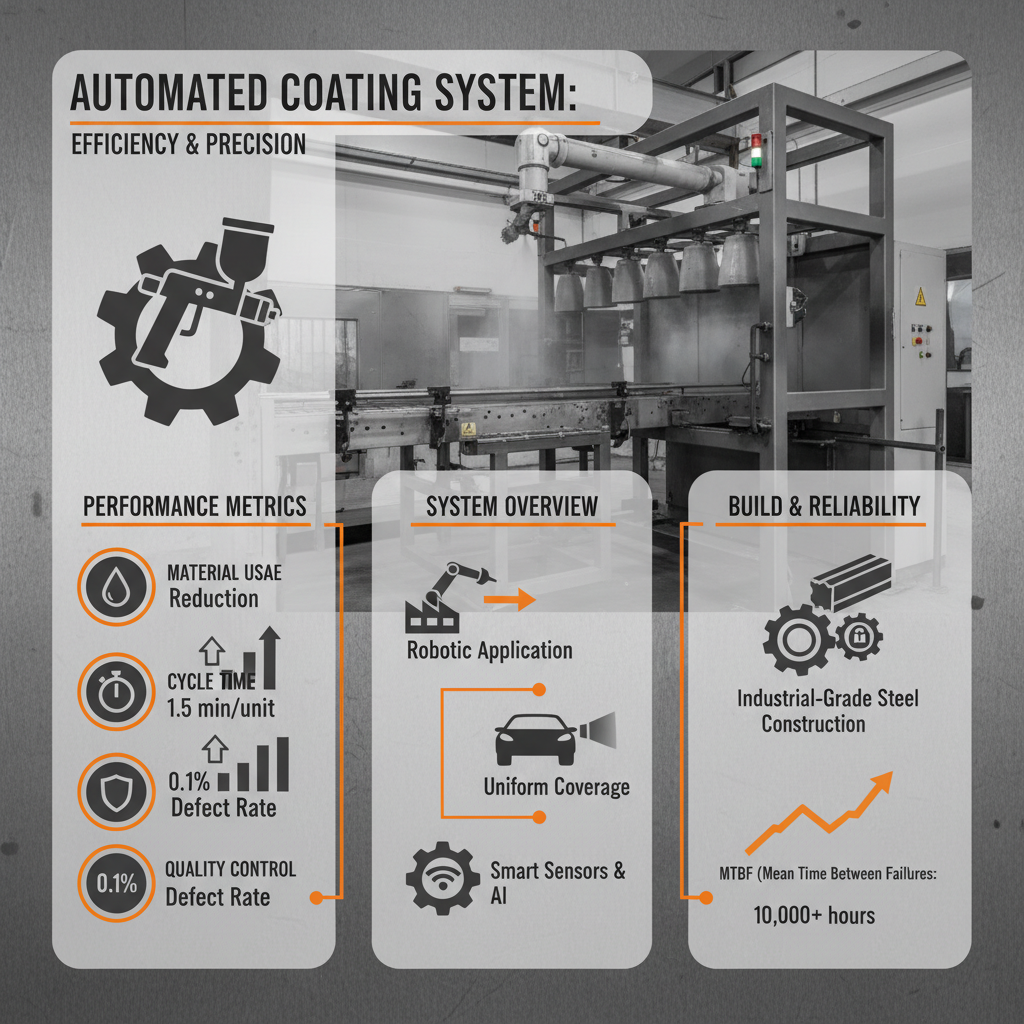
Evaluating the performance of an automatic paint spraying machine requires consideration of several key indicators. These include coating thickness uniformity, material transfer efficiency (the percentage of coating material that adheres to the substrate), overspray levels, cycle time, and overall system uptime.
Analyzing these metrics allows manufacturers to assess the effectiveness of the machine and identify areas for optimization. Higher transfer efficiency directly translates to cost savings, while consistent coating thickness ensures product quality and durability.
automatic paint spraying machine Performance Comparison
Global Applications of automatic paint spraying machine
The applications of automatic paint spraying machines are incredibly diverse, spanning numerous industries worldwide. In the automotive sector, they are used extensively for painting car bodies, ensuring a flawless finish and consistent quality. Aerospace manufacturers rely on them for applying protective coatings to aircraft components, meeting stringent safety and performance requirements.
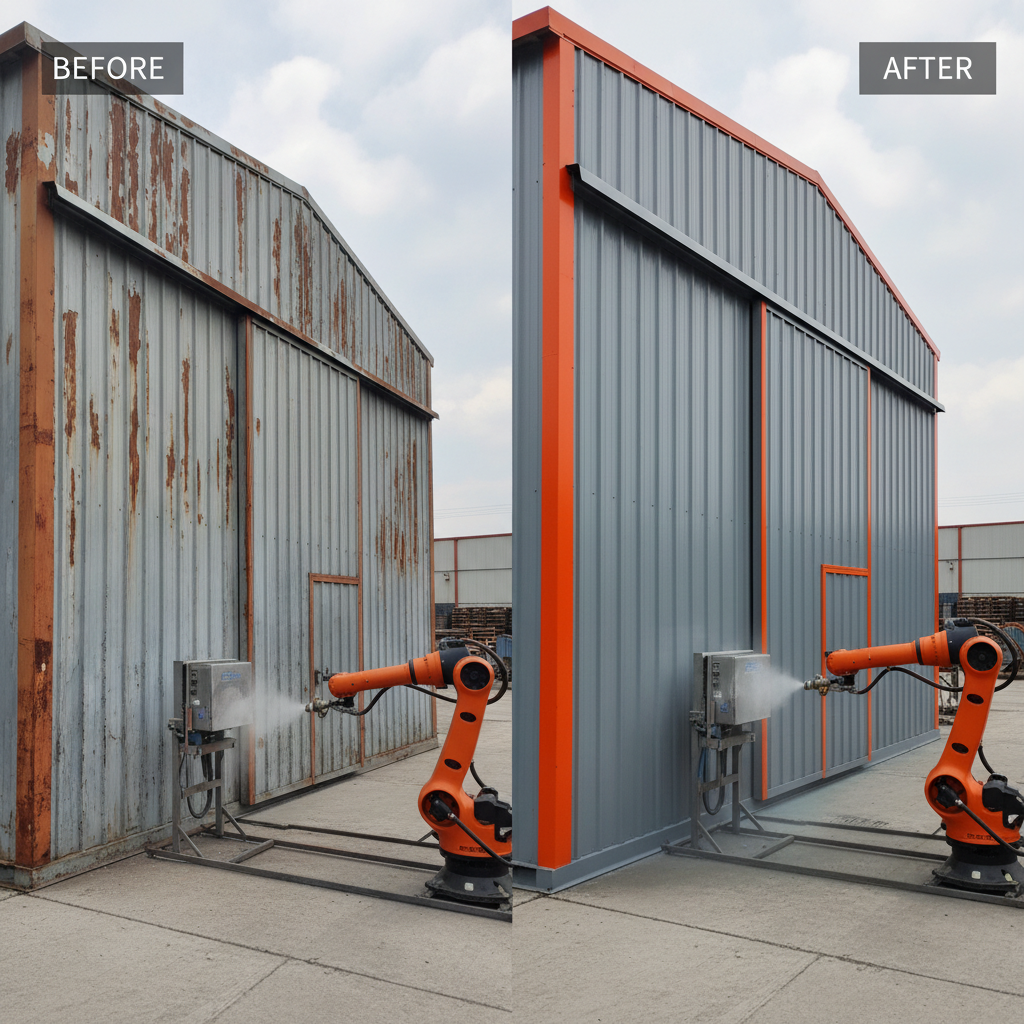
The furniture industry benefits from increased production speeds and reduced labor costs, while the construction sector utilizes them for coating large structural elements like steel beams and bridges. In post-disaster relief operations, portable automatic paint spraying machine can be deployed for rapid coating of temporary shelters and infrastructure, providing essential protection from the elements.
Advantages and Economic Value
The advantages of adopting an automatic paint spraying machine are numerous and translate into significant economic value. Reduced material waste, lower labor costs, and improved product quality all contribute to a higher return on investment. Furthermore, automated systems minimize human exposure to hazardous chemicals, enhancing worker safety and reducing liability.
The long-term value extends beyond direct cost savings. Consistent coating quality leads to increased product durability and customer satisfaction, bolstering brand reputation. The ability to scale production efficiently allows companies to respond quickly to changing market demands and capitalize on new opportunities.
The emotional value lies in the peace of mind that comes with knowing your products are consistently high quality and your workforce is protected. This fosters trust with customers and creates a positive working environment.
Future Trends in automatic paint spraying machine Technology
The future of automatic paint spraying machine technology is poised for continued innovation. We can expect to see increasing integration of artificial intelligence (AI) and machine learning (ML) for predictive maintenance, real-time process optimization, and adaptive coating control. The development of more sustainable coating materials and processes will also be a key focus.
Another trend is the move towards collaborative robots (cobots) that can work safely alongside human operators, offering a flexible and adaptable solution for smaller-scale applications. Digital twin technology, which creates a virtual replica of the painting process, will enable companies to simulate and optimize their operations before implementing changes in the real world.
The integration of these technologies will drive down costs, improve efficiency, and reduce the environmental impact of painting processes, solidifying the position of automatic paint spraying machine as a cornerstone of modern manufacturing.
Key Comparison of automatic paint spraying machine Features
| Feature Category |
automatic paint spraying machine A |
automatic paint spraying machine B |
automatic paint spraying machine C |
| Coating Transfer Efficiency |
85% |
90% |
80% |
| Cycle Time (per part) |
60 seconds |
45 seconds |
75 seconds |
| Programmability Complexity |
Medium |
High |
Low |
| Maintenance Requirements |
Moderate |
High |
Low |
| Initial Investment Cost |
$50,000 |
$75,000 |
$30,000 |
| Maximum Part Size |
2m x 2m x 1m |
3m x 3m x 2m |
1.5m x 1.5m x 0.8m |
FAQS
Automatic paint spraying machines offer significantly improved consistency in coating application, reduced material waste due to optimized transfer efficiency, lower labor costs through automation, and enhanced worker safety by minimizing exposure to hazardous fumes and chemicals. The precision and repeatability of these systems also contribute to higher product quality and reduced rework.
Most automatic paint spraying machines are versatile and can handle a wide range of coatings, including liquid paints (water-based, solvent-based, and epoxy), powder coatings, and even specialized coatings like UV-curable finishes. The specific coating compatibility depends on the machine's configuration and spray gun technology.
The level of programming expertise varies depending on the machine's complexity. Modern machines often feature user-friendly interfaces and intuitive programming tools, making them accessible to operators with basic training. However, more advanced applications and complex geometries may require the expertise of a skilled programmer or robotic engineer.
Regular maintenance is crucial for ensuring optimal performance and longevity. This typically includes cleaning the spray gun, replacing filters, lubricating moving parts, and inspecting electrical connections. More complex maintenance tasks, such as robotic arm calibration, may require the assistance of a qualified technician.
The ROI for an automatic paint spraying machine varies depending on factors such as production volume, labor costs, and material waste reduction. However, companies typically experience a significant ROI within 1-3 years, driven by increased efficiency, reduced costs, and improved product quality.
Safety is paramount when operating an automatic paint spraying machine. Operators should wear appropriate personal protective equipment (PPE), including respirators, gloves, and eye protection. The work area should be properly ventilated to prevent the buildup of hazardous fumes. Regular safety training is essential for all personnel involved in the operation and maintenance of the machine.
Conclusion
In conclusion, the automatic paint spraying machine represents a transformative technology for industries seeking to enhance their coating processes. From increased efficiency and reduced costs to improved product quality and worker safety, the benefits are undeniable. Understanding the core principles, key components, and future trends of this technology is crucial for businesses aiming to remain competitive in today's dynamic manufacturing landscape.
Looking ahead, the integration of AI, ML, and sustainable materials will further revolutionize the field, driving innovation and creating new opportunities for growth. Investing in and embracing these advancements will be essential for maximizing the potential of automatic paint spraying machines and achieving long-term success. Visit our website at www.yeedtech.com to learn more about how we can help you optimize your coating processes.