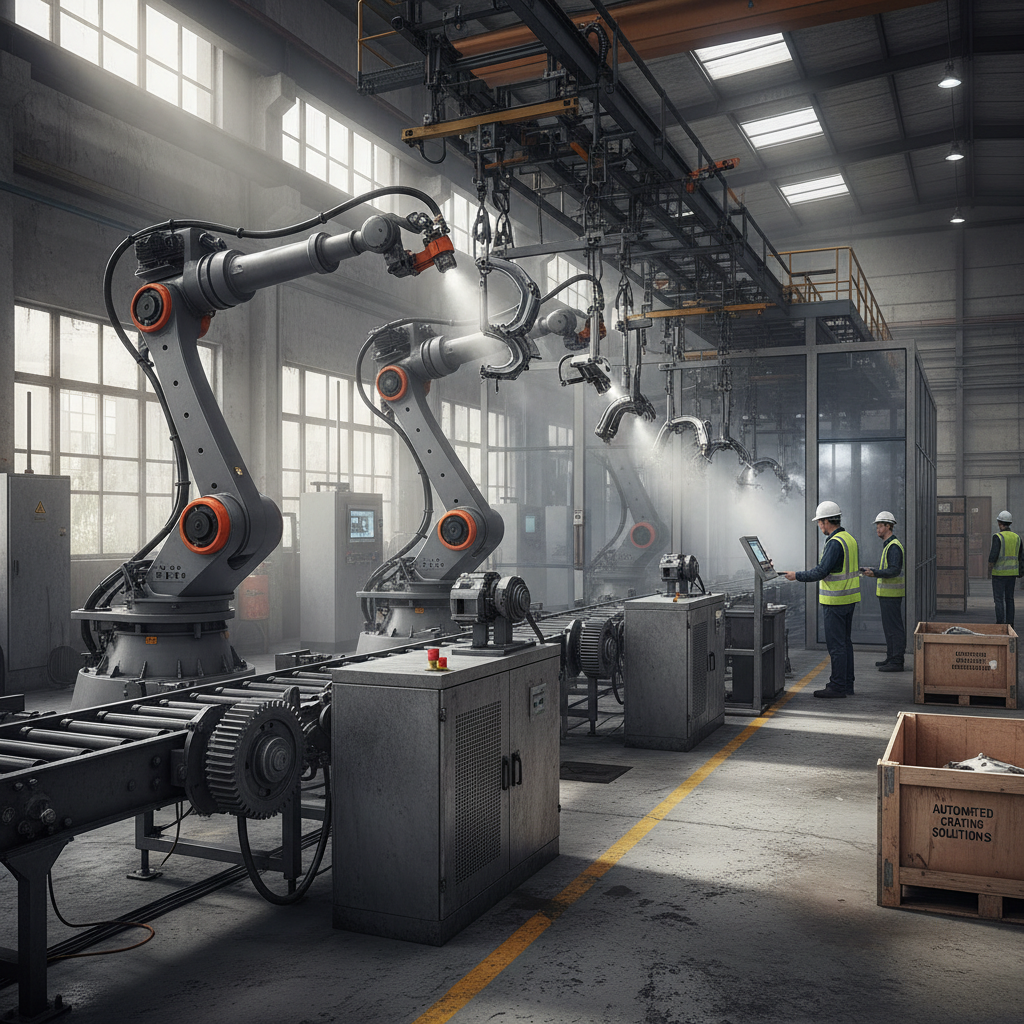
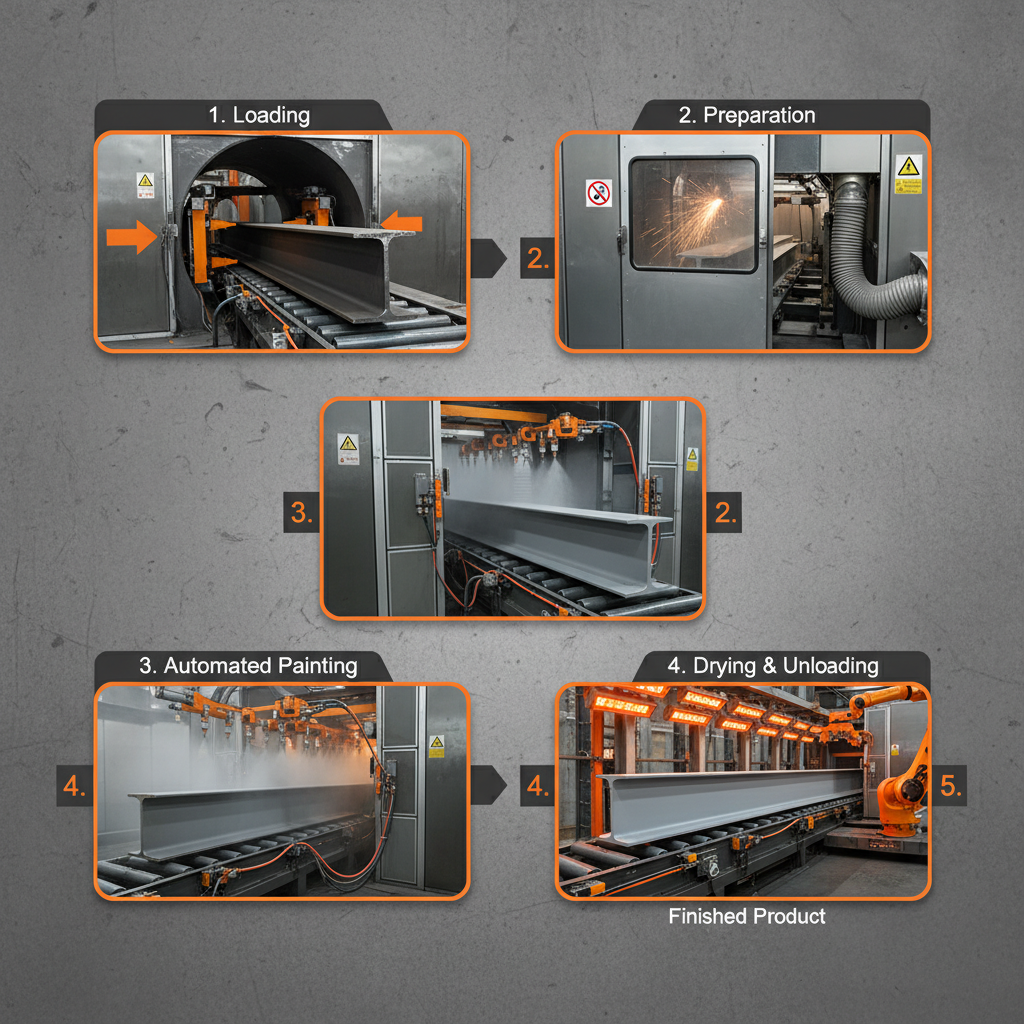
You know, I’ve been running around construction sites for years, getting my hands dirty. Lately, everyone’s talking about smart automation, and frankly, it's pushing folks towards automated spray painting machines. It's not just about fancy robots anymore; it's about getting consistent quality, saving on labor, and trying to keep up with deadlines. To be honest, it’s a chaotic world out there, and anything that brings a little order is welcome.
The biggest thing I’ve noticed is this obsession with 'precision' in design. Have you noticed? Everyone wants tolerances down to the micron, but it doesn't always translate to reality on the ground. You design something perfect in CAD, but the steel supplier…well, let's just say it's rarely exactly what you asked for. It’s a constant battle, always adjusting. Anyway, I think a lot of people get caught up in over-engineering these machines.
And it’s not just about the steel frame. The paint itself... that’s a whole other story. We're mostly using two-component polyurethane these days. Feels kinda rubbery when it’s wet, smells… well, like chemicals, obviously. You gotta be careful with that stuff, proper ventilation is key. I remember one time, back at the Changzhou factory… forgot to open the windows. The whole crew felt sick for a day. Later… forget it, I won't mention it.
The Current Landscape of Automated Spray Painting Machines
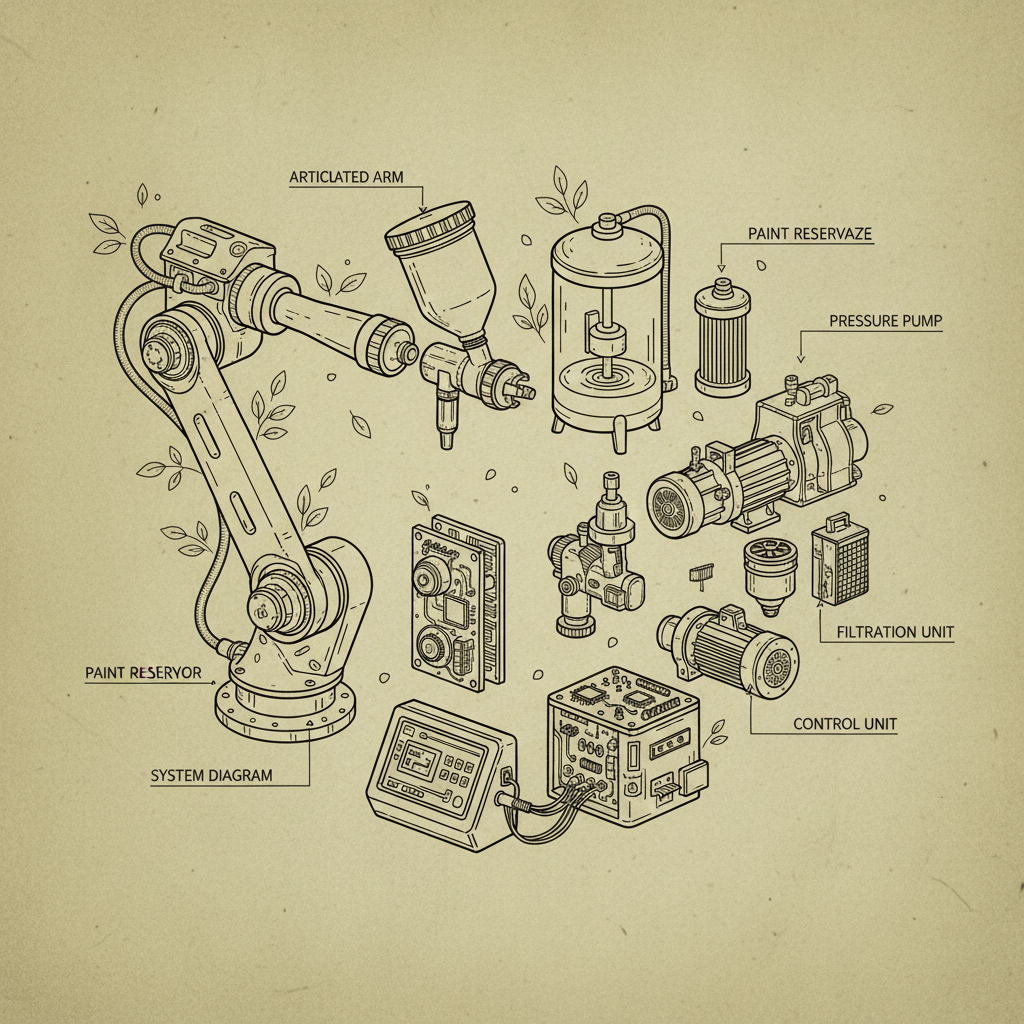
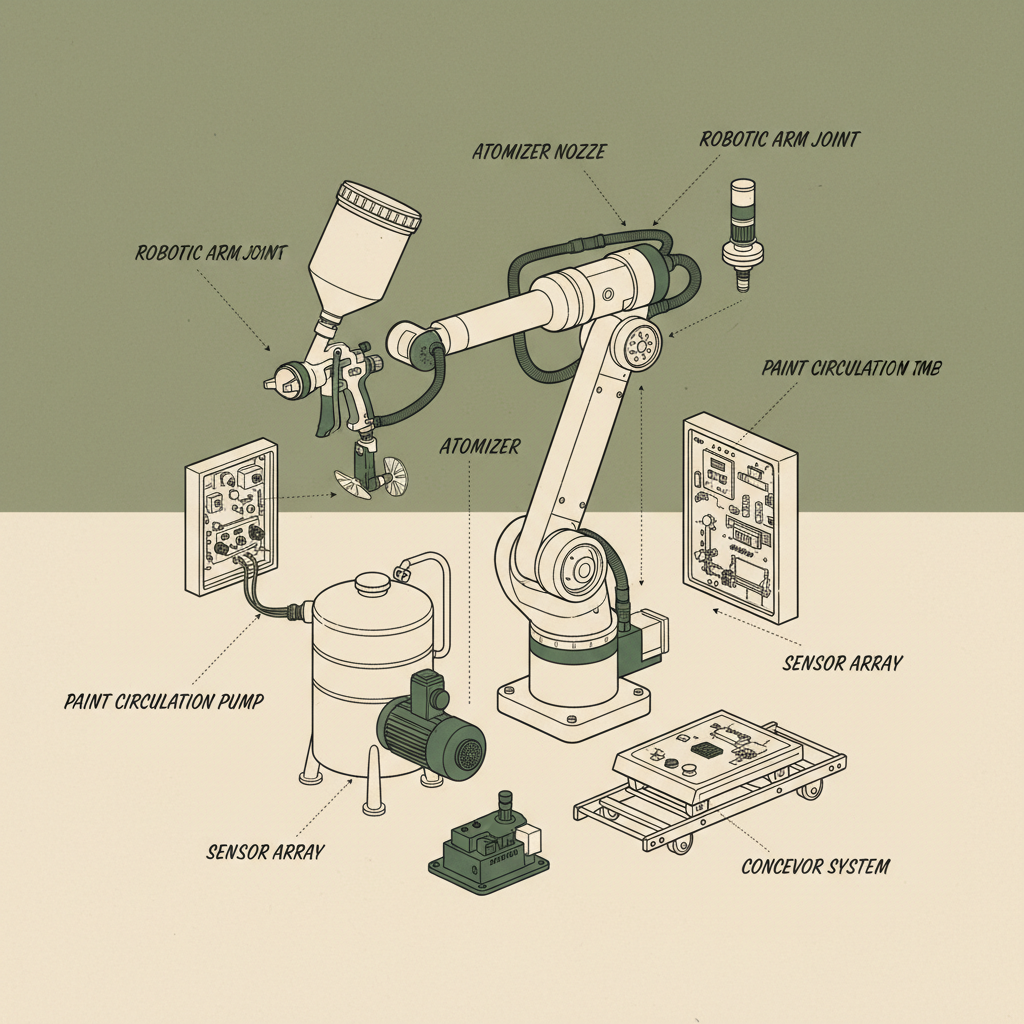
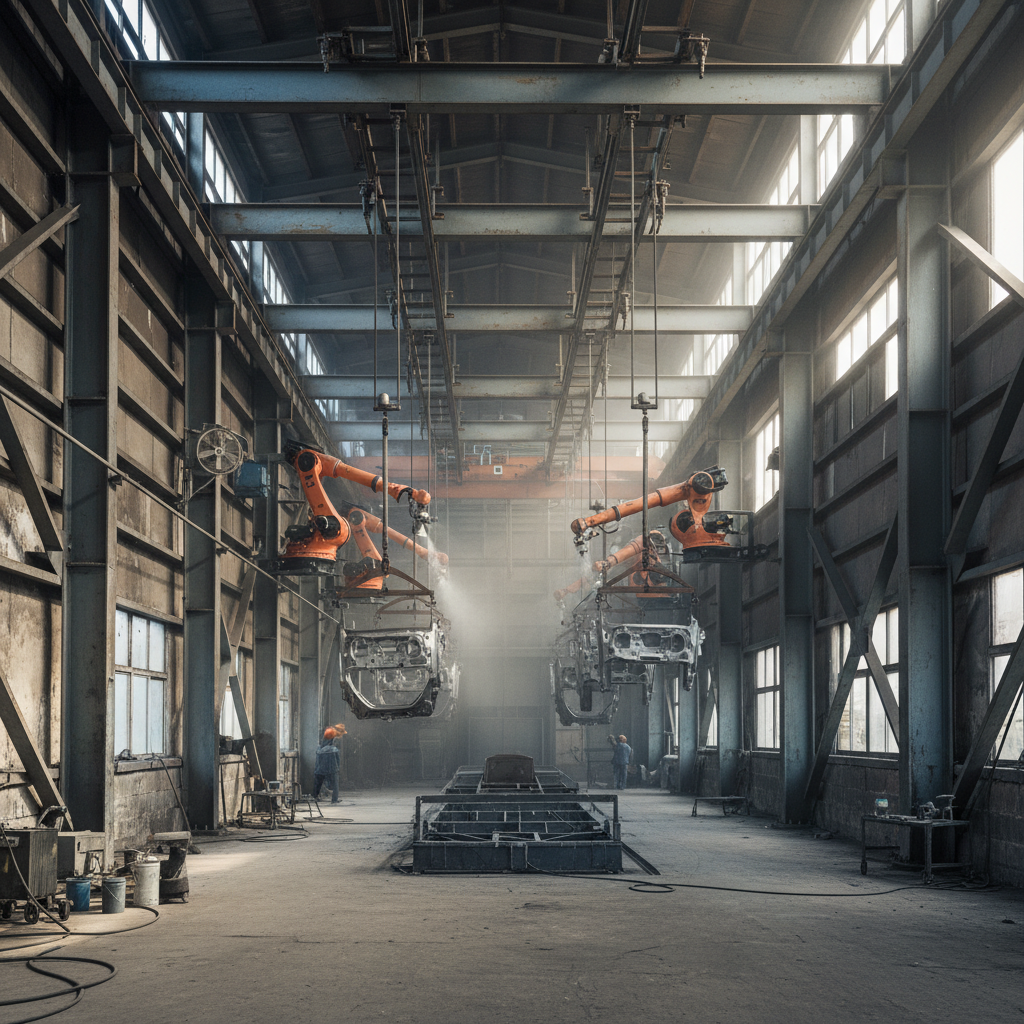
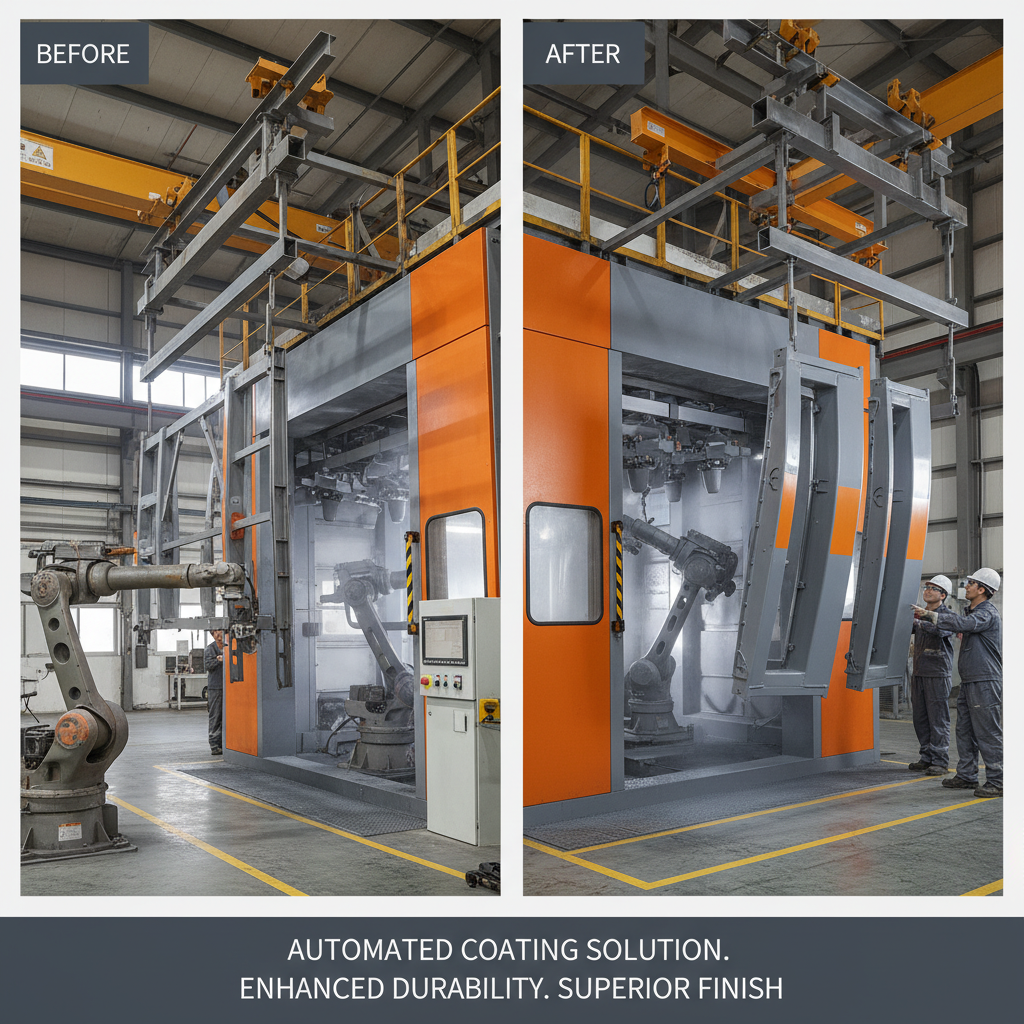
It's booming, honestly. Everyone’s scrambling for automation. We’re seeing more and more robotic arms integrated with sophisticated paint spray systems. It started slowly with big automotive companies, but now even smaller fabrication shops are looking into it. I encountered this at a metal furniture factory in Foshan last time; they were trying to retrofit an old machine. A disaster, let me tell you. The integration was a nightmare.
Strangely enough, the biggest driver isn’t always cost savings. It’s consistency. Human painters, bless their hearts, have off days. Automated systems… they just keep going. The demand for automated spray painting machine is growing particularly fast in industries with high-volume production and stringent quality control standards.
Design Pitfalls and Practical Considerations
I've seen it time and time again: designers who've never stepped foot on a shop floor designing these things. They create systems that are impossible to maintain. Too many tight spaces, hard-to-reach components… It’s frustrating. You have to think about access. How are you going to change a filter? How are you going to clean the nozzles? These aren’t glamorous tasks, but they’re crucial.
Another thing: the software. So many systems rely on overly complex software. Give me something simple, something reliable. I don't need a dashboard with flashing lights and graphs. I need a system that just works. And for goodness sake, make it compatible with existing systems! Everyone's got legacy equipment.
And don’t even get me started on the cleaning systems. They're always undersized. You need serious solvent capacity, especially when switching colors. Otherwise, you end up with contamination, and that’s a headache nobody wants.
Material Deep Dive: Paint, Primers, and More
Like I said, polyurethane is the workhorse. But you need to understand it. Different formulations for different substrates. Metal, plastic, wood… they all require different primers and topcoats. And the viscosity! Too thick, and you get orange peel. Too thin, and you get runs. It’s a delicate balance.
I’m seeing more and more water-based paints, too. They’re better for the environment, which is good, but they can be tricky. They don’t flow as well as solvent-based paints, so you need to adjust the spray parameters. The smell is better, though. Much better.
Don’t underestimate the importance of the primer. A good primer is the foundation for a durable finish. You need something that adheres well to the substrate and provides a smooth surface for the topcoat. I've seen too many failures because people cheap out on the primer.
Real-World Testing and Durability
Forget the lab tests. They're useful for baseline data, but the real test is out in the field. I like to see these machines running in harsh environments. Exposure to dust, humidity, temperature fluctuations… that's where you really find out what they're made of.
We do a lot of salt spray testing, obviously. But I’m also a big fan of just… banging them around a bit. Simulate the kind of abuse they're going to take on a construction site. Drop a tool on it. Spill some solvent. See what happens.
Automated Spray Painting Machine Performance Metrics
User Behavior and Unexpected Applications
You think people will use these things exactly as intended? Nope. I once saw a guy using one to apply… sealant to a roof. Not exactly what it was designed for, but hey, it worked. People are resourceful.
The biggest surprise for me has been the demand for custom paint jobs. Small manufacturers want to offer unique colors and finishes. It's not just about speed and consistency anymore; it’s about personalization.
Advantages, Disadvantages, and Customization Options
Okay, the pros are obvious: higher quality, reduced labor costs, faster throughput. But there are downsides. Initial investment is significant. Maintenance can be complex. And you're relying on technology, which means potential downtime.
Customization is key. We recently had a customer who wanted to integrate a rotary table to paint complex shapes. It wasn't standard, but we made it happen. That’s where the real value lies – adapting the machine to specific needs.
A Customer Story: The Interface Debacle
Last month, that small boss in Shenzhen who makes smart home devices insisted on changing the interface to , and the result was… a complete disaster. He thought it looked “more modern”. He demanded we rewire the whole control panel. It took us two weeks, added a ton of cost, and the machine still didn’t perform as well. He finally admitted it was a mistake, but by then, the damage was done. I swear, some people just want to watch the world burn.
It's a reminder that sometimes, sticking with what works is the best approach. These machines are complex enough as they are. Don't mess with things just for the sake of it.
You really need to listen to the guys on the floor. They know what's going to break. They know what needs to be fixed. They're the ones who actually use this stuff.
Key Performance Indicators for Automated Spray Painting Machine
| Performance Metric |
Unit of Measurement |
Target Value |
Acceptable Range |
| Paint Utilization Efficiency |
Percentage (%) |
95% |
90-98% |
| Cycle Time per Part |
Seconds (s) |
30s |
25-35s |
| Paint Thickness Consistency |
Microns (µm) |
50µm |
45-55µm |
| Defect Rate |
Percentage (%) |
1% |
0.5-1.5% |
| Downtime for Maintenance |
Hours/Month (h) |
4h |
3-5h |
| Energy Consumption per Cycle |
Kilowatt-hours (kWh) |
0.5 kWh |
0.4-0.6 kWh |
FAQS
Honestly, it's the nozzles. They clog. It’s inevitable. You need a good cleaning schedule and a supply of spares. Then there's the filters – check those regularly. And don’t forget to grease the bearings. Neglect those, and you’ll be replacing motors sooner than you think. It’s all preventative stuff, but people skip it. And then they wonder why the machine breaks down.
That’s where the programming comes in. You need skilled technicians who can create effective spray paths. Multi-axis robots are key for complex shapes. But even with those, you sometimes need to add shielding or masking to protect areas that shouldn't be painted. It’s never as simple as just pressing a button.
Ventilation is number one. Those fumes are nasty. You also need proper grounding to prevent static electricity buildup, especially with flammable paints. And of course, safety interlocks to prevent anyone from getting too close to the moving parts. People get careless, you know? You’ve got to build in safeguards.
Upfront, it’s more expensive. Significantly more. But over the long run, it can pay for itself. Reduced labor costs, less paint waste, higher quality… it adds up. You have to do a proper cost-benefit analysis, taking into account your specific production volume and labor rates. It's not a one-size-fits-all answer.
Sometimes. It depends. You need enough space, a stable floor, and a reliable power supply. Integrating the machine with your existing conveyor system can be tricky. It often requires modifications to the line, which adds to the cost. I’ve seen some real messes trying to force a square peg into a round hole.
Most industrial paints can be used, but you need to ensure they're compatible with the spray system. Viscosity is key – you might need to adjust it with solvents. And you need to clean the system thoroughly after each paint change to avoid contamination. Always check the manufacturer’s recommendations.
Conclusion
Ultimately, automated spray painting machines are about bringing consistency and efficiency to a traditionally messy process. It’s about reducing waste, improving quality, and freeing up human workers for more skilled tasks. It’s not a silver bullet, and there are challenges to overcome, but the trend is clear: automation is here to stay.
But here’s the thing: all the fancy technology in the world doesn’t matter if the fundamentals aren’t sound. You need good materials, skilled technicians, and a realistic understanding of the limitations. Ultimately, whether this thing works or not, the worker will know the moment he tightens the screw.