0%

Table of Contents

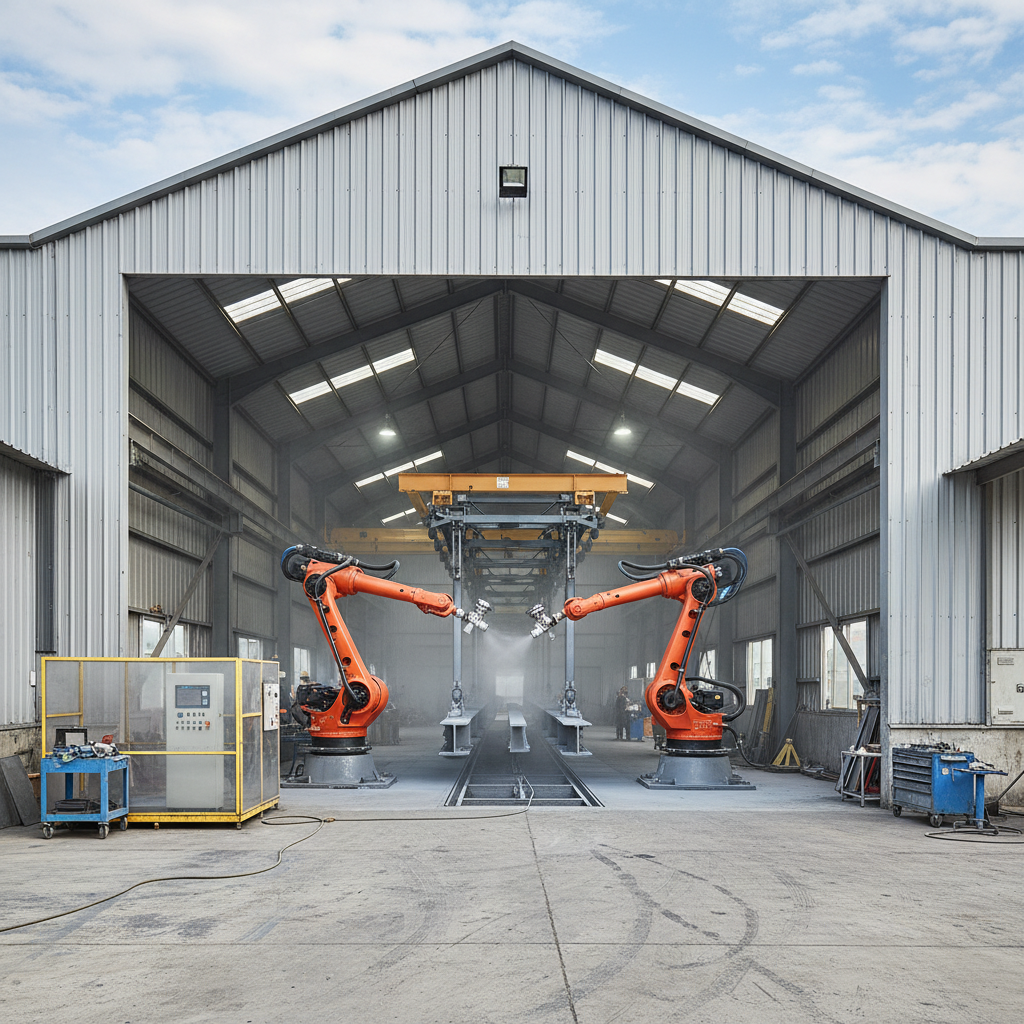
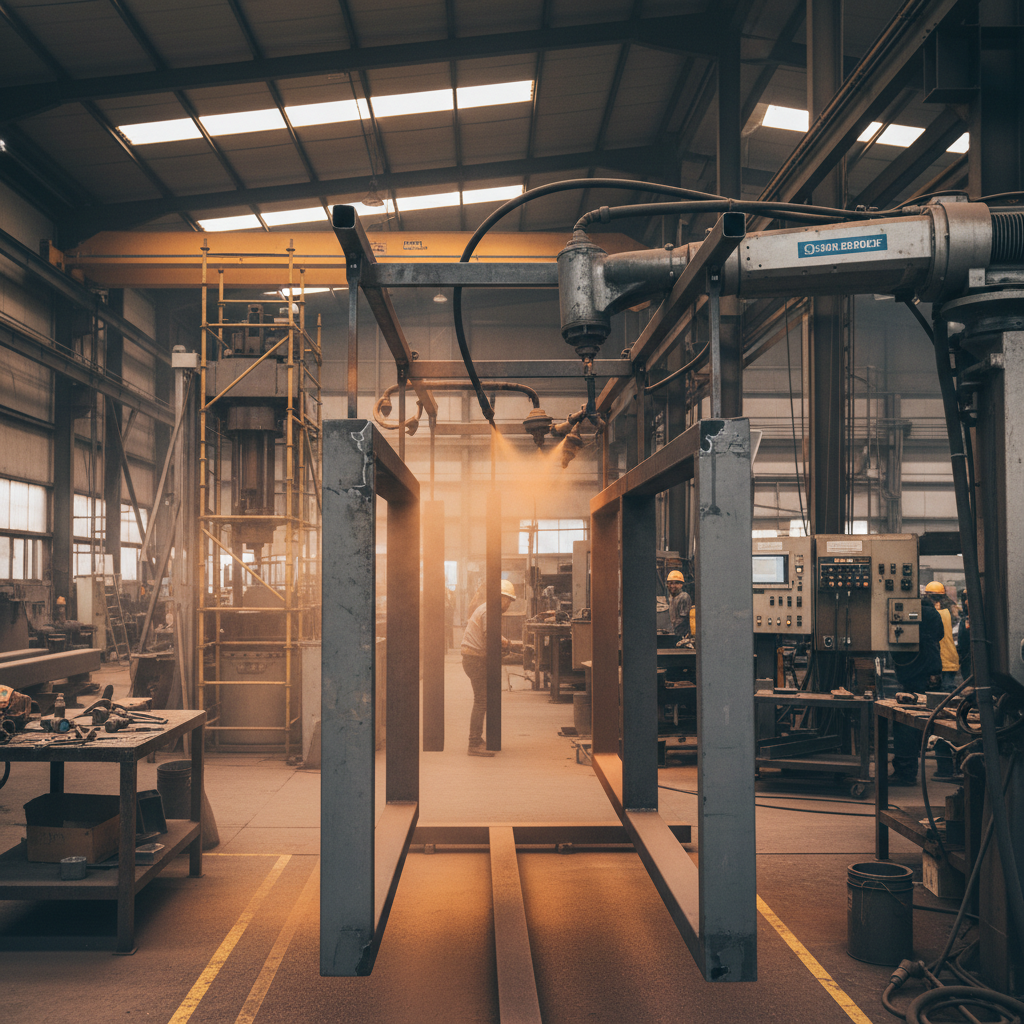
You know, these days everyone’s talking about Industry 4.0, smart factories, and all that jazz. It’s all good on paper, but honestly, being on site every day, you see things…differently. The biggest trend I’ve noticed? Everyone wants everything automated, faster, cheaper. And they want it yesterday. It’s pushing suppliers to cut corners, and that’s when things get tricky. An automatic spray painting system with conveyor is a good example – sounds simple, right? But trust me, it’s not.

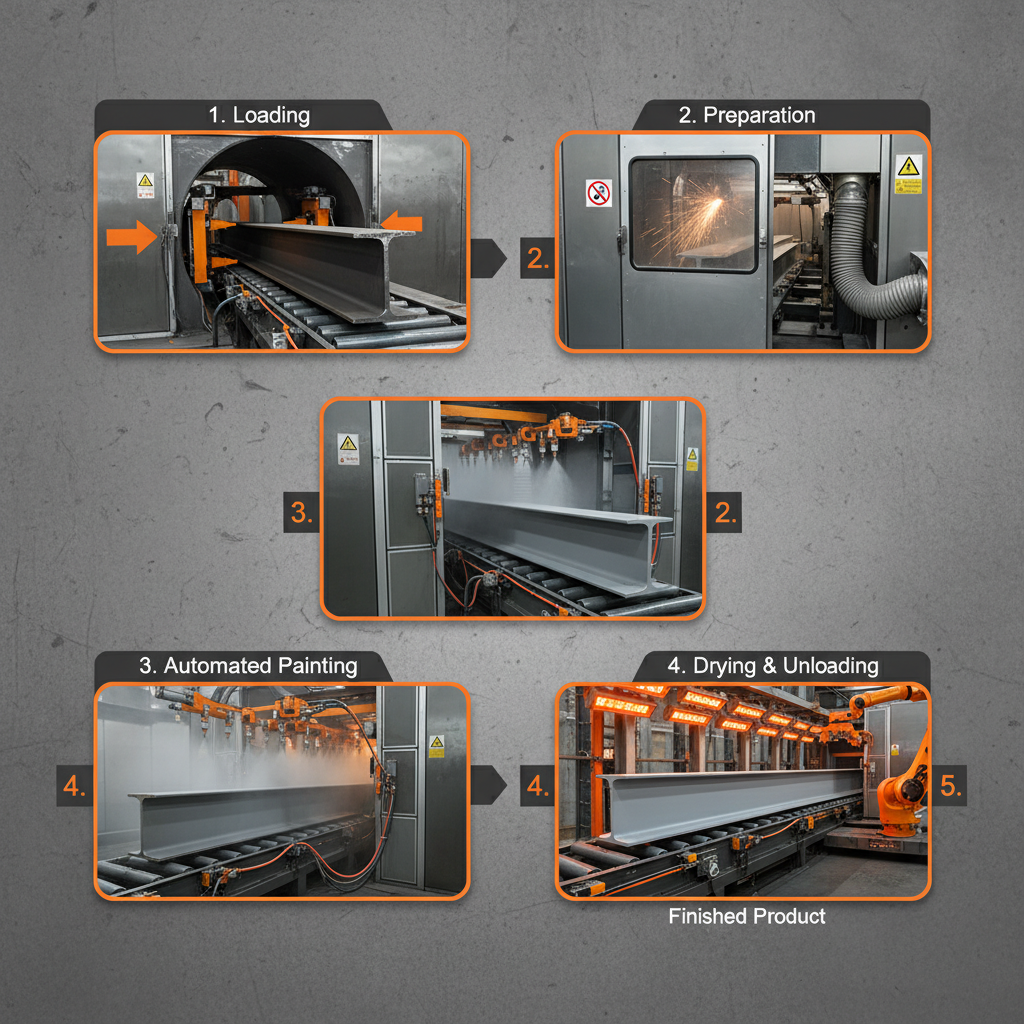
The real challenge isn’t the robots themselves, it’s getting everything around the robots to work seamlessly. People think you just throw a conveyor belt in and boom, efficiency. Nope. It's about the flow of materials, the pre-treatment, the post-curing, even the ventilation. I spent a week at a metal fabrication plant in Guangzhou last month just watching how parts moved, and it was… chaotic. Absolute chaos. They’d invested heavily in automation but hadn’t thought through the logistics.

And it’s not like these systems are plug-and-play. Each job is different. Each paint is different. You need flexibility. That’s what everyone forgets.
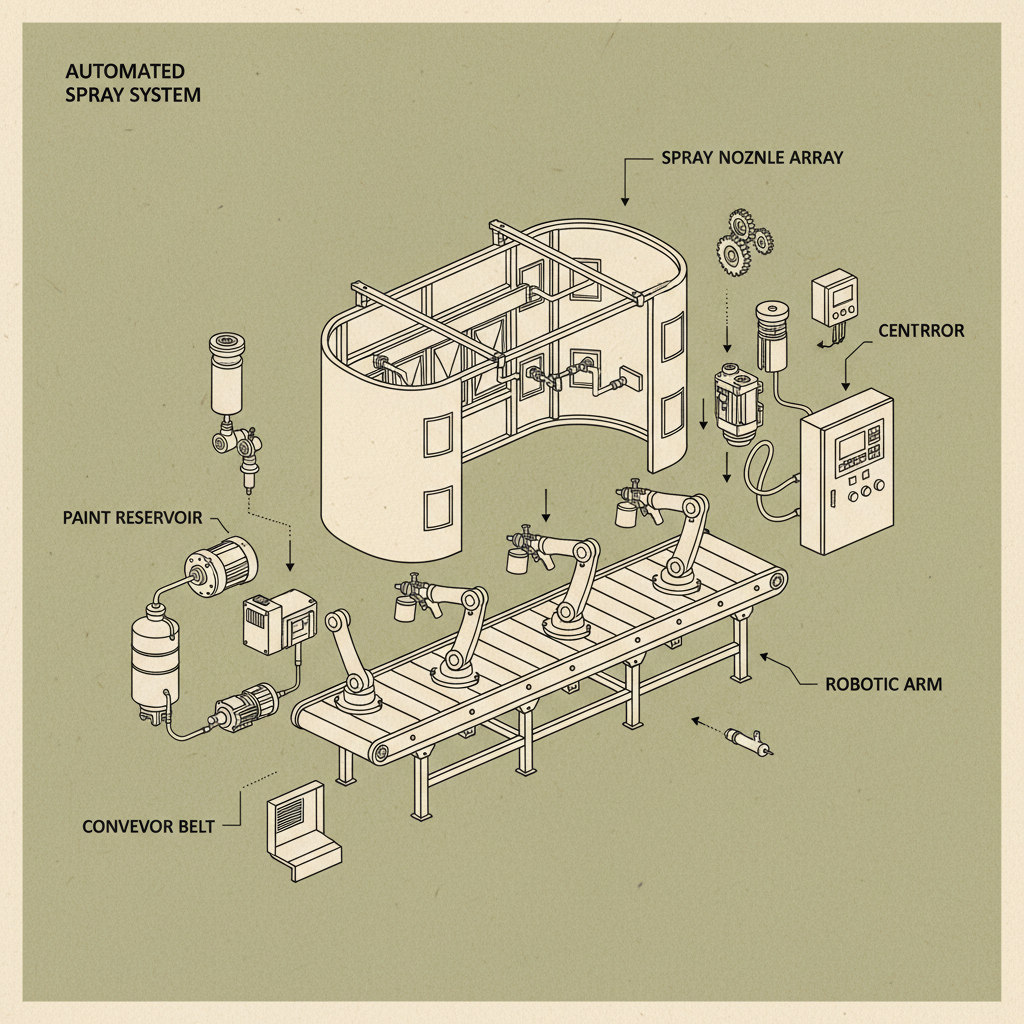

Optimizing Production with an Automatic Spray Painting System with Conveyor

Industry Trends & Design Pitfalls

Optimizing Production with an Automatic Spray Painting System with Conveyor

To be honest, the biggest pitfall I see is over-engineering. Everyone wants the latest tech, the fanciest sensors, but often it just adds complexity and points of failure. You need to keep it simple, robust. I encountered this at a furniture factory in Vietnam last time – they’d installed a system with a laser pre-treatment, and it was constantly breaking down. Cost them a fortune in downtime.

It's about understanding the core process, not chasing shiny objects. A well-designed automatic spray painting system with conveyor isn't about having the most bells and whistles; it's about consistently delivering a quality finish with minimal waste. And that means a focus on the fundamentals.

Materials: It's More Than Just Names

People talk about the paint, right? Polyurethane, epoxy, acrylic… But it's not just what you're using, it's how it behaves. Some paints smell awful, you need serious ventilation. Others are super sensitive to humidity. And you can tell a good paint just by the way it feels when you stir it. It's got a certain… viscosity. Strangely, the cheaper stuff often feels grainier.

Then there’s the conveyor belt itself. You’ve got your standard rubber belts, then you’ve got the coated ones, the modular plastic ones. Rubber’s good for grip, but it wears down. Plastic is more durable, but can be slippery. It depends on the shape of the parts, the weight, the environment. And the nozzles – those are critical. Ceramic is good for high-volume, but more expensive. Metal is cheaper, but wears out faster.

And don’t even get me started on the filters. You change those religiously, or you’ll end up with orange peel on everything. I swear, some sites treat filters like a suggestion, not a requirement.

Real-World Testing: Forget the Lab

Lab testing? Yeah, that’s good for initial specs, sure. But it doesn't tell you what happens when a worker accidentally bumps into the conveyor and throws everything out of alignment. Or when dust gets into the system. Or when the humidity spikes because of a monsoon.

Real testing happens on the factory floor. We run the system for a week, 24/7, pushing it to its limits. We deliberately introduce variations – different parts, different paint batches, different operators. Then we see what breaks. Then we fix it. It's messy, it's loud, but it's the only way to build something truly reliable.

I once saw a system fail spectacularly because the paint was slightly thicker than specified. The nozzles clogged, the pressure dropped, and everything went sideways. The lab tests hadn't accounted for that level of viscosity variation. Anyway, I think that’s a good example.

How Users Actually Use It

You design a system with a specific workflow in mind, right? Parts go in here, get sprayed, go through the curing oven, and come out perfectly painted. But then you see how people actually use it. They skip steps, they override settings, they try to paint things that are way too big or way too small.

I’ve seen guys trying to paint entire car bodies on systems designed for small components. I’ve seen them disabling safety features to speed things up. And you can’t blame them entirely – they’re under pressure to meet deadlines, to reduce costs. That's where good training and user-friendly interfaces come in. You need a system that’s forgiving, that guides users through the process, and that prevents them from doing something catastrophic.

Automatic Spray Painting System with Conveyor Performance Metrics


Advantages & Disadvantages: The Honest Truth

Look, the advantages are obvious: speed, consistency, reduced labor costs. It's all about throughput. But let’s be real – these systems aren’t cheap. The initial investment is significant, and there are ongoing maintenance costs. And, strangely, they can sometimes create new problems. Like needing a dedicated maintenance technician.

The biggest disadvantage, in my opinion, is the lack of flexibility. If you need to change the paint color frequently, or if you’re dealing with a wide variety of part shapes and sizes, it can be a nightmare. You spend half your time reprogramming the system. So, it’s great for high-volume, repetitive tasks, but not so great for small batches or custom jobs.

Customization: Beyond the Brochure

Everyone says their systems are customizable. But what does that actually mean? Usually, it means you can change the color of the panels or add a different type of nozzle. But true customization – adapting the system to handle a completely unique part or process – that's where it gets interesting.

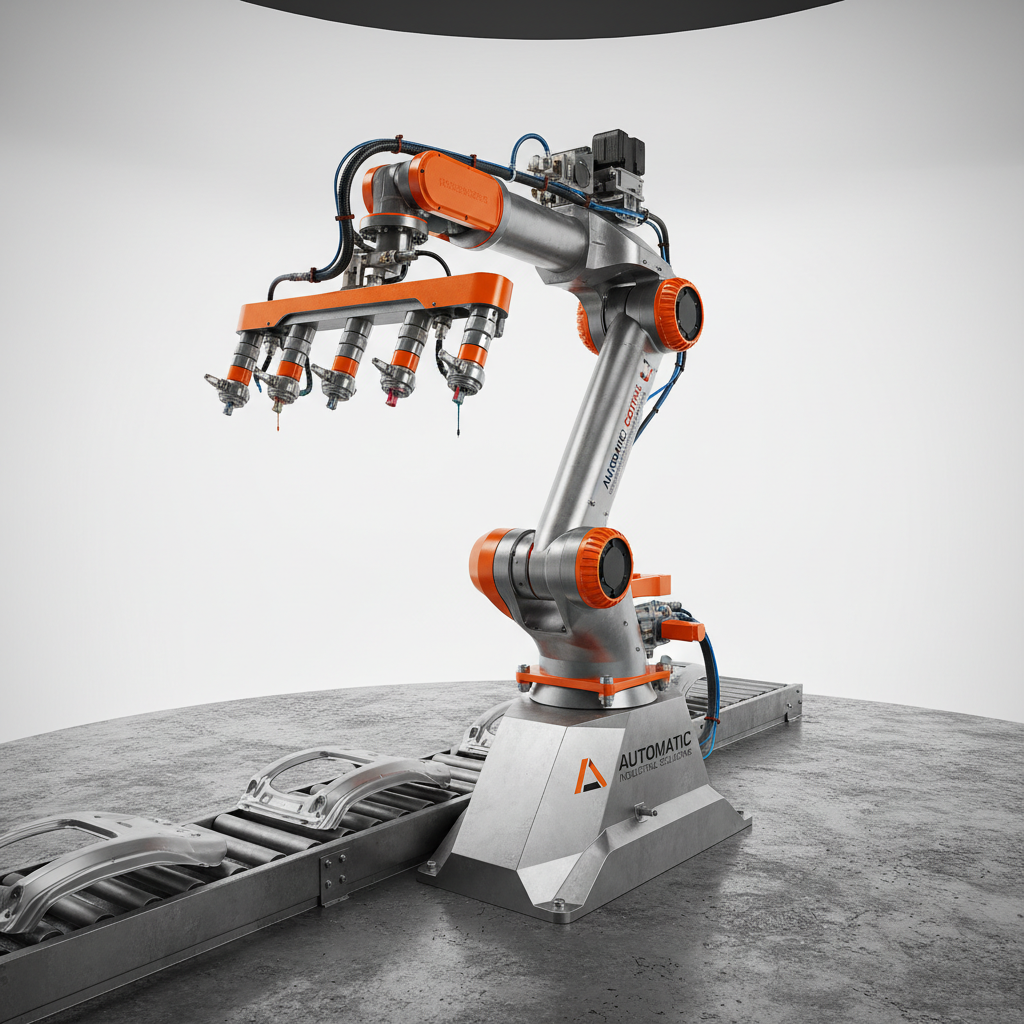
I had a client last year, a manufacturer of aircraft components, who needed a system that could paint parts with incredibly complex geometries. The standard systems just couldn't reach all the surfaces. So, we ended up designing a custom robotic arm with multiple nozzles and a rotating table. It wasn't cheap, but it solved their problem. Later... Forget it, I won't mention the permitting hassle.

A Customer Story: The Debacle

Last month, that small boss in Shenzhen who makes smart home devices insisted on changing the interface to for the control panel of his automatic spray painting system with conveyor. He said it was “more modern.” I told him it was a bad idea – the existing connector was more robust, more reliable, and perfectly adequate. But he wouldn’t listen.

He spent a fortune redesigning the panel, and then, surprise surprise, the connector kept failing. It turned out the vibration from the conveyor was putting too much stress on the tiny connector. He had to revert back to the original design, losing time and money. It was a classic case of form over function.

I swear, some people just want to make things more complicated than they need to be.

Key Performance Indicators for Automatic Spray Painting System with Conveyor

System Component Maintenance Frequency Average Repair Time Cost of Replacement
Spray Nozzles Monthly 30 minutes $50 - $200
Conveyor Belt 6-12 Months 2-4 hours $300 - $1000
Paint Filters Weekly 15 minutes $20 - $50
Robotic Arm Annually (Preventative) 8-16 hours $2000 - $5000
Control System Bi-Annually 4-8 hours $1000 - $3000
Sensors & Wiring As Needed 1-2 hours $100 - $500

FAQS

What’s the biggest mistake people make when installing an automatic spray painting system with conveyor?

Honestly? Not thinking about airflow. You need serious ventilation to get rid of the fumes, and if you don't plan for it upfront, you're going to have a bad time. It's not just about meeting regulations; it's about worker safety. And trust me, a headache from paint fumes is no joke. We've seen systems shut down because of ventilation issues – a huge waste of money. Make sure you factor that in during the planning stage, and get a professional to assess your needs.

How much downtime should I expect with a system like this?

Downtime is inevitable, but you can minimize it with proper maintenance. Expect some downtime for filter changes, nozzle cleaning, and belt inspections. A good system will have self-diagnostic features that alert you to potential problems before they become major breakdowns. We typically recommend a preventative maintenance schedule, including regular inspections and lubrication. A well-maintained system should have less than 5% downtime, but that depends on usage and environment. It’s always better to be proactive than reactive.

Are these systems suitable for small-batch production?

That’s a tough one. They can be used for small batches, but it’s not ideal. The setup and changeover time can eat into your efficiency. These systems really shine when you're running the same part, with the same paint, for extended periods. If you're constantly switching things up, you might be better off with a manual system. However, some systems are more flexible than others, with quick-change features and automated programming. It really depends on your specific needs and the complexity of your parts.

What kind of training is required for operators?

Comprehensive training is crucial. Operators need to understand the system’s controls, safety procedures, and maintenance requirements. They also need to be able to troubleshoot common problems. We provide on-site training for all our systems, covering everything from basic operation to advanced programming. It's not enough to just show them how to press the start button; they need to understand the underlying principles of the process. A well-trained operator is a safe operator and a productive operator.

How does the cost compare to a traditional spray booth?

The initial investment is higher, no doubt about it. A fully automated automatic spray painting system with conveyor will cost significantly more than a traditional spray booth. However, you need to factor in the long-term costs. Automated systems reduce labor costs, minimize paint waste, and improve consistency, which can lead to significant savings over time. It’s a trade-off between upfront investment and long-term ROI. A proper cost-benefit analysis is essential.

What about safety features?

Safety is paramount. A good system will have multiple layers of safety features, including emergency stop buttons, light curtains, and interlocks. It should also be designed to minimize exposure to hazardous materials. We adhere to all relevant safety standards and regulations. But even with all the safety features in place, it's still important for operators to follow proper procedures and wear appropriate personal protective equipment. Complacency is the biggest safety risk.

Conclusion

So, there you have it. An automatic spray painting system with conveyor isn't a magic bullet. It's a complex piece of machinery that requires careful planning, proper installation, and ongoing maintenance. But when it's done right, it can dramatically improve efficiency, reduce costs, and enhance the quality of your finished products. It’s not just about the technology; it’s about understanding the process, the materials, and the people who operate it.

Ultimately, whether this thing works or not, the worker will know the moment he tightens the screw. If it feels solid, if it runs smoothly, if the finish looks right… then you’ve got something good. And if it doesn’t? Well, then you know you have work to do. And that’s just the way it is.

Ethan Bellwether

Ethan Bellwether

Ethan Bellwether serves as the Lead Automation Engineer at Yeed Tech. With a background in mechanical engineering and a deep passion for robotics, Ethan spearheads the integration of automation technologies into our steel structure processing lines. He's been instrumental in developing the control systems for our intelligent spraying and cutting
Previous Advancements in Automatic Spray Painting for Modern Industrial Applications
Next The Rise of Automated Paint Spray Systems in Modern Manufacturing