Steel structures represent a cornerstone of modern civilization, facilitating everything from the towering skyscrapers that define our cityscapes to the robust infrastructure that supports global trade and connectivity. Their ability to provide large spans, exceptional strength, and design flexibility makes them indispensable in a wide range of applications. Understanding the principles behind steel structure is crucial for engineers, architects, and policymakers alike as we strive to build more resilient and sustainable environments.
Globally, the demand for steel structures is constantly increasing, driven by urbanization, population growth, and the need for more efficient and durable infrastructure. The World Steel Association reports that global steel demand reached over 1.8 billion tonnes in 2022, and a significant portion of this is allocated to construction and infrastructure projects utilizing steel frameworks. This growth is particularly pronounced in developing nations undergoing rapid industrialization.
The importance of understanding steel structures extends beyond mere construction. It’s a vital component of disaster resilience, allowing for the rapid deployment of shelters and essential infrastructure in the wake of natural disasters. Moreover, advancements in steel technology are crucial for achieving sustainable construction practices and reducing the environmental impact of the built environment.
The Fundamental Properties of Steel Structure
The inherent strength and ductility of steel make steel structure exceptionally resilient to both static and dynamic loads. This characteristic is particularly vital in seismic regions, where the ability to absorb energy without catastrophic failure is paramount. The high strength-to-weight ratio also enables longer spans and reduced material consumption compared to other construction materials.
Beyond its mechanical properties, steel offers exceptional design flexibility. It can be easily fabricated into a wide range of shapes and sizes, allowing architects and engineers to realize complex and innovative designs. Moreover, steel is 100% recyclable, making it a sustainable choice for environmentally conscious construction projects.
The Global Significance of Steel Structures
Steel structures are foundational to modern infrastructure across the globe. They form the backbone of transportation networks, including bridges, railways, and airports. From the Golden Gate Bridge in San Francisco to the Burj Khalifa in Dubai, iconic landmarks demonstrate the capabilities of steel construction. In emerging economies, steel is critical for rapid urbanization and the development of essential services.
The demand for steel infrastructure is especially pronounced in Asia, where rapidly growing populations and economies necessitate massive investment in transportation, housing, and industrial facilities. China, India, and Southeast Asian nations are driving a significant portion of global steel demand, pushing innovation in steel manufacturing and construction techniques. Steel structure plays a crucial role in meeting these needs.
Furthermore, steel's role extends beyond civilian infrastructure to national security and defense, providing the materials for critical military installations, shipbuilding, and protective structures. Its reliability and resilience make it a strategic material for governments worldwide.
Defining Steel Structure: A Modern Necessity
A steel structure is a framework constructed from structural steel components, designed to bear loads and provide rigidity. These components are typically interconnected through welding, bolting, or riveting. Unlike traditional building materials like wood or concrete, steel provides a unique combination of strength, ductility, and durability, making it ideal for a vast range of construction projects.
Its connection to modern industry is profound; the advent of large-scale steel production in the 19th century revolutionized construction, enabling the creation of skyscrapers, long-span bridges, and industrial facilities that were previously unimaginable. Today, advancements in high-strength steels and fabrication technologies continue to push the boundaries of what’s possible in steel structure design and construction.
In humanitarian contexts, the speed and efficiency of steel construction are invaluable. Rapidly deployable steel structures can provide emergency shelter, medical facilities, and essential infrastructure in disaster-affected areas, offering immediate relief and supporting long-term recovery efforts.
Core Components and Key Characteristics
Steel structures are comprised of several core components, each contributing to the overall strength and stability of the framework. These include beams, columns, trusses, and connections. Beams provide horizontal support, columns offer vertical support, and trusses distribute loads efficiently. The quality of the connections – whether welded, bolted, or riveted – is critical for ensuring the structural integrity of the entire system.
Durability is a defining characteristic of steel structures. Steel is resistant to corrosion, fire, and pests, leading to a longer lifespan and reduced maintenance costs compared to other building materials. Scalability is another key benefit. Steel structures can be easily expanded or modified to accommodate changing needs, offering long-term flexibility and adaptability.
Steel Structure Performance Metrics
Global Applications and Diverse Use Cases
Steel structures find application across a vast spectrum of industries and environments. In civil engineering, they are essential for constructing bridges, tunnels, and high-rise buildings. In the industrial sector, they form the foundations for factories, warehouses, and power plants. The oil and gas industry relies heavily on steel structures for offshore platforms and pipelines.
In post-disaster relief operations, prefabricated steel structures provide rapid shelter and medical facilities. In remote industrial zones, steel structures offer a cost-effective and durable solution for constructing essential infrastructure. Furthermore, the use of steel structures in stadiums and arenas provides the necessary strength and clear spans for large-scale events.
Advantages and Long-Term Value Proposition
The advantages of steel structure extend far beyond immediate construction costs. The long-term durability and low maintenance requirements translate to significant savings over the lifespan of the building. Steel is also a highly recyclable material, contributing to sustainable construction practices and reducing environmental impact.
From a social perspective, steel structures enhance safety and security, providing robust protection against natural disasters and other hazards. The innovation fostered by steel construction leads to more efficient designs and improved building performance. Ultimately, investing in steel structures represents a commitment to reliability, sustainability, and long-term value.
Future Trends and Innovations in Steel Structure
The future of steel structure is being shaped by several key trends. The development of high-strength, low-alloy (HSLA) steels is enabling lighter and more efficient designs. The integration of digital technologies, such as Building Information Modeling (BIM) and 3D printing, is revolutionizing the design and fabrication process.
The push for sustainability is driving research into alternative steel production methods, including the use of hydrogen and carbon capture technologies. Furthermore, advancements in corrosion protection techniques are extending the lifespan of steel structures and reducing maintenance costs. These innovations are poised to transform the construction industry and create a more sustainable built environment.
FAQS
Steel structures offer several advantages over concrete. They boast a higher strength-to-weight ratio, allowing for longer spans and more flexible designs. Steel is also faster to erect, reducing construction time and costs. Furthermore, steel is highly recyclable, making it a more sustainable option. Concrete, while durable, can be more susceptible to cracking and requires more extensive maintenance.
Steel structures exhibit excellent ductility, meaning they can deform significantly without fracturing. This property is crucial in earthquake-prone regions, as it allows the structure to absorb energy from seismic events and prevent catastrophic collapse. Proper design and detailing, incorporating seismic-resistant connections and bracing systems, further enhance the performance of steel structures during earthquakes.
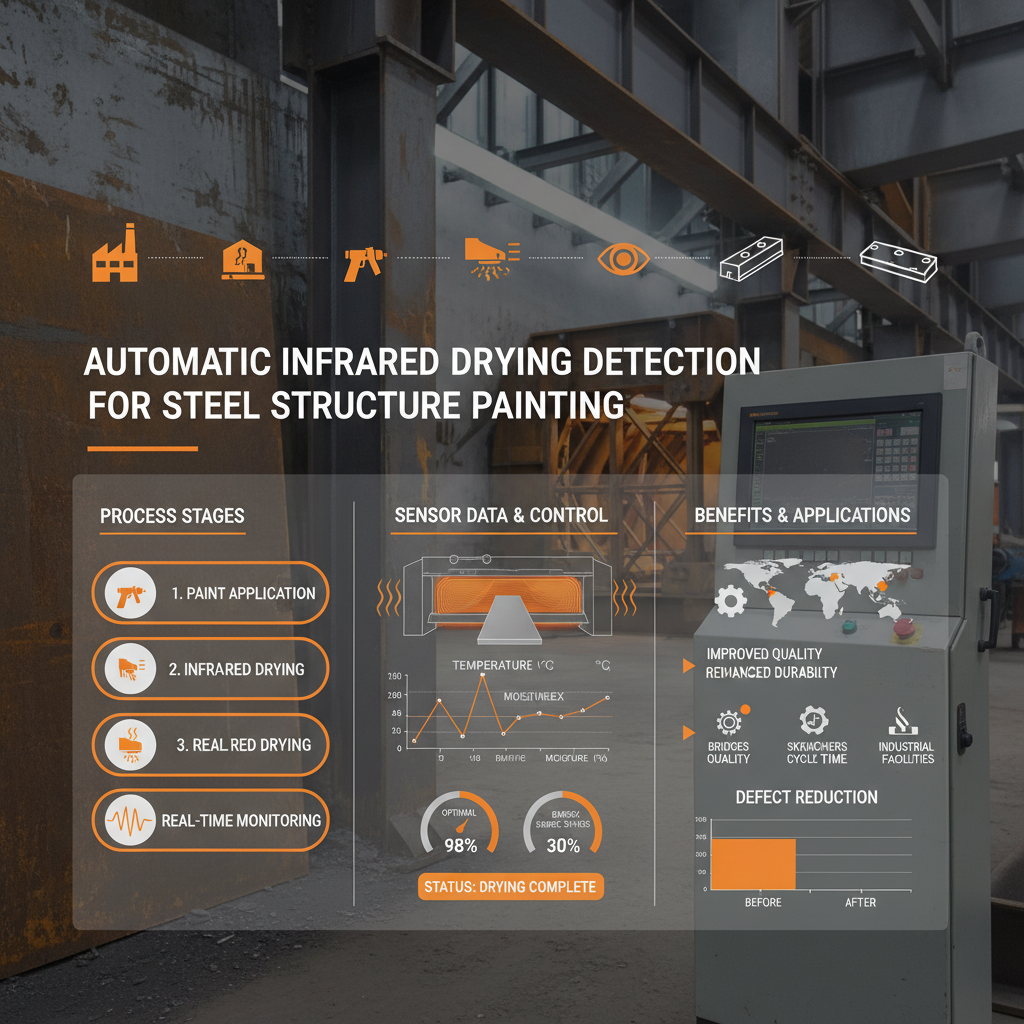
With proper design, fabrication, and maintenance, a steel structure can have a lifespan of 100 years or more. Regular inspections and protective coatings, such as paint or galvanization, are essential for preventing corrosion and extending the lifespan. The recyclability of steel also means that components can be repurposed at the end of their service life, contributing to a circular economy.
The initial cost of steel structure can sometimes be higher than wood framing, but it’s essential to consider the total lifecycle cost. Steel structures require less maintenance, have a longer lifespan, and offer greater design flexibility, which can result in long-term savings. Steel is also resistant to pests and fire, reducing insurance costs and potential damage.
Steel is one of the most recycled materials on the planet, with a high recycling rate. Using recycled steel reduces the demand for virgin materials and minimizes the environmental impact of steel production. Furthermore, the durability and longevity of steel structures reduce the need for frequent replacements, conserving resources and reducing waste.
It’s crucial to engage experienced and qualified engineers, fabricators, and contractors. Adhering to relevant building codes and industry standards is essential. Thorough inspections should be conducted at each stage of the project, from design to fabrication and erection. Proper quality control measures and adherence to safety protocols are paramount for ensuring a safe and durable steel structure.
Conclusion
In conclusion, steel structures are not merely a building material, but a fundamental component of modern civilization, offering unparalleled strength, durability, and design flexibility. From iconic landmarks to essential infrastructure, steel structures underpin our economies, safeguard our communities, and drive innovation. Understanding the principles and advancements in steel structure technology is essential for building a more resilient and sustainable future.
As we look ahead, continued investment in research and development, coupled with a commitment to sustainable practices, will unlock even greater potential for steel structures. By embracing new technologies and fostering collaboration between engineers, architects, and policymakers, we can harness the power of steel to create a built environment that is safer, more efficient, and more environmentally responsible.