The realm of steel construction companies is fundamental to modern infrastructure and industrial development globally. These companies are not merely fabricators of metal; they are the backbone of projects ranging from towering skyscrapers and expansive bridges to intricate industrial facilities and critical energy infrastructure. The demand for robust, reliable, and innovative steel structures continues to surge, driven by population growth, urbanization, and the need for sustainable and resilient construction solutions. Understanding the intricacies of steel construction is paramount for engineers, architects, investors, and policymakers alike.
Steel construction companies play a vital role in shaping the built environment. Globally, the steel industry contributes trillions of dollars to the economy and supports millions of jobs. Organizations like the World Steel Association consistently report on the growing demand, particularly in emerging economies undergoing rapid industrialization. However, this growth isn’t without challenges. Rising material costs, skilled labor shortages, and the increasing emphasis on sustainable practices necessitate constant innovation and adaptation within these companies.
The importance of a proficient steel construction company lies in its ability to deliver projects on time, within budget, and to the highest quality standards. They’re essential for facilitating economic growth, supporting communities, and ensuring the longevity of critical infrastructure. Moreover, advancements in steel technology and fabrication techniques are continually pushing the boundaries of what's possible, paving the way for more efficient and sustainable building practices.
The Global Significance of Steel Construction Companies
Steel construction companies are at the heart of global infrastructure development, influencing economies and daily life on a massive scale. The United Nations projects a continued increase in urbanization, with nearly 70% of the world’s population expected to live in cities by 2050. This demographic shift drives an unprecedented demand for sustainable, durable, and efficient construction, making steel construction companies key players in meeting these needs.
From the tallest skyscrapers to the longest bridges, steel construction underpins essential infrastructure. The World Bank consistently funds large-scale infrastructure projects in developing nations, often reliant on the expertise of steel construction firms. The increasing complexity of these projects demands not just fabrication capabilities but also advanced engineering, project management, and logistical expertise, making the role of these companies more crucial than ever.
Defining Steel Construction Companies
A steel construction company is an organization specializing in the fabrication, erection, and installation of steel structures. This encompasses a broad range of activities, from initial design and detailing to the on-site assembly of steel components. These companies often work with architects, engineers, and project managers to bring complex building designs to life, using steel as the primary building material.
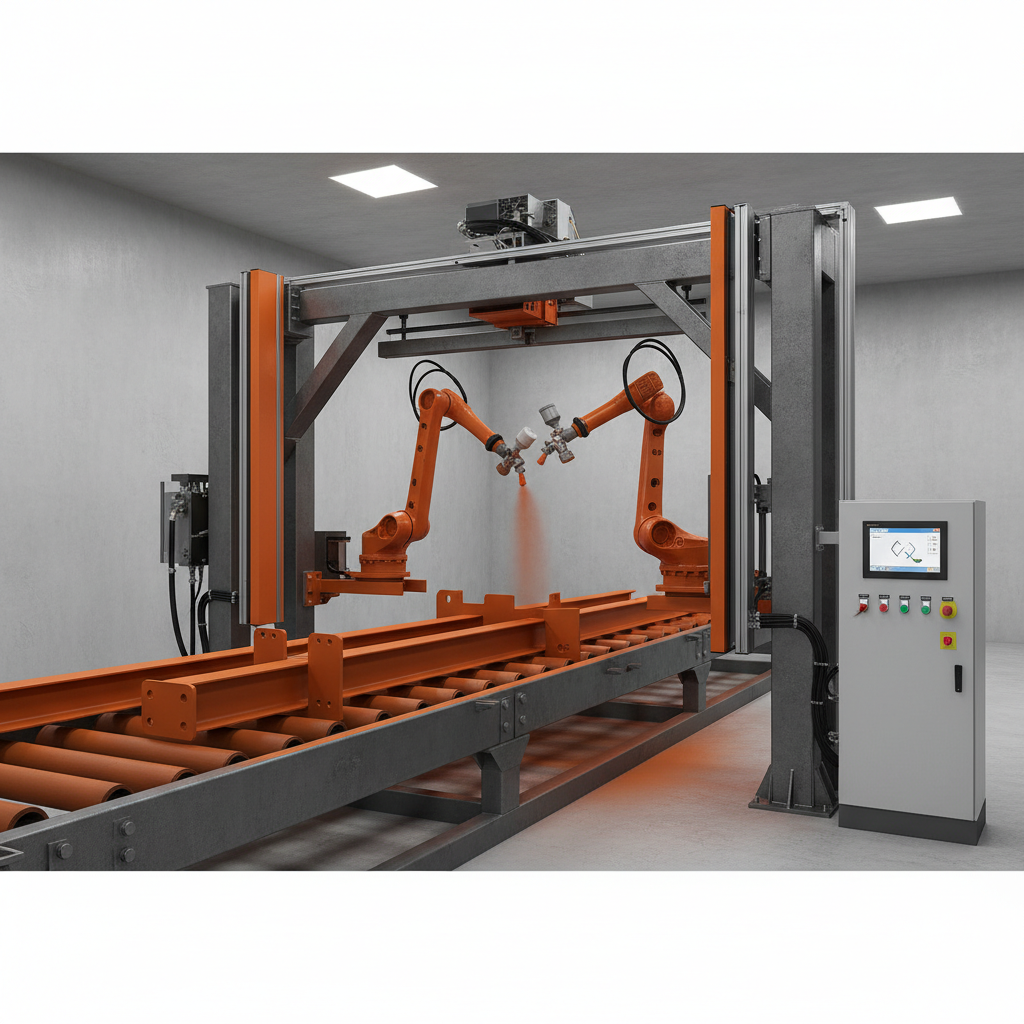
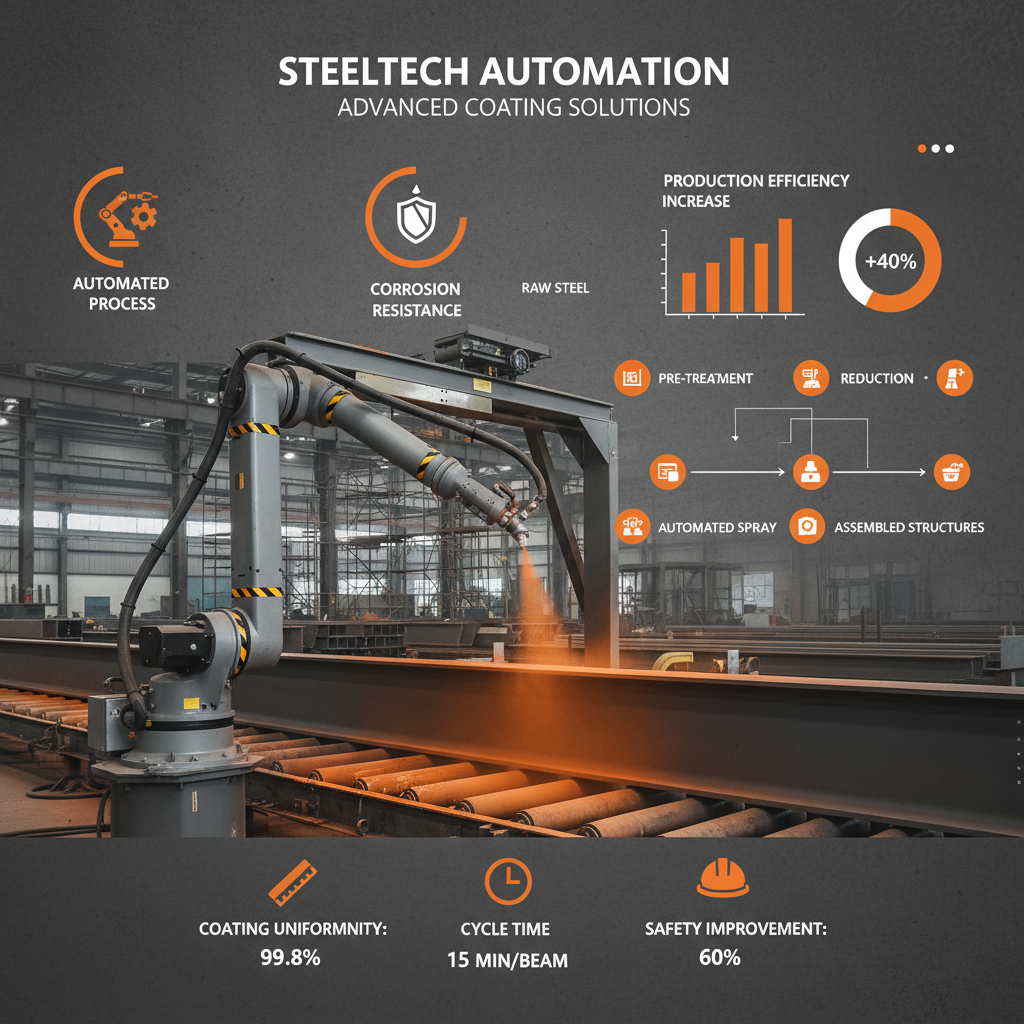
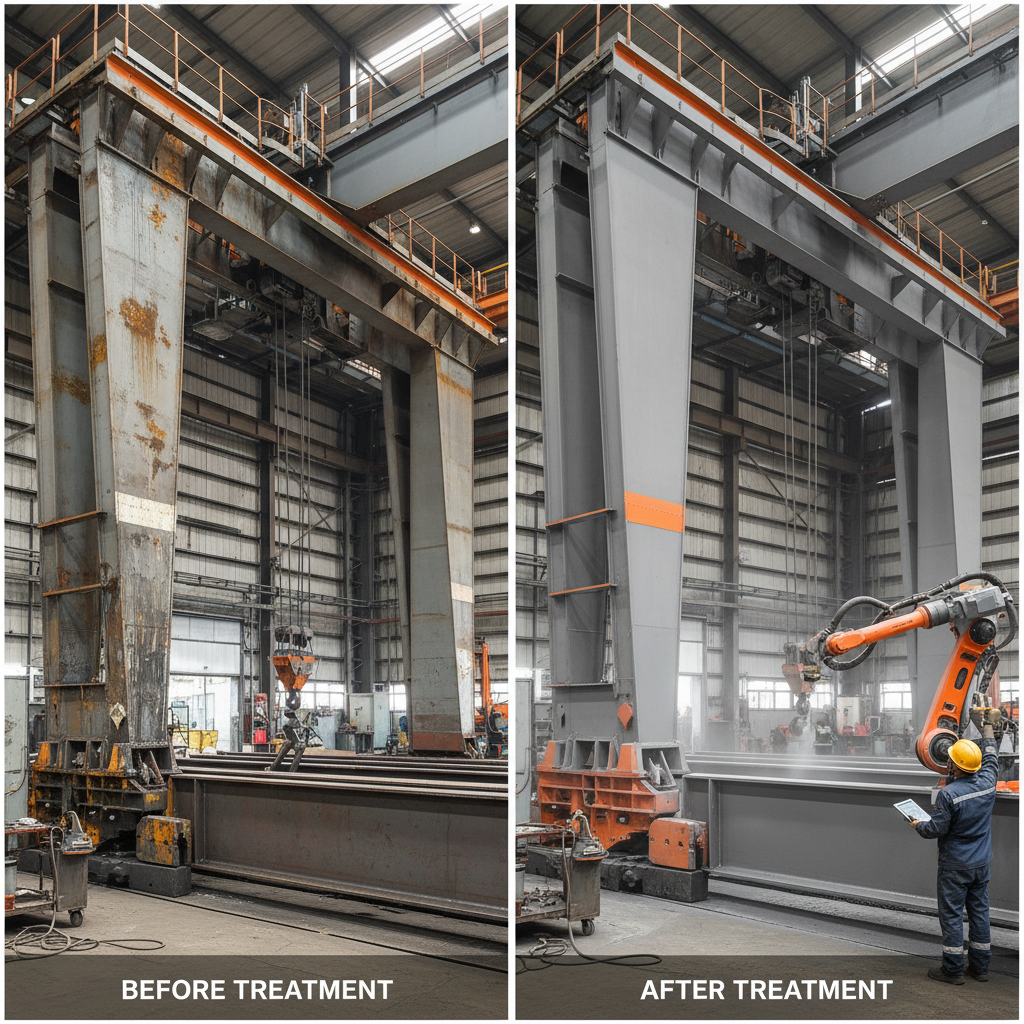
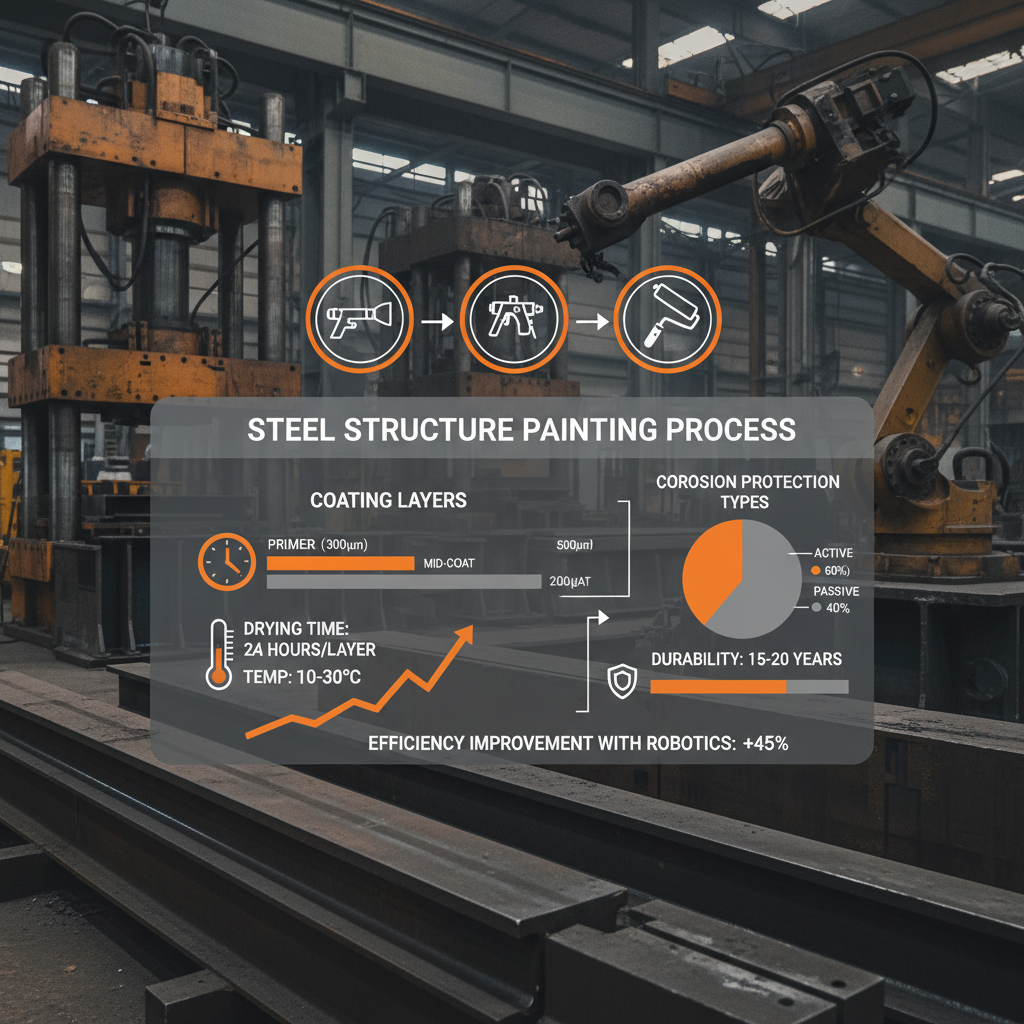
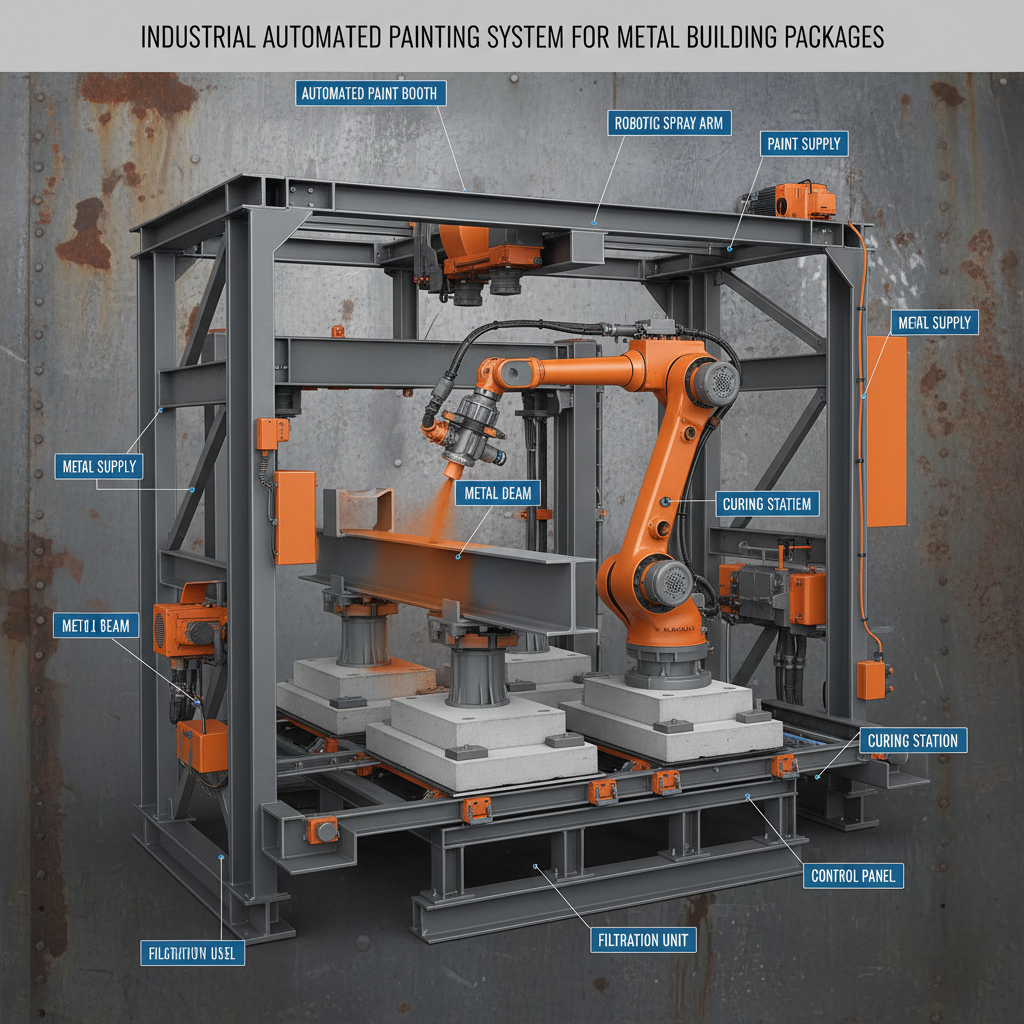
Beyond simple fabrication, a modern steel construction company offers comprehensive services, including welding, painting, coating, and structural steel detailing. They possess the necessary certifications and expertise to adhere to stringent industry standards and safety regulations, ensuring the integrity and longevity of their projects.
The connection to modern industry extends beyond buildings and bridges; steel construction is critical for industrial facilities, power plants, and renewable energy infrastructure. It plays a vital role in supporting key sectors and driving economic growth, offering a foundation for progress and innovation.
Core Competencies of a Steel Construction Company
Durability is perhaps the most defining characteristic of steel structures. Steel’s inherent strength and resistance to corrosion, when properly treated, ensures longevity and minimizes lifecycle costs. A competent steel construction company understands the importance of material selection, protective coatings, and rigorous quality control to maximize the lifespan of their projects.
Scalability is another critical competency. Steel structures can be easily adapted to various sizes and complexities, making them suitable for a wide range of projects, from small commercial buildings to massive industrial complexes. The modular nature of steel construction allows for efficient expansion and modification as needs evolve.
Cost Efficiency, while often initially appearing higher than other materials, becomes apparent over the long term. Steel’s fast erection time, reduced maintenance requirements, and potential for prefabrication minimize overall project costs. A savvy steel construction company optimizes its processes and supply chain to deliver maximum value to its clients.
Global Applications and Key Projects
Steel construction is ubiquitous across the globe, underpinning infrastructure in developed and developing nations alike. In North America, steel is the predominant material for high-rise buildings, industrial warehouses, and transportation infrastructure like bridges and railways. In Europe, historic landmarks and modern structures rely heavily on steel for both aesthetic and structural integrity.
In rapidly growing economies such as China and India, steel construction is fueling massive infrastructure projects. The construction of new cities, high-speed rail networks, and industrial parks requires enormous quantities of steel, driving demand for innovative and efficient steel construction companies.
From the Burj Khalifa in Dubai to the Golden Gate Bridge in San Francisco, iconic landmarks showcase the versatility and strength of steel construction. In post-disaster relief operations, steel construction companies provide rapid deployment shelters and essential infrastructure, demonstrating the material’s resilience and adaptability.
Steel Construction Company Project Types
Advantages and Long-Term Value Proposition
The advantages of utilizing a steel construction company are numerous. Steel provides unparalleled structural strength and durability, ensuring the longevity of projects and minimizing long-term maintenance costs. Its recyclability contributes to sustainable construction practices, aligning with growing environmental concerns.
Beyond the tangible benefits, there's a significant emotional component. Steel structures often inspire confidence and security. The reliability of steel translates into a safer and more trustworthy built environment. This is particularly crucial for public infrastructure, where safety and longevity are paramount.
Future Trends in Steel Construction
The future of steel construction is interwoven with advancements in digital technology and sustainable practices. Building Information Modeling (BIM) is becoming increasingly prevalent, allowing for more accurate designs, clash detection, and efficient project management. This minimizes errors and streamlines the construction process.
Furthermore, the development of high-strength, lightweight steel alloys is opening new possibilities for innovative structural designs. The incorporation of smart sensors into steel structures enables real-time monitoring of structural health, allowing for proactive maintenance and preventing potential failures.
Challenges and Innovative Solutions
One significant challenge facing steel construction companies is the fluctuating price of steel. Global economic factors and supply chain disruptions can impact material costs, requiring companies to adopt proactive risk management strategies and explore alternative sourcing options.
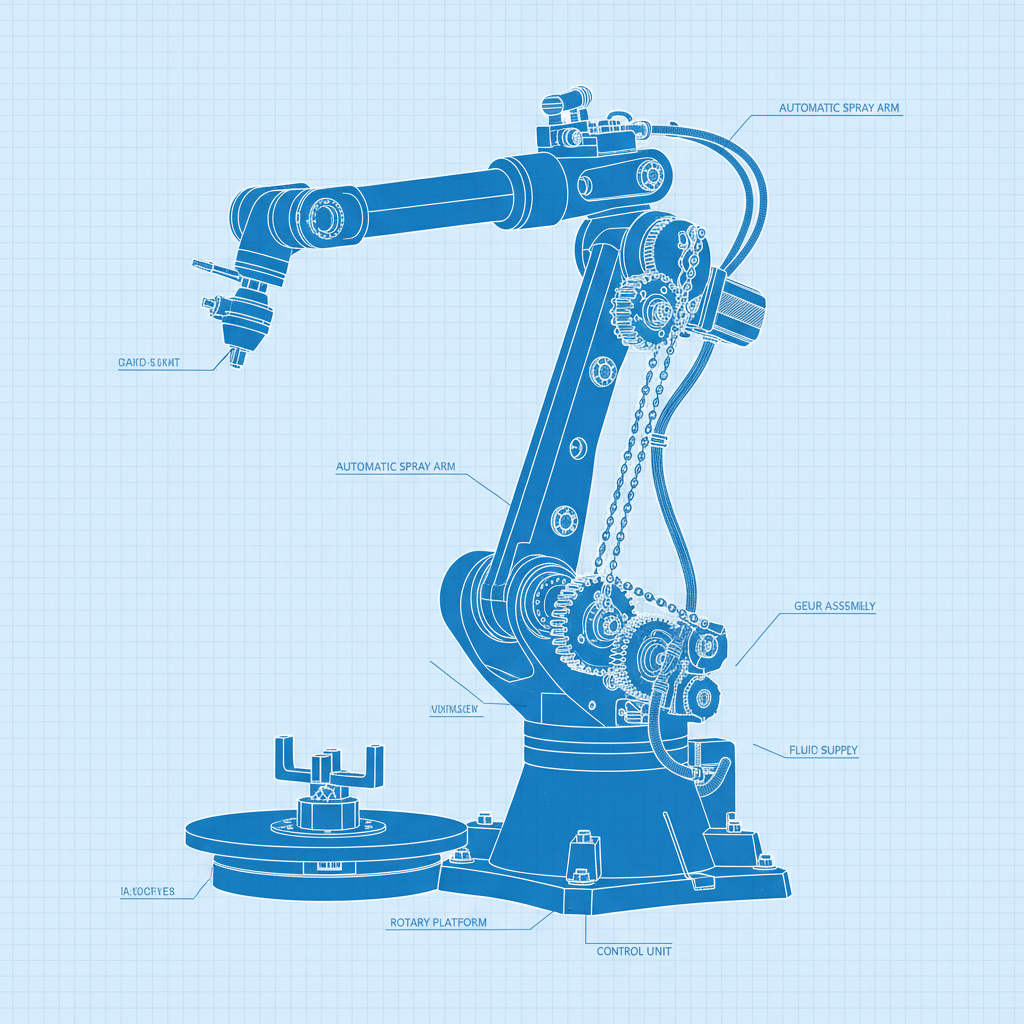
Another challenge is the shortage of skilled labor, particularly in welding and fabrication. Investing in training programs and apprenticeships is crucial for developing the next generation of steel construction professionals. Embracing automation and robotic technologies can also help to mitigate labor shortages and improve efficiency.
Addressing sustainability concerns is paramount. Steel construction companies are increasingly focused on utilizing recycled steel, reducing waste, and minimizing their carbon footprint. Implementing circular economy principles and exploring innovative construction techniques are essential for building a more sustainable future.
Key Performance Indicators for Steel Construction Company Projects
| Project Phase |
Key Metric |
Performance Target |
Assessment |
| Design & Detailing |
Error Rate |
Less than 1% |
High |
| Fabrication |
Material Waste |
Under 5% |
Medium |
| Erection |
On-Time Completion |
90% of Schedule |
High |
| Quality Control |
Welding Integrity |
100% Pass Rate |
High |
| Safety |
Recordable Incident Rate |
Less than 2.0 |
Medium |
| Budget Management |
Cost Variance |
Within 5% of Budget |
High |
FAQS
Steel offers superior strength-to-weight ratio, enabling larger spans and more design flexibility compared to concrete. It's also faster to erect, leading to quicker project completion times and reduced labor costs. Moreover, steel is highly recyclable, contributing to sustainable building practices. A steel construction company can often deliver a more cost-effective solution in the long run due to its durability and reduced maintenance needs.
Safety is paramount. Reputable steel construction companies adhere to rigorous safety protocols, including comprehensive training programs, regular safety audits, and the use of personal protective equipment. Structural integrity is ensured through meticulous design reviews, quality control inspections at every stage of fabrication and erection, and adherence to industry standards like AISC (American Institute of Steel Construction).
The timeline varies significantly based on the project’s size and complexity. However, steel construction generally offers faster erection times compared to concrete. A typical project might involve 2-4 months for design and detailing, 3-6 months for fabrication, and 4-12 months for on-site erection, depending on the scope. Efficient project management by the steel construction company is crucial for meeting deadlines.
Essential certifications include AISC certification for steel building design and fabrication. Look for companies with certifications in welding (AWS), quality management (ISO 9001), and safety (OSHA). These certifications demonstrate a commitment to industry best practices and ensure a high level of expertise and quality control.
Experienced steel construction companies have in-house engineering teams or collaborate with structural engineers to address complex design challenges. They utilize advanced modeling software (like Tekla Structures) to visualize and analyze designs, ensuring feasibility and structural integrity. Their expertise allows them to adapt to diverse architectural visions.
Steel is highly recyclable, making it a relatively sustainable material. Responsible steel construction companies prioritize using recycled steel, minimizing waste during fabrication, and implementing energy-efficient practices. They may also explore low-carbon steel production methods to further reduce their environmental footprint.
Conclusion
In conclusion, steel construction companies are indispensable to modern infrastructure and economic development. Their ability to deliver durable, scalable, and cost-effective solutions makes them crucial partners for projects of all sizes, from iconic landmarks to essential industrial facilities. Understanding the core competencies of these companies, along with the evolving trends and challenges facing the industry, is paramount for stakeholders across various sectors.
Looking ahead, the integration of digital technologies, sustainable practices, and a commitment to skilled labor development will be critical for the continued success of the steel construction industry. By embracing innovation and prioritizing quality, steel construction companies will continue to shape the built environment for generations to come. Visit our website to learn more: www.yeedtech.com