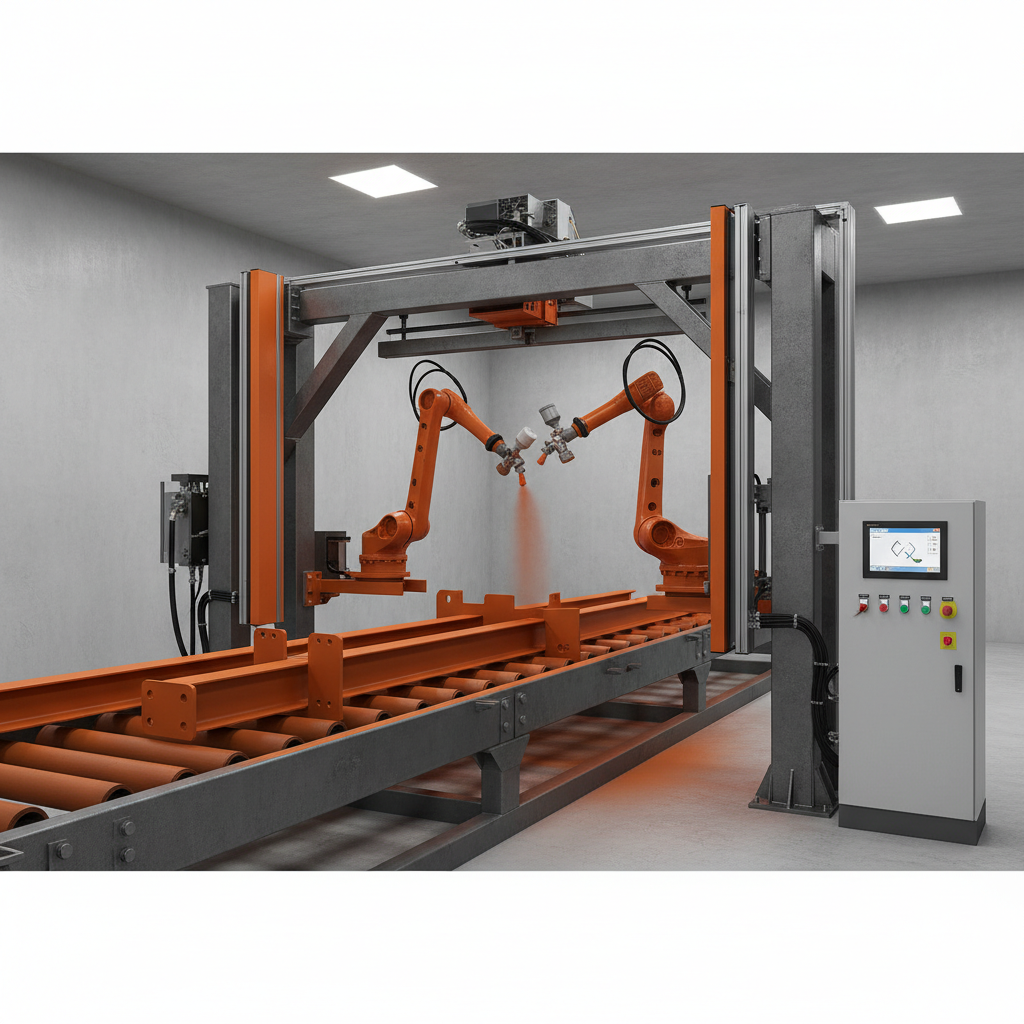
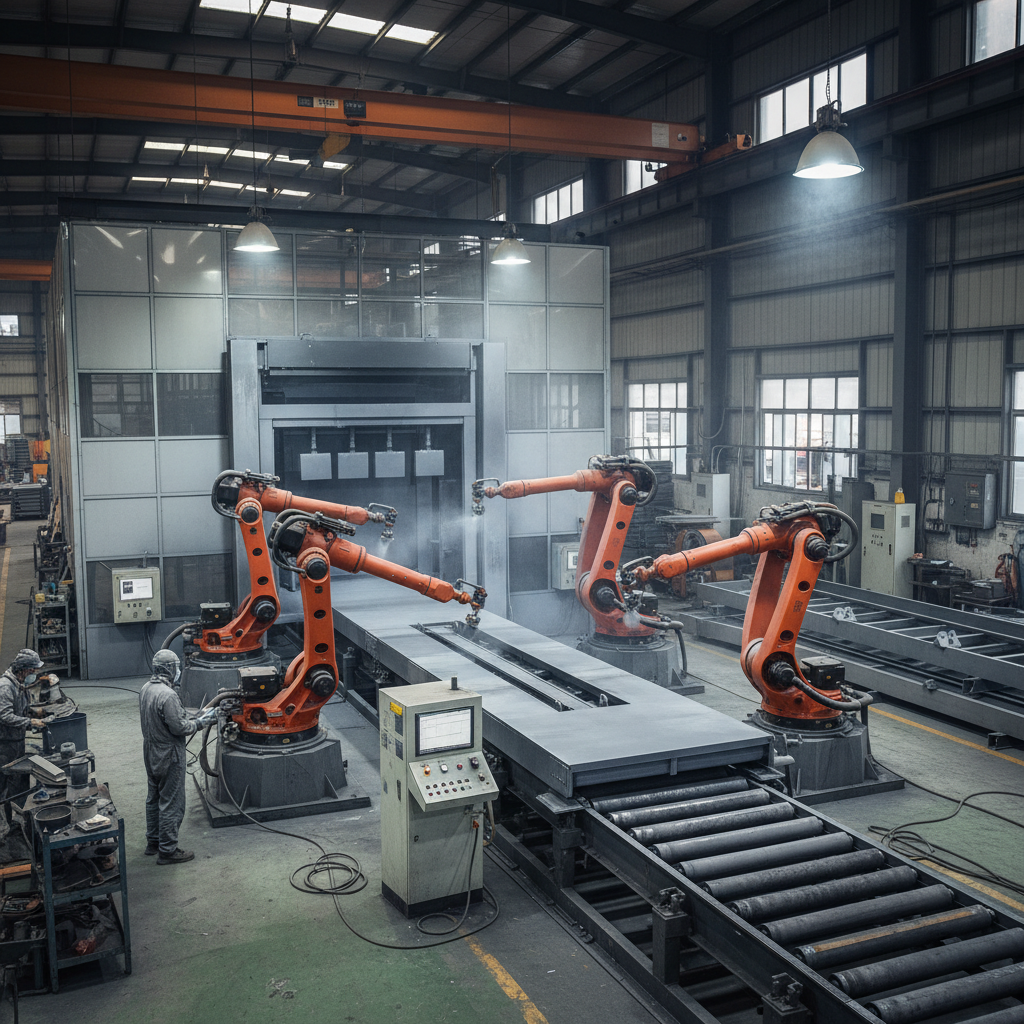
The evolution of modern construction has been significantly accelerated by the adoption of the steel wall framing system, a precision-engineered approach to structural support that replaces traditional timber with high-strength galvanized steel. This shift is not merely a change in material but a fundamental leap in how we perceive structural integrity, speed of assembly, and long-term sustainability in both residential and industrial architecture.
Globally, the demand for rapid urbanization and resilient infrastructure has pushed the steel wall framing system to the forefront of the building industry. By utilizing cold-formed steel, developers can achieve tighter tolerances and higher load-bearing capacities, ensuring that buildings are not only constructed faster but are also significantly more resistant to environmental stressors.
Understanding the intricacies of a steel wall framing system is essential for architects, engineers, and contractors who aim to reduce waste and maximize efficiency. From minimizing on-site labor costs to eliminating the risks associated with organic decay and pests, this system represents the pinnacle of industrial metalwork applied to the built environment.
Global Industry Context of Steel Wall Framing Systems
In the current global landscape, the construction industry is facing an unprecedented crisis of material scarcity and rising labor costs. Data from international building standards and industrial reports suggest that traditional wood-based framing is becoming increasingly volatile in price and quality. The steel wall framing system emerges as the primary solution to these challenges, offering a standardized, predictable, and highly scalable alternative that aligns with ISO quality management principles.
As urban density increases, particularly in Asia and North America, the need for vertical expansion and fire-resistant structures has become paramount. The industrialization of the steel wall framing system allows for off-site fabrication, which reduces construction timelines by up to 30% and significantly lowers the carbon footprint associated with on-site waste and transport.
Defining the Modern Steel Wall Framing System
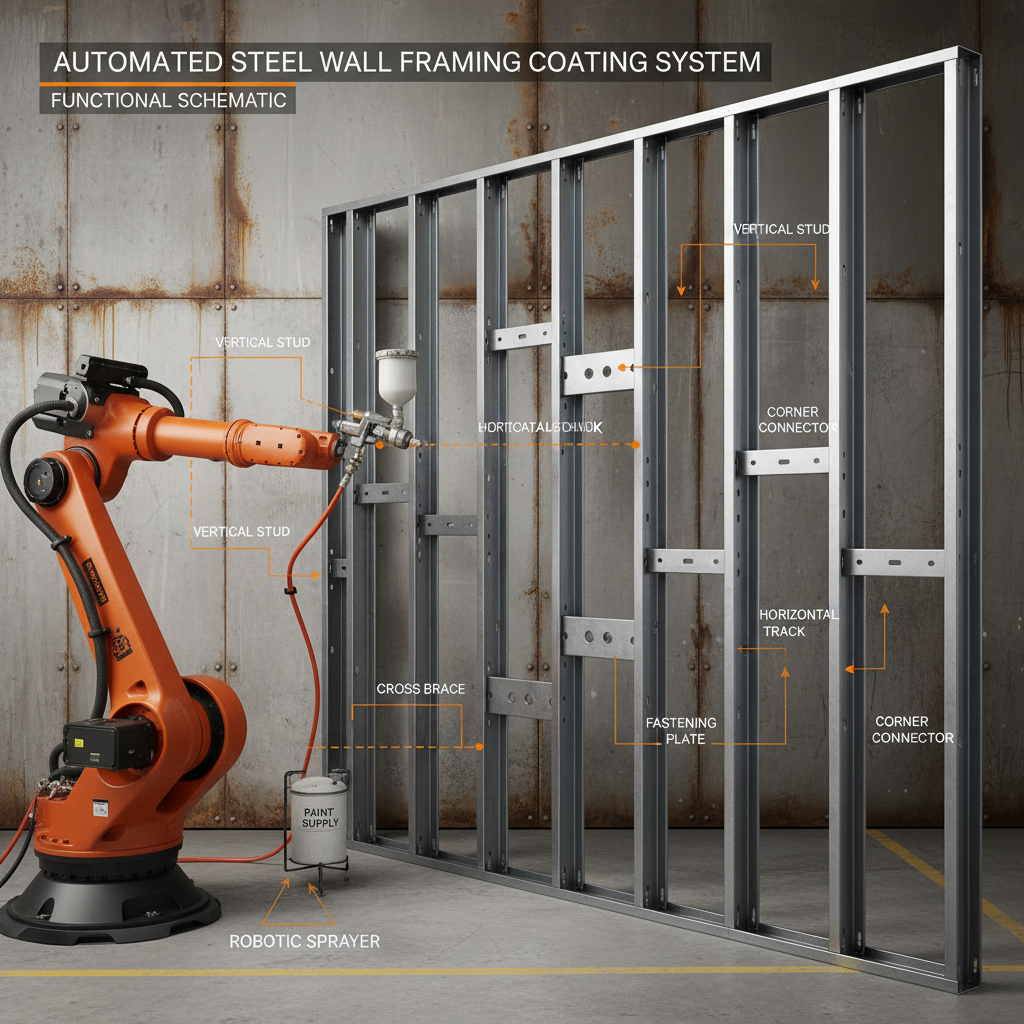
A steel wall framing system is a method of building structural walls using cold-formed steel (CFS) members. Unlike hot-rolled steel used in skyscrapers, CFS is shaped at room temperature, allowing for precise gauges and profiles that are optimized for residential and light commercial loads. This system consists of tracks (the horizontal members) and studs (the vertical members), creating a rigid skeleton that supports the building's skin and interior finishes.
Beyond the technical definition, this system represents a shift toward "Productized Construction." Instead of cutting materials to fit on a chaotic job site, a steel wall framing system relies on BIM (Building Information Modeling) to pre-calculate every screw hole and notch. This ensures that the final structure is a perfect mirror of the architectural blueprint, eliminating the "human error" factor prevalent in traditional framing.
From a humanitarian and industrial perspective, these systems are vital for rapid-deployment housing. Whether it is for emergency shelters in disaster-prone regions or modular employee housing for remote mining sites, the steel wall framing system provides a level of dignity, safety, and permanence that temporary tents or low-grade timber simply cannot match.
Core Components and Engineering Factors
The efficiency of a steel wall framing system is rooted in its material properties. High-tensile galvanized steel provides an innate resistance to corrosion, which is critical for structures located in humid or coastal environments. The strength-to-weight ratio of these components allows for thinner walls without sacrificing structural integrity, effectively increasing the usable square footage of a building.
Scalability is another core factor. Because the steel wall framing system uses standardized gauges, it is incredibly easy to scale a project from a single-story annex to a multi-story complex. Engineering calculations are streamlined because the material is homogenous—unlike wood, there are no knots, warps, or unpredictable grain patterns to account for during the load-bearing analysis.
Finally, the integration of thermal and acoustic insulation is seamless within a steel wall framing system. The void spaces created by the studs are perfectly sized for high-performance mineral wool or spray foam, ensuring that the industrial nature of the steel does not compromise the comfort of the interior environment.
Global Applications and Practical Use Cases
In real-world application, the steel wall framing system is utilized across a vast array of sectors. In the commercial sector, it is the gold standard for interior partitioning in hospitals and hotels, where fire safety regulations are stringent and the need for rapid renovation is constant. The ability to dismantle and reconfigure these walls makes the system an asset for flexible workspace design.
In remote industrial zones, such as oil rigs or mining camps, these systems are shipped as flat-pack kits. Once on-site, the steel wall framing system can be assembled by semi-skilled labor with minimal tooling, providing immediate, weather-tight housing that can withstand extreme wind loads and seismic activity.
Efficiency Analysis of Steel Wall Framing System Variants
Long-Term Value and Sustainability Benefits
The long-term value of a steel wall framing system extends far beyond the initial construction phase. Because steel is 100% recyclable, these buildings do not contribute to landfill waste at the end of their lifecycle. Furthermore, the elimination of termite damage and mold growth—common failings of timber—drastically reduces maintenance costs and increases the overall lifespan of the asset.
From an emotional and psychological perspective, the reliability of a steel wall framing system provides peace of mind to occupants. Knowing that their walls are non-combustible and structurally stable against natural disasters creates a sense of safety and trust in the infrastructure, which is particularly vital in high-risk geographical zones.
Future Innovations in Steel Framing Technology
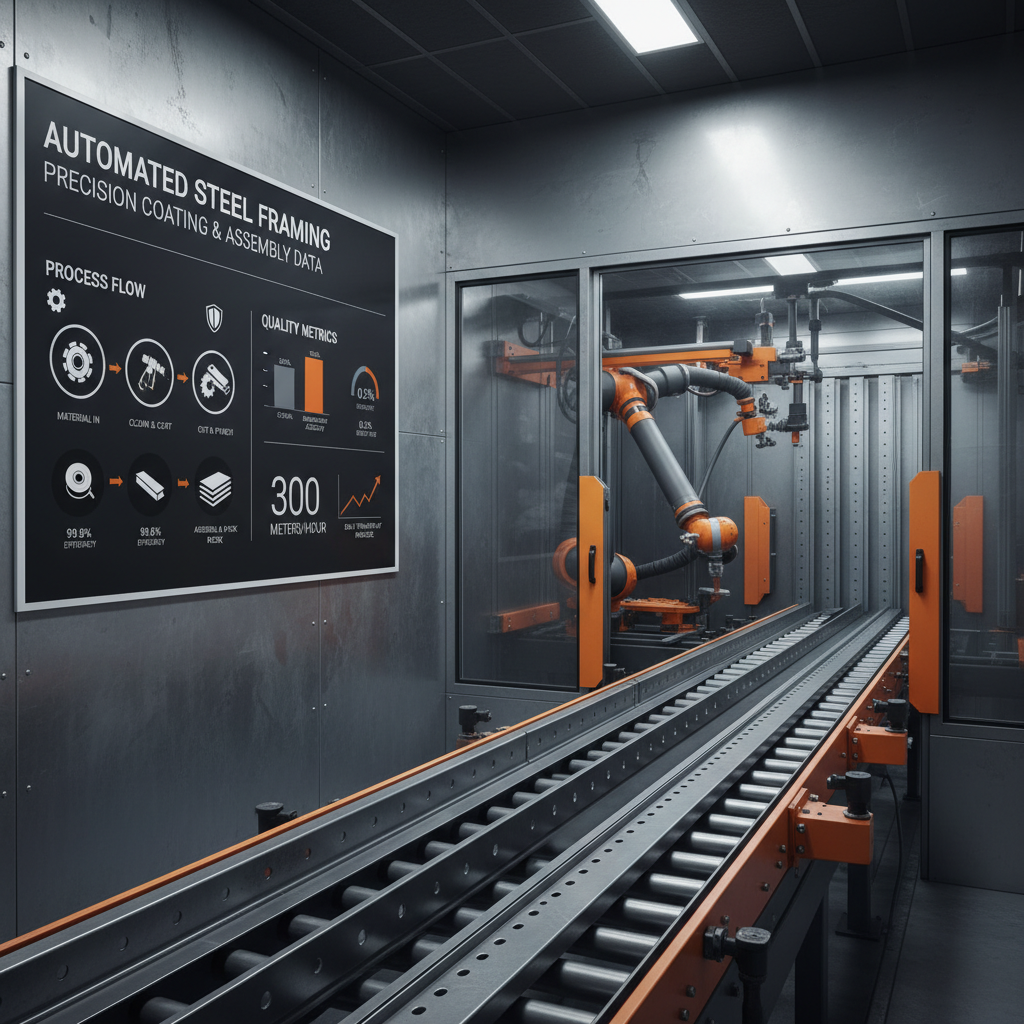
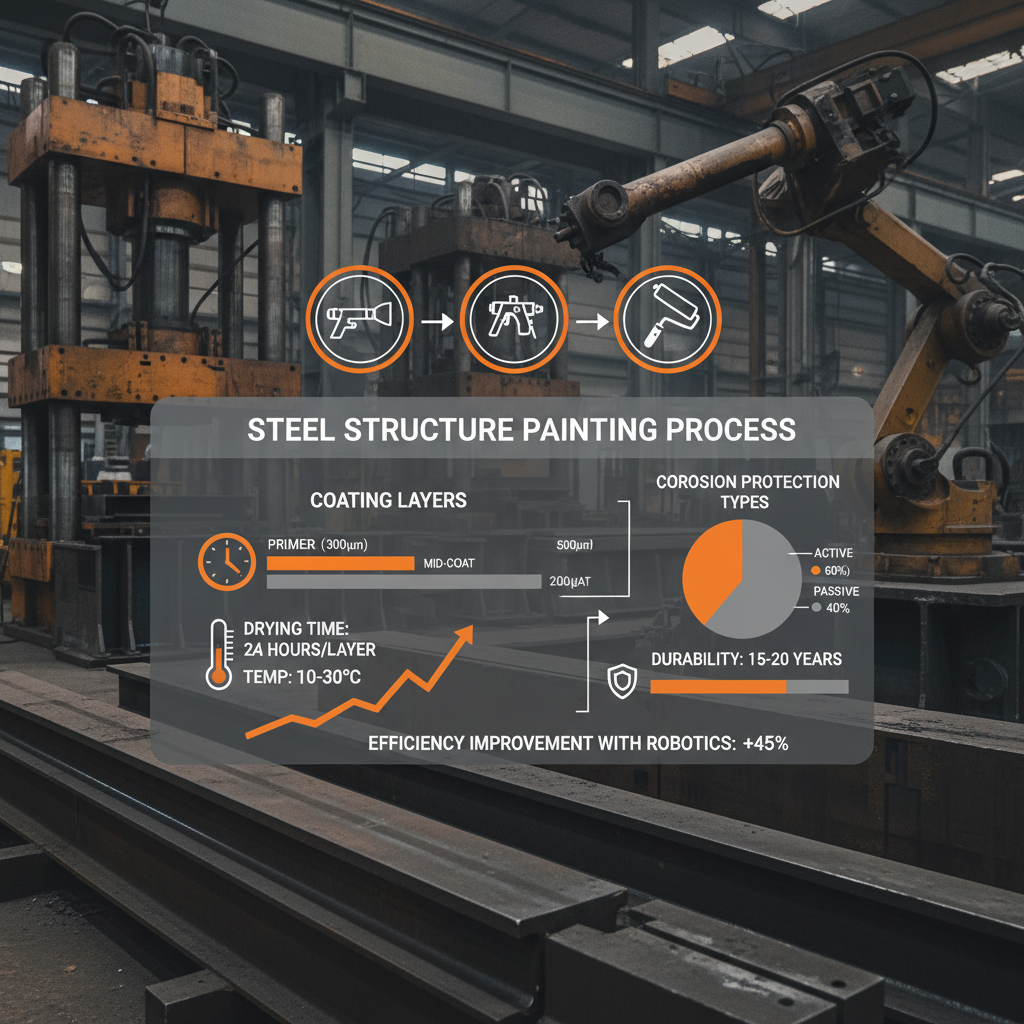
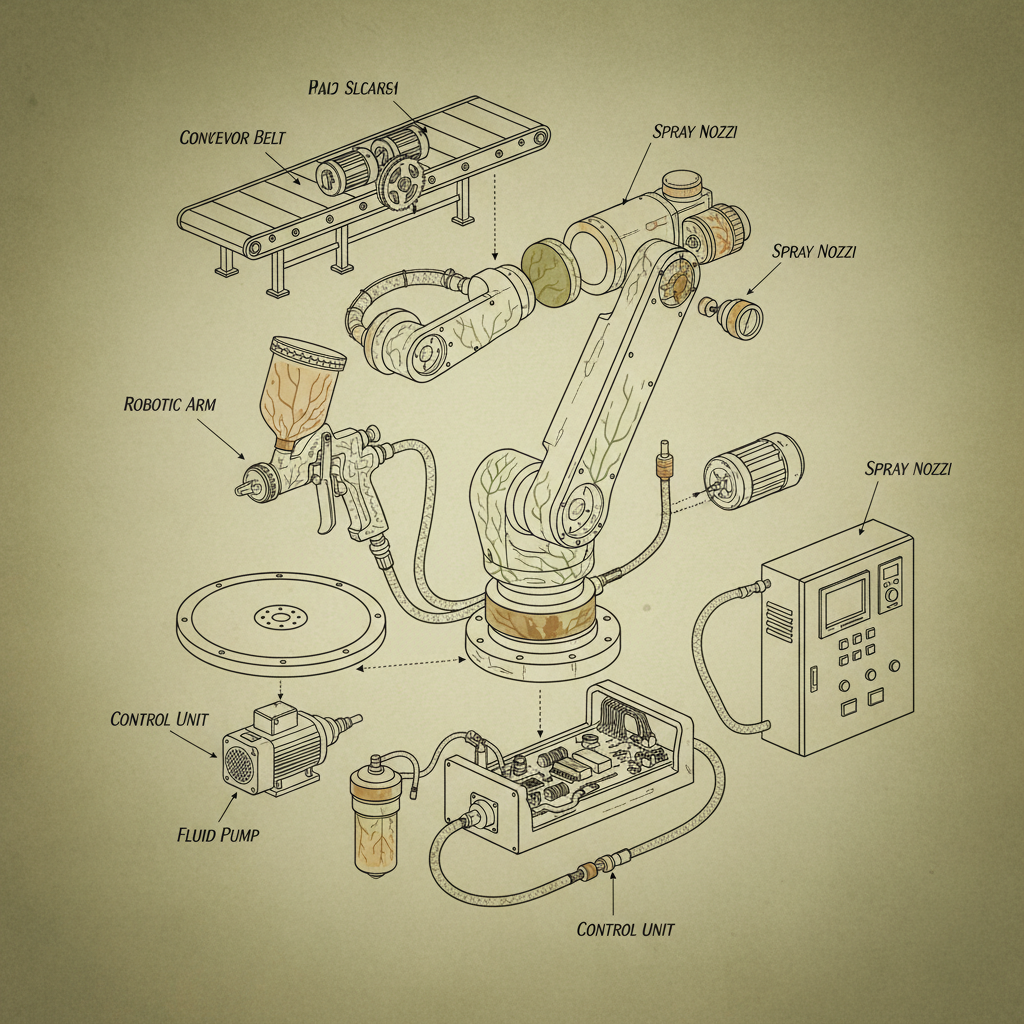
The future of the steel wall framing system is being shaped by the integration of AI and robotic automation. We are seeing the rise of automated roll-forming machines that can adjust the gauge and profile of a stud in real-time based on the stress-load requirements of a specific wall section. This "variable-strength" framing will further reduce material waste while enhancing safety.
Digital transformation is also introducing "Smart Framing," where sensors are embedded within the steel wall framing system to monitor structural health, temperature, and moisture levels. This allows building managers to perform predictive maintenance, identifying structural fatigue before it becomes a critical failure.
Additionally, the industry is moving toward green steel—steel produced using hydrogen instead of coking coal. When paired with a steel wall framing system, this will effectively decouple industrial growth from carbon emissions, making modular steel construction the most eco-friendly choice for the next century.
Overcoming Implementation Challenges
Despite its advantages, the transition to a steel wall framing system is not without challenges. One common hurdle is the "thermal bridging" effect, where steel's high conductivity can lead to heat loss. However, modern solutions like continuous exterior rigid insulation or thermal break strips have effectively neutralized this issue, ensuring high energy efficiency.
Another challenge is the perceived complexity of installation for contractors accustomed to wood. The solution lies in education and the adoption of pre-assembled panels. By shifting the complexity from the field to the factory, a steel wall framing system actually simplifies the on-site process, requiring only a basic understanding of mechanical fastening.
Finally, cost volatility in the global steel market can be a deterrent. To overcome this, forward-contracting and the use of recycled steel scrap in the manufacturing process are helping to stabilize prices, ensuring that the steel wall framing system remains a cost-effective alternative over the total lifecycle of the building.
Comparative Analysis of Steel Wall Framing System Implementation Metrics
| System Type |
Installation Speed |
Fire Resistance |
Cost Efficiency |
| Cold-Formed Standard |
High |
Excellent |
8/10 |
| Prefabricated Panel |
Very High |
Excellent |
9/10 |
| Custom Heavy Gauge |
Medium |
Superior |
6/10 |
| Rapid-Deploy Kit |
Extreme |
Good |
7/10 |
| Hybrid Steel-Wood |
Medium |
Moderate |
7/10 |
| BIM-Optimized System |
High |
Excellent |
9/10 |
FAQS
While the raw material cost of steel can sometimes be higher than timber, the total project cost is often lower. A steel wall framing system reduces labor hours significantly due to faster installation and eliminates the need for expensive chemical treatments against pests and rot. When you factor in reduced insurance premiums (due to fire resistance) and zero material warping, steel provides a higher return on investment over the building's lifecycle.
Yes, absolutely. Steel has a predictable elasticity and high strength-to-weight ratio, which allows it to absorb and distribute energy during an earthquake or high-wind event more effectively than rigid masonry or organic wood. When engineered correctly, a steel wall framing system can be tailored to meet the strictest seismic codes, making it ideal for regions like the Pacific Rim or hurricane-prone coasts.
Yes, cold-formed steel is widely used in modern residential construction. It allows for larger open-concept floor plans because steel beams and studs can span longer distances than wood without needing intermediate support columns. Additionally, homeowners benefit from a home that is naturally resistant to mold, termites, and fire, which are the primary concerns in residential longevity.
Modern steel studs come pre-punched with "knockouts"—dedicated holes that allow electrical wires and plumbing pipes to pass through without the need for drilling. This not only speeds up the installation process but also ensures that the structural integrity of the stud is not compromised by haphazard cutting, which is a common issue in traditional framing.
It is highly sustainable. Steel is one of the most recycled materials on earth, and most framing systems use a high percentage of recycled content. Furthermore, by reducing on-site waste and enabling precision manufacturing, it prevents the massive amounts of scrap typically found in timber construction. When combined with high-efficiency insulation, it creates a low-carbon, energy-efficient building envelope.
Because galvanized steel is resistant to the biological decay that affects wood, a steel wall framing system can easily last 100 years or more with minimal structural maintenance. As long as the exterior cladding is maintained to prevent direct water infiltration into the core, the steel skeleton remains inert and strong, providing a permanent solution for multi-generational infrastructure.
Conclusion
The adoption of a steel wall framing system represents a critical evolution in the construction industry, bridging the gap between industrial precision and architectural flexibility. By integrating high-strength materials with BIM technology and sustainable practices, this system solves the most pressing challenges of modern building: speed, safety, and environmental impact. From the resilience of its galvanized core to the efficiency of its rapid assembly, it is clear that steel is the foundation of the future built environment.
As we move toward a world of smarter, greener cities, the significance of modular and precision-engineered framing will only grow. We encourage developers and architects to move beyond traditional constraints and embrace the reliability of steel to create structures that are not only durable but truly sustainable. For those looking to implement these high-performance solutions in their next project, visit our website: www.yeedtech.com