Dust Collection Arm: Essential Industrial Air Extraction Solutions
Understanding the Dust Collection Arm: Essential for Industrial Air Quality
Having spent years in industrial equipment, I’ve come to appreciate tools that quietly make a huge difference on the factory floor. One often overlooked but vital component is the dust collection arm. Yes, it’s not flashy, but, frankly, without it, dust and airborne particles could wreak havoc on both equipment and operators.
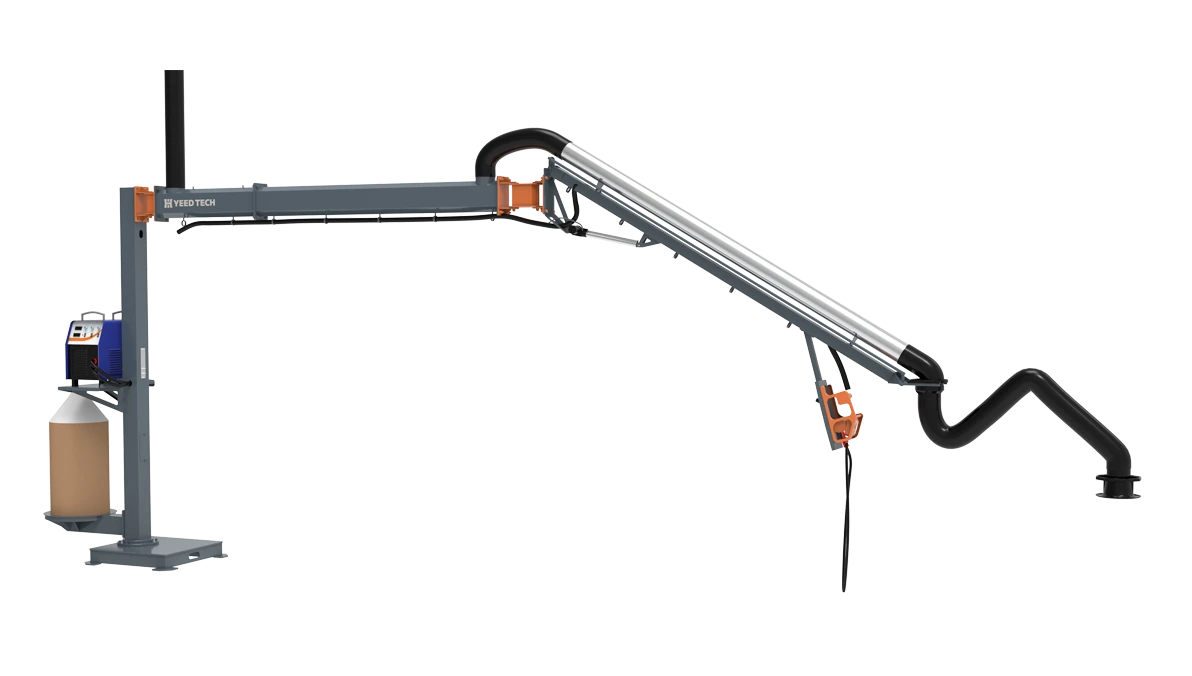
The dust collection arm is basically an articulated extraction arm designed to capture pollutants right at the source – welding smoke, grinding dust, you name it. Oddly enough, despite advances in general industrial ventilation, local extraction remains king in the fight against airborne contaminants.
From my experience, the best dust collection arms are made of high-quality materials like anodized aluminum or powder-coated steel. That ensures durability in harsh environments, and the flexibility to adjust positions easily. I remember a client who switched from plastic arms to metal ones – the difference in longevity was night and day.
Another factor worth noting is the range of customization options. You can get arms with different diameters and lengths, optimized for specific applications. Some feature smooth ball joints for effortless maneuvering, while others have integrated LED lighting for visibility in tight spots. It’s those little touches that make an operator’s day easier.
In real terms, testing dust collection arms usually involves measuring capture velocity at various distances and angles. Many manufacturers adhere to rigorous standards, which is reassuring. Still, one must weigh specs against actual shop conditions—there’s no substitute for hands-on trial.
| Parameter | Typical Range |
|---|---|
| Material | Anodized Aluminum / Powder-coated Steel |
| Arm Length | 1.5 to 3 meters |
| Diameter | 100 to 160 mm |
| Joint Type | Ball and Socket (with friction control) |
| Capture Velocity | 0.5 to 1.2 m/s at hood edge |
| Max Temperature | Up to 150°C (depends on model) |
Comparing vendors can be tricky. Some focus on cost competitiveness, others prioritize ease of maintenance or modularity. From what I’ve seen, the differences boil down to build quality, warranty terms, and availability of parts. To help clear things up, here’s a quick vendor comparison based on common industrial brands:
| Feature | Brand A | Brand B | Brand C |
|---|---|---|---|
| Material Quality | High-grade aluminum | Powder-coated steel | Anodized aluminum |
| Range of Motion | 360° swivel joints | Limited to 180° | Full articulation with friction locks |
| Warranty | 3 years | 2 years | 5 years |
| Price | $$$ | $$ | $$$ |
| Availability of Parts | Excellent | Good | Excellent |
A small anecdote: I once worked with a mid-sized fabrication shop that struggled with welding fumes settling near their stations. After installing a few adjustable dust collection arms near welding benches, the air noticeably cleared up – operators said their headaches diminished, and the dust buildup on surrounding machinery dropped by half over six months. That’s the kind of real-world impact these arms can have.
In summary, whether you’re upgrading existing extraction or designing a new facility, considering the dust collection arm specifications, build quality, and vendor support will pay dividends in operator health and equipment lifespan. It’s not glamorous, but it’s crucial… and oddly satisfying when you see it working seamlessly.
References:
- “Industrial Ventilation: A Manual of Recommended Practice,” ACGIH, 30th Edition
- “Local Exhaust Ventilation Systems and their Performance,” OSHAcademy Free Courses
- Vendor specifications and testing data from leading dust collection manufacturers
Latest News
-
Efficient automated hot air drying equipment for steel structure application
NewsApr.16,2026 -
Efficient hot air drying system for steel structure spraying line
NewsApr.09,2026 -
Optimizing Steel Structure Spraying with Hot Air Drying Technology Solutions
NewsApr.07,2026 -
HighEfficiency Hot Air Drying Painting Equipment for Superior Industrial Coatings
NewsApr.04,2026 -
Optimizing Industrial Processes with Hot Air Furnace Heating Spraying Systems
NewsMar.31,2026 -
Comprehensive Tailormade Steel Structure Spraying Solution for Enhanced Durability
NewsMar.28,2026 -
Optimizing Steel Structure Protection through Customization and Integration of Spraying System
NewsMar.26,2026