Essential Insights on Dust and Fume Extraction Systems
Understanding Dust and Fume Extraction in Industrial Workspaces
Having spent quite a few years on factory floors and industrial plants, I can say dust and fume extraction isn't just a checkbox on safety lists—it's an art and a science all rolled into one. Dust and fume extraction systems serve as the lungs of the workspace, often overlooked but absolutely vital for worker health and equipment longevity.
Oddly enough, early in my career, I didn't quite grasp the technology behind these systems. It seemed like just a fan and a filter, right? But those who’ve been in the trenches know there’s a lot more involved — from filtration media selection to airflow dynamics and noise control. Frankly, it’s pretty fascinating once you start digging into the details.
In real terms, effectively capturing hazardous particles relies on understanding the dust or fume’s nature. Is it combustible wood dust, metal fumes, or chemical aerosols? The type determines the extraction method and filtration technology used.
| Specification | Typical Range | Remarks |
|---|---|---|
| Airflow Capacity | 500 – 5,000 CFM | Depends on application size |
| Filtration Efficiency | Up to 99.99% @ 0.3 microns | HEPA or ULPA filters common |
| Noise Level | 65 – 85 dB(A) | Often a trade-off with extraction power |
| Filter Type | Cartridge, Bag, Electrostatic | Depends on particle type and volume |
| Power Consumption | 1 – 10 kW | Varies with motor size and fan type |
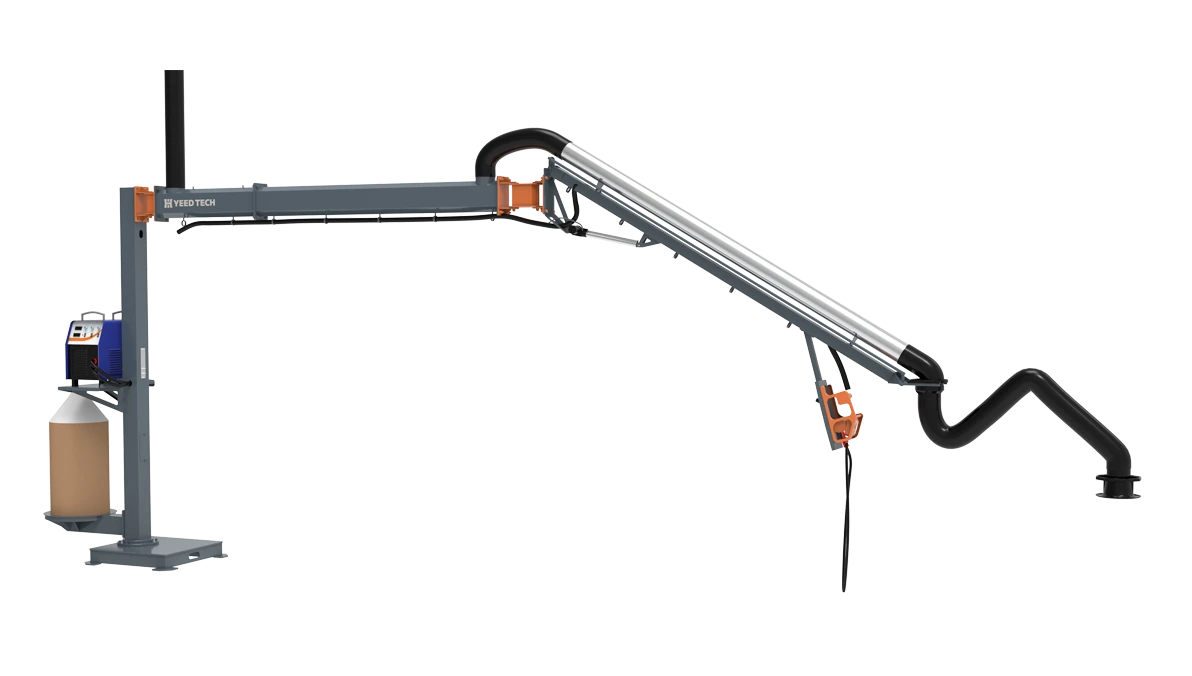
One case I often cite is a mid-sized metal fabrication shop where fumes from welding were a constant hazard. Installing a properly designed extraction system reduced airborne contaminants by more than 90%, which frankly improved not only workers’ health but also productivity — anyone who’s tried to concentrate under a heavy fume load knows what I mean.
When it comes to choosing vendors, many aspects matter beyond just price: customization capabilities, after-sales service, and integration with existing plant setups. I’ve seen companies struggle with off-the-shelf units that just don’t quite handle their unique environment.
| Vendor | Customization | Service & Support | Technology | Typical Industries |
|---|---|---|---|---|
| YeEEED | High – tailored filters & airflow | 24/7 technical support | HEPA & modular design | Metalwork, woodworking, pharma |
| FumeTech Solutions | Medium – standard models with some mods | Business hours only | Electrostatic & bag filters | Automotive, plastic molding |
| CleanAir Dynamics | Low – more off-the-shelf | Limited remote support | Basic cartridge filters | General manufacturing |
What I’ve noticed over the years is the rising emphasis on environmental impact as well. Extraction units are increasingly designed to reduce energy use and incorporate reusable or recyclable filter media. It's not just about keeping operators safe anymore; there's a green angle that can’t be ignored.
If you’re considering upgrading or installing a new system, it’s worth investing time to understand your specific dust and fume profiles and to work closely with vendors who will adapt to your plant’s unique needs rather than delivering a standard “one-size-fits-all” device. You’ll likely save headaches down the road—and frankly, money too.
In closing, dust and fume extraction systems are a cornerstone of industrial health and safety — and good ones almost feel like a silent partner on your team, always there, quietly working to keep the air clean.
A little care with your extraction solution can mean a lot in worker wellness and operational uptime—trust me, it pays off.
References:
1. Industrial Hygiene and Safety Handbook, 7th Ed.
2. OSHA Guidelines for Air Quality in Industrial Settings
3. Manufacturer technical brochures and product datasheets, 2023
Latest News
-
Efficient automated hot air drying equipment for steel structure application
NewsApr.16,2026 -
Efficient hot air drying system for steel structure spraying line
NewsApr.09,2026 -
Optimizing Steel Structure Spraying with Hot Air Drying Technology Solutions
NewsApr.07,2026 -
HighEfficiency Hot Air Drying Painting Equipment for Superior Industrial Coatings
NewsApr.04,2026 -
Optimizing Industrial Processes with Hot Air Furnace Heating Spraying Systems
NewsMar.31,2026 -
Comprehensive Tailormade Steel Structure Spraying Solution for Enhanced Durability
NewsMar.28,2026 -
Optimizing Steel Structure Protection through Customization and Integration of Spraying System
NewsMar.26,2026