Optimizing Industrial Processes with Hot Air Furnace Heating Spraying Systems
Understanding the Efficiency of Hot Air Furnace Heating Spraying Systems
In the realm of industrial heating and coating applications, the demand for efficiency, precision, and reliability is paramount. Hot air furnace heating spraying systems have emerged as a crucial technology, offering significant advantages over traditional methods. These systems are designed to provide uniform heating and precise coating application, leading to improved product quality and reduced operational costs. This article will delve into the components, benefits, applications, and advancements of these systems, providing a comprehensive guide for industries seeking to optimize their processes. Choosing the right system is an investment in efficiency and quality control.
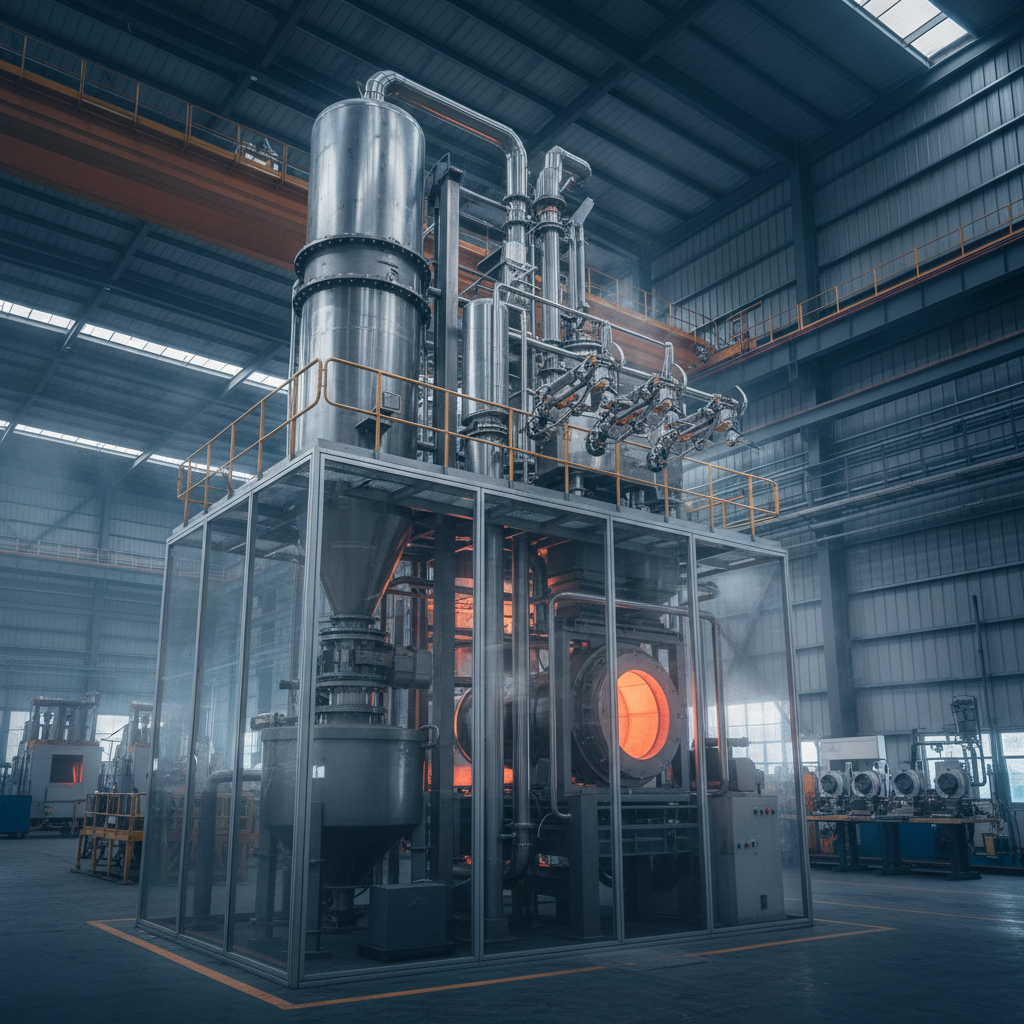
Core Components of a Hot Air Furnace Heating Spraying System
A typical hot air furnace heating spraying system consists of several key components working in synergy. These include the hot air furnace, which generates the heated air; the spraying nozzles, responsible for atomizing and distributing the coating material; the air distribution system, ensuring even airflow; the control system, managing temperature and spray parameters; and the exhaust system, removing fumes and volatile organic compounds (VOCs). The quality and integration of these components are critical to the system’s overall performance. Advanced systems may also incorporate features like automatic cleaning and monitoring capabilities. Understanding these components allows for informed maintenance and troubleshooting, maximizing system lifespan and efficiency.
Key Components: Hot air furnace, spraying nozzles, air distribution system, control system, exhaust system.
Benefits of Utilizing Hot Air Furnace Heating Spraying Systems
Employing a hot air furnace heating spraying system delivers a multitude of benefits. Firstly, the uniform heating ensures consistent coating adhesion and quality. Secondly, the precise control over spray parameters minimizes material waste and improves efficiency. Thirdly, the enclosed system reduces VOC emissions, promoting environmental sustainability. Fourthly, it enhances safety by minimizing operator exposure to hazardous materials. Furthermore, these systems offer increased production speeds and reduced curing times, contributing to significant cost savings. The ability to tailor the process to specific material requirements is a key advantage, unlocking flexibility and maximizing operational potential.
Key Benefits:
• Uniform heating for consistent coating
• Reduced material waste
• Lower VOC emissions
• Enhanced safety
Hot Air Furnace Heating Spraying Systems: Applications Across Industries
The versatility of hot air furnace heating spraying systems makes them applicable to a diverse range of industries. In the automotive sector, they are crucial for applying paints and protective coatings to vehicle bodies. The aerospace industry utilizes these systems for specialized coatings on aircraft components. The furniture industry relies on them for applying finishes to wood and metal surfaces. Furthermore, they find applications in the manufacturing of appliances, electronics, and industrial equipment. The adaptability of these systems allows them to handle various coating types, including paints, powders, and adhesives, catering to the specific needs of each industry.
Hot Air vs. Other Heating Methods for Spraying: A Comparative Analysis
When choosing a heating method for spraying applications, several options exist, including gas-fired heaters, electric heaters, and hot air furnaces. Gas-fired heaters can provide high heat output but may pose safety risks and environmental concerns. Electric heaters offer precise temperature control but can be energy-intensive and costly. Hot air furnace heating systems strike a balance, offering efficient heating, precise control, and reduced emissions. They are particularly well-suited for applications requiring large volumes of heated air and uniform temperature distribution.
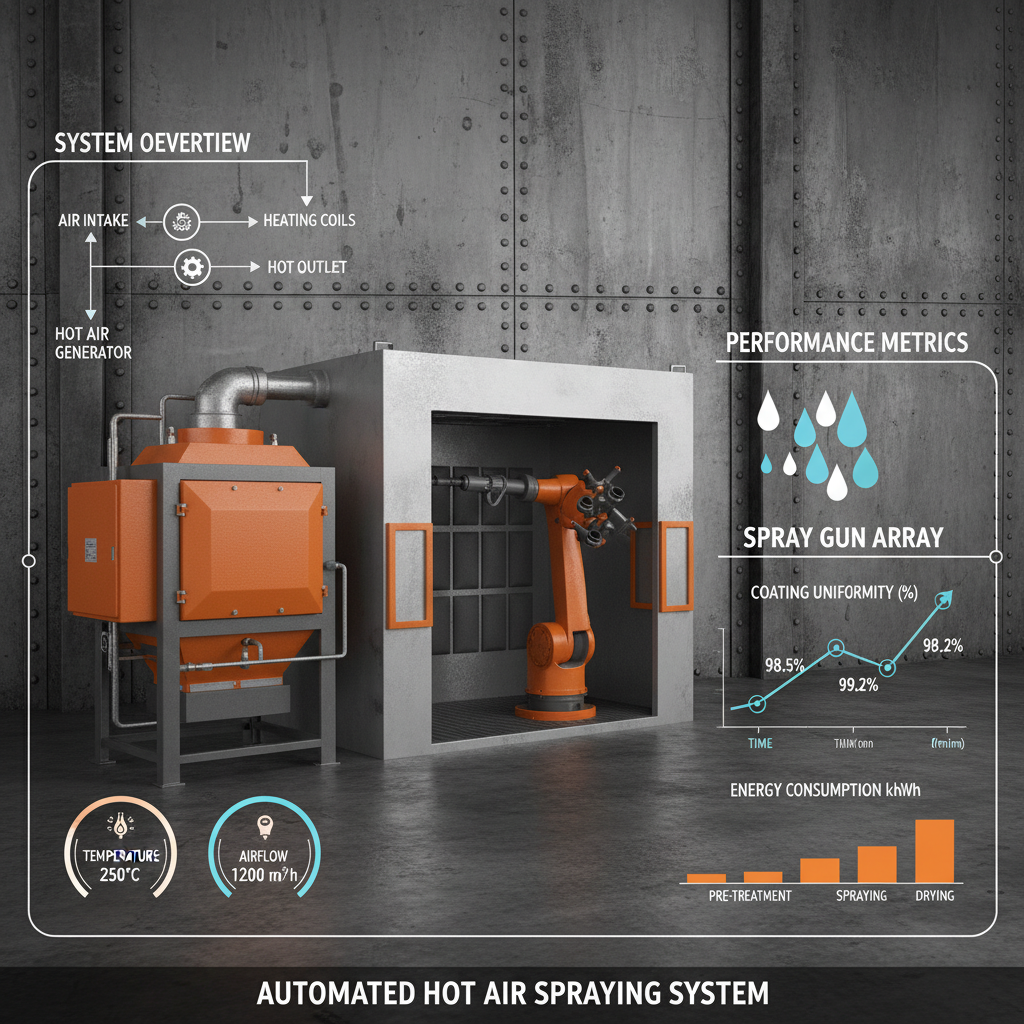
Future Trends and Advancements in Hot Air Furnace Heating Spraying Systems
The field of hot air furnace heating spraying systems is continually evolving with advancements in technology. Current trends include the integration of smart sensors and data analytics for real-time monitoring and process optimization. The development of more energy-efficient furnace designs and the use of renewable energy sources are also gaining traction. Furthermore, the increasing demand for automation and robotics is driving the development of fully automated spraying systems. These advancements aim to enhance efficiency, reduce costs, and improve the sustainability of these systems.
Conclusion: Optimizing Industrial Processes with Hot Air Technology
Investing in a hot air furnace heating spraying system from Yeeeed represents a strategic move towards enhanced efficiency, superior product quality, and environmental responsibility. These systems offer a compelling solution for a wide range of industrial applications, providing precise control, reduced waste, and improved safety. By embracing these technologies, businesses can position themselves for sustained success in a competitive market.
Frequently Asked Questions (FAQs)
What are the maintenance requirements for a hot air furnace heating spraying system?
Regular maintenance is crucial for ensuring the optimal performance and longevity of your system. This includes periodic inspection and cleaning of the furnace, nozzles, and air distribution system. Filter replacements are essential to maintain airflow efficiency. The control system should be checked for proper calibration. It's recommended to establish a scheduled maintenance program based on the manufacturer's guidelines and the system's operating conditions. Failure to perform routine maintenance can lead to reduced efficiency, increased downtime, and potential safety hazards. Contacting a qualified technician for annual inspections and servicing is also advisable.
What types of coating materials are compatible with these systems?
Hot air furnace heating spraying systems are versatile and can accommodate a wide range of coating materials. This includes solvent-based paints, water-based paints, powder coatings, and various adhesives. The specific compatibility depends on the nozzle type, heating temperature, and airflow rate. It's important to consult the coating manufacturer's recommendations and conduct compatibility tests to ensure optimal results. Proper ventilation and exhaust systems are also essential when working with solvent-based coatings to maintain a safe and healthy work environment.
How does the control system enhance the efficiency of the spraying process?
The control system is the brain of the hot air furnace heating spraying system, providing precise control over key parameters such as temperature, airflow, and spray pressure. This enables operators to optimize the spraying process for specific materials and applications. The control system can automatically adjust settings to maintain consistent coating quality and minimize material waste. Advanced systems may also incorporate feedback loops and data logging capabilities for continuous improvement and process monitoring. Furthermore, automated features can reduce operator fatigue and improve overall productivity.
What safety measures should be in place when operating these systems?
Safety is paramount when operating hot air furnace heating spraying systems. Essential safety measures include wearing appropriate personal protective equipment (PPE) such as respirators, gloves, and eye protection. Ensuring adequate ventilation and utilizing a robust exhaust system are crucial for removing fumes and VOCs. Regular inspections of the system for leaks or malfunctions are also necessary. Training personnel on safe operating procedures and emergency shutdown protocols is vital. Following all relevant safety regulations and guidelines is essential to prevent accidents and maintain a safe work environment.
Latest News
-
Efficient automated hot air drying equipment for steel structure application
NewsApr.16,2026 -
Efficient hot air drying system for steel structure spraying line
NewsApr.09,2026 -
Optimizing Steel Structure Spraying with Hot Air Drying Technology Solutions
NewsApr.07,2026 -
HighEfficiency Hot Air Drying Painting Equipment for Superior Industrial Coatings
NewsApr.04,2026 -
Comprehensive Tailormade Steel Structure Spraying Solution for Enhanced Durability
NewsMar.28,2026 -
Optimizing Steel Structure Protection through Customization and Integration of Spraying System
NewsMar.26,2026 -
Comprehensive Customized Steel Structure Spraying Equipment Solution for Superior Coating
NewsMar.24,2026