Comprehensive Steel Structure Spraying Paint Quality Control System Guide
Steel Structure Spraying Paint Quality Control System: A Comprehensive Guide
Maintaining the highest standards of quality in steel structure spraying paint is crucial for longevity, safety, and aesthetic appeal. A robust steel structure spraying paint quality control system is essential to achieve consistent results and minimize defects. This article will delve into the key components of such a system, covering inspection procedures, testing methods, and best practices. We'll explore how to ensure your steel structures are protected against corrosion and weathering, delivering lasting value.
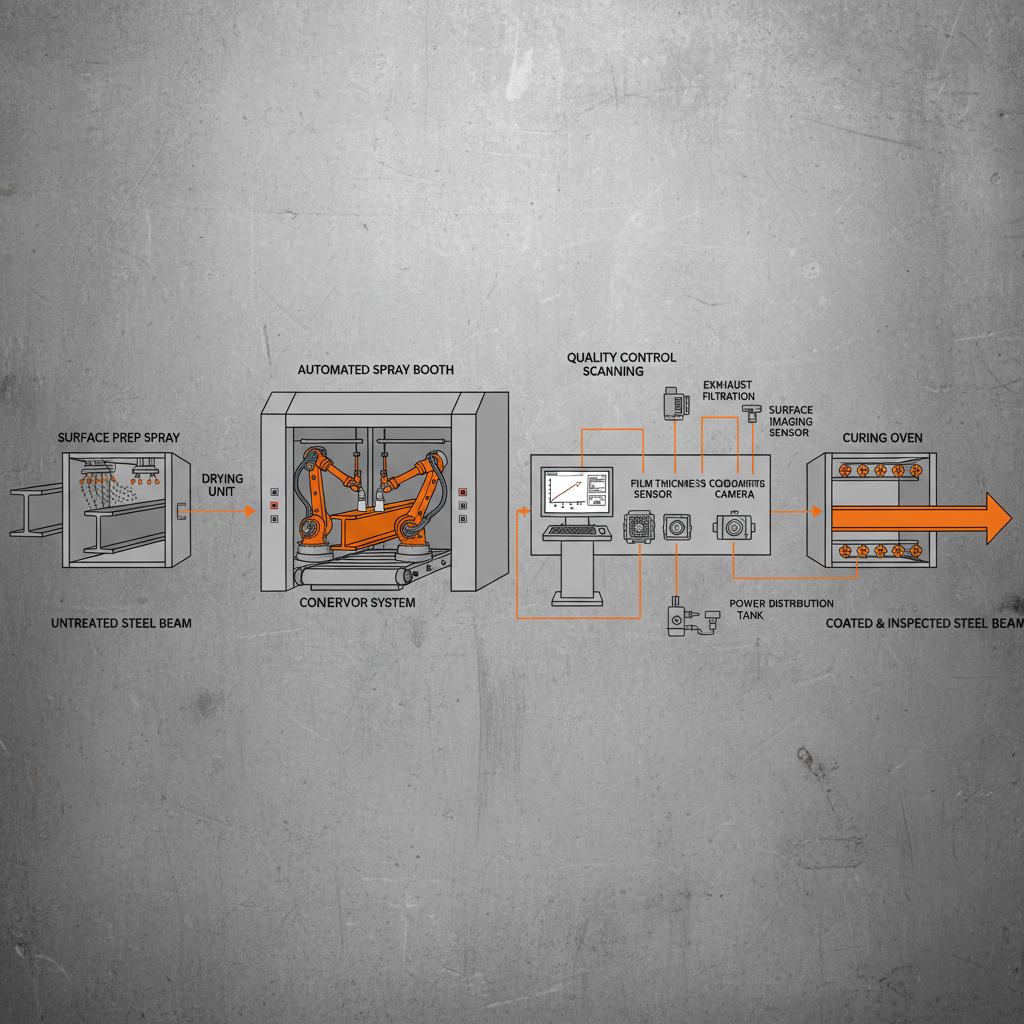
Understanding the Importance of Quality Control
Effective quality control isn’t simply about identifying flaws; it’s about preventing them. For steel structures, the paint coating serves as the primary defense against environmental factors like corrosion, UV radiation, and abrasion. A defective coating can lead to structural weakening, costly repairs, and even safety hazards. A well-defined quality control system ensures adherence to specifications, optimizes material usage, and reduces rework. It builds trust with clients and strengthens your reputation for delivering durable, reliable structures.
Key Benefits: Reduced rework, Enhanced durability, Improved aesthetics, Increased client satisfaction, Minimization of long-term costs.
Key Stages in a Steel Structure Spraying Paint Quality Control System
A comprehensive quality control system encompasses several stages, from pre-treatment inspection to final coating evaluation. These stages include surface preparation verification, paint mixing and application monitoring, and post-application inspection. Each stage requires specific procedures and tools to ensure compliance with industry standards and project specifications. Proactive monitoring at each step is crucial for identifying and addressing potential issues before they escalate into costly problems.
Surface Preparation: The Foundation of a Lasting Coating
Proper surface preparation is arguably the most critical step in achieving a durable paint coating. It ensures adequate adhesion and prevents premature failure. Inspection criteria include cleanliness (removal of rust, scale, oil, and contaminants), surface profile (roughness level achieved through blasting or grinding), and adherence to specified standards like SSPC (Society for Protective Coatings). Utilizing calibrated instruments like surface profile gauges and adhesion testers is vital for objective evaluation.
Surface Preparation Checks:
• Visual inspection for remaining contaminants
• Surface profile measurement using a calibrated gauge
• Adhesion testing (pull-off test)
• Chloride contamination testing
Paint Mixing and Application Monitoring: Ensuring Consistency
Precise paint mixing and controlled application are paramount for consistent coating performance. This involves verifying the correct proportions of paint components, ensuring thorough mixing, and monitoring application parameters like film thickness, humidity, and temperature. Regular calibration of spray equipment is crucial for maintaining consistent output. Technicians should be trained and certified in proper application techniques, and records should be meticulously maintained for traceability.
Final Coating Inspection: Verifying Performance
The final inspection stage verifies that the applied coating meets all specified requirements. This includes visual inspection for defects like runs, sags, blisters, and pinholes, as well as non-destructive testing (NDT) methods like holiday detection to identify pinholes or areas of insufficient coating thickness. Adhesion testing, gloss measurements, and color checks are also crucial. A detailed inspection report should document all findings and corrective actions taken.

Conclusion: Implementing a Robust Quality Control System
A comprehensive steel structure spraying paint quality control system is not merely a procedural formality, but a vital investment in the longevity, safety, and aesthetic appeal of your structures. By consistently implementing and refining these practices, you can ensure superior coating performance, minimize costly repairs, and build a reputation for delivering exceptional quality. Yeeeed provides solutions and expertise to support your quality control efforts.
Frequently Asked Questions (FAQs)
What are the key industry standards for steel structure painting?
Several industry standards guide steel structure painting and quality control. The most prominent include SSPC (Society for Protective Coatings) standards for surface preparation, coating application, and inspection. ISO 12944 provides comprehensive guidelines for corrosion protection of steel structures. NACE International also offers valuable standards and certifications related to corrosion control. Adherence to these standards ensures best practices and compliance with regulatory requirements.
How often should coating thickness be checked during application?
Coating thickness should be checked frequently throughout the application process, ideally after each coat. The frequency depends on the application method and project specifications, but generally, measurements should be taken at multiple points for each section being coated. This allows for early detection of any deviations from the specified thickness and enables corrective action to be taken promptly. Records of these measurements should be meticulously maintained.
What is “holiday detection” and why is it important?
Holiday detection, also known as pinhole testing, is a non-destructive testing method used to identify defects in a coating, such as pinholes or voids, that could compromise its protective properties. A high-voltage detector is used to scan the coated surface; if a holiday is present, the detector will indicate a break in the coating's electrical continuity. It’s important because even small holidays can allow moisture and corrosive elements to reach the steel substrate, leading to corrosion.
What training is required for quality control inspectors?
Quality control inspectors should receive comprehensive training in coating application techniques, inspection methods, and relevant industry standards (SSPC, ISO, NACE). Certification from recognized organizations, such as NACE or SSPC, is highly valuable and demonstrates competence. Training should cover visual inspection, NDT methods, coating thickness measurement, adhesion testing, and proper documentation procedures. Ongoing training and refresher courses are essential to stay updated on best practices and new technologies.
Latest News
-
Efficient automated hot air drying equipment for steel structure application
NewsApr.16,2026 -
Efficient hot air drying system for steel structure spraying line
NewsApr.09,2026 -
Optimizing Steel Structure Spraying with Hot Air Drying Technology Solutions
NewsApr.07,2026 -
HighEfficiency Hot Air Drying Painting Equipment for Superior Industrial Coatings
NewsApr.04,2026 -
Optimizing Industrial Processes with Hot Air Furnace Heating Spraying Systems
NewsMar.31,2026 -
Comprehensive Tailormade Steel Structure Spraying Solution for Enhanced Durability
NewsMar.28,2026 -
Optimizing Steel Structure Protection through Customization and Integration of Spraying System
NewsMar.26,2026