Comprehensive Guide to Column Boom Welding Machines: Features, Applications & Benefits
Understanding the Column Boom Welding Machine: A Key Player in Industrial Fabrication
When it comes to industrial welding and heavy fabrication, the column boom welding machine stands out as a pivotal tool. But why exactly does this machine garner attention across industries and continents? Well, in a world craving efficiency, safety, and precision—especially within infrastructure and shipbuilding—understanding how the column boom welding machine fits into this picture is crucial. It streamlines welding processes, tackles complex structural challenges, and ultimately shapes the backbone of many industrial projects.
Global Relevance of the Column Boom Welding Machine
Industry watchers and organizations alike recognize the massive scale of infrastructure growth worldwide. According to the United Nations, global urbanization demands enormous expansion in construction and manufacturing, sectors where welding is indispensable. The column boom welding machine answers problems like accessibility to hard-to-reach joints and repetitive labor intensity, which conventional methods struggle to solve efficiently. Not only does it bring consistency, but it also dramatically improves worker safety — a global concern echoed by bodies such as the International Labour Organization (ILO).
Odds are, many of the towering bridges, massive storage tanks, and large offshore platforms you’ve seen in industrial hubs or documentaries involved this machine in their build process—for good reasons that will unfold shortly.
What Is a Column Boom Welding Machine?
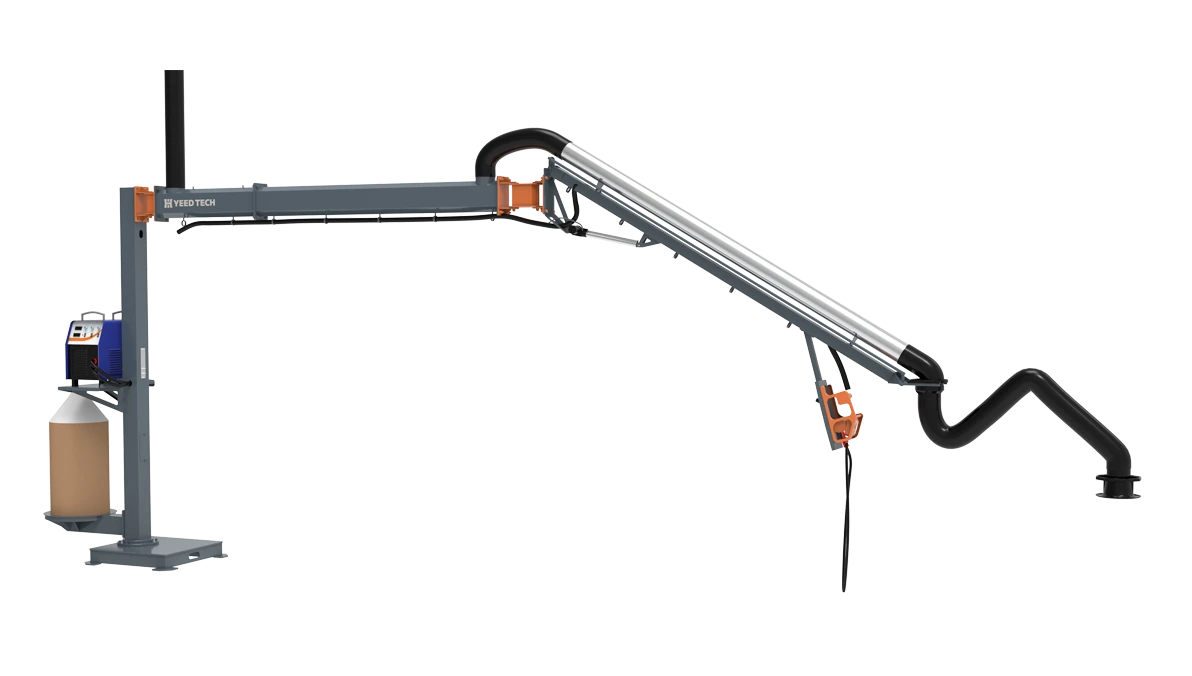
Simply put, a column boom welding machine is a mechanized system designed to assist welders by positioning the weld head precisely and stably over a workpiece. Picture a hefty arm (the boom) mounted on a vertical column, where it can rotate and extend to reach various points of large metal structures. By automating movement and providing reliable control, it reduces human fatigue and improves weld consistency.
In modern industry—think shipyards, petrochemical plants, or even humanitarian infrastructure projects in remote areas—this machine is vital for assembling heavy plates or cylindrical tanks that are difficult to weld by hand. The term might sound technical, but at its core, it’s about precision with power blended in.
Key Components and Factors of Column Boom Welding Machines
1. Durability and Build Quality
These machines generally operate in harsh environments, from dusty outdoor shipyards to indoor fabrication shops. Robust design, corrosion-resistant materials, and industrial-grade weld heads ensure long service life, often spanning decades.
2. Range of Motion and Reach
The boom's horizontal arm, capable of extending several meters and swiveling smoothly, is engineered to access complex angles. This flexibility lets operators tackle sections that are otherwise time-consuming or inaccessible.
3. Power Supply and Welding Modes
Multiple machines support various welding processes—MIG, TIG, submerged arc welding—depending on the material and application. Efficient power use and compatibility with modern inverters ensure stability.
4. Automation & Control Features
Advanced models sport computerized controls, programmable weld sequences, and digital readouts. Frankly, this makes the welding process smoother and reduces human error.
5. Cost Efficiency
Initially a significant investment, these machines pay back via higher throughput, less rework, and improved safety records, ultimately lowering overall costs.
Product Specifications at a Glance
| Specification | Typical Value | Notes |
|---|---|---|
| Boom Length | 5–15 meters | Varies by model and application |
| Load Capacity | Up to 1,500 kg | Supports heavy welding heads and accessories |
| Welding Processes | MIG, TIG, SAW | Adaptable to different materials |
| Control System | Manual / Semi-automatic / Fully automated | Depends on sophistication |
| Power Supply | 220–480 V (3-phase) | Energy-efficient inverter compatible |
Global Applications & Practical Use Cases
- Shipbuilding and Marine Industry: Welding the massive hull plates of container ships requires reach and steady control that column boom welders provide.
- Tank and Pressure Vessel Manufacturing: Oil refineries and chemical plants rely on these machines to assemble large storage tanks conforming to safety standards.
- Bridge and Infrastructure Projects: In civil engineering, tough-to-access weld points on steel bridges are served well by this technology.
- Remote Industrial Zones: Oddly enough, even off-grid mining operations or pipeline construction sites leverage column boom welders for their robustness and adaptability.
One example I like to recount was a shipyard in South Korea integrating column boom machines which reduced worker fatigue and improved welding accuracy by 30%. Local engineers noted significant economic gains, underscoring the machine’s global industrial footprint.
Why Choose Column Boom Welding Machines? Advantages & Long-Term Value
Let’s face it: welding, especially on large-scale projects, can be risky and tiring. These machines mitigate such issues by ensuring a stable weld path, reducing operator strain, and enabling precise, repeatable movements. Not only does this improve reliability, but it also enhances safety—a huge plus in compliance-conscious industries.
From an economic viewpoint, investing in these machines turns out to be cost-saving. Less rework, fewer defects, and higher throughput make a compelling case. Socially, improved working conditions uplift worker satisfaction and safety records. You can even read about industry initiatives emphasizing automation to meet sustainability and labor welfare goals, reflecting trust and innovation.
Vendor Comparison: Leading Column Boom Welding Machines
| Vendor | Max Boom Length | Automation Level | Price Range (USD) | Ideal Use Case |
|---|---|---|---|---|
| WeldMate | 12 m | Semi-automatic | 50,000 – 75,000 | Medium-large fabrication plants |
| BoomTech Pro | 15 m | Fully automated | 85,000 – 120,000 | Large-scale, high-precision projects |
| SteelPro Series | 8 m | Manual to semi-automatic | 35,000 – 55,000 | Small workshops and repair sites |
Future Trends & Innovations in Column Boom Welding Machines
The welding industry is not standing still. Integration of AI for predictive maintenance, IoT-enabled monitoring, and green energy-powered welders are hot topics. Automated path planning and robotics will likely improve weld quality further while reducing labor dependency.
There’s also a growing emphasis on sustainability—reducing energy consumption and raw material waste during welding cycles. New composite materials for machine parts could decrease weight and increase lifespan. Honestly, it feels like we’re just scratching the surface of what’s possible.
Challenges & Solutions
Like any tech, column boom welding machines face hurdles: high initial costs, maintenance complexity, and operator training needs. In some developing regions, lack of infrastructure complicates machine deployment.
Smart leasing models, modular designs, and remote support services are emerging solutions. Plus, partnerships between manufacturers and technical schools help build skilled labor pools.
FAQ About Column Boom Welding Machines
- Q1: How does a column boom welding machine improve safety compared to manual welding?
- A1: By automating weld head movement and stabilizing the arm, these machines minimize direct operator contact with hot surfaces and fumes, reducing fatigue and injury risk. Controlled precision also prevents weld defects that could cause future failures.
- Q2: Can column boom welding machines be used outdoors in harsh environments?
- A2: Yes, most models are built with weather-resistant components and are designed to operate in typical industrial outdoor settings, including shipyards and construction sites, though extreme conditions might require customizations.
- Q3: What is the typical maintenance schedule for these machines?
- A3: Routine inspections, lubrication, and calibration are recommended monthly or quarterly, depending on usage intensity, with comprehensive servicing annually. Modern machines with IoT can alert users before faults occur.
- Q4: Are there financing options for purchasing column boom welding equipment?
- A4: Many vendors offer leasing, financing, or lease-to-own programs, making it easier for small and medium enterprises to access advanced welding equipment without heavy upfront costs.
Conclusion
In real terms, the column boom welding machine represents a leap forward in welding technology—a fusion of precision, power, and safety that addresses many industrial challenges globally. Whether you're building monumental infrastructure or maintaining remote facilities, its benefits stretch beyond cost savings to include improved worker welfare and product quality. If your projects demand quality and durability, it’s definitely worth exploring this tech.
For more details or a personalized consultation, visit our website and discover how the right column boom welding machine can transform your operations.
In short, embracing this technology isn’t just a smart industrial choice—it’s stepping into the future of reliable and responsible fabrication.
References:
1. United Nations, World Urbanization Prospects, 2018.
2. International Labour Organization (ILO) – Safety and Health at Work.
3. ISO 15614-1: Specification and qualification of welding procedures.
Latest News
-
Efficient automated hot air drying equipment for steel structure application
NewsApr.16,2026 -
Efficient hot air drying system for steel structure spraying line
NewsApr.09,2026 -
Optimizing Steel Structure Spraying with Hot Air Drying Technology Solutions
NewsApr.07,2026 -
HighEfficiency Hot Air Drying Painting Equipment for Superior Industrial Coatings
NewsApr.04,2026 -
Optimizing Industrial Processes with Hot Air Furnace Heating Spraying Systems
NewsMar.31,2026 -
Comprehensive Tailormade Steel Structure Spraying Solution for Enhanced Durability
NewsMar.28,2026 -
Optimizing Steel Structure Protection through Customization and Integration of Spraying System
NewsMar.26,2026