Weather Resistance Requirements for Outdoor Steel Structure Painting
The longevity and structural integrity of any outdoor steel edifice—from bridges and stadiums to industrial frameworks and transmission towers—are fundamentally tied to one critical process: the application of a protective coating system. Steel structure painting is not merely an aesthetic consideration; it is the primary defense against relentless environmental assault. For manufacturers and fabricators, achieving a coating that can withstand decades of ultraviolet radiation, moisture, temperature fluctuations, and chemical pollutants is a paramount objective. This demand for durability directly shapes the specifications for the structural coating materials used and the precision required in the painting structural steelwork process. As an industry leader in automation, Yeed Tech Co., Ltd. develops intelligent solutions that directly address these stringent weather resistance requirements, ensuring that the final painted product meets the highest standards of protection and performance.
Understanding the Environmental Assault of Structural Coating on Exterior Steel
- Moisture and Corrosion:Water, in all forms (rain, humidity, condensation), is the chief enemy of steel, initiating electrochemical corrosion. An effective coating must form an impermeable barrier.
- Ultraviolet (UV) Degradation:Constant exposure to sunlight breaks down the chemical bonds in many paints, causing chalking, fading, and loss of gloss, which can compromise the coating's barrier properties.
- Thermal Cycling:Daily and seasonal expansion and contraction of the steel substrate can stress the coating film. A lack of flexibility can lead to cracking, allowing moisture to reach the steel surface.
- Chemical and Atmospheric Pollutants:Industrial fallout, salt spray in coastal areas, and acid rain can aggressively degrade coating films, accelerating corrosion.
- Abrasion and Physical Damage:While not purely "weather," wind-borne debris and ice can impact surfaces, requiring coatings with good mechanical strength and adhesion.
Fundamentals of a Durable Structural Coating System
- Surface Preparation Mastery:The single most crucial factor for weather resistance is the condition of the steel substrate before painting. Near-white metal blast cleaning is often specified to remove all mill scale, rust, and contaminants, providing an optimal profile for coating adhesion.
- Primer Selection:Primers, typically epoxy or zinc-rich, are designed for superior adhesion to the steel and provide active or barrier corrosion inhibition. Their performance sets the foundation for the entire system.
- Topcoat Performance:The finishing coats (often polyurethane, polysiloxane, or fluoropolymer) provide the primary resistance to UV light, moisture, and chemicals. They must retain elasticity and color stability over long periods.
- Dry Film Thickness (DFT):Achieving and verifying the specified DFT uniformly across the entire structure is non-negotiable. Underspray leads to premature failure, while overspray can lead to film defects.
Innovations in Automated Application for Painting Structural Steelwork
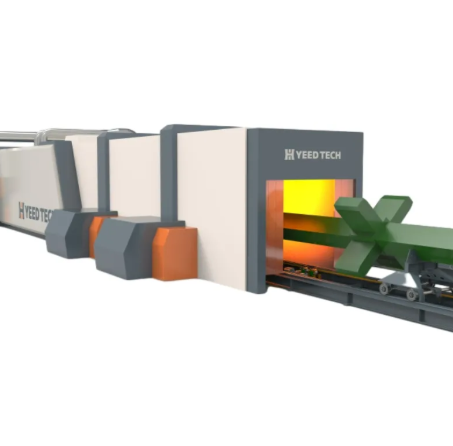
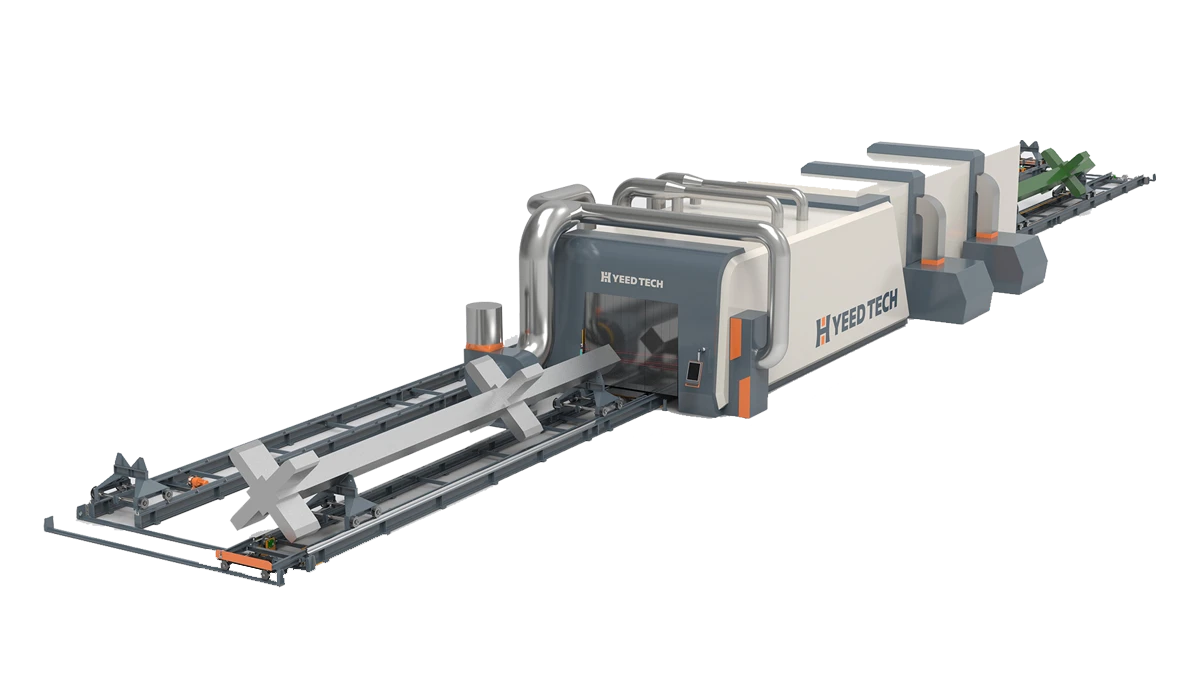
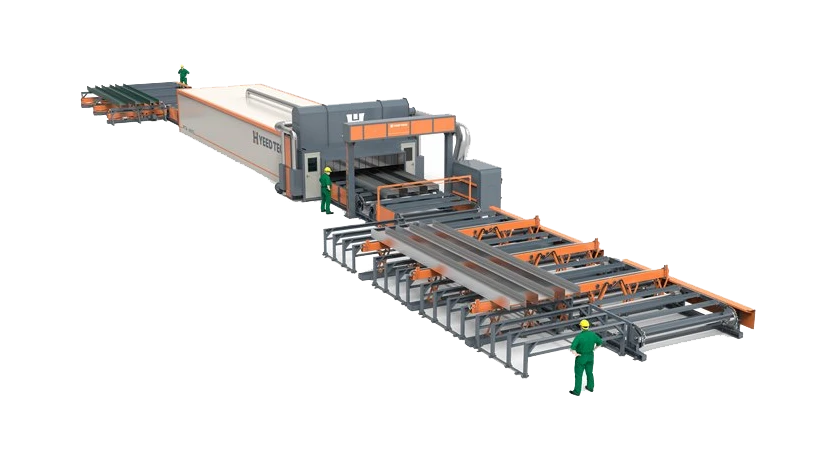
Meeting the above fundamentals consistently on a large scale is where modern technology becomes indispensable. Traditional manual spraying is fraught with variables that compromise coating integrity. Recognizing this, Yeed Tech Co., Ltd. has developed its intelligent spraying lines for steel components. This system solves the problems of high labor intensity, low efficiency, large number of people, unstable coating quality, poor uniformity, and waste of paint that exist in manual spraying. It has the advantages of low labor force, high spraying efficiency, good spraying quality, uniform coating, and saving paint.
Central to this innovation is an intelligent scanning system. The device has an automatic scanning system that can intelligently identify the three-dimensional structure of components in all directions through 3D scanning, preparing for painting. This data-driven approach ensures that complex geometries receive consistent application parameters, guaranteeing specified DFT is met on every surface, edge, and corner—a frequent failure point in manual operations. By automating the painting structural steelwork process, the system has achieved a balance between quality, quantity, and cost, and is an emerging product in the steel component painting industry.
FAQs about structural Coating Systems
What are the most critical factors for weather resistance in steel structure painting?
The two non-negotiable factors are impeccable surface preparation (typically abrasive blasting to a specified profile and cleanliness) and the precise, uniform application of the full coating system to the correct dry film thickness. Without these, even the most expensive coating chemistry will fail prematurely.
How does the choice of structural coating chemistry impact long-term performance?
Chemistry dictates capability. Zinc-rich primers offer cathodic protection. Epoxy mid-coats provide superb barrier resistance. Aliphatic polyurethane or polysiloxane topcoats deliver excellent UV and color retention. The specific environment (industrial, marine, rural) dictates the optimal system blend for maximum weather resistance.
Why is automation superior to manual methods for painting structural steelwork on large projects?
Automation, like Yeed Tech's intelligent spraying lines, removes human variability in spray angle, speed, and distance. It ensures robotic precision and repeatability, achieving perfect uniformity, optimal film build, and significant material savings. This consistency is crucial for achieving the designed weather resistance across thousands of components.
Can automated systems handle the complex shapes involved in painting structural steelwork?
Yes. Advanced systems utilize 3D scanning and real-time path planning. As described, the automatic scanning system intelligently identifies the component's 3D structure, allowing the robotic sprayers to adapt their program to cover intricate details, edges, and recesses uniformly, areas often under-coated by manual methods.
For a manufacturer, what is the overall benefit of investing in an intelligent line for steel structure painting?
The benefit is total lifecycle cost reduction and risk mitigation. While the initial investment is significant, the returns come from vastly reduced paint waste, lower labor costs, a dramatic decrease in rework due to coating failures, and, most importantly, the production of a product with guaranteed, durable weather resistance that enhances brand reputation and reduces client liability.
The weather resistance requirements for outdoor steel structures define an exacting science of material selection and application precision. Success hinges on a synergistic approach: specifying high-performance coating systems and executing their application with flawless consistency. For the modern fabricator operating at scale, this consistency is unattainable through manual labor alone. Technological integration, as pioneered by companies like Yeed Tech Co., Ltd., provides the solution. By embedding intelligence into the painting structural steelwork process through automation, scanning, and integrated production lines, manufacturers can reliably meet the stringent demands for durable steel structure painting, ensuring that the structural coating applied today will protect vital infrastructure for decades to come, regardless of what the elements bring.
Latest News
-
Efficient automated hot air drying equipment for steel structure application
NewsApr.16,2026 -
Efficient hot air drying system for steel structure spraying line
NewsApr.09,2026 -
Optimizing Steel Structure Spraying with Hot Air Drying Technology Solutions
NewsApr.07,2026 -
HighEfficiency Hot Air Drying Painting Equipment for Superior Industrial Coatings
NewsApr.04,2026 -
Optimizing Industrial Processes with Hot Air Furnace Heating Spraying Systems
NewsMar.31,2026 -
Comprehensive Tailormade Steel Structure Spraying Solution for Enhanced Durability
NewsMar.28,2026 -
Optimizing Steel Structure Protection through Customization and Integration of Spraying System
NewsMar.26,2026