Calculating the total cost of a structural project often begins with a simple query: what is the current steel beam price per kg? While the raw material cost is a primary driver, the actual expenditure is rarely a linear calculation of weight multiplied by a market rate.
Steel pricing is subject to a complex interplay of global ore availability, energy costs, and regional demand. For procurement managers and structural engineers, understanding the volatility of these rates is essential for maintaining budget integrity and selecting the most cost-effective beam profiles for specific load-bearing requirements.
This analysis explores the variables that influence steel beam pricing, how to evaluate the total value of structural components, and the operational efficiencies that can offset rising material costs in modern steel fabrication.


The steel beam price per kg is not a static figure but a floating index. It is primarily influenced by the global commodities market, specifically the cost of iron ore and coking coal. When energy prices spike—as seen in recent geopolitical shifts—the cost of electric arc furnaces (EAF) and blast furnaces increases, directly inflating the per-kilogram rate of finished beams.
Beyond raw materials, regional tariffs and shipping logistics play a significant role. A buyer in North America may see different pricing than one in Asia due to import duties and the availability of local mills. These external pressures make long-term budget forecasting a challenge for large-scale infrastructure projects.
The base price is only the starting point. The actual cost per kg is modified by the beam's profile—such as I-beams, H-beams, or wide-flange beams. More complex profiles that require specialized rolling processes typically command a premium over standard shapes. Additionally, the volume of the order significantly impacts the unit price; bulk procurement often allows for negotiated discounts that lower the effective price per kg.
Processing requirements also add to the cost. Beams that require precision cutting, drilling, or specialized surface treatments (like hot-dip galvanizing or epoxy painting) increase the total value. While the raw steel weight remains the same, the "processed price per kg" rises as labor and technology are integrated into the final product.
Certification and standards further differentiate pricing. Steel produced under strict ISO or ASTM standards, which guarantee specific tensile strengths and chemical compositions, will cost more than generic structural steel. This premium is a reflection of the quality assurance and testing required to meet safety codes for high-rise or industrial construction.
Value engineering in steel construction involves optimizing the choice of material grade to reduce the overall weight of the structure without compromising safety. Higher-strength steel grades allow for thinner profiles and lighter beams, which can potentially reduce the total tonnage of a project even if the price per kg for the higher grade is more expensive.
The most cost-effective project is not the one that finds the lowest steel beam price per kg, but the one that optimizes the strength-to-weight ratio to minimize total material consumption.
This approach requires a detailed collaboration between the structural engineer and the fabricator. By analyzing the load paths of a building, engineers can specify heavier beams only where necessary and use lighter sections elsewhere, effectively lowering the total cost of the steel package regardless of the market's per-kilogram fluctuation.
To understand what truly drives the final invoice, we must look at the relative influence of different cost components. While the raw steel price is the foundation, secondary factors such as fabrication labor, transport, and protective coatings can significantly shift the final expenditure.
The following index illustrates how different factors typically weight into the overall cost of delivered, ready-to-install steel beams in a standard industrial context.
When raw material costs rise, the focus often shifts toward reducing operational overhead. In the logistics of steel structure production, the efficiency of moving and handling heavy beams can either mitigate or exacerbate material price hikes. For example, reducing the reliance on expensive external crane rentals during the packing and loading process can save significant costs.
This is where intelligent equipment comes into play. YEED TECH provides specialized tools like Container Lifting Jacks, which offer a cost-effective alternative to traditional cranes for loading and unloading containers. With a lifting force of up to 32T and remote-controlled individual platform adjustment, such systems allow warehouses and factories to manage their steel components more efficiently, effectively reducing the non-material costs associated with structural steel projects.
The industry is moving away from manual labor toward integrated, intelligent solutions. Automation in cutting, welding, and painting not only increases precision—reducing material waste—but also stabilizes the fabrication cost, making the total project price less sensitive to labor market fluctuations.
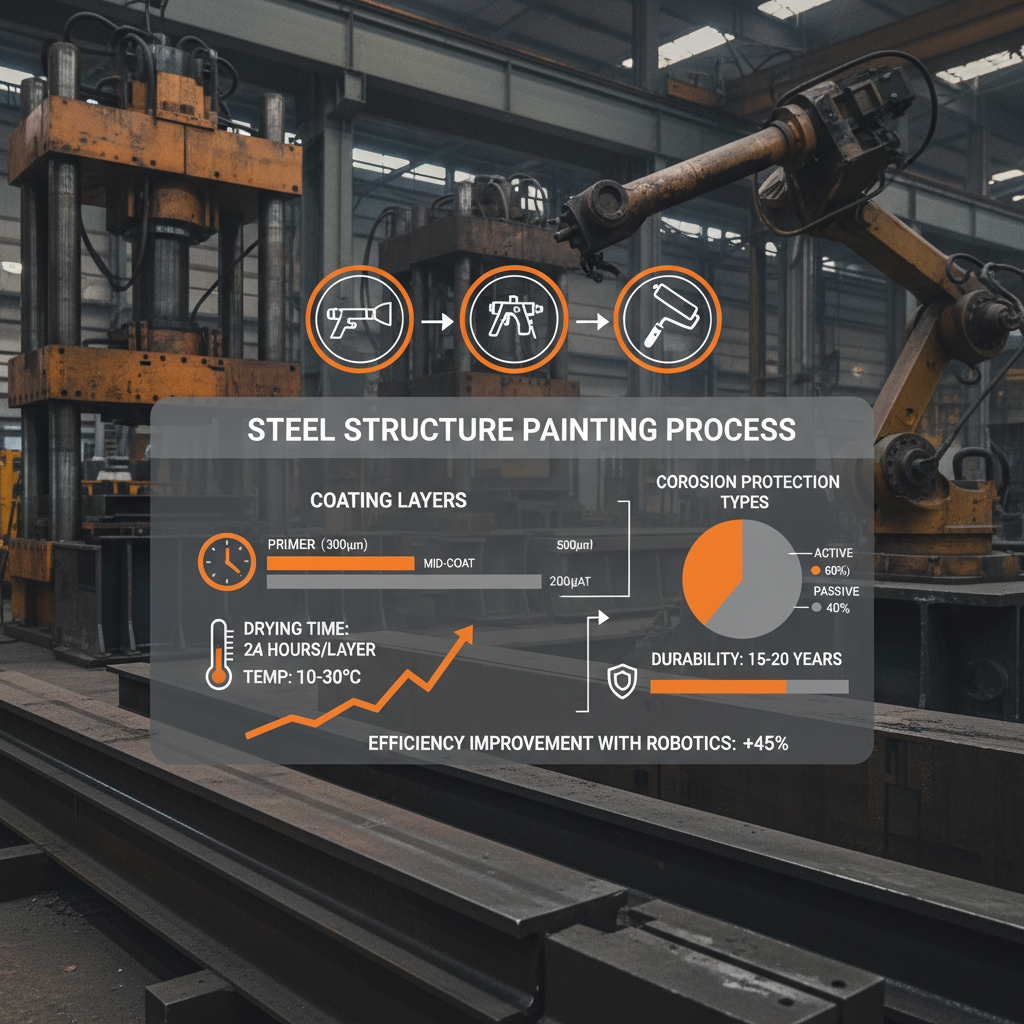
Modern intelligent spraying lines for steel components, such as those developed by YEED TECH, integrate automation and safety to replace traditional manual painting. By automating the surface treatment of heavy steel structures, companies can achieve a more uniform finish and faster throughput, which lowers the operational cost per kg of the finished beam.
Furthermore, the integration of high-power laser cutting and gas-shielded welding arm systems minimizes human error and rework. Since rework involves additional material and energy, these technological advancements directly contribute to a more predictable and lean production cycle, offsetting the volatility of the raw steel beam price per kg.
Selecting the right steel supplier and fabrication partner requires a balance between the unit price of the material and the reliability of the processing. A low price per kg from a supplier with poor quality control can lead to expensive failures during installation or an increase in waste due to inaccurate cutting.
Buyers should evaluate the "Total Cost of Ownership" (TCO). This includes the material cost, the cost of fabrication, the cost of logistics, and the potential cost of delays. A supplier who offers integrated solutions—from cutting to automated painting—often provides better value than one who only provides the raw material.
The following framework provides a comparison of different procurement strategies to help managers decide whether to prioritize low material costs or integrated fabrication efficiency.
| Strategy Focus | Primary Advantage | Risk Factor | Suitability |
|---|---|---|---|
| Raw Material Lowest Cost | Lowest initial budget | High fabrication waste | Simple, low-spec projects |
| High-Strength Grade | Reduced total tonnage | Higher price per kg | Complex, long-span structures |
| Integrated Fabrication | Predictable timelines | Higher upfront service fee | Industrial-scale production |
| Just-in-Time Delivery | Reduced storage costs | Supply chain volatility | Urban sites with limited space |
| Custom Profile Sourcing | Optimal structural performance | Longer lead times | Specialized engineering works |
| Automated Processing | Highest precision & speed | Higher technology overhead | High-volume repetitive builds |
The price is mainly driven by the cost of raw inputs like iron ore and coking coal, combined with energy costs for smelting. Additionally, global trade policies, tariffs, and regional demand fluctuations create price variances across different markets. Energy spikes during production often lead to immediate increases in the per-kilogram rate.
While higher-grade steel often has a higher price per kg, its superior strength-to-weight ratio allows engineers to use less steel overall. By reducing the total tonnage required to support the same load, the total material expenditure can be lowered even if the unit price is higher.
Processed costs increase with complexity. Requirements such as precision CNC cutting, specialized drilling, and high-end surface treatments like automatic painting or galvanizing add value beyond the raw material. Integrated automation reduces labor costs but adds technology premiums to the initial quote.
Yes. While equipment cannot change the raw material price, it can lower the overall project cost. Tools like Container Lifting Jacks reduce the need for expensive crane rentals and manual labor during the loading and unloading of steel components, improving overall logistical efficiency.
It depends on the project scale. Raw beams are cheaper initially but require significant on-site or third-party fabrication, which can lead to waste and delays. Pre-fabricated components from an automated line offer higher precision and faster installation, often reducing the total project timeline and labor cost.
H-beams generally have wider flanges and are designed for heavier loads, often requiring different rolling processes than I-beams. Because of their different structural applications and manufacturing requirements, H-beams may have a different price per kg compared to standard I-beams, depending on market demand and availability.
Understanding the steel beam price per kg is a fundamental starting point, but the true goal of any construction or manufacturing project should be the optimization of total value. By balancing material grades, leveraging automated fabrication technologies, and implementing efficient handling equipment, companies can shield themselves from the volatility of the raw materials market.
Ultimately, the shift toward intelligent production and logistical efficiency allows for a more sustainable and predictable cost structure, ensuring that structural integrity is achieved without unnecessary financial waste.