Welding Boom Arm with 360° Reach & Efficient Fume Capture
Field Notes on a Modern Welding Boom Arm: What Matters in 2025
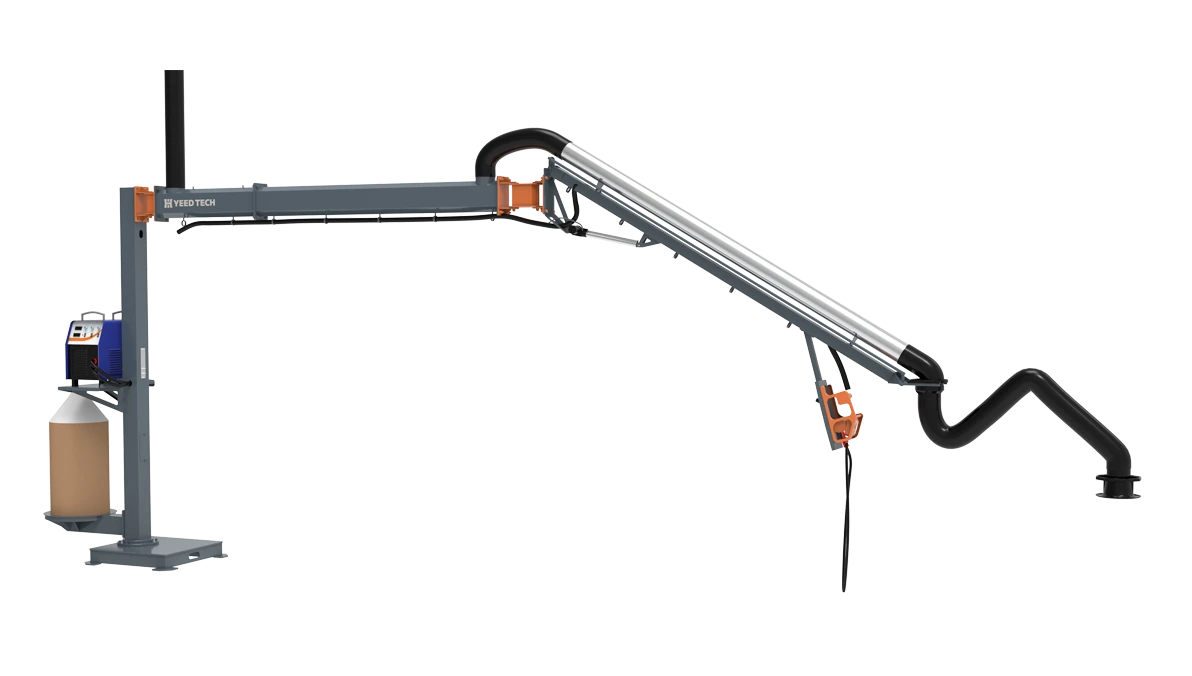
If you spend your days in fab shops like I do, you notice the little things: the way an arm tracks over a long fillet, the “feel” of the joints, how often operators actually reposition the hood (more than some managers think). The product I’m looking at today comes out of No.28, Wei’Er Road, Anping County, Hebei Province, China. It’s the Welding Fume Extraction Arm—essentially a next-gen Welding Boom Arm tuned for gas-shielded welding with built-in safety and 5S touches. Sounds ambitious. Surprisingly, it holds up.
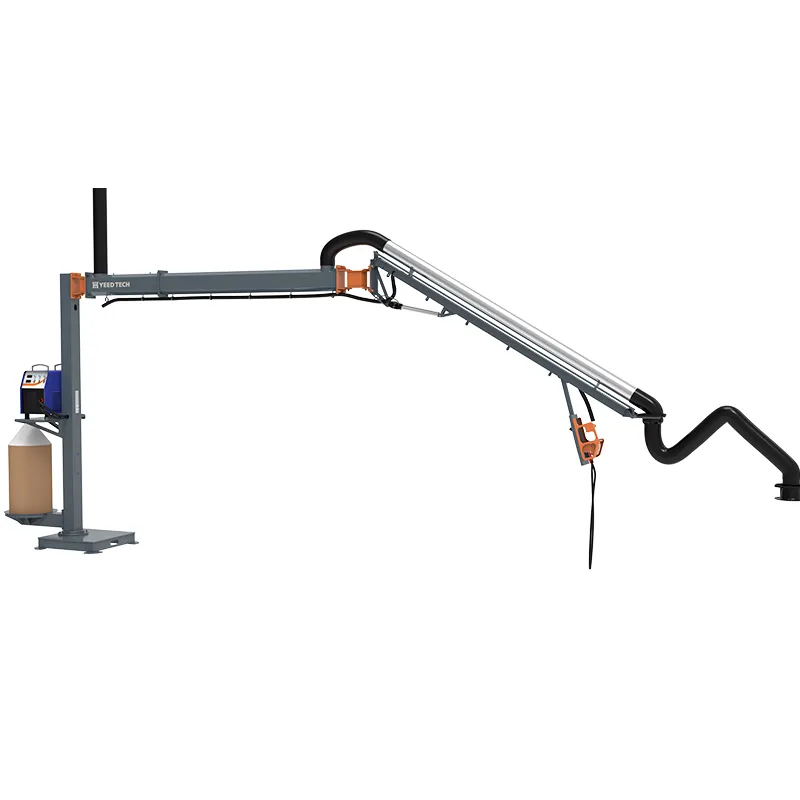
Why this matters (industry trend in one paragraph)
Regulators keep nudging shops toward source capture; insurers like it; operators prefer cleaner sight-lines. The shift is from generic snorkels to integrated systems that manage welding gear, fume capture, and—honestly—shop discipline. Think: machine interlocks, data logging, cable management, clear 5S cues. That’s where a well-designed Welding Boom Arm earns its keep.
Core specs at a glance
| Model | Welding Fume Extraction Arm |
| Reach | 3–4 m (≈10–13 ft), 360° boom rotation |
| Airflow | 900–1,200 m³/h (≈530–700 CFM), real-world use may vary |
| Capture Velocity | 0.6–1.2 m/s at hood, adjustable per task |
| Filtration | H13 option (EN 1822) ≈99.95% MPPS with prefilter chain |
| Build | Powder-coated steel, double-pivot bearings, balanced springs |
| Noise | ≈68–75 dB(A) depending on fan and ducting |
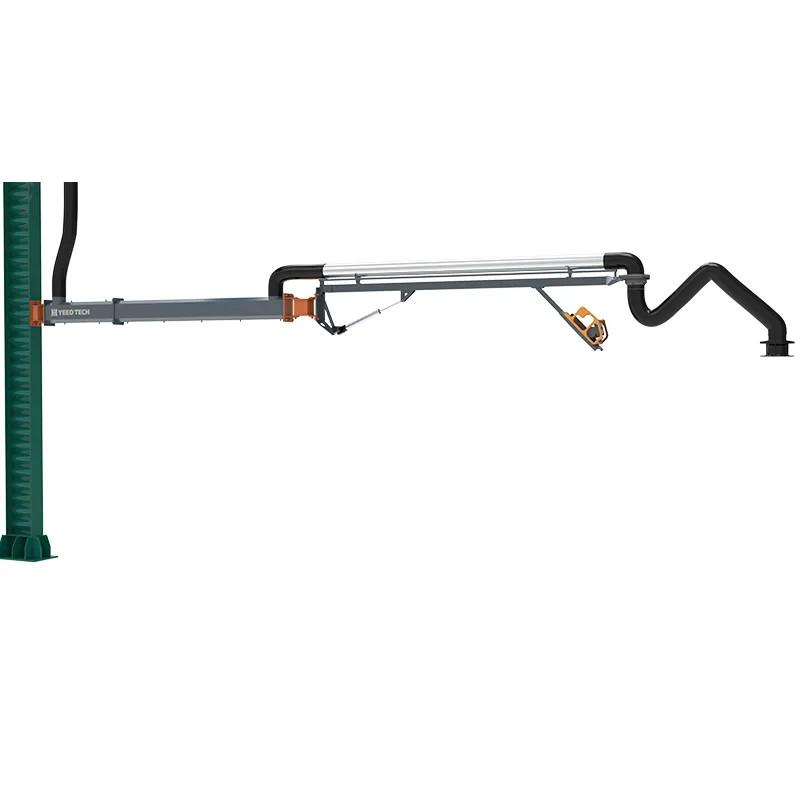
Process flow: from steel to shop floor
- Materials: heavy-gauge steel, wear-resistant elbow segments, clear hood with spark arrestor.
- Methods: TIG/MIG welded joints, CNC-formed ducts, powder coat after phosphate pretreat.
- Testing: capture performance checked against ISO 15012-1 recommendations; velocity mapping with hot-wire anemometer; leak checks on filter cabinet.
- Service life: around 8–10 years for the arm; consumables (prefilters) 3–6 months typical.
- Industries: shipbuilding, yellow goods, automotive tiers, structural steel, vocational schools.
Applications and real feedback
Operators like a Welding Boom Arm that stays where it’s put. Many customers say the hood balance and elbow friction are the difference between “used every pass” and “ignored after lunch.” For gas-shielded MIG on mild steel, we measured capture zones of ≈350–450 mm from the puddle before noticeable spatter drop-in. For stainless (higher fume hazard), we recommend closer placement and higher flow.
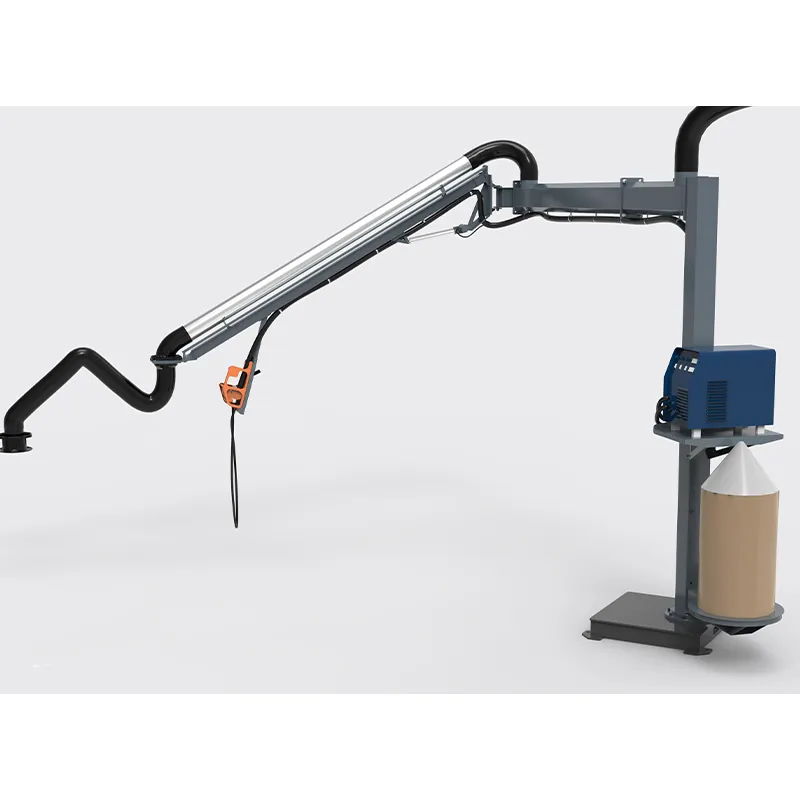
Integration, safety, and 5S
This system ties in machine management: on/off interlocks, runtime counters, optional IoT gateways, and simple visual 5S signage so the arm “home” is obvious. Honestly, the small stuff—cable trays, tool hooks—keeps bays tidy and reduces trip hazards. It seems that’s what supervisors cheer first.
Vendor landscape (quick compare)
| Vendor | Reach | Efficiency | Control Integration | Lead Time | Certs | Price |
|---|---|---|---|---|---|---|
| This Product (Hebei) | 3–4 m | H13 option | Machine interlock, counters | ≈4–6 weeks | Designed to meet ISO 15012 | Mid |
| EU Brand A | 2–3 m | H13/HEPA | Basic remote | ≈6–10 weeks | CE, ISO support | High |
| Local Fabricator | Custom | Varies | Custom add-ons | ≈2–8 weeks | Depends | Low–Mid |
Case notes and test data
- Automotive subframe line: installing two Welding Boom Arm units dropped respirable fume by ≈82% at the breathing zone (personal sampling, ISO 10882 setup). Operators reported less eye irritation—yes, anecdotal, but consistent.
- Ship module shop: 4 m arms with hood lights improved placement accuracy; capture velocities tuned to 0.9 m/s met internal hygiene targets aligned with ACGIH guidelines.
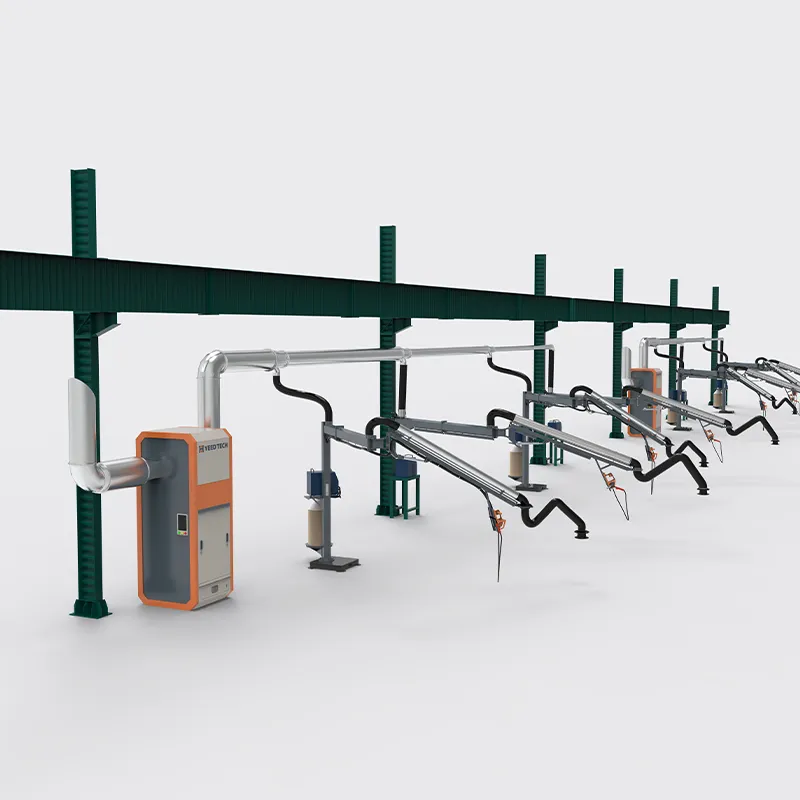
Customization tips
Specify reach by bay width, not guesswork. Add spark-resistant liners for heavy flux-core. If you’re chasing hex chrome, go H13 with prefilter stages and a differential pressure gauge. And—this is key—train operators to keep the Welding Boom Arm within 150–300 mm of the plume whenever feasible.
Standards and compliance pointers
Aim to support ISO 15012-1 capture guidance, check ACGIH capture velocities, and align with OSHA permissible exposure limits. CE marking and proper documentation help during audits.
Citations
- ISO 15012-1: Health and safety in welding—Requirements for local exhaust ventilation (LEV).
- ACGIH Industrial Ventilation: A Manual of Recommended Practice for Design.
- OSHA Welding, Cutting, and Brazing Standards, 29 CFR 1910 Subpart Q.
- EN 1822: High efficiency air filters (H13 classification for MPPS).
- ISO 10882: Sampling of airborne particles in welding and allied processes.
Latest News
-
Efficient automated hot air drying equipment for steel structure application
NewsApr.16,2026 -
Efficient hot air drying system for steel structure spraying line
NewsApr.09,2026 -
Optimizing Steel Structure Spraying with Hot Air Drying Technology Solutions
NewsApr.07,2026 -
HighEfficiency Hot Air Drying Painting Equipment for Superior Industrial Coatings
NewsApr.04,2026 -
Optimizing Industrial Processes with Hot Air Furnace Heating Spraying Systems
NewsMar.31,2026 -
Comprehensive Tailormade Steel Structure Spraying Solution for Enhanced Durability
NewsMar.28,2026 -
Optimizing Steel Structure Protection through Customization and Integration of Spraying System
NewsMar.26,2026