Structural Steel Machinery: Global Impact, Advances & Industry Insights
Understanding Structural Steel Machinery and Its Global Impact
Structural steel machinery — it’s not simply industrial jargon tucked away in factory halls. It’s the backbone of modern infrastructure, supporting everything from skyscrapers piercing the sky to bridges that connect communities. In a world increasingly reliant on resilient infrastructure, the role of these machines can’t be overstated. But what exactly are they, why do they matter on a global scale, and what benefits come from understanding their impact? That’s precisely what we’ll explore today.
Global Relevance of Structural Steel Machinery
The construction industry accounts for roughly 13% of global GDP, with steel as a primary material in around 50% of construction frameworks worldwide. According to the International Organization for Standardization (ISO), structural steel machinery technology not only supports large-scale urban development but also stands as a key player in rebuilding efforts after disasters and facilitating sustainable infrastructure growth.
Yet, challenges remain: high material costs, machinery scalability, and the demand for faster, more precise fabrication often impede progress — especially in developing regions. This is where structural steel machinery steps up, promoting efficiency and durability in projects critical to economic stability and social welfare.
What is Structural Steel Machinery?
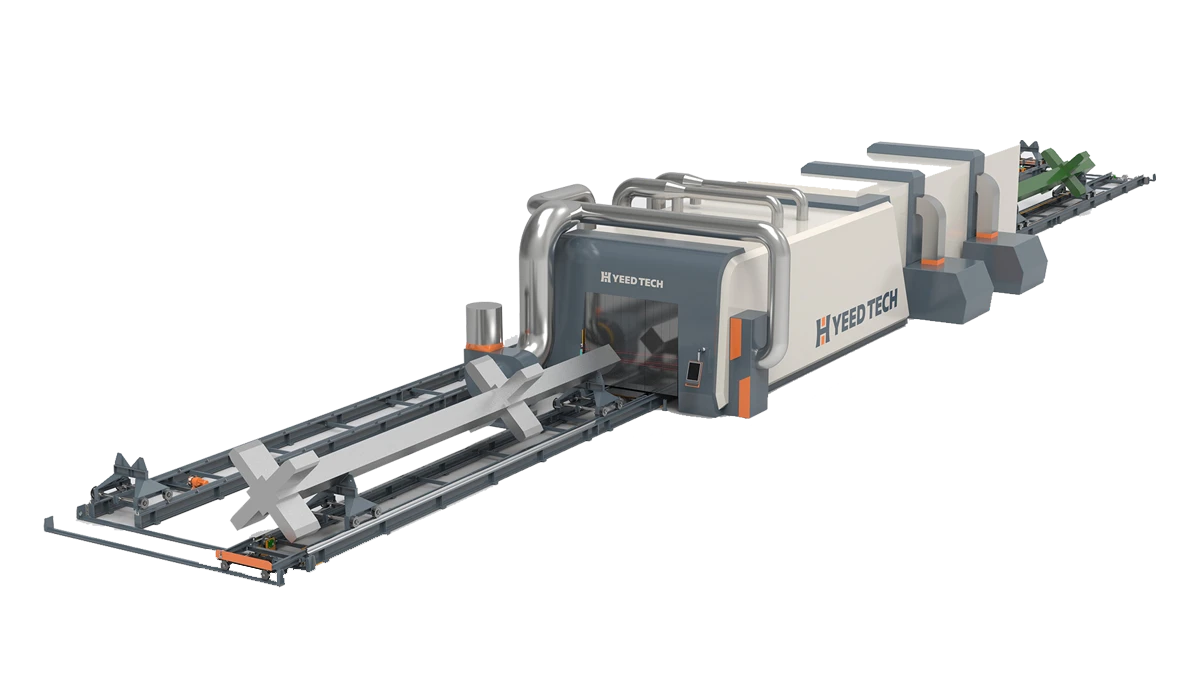
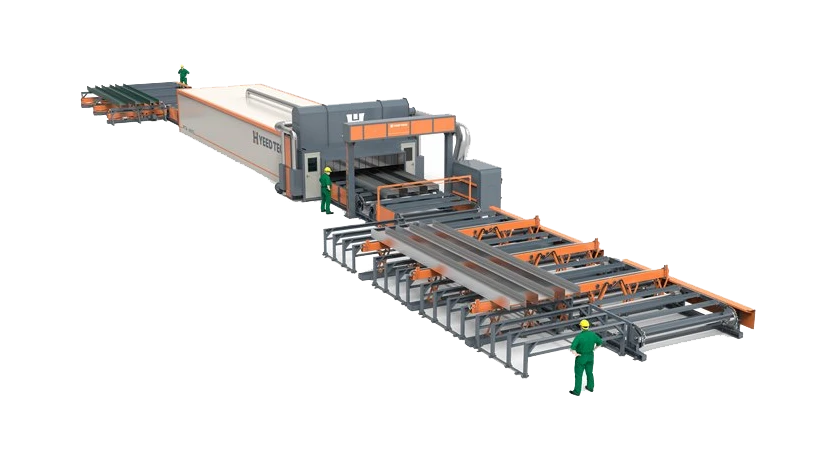
In the simplest terms, structural steel machinery comprises the tools, equipment, and automated systems designed to process, shape, assemble, and handle steel components. Think press brakes bending beams with precision or robotic welding arms joining complex frameworks. These machines bridge raw steel and the finished structures that shape our environment.
More than just manufacturing aids, they’re enablers of modern development—whether it’s erecting hospitals, transit hubs, or temporary shelters for humanitarian crises. For NGOs and governments alike, this machinery is central to rapid, reliable construction.
Core Components and Key Factors in Structural Steel Machinery
1. Durability and Strength
Machines must withstand high stress and repetitive use without degradation. A well-built structural steel press or shear translates to consistent output quality and minimized downtime.
2. Scalability and Flexibility
From small fabrication shops to massive steel mills, machinery must adapt to varied project sizes and steel grades — often toggling from heavy plate cutting to delicate profiling.
3. Precision and Automation
Modern CNC (computer numerical control) machines elevate accuracy, reducing human error and waste. Automation also shortens lead times — a real boon for urgent construction needs.
4. Energy Efficiency and Sustainability
Energy-conscious designs help reduce the ecological footprint of production. As global standards tighten, sustainable machinery ensures compliance and long-term cost savings.
5. Cost Efficiency
From acquisition through maintenance, cost considerations affect decisions deeply. Efficient machinery minimizes material waste and operational costs, impacting the bottom line.
Mini Takeaway:
Choosing structural steel machinery involves balancing durability, flexibility, precision, sustainability, and cost — each factor profoundly influencing practical applications.
Global Applications & Real-World Use Cases
- Urban Infrastructure: In fast-growing cities like Shanghai and Dubai, sophisticated steel bending and welding machines expedite high-rise construction.
- Post-Disaster Relief: After hurricanes or earthquakes, modular steel frame shelters assembled with precision machinery provide swift, durable housing solutions.
- Industrial Zones: Remote mining or energy projects in Australia or Canada rely on robust machinery to fabricate steel structures onsite, reducing logistics costs.
- Transportation: Bridges, rail stations, and airports worldwide depend on automated machinery for intricate steel frame fabrication that demands tight tolerances.
Oddly enough, despite its global footprint, many regions still lack access to the newest machinery — making knowledge sharing and tech transfer critical.
Advantages and Long-Term Value of Structural Steel Machinery
Steel machines don’t just speed up production; they enhance safety, cut waste, and help maintain ecological commitments. For builders, this means trustworthy equipment that ensures project timelines and budgets are met.
On a more human level, efficient machinery means structures protecting lives and livelihoods can be raised promptly, sometimes literally overnight. There's an emotional reassurance in knowing your home or hospital is built with precision and care. Innovation in machinery also fosters local skill development, generating employment and empowering communities.
Structural Steel Machinery Product Specification Table
| Feature | Typical Range | Remarks |
|---|---|---|
| Press Brake Capacity | 50-400 Tons | Supports mild to thick steel plates |
| Cutting Thickness | Up to 100 mm | Laser and plasma cutting options |
| Welding Automation Level | Semi to Fully automated | Reduces manual errors |
| Operational Power | 10-50 kW | Depends on machine size and complexity |
Future Trends and Innovations
What’s on the horizon? A surge in digital transformation — integrating IoT sensors for remote monitoring and predictive maintenance, ensuring machines rarely fail unexpectedly. Plus, green initiatives push for ultra-energy-efficient drives and recycled steel components, aligning with global sustainability goals.
Automation is becoming more intelligent: AI-assisted welding robots that adjust parameters on the fly, robotics that adapt to material anomalies, and modular machines that can be quickly reconfigured for different tasks.
Honestly, it feels like we’re just scratching the surface of what structural steel machinery can do, especially for industries hungry for smarter, faster, and greener solutions.
Challenges & Solutions
Despite advances, several challenges persist:
- High Initial Investment: Quality machinery requires capital, sometimes prohibitive for small fabricators.
- Technical Skill Gap: Operators need training to fully exploit automated machinery’s benefits.
- Maintenance Complexity: Advanced machines necessitate regular, expert maintenance to avoid downtime.
Solutions? Leasing models ease upfront cost burdens. Training partnerships and online platforms (like structural steel machinery) help build expertise. On-site diagnostics plus remote support smooth maintenance hurdles.
Vendor Comparison Table
| Vendor | Automation Level | Product Range | Support & Training |
|---|---|---|---|
| SteelTech Pro | Fully automated | Complete fabrication lines | 24/7 remote support and on-site training |
| BuildForge Solutions | Semi-automated | Press brakes, saws, welding stations | Standard warranty and online resources |
| IronWorks Global | Manual to automated mix | Customized machinery per project | Consulting and extended tech support |
Frequently Asked Questions About Structural Steel Machinery
- What types of projects benefit most from structural steel machinery?
- Large-scale infrastructure like bridges, commercial buildings, and industrial facilities typically leverage these machines due to their need for precision, strength, and repeatability.
- How accessible is this machinery for startups or small workshops?
- While upfront costs can be significant, leasing and modular equipment options lower the barrier. Training and scalable solutions also help small businesses adopt these technologies.
- Is structural steel machinery eco-friendly?
- Modern machines increasingly use energy-efficient components and optimize material use to reduce waste, aligning with sustainability standards like ISO 14001.
- How can NGOs or governments import this machinery?
- Partnering with established vendors or brokers simplifies import logistics, and many suppliers offer turnkey solutions including installation and training for smooth adoption.
- What maintenance is necessary to keep machinery reliable?
- Routine inspections, lubrication, software updates, and operator training are essential to minimize breakdowns and prolong service life.
Conclusion
So, what’s the bottom line? Structural steel machinery shapes not only steel but entire economies and societies through enabling resilient, efficient construction. It marries technical precision with human needs — safety, sustainability, and innovation all rolled into one.
For those intrigued by how these machines can transform your projects or industry, feel free to explore more at structural steel machinery. It’s a journey into technology that quite literally builds our world.
Reflecting on this, it’s clear that embracing structural steel machinery means investing in a future that's stronger, smarter, and more sustainable.
References
Latest News
-
Efficient automated hot air drying equipment for steel structure application
NewsApr.16,2026 -
Efficient hot air drying system for steel structure spraying line
NewsApr.09,2026 -
Optimizing Steel Structure Spraying with Hot Air Drying Technology Solutions
NewsApr.07,2026 -
HighEfficiency Hot Air Drying Painting Equipment for Superior Industrial Coatings
NewsApr.04,2026 -
Optimizing Industrial Processes with Hot Air Furnace Heating Spraying Systems
NewsMar.31,2026 -
Comprehensive Tailormade Steel Structure Spraying Solution for Enhanced Durability
NewsMar.28,2026 -
Optimizing Steel Structure Protection through Customization and Integration of Spraying System
NewsMar.26,2026