Structural Steel Fabrication Machinery: The Future of Efficient & Sustainable Construction
The Hidden Backbone of Modern Construction: Structural Steel Fabrication Machinery
Ever paused to think about the machines behind those sleek steel beams holding up skyscrapers or bridges? Structural steel fabrication machinery isn’t just a bunch of robots and tools—it’s the unsung hero assuring that modern buildings stand tall and safe. With urbanization skyrocketing worldwide, especially in booming hubs like Asia and Africa, understanding this machinery is more vital than ever. Beyond form and function, it touches on global industrial growth, safety standards, and even economic stability. So, why does this equipment really matter?
In simple terms, machinery that fabricates structural steel shapes the framework of almost everything around us—from towering office buildings to sprawling factories. Digging into how this gear works, where it’s used, and the innovations driving it forward can help engineers, architects, and even policymakers make smarter decisions. Plus, it offers a glimpse into a world where precision and power meet to create durable infrastructure.
Why Structural Steel Fabrication Machinery is Vital in Today’s World
Let’s be honest, the construction industry is one of the planet’s biggest contributors to GDP. According to the World Bank, infrastructure investments represent about 10% of global GDP. Now imagine what happens if your fabrication equipment falters—delays, over-budget projects, safety hazards. Plus, sustainable construction demands materials that can be prepped efficiently with minimal waste. Structural steel fabrication machinery steps up, helping better control quality and speed.
In many developing regions, rapid urban expansion occurs alongside resource constraints. Efficient fabrication machinery cuts waste and limits carbon footprints, aligning closely with ISO sustainability metrics. Meanwhile, aging machines in older plants lack the precision or eco-friendly features newer models boast, creating a gap that innovators urgently need to bridge.
What Exactly Is Structural Steel Fabrication Machinery?
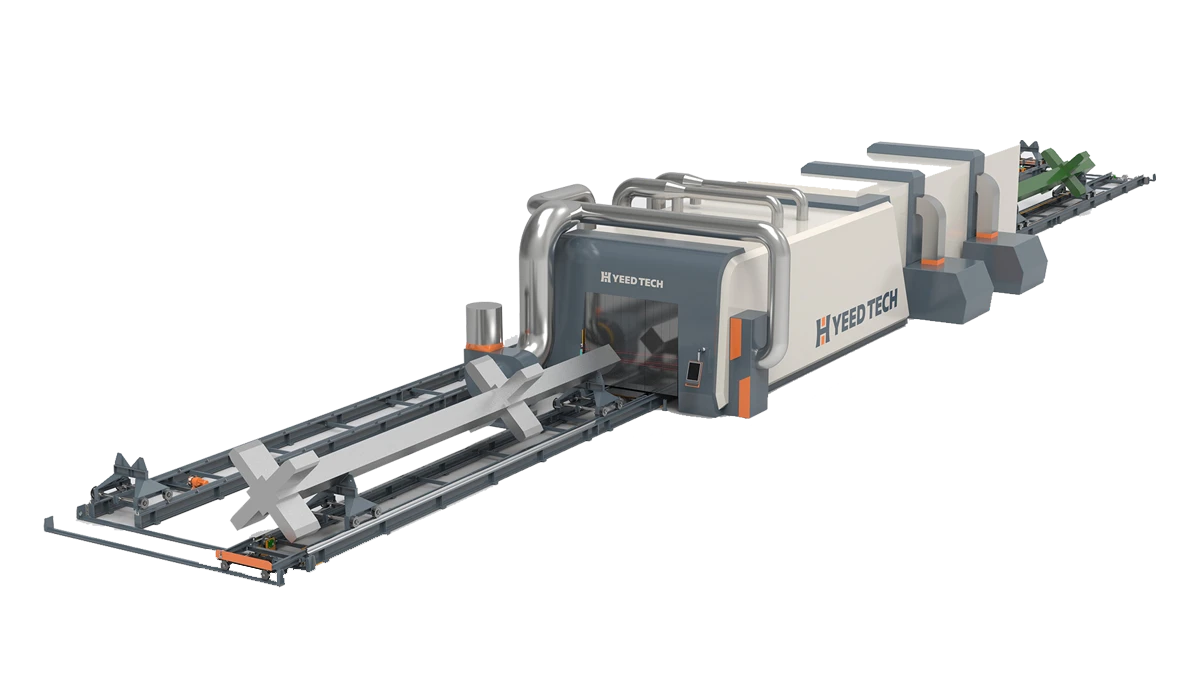
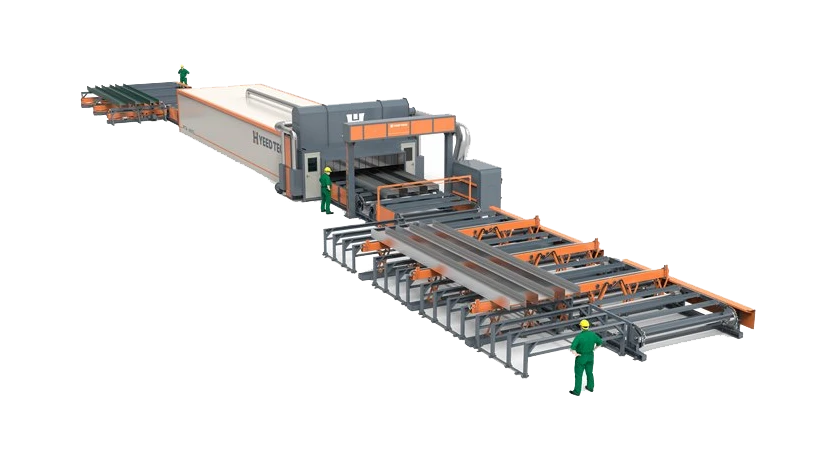
At its core, structural steel fabrication machinery comprises specialized equipment that cuts, bends, assembles, and welds steel used to form building frameworks. This includes CNC beam lines, plate rolling machines, automatic welding cells, and drilling rigs designed to handle various steel profiles. The goal? To take raw steel and turn it into precise, ready-to-install components tailored for architectural and industrial projects.
What’s striking is how these machines anchor industrial progress and humanitarian efforts alike. For instance, in disaster recovery, quick fabrication of steel housing frames can mean the difference between prolonged displacement and swift shelter. So, these machines are far from mere mechanical workhorses—they're enablers of safety and dignity.
Core Components and Key Factors of Modern Fabrication Machinery
1. Precision and Automation
Modern machinery employs CNC (computer numerical control) systems. This means less human error, faster turnaround, and uniformity in every beam or plate produced. As one structural engineer told me, "Automation guarantees repeatable quality that manual labor just can’t match."
2. Durability and Maintenance
Machines must withstand harsh factory environments. Operators often prefer units built with hardened steel parts and corrosion-resistant coatings to reduce downtime and repair costs. After all, these machines often run 24/7, especially on large projects.
3. Scalability and Capacity
Whether fabricating dozens or thousands of steel components, machinery needs flexibility. Modular systems that can scale up or down without massive retooling are invaluable—particularly for companies managing mixed workloads.
4. Energy Efficiency
Electric motors, servo drives, and energy recovery systems help reduce operational costs. Emerging machines often integrate smart power management that aligns with broader sustainability goals.
5. Safety Features
From emergency stop buttons to sensor-enforced zones, safe machine operation is critical. Advances in robotics with built-in safety overrides lessen workplace injuries, a huge boon for operators’ wellbeing.
Mini Takeaway:
- The best structural steel fabrication machinery blends precision, durability, and eco-consciousness, which together boost productivity and worker safety.
- Automation isn’t just a buzzword—it’s the backbone of quality control in modern steel production.
Where Structural Steel Fabrication Machinery Makes a Real Difference
You’ll find these machines in every corner of the world’s infrastructure efforts:
- Asia and the Middle East lead rapid urban development needing sturdy, quickly fabricated steel frames for skyscrapers and transit hubs.
- Europe’s green building movement leverages advanced machinery to fabricate sustainably sourced steel with minimized waste.
- Post-disaster zones use mobile fabrication units to produce structural frames for emergency shelters and community buildings.
- Remote industrial zones like mining sites rely on modular fabrication setups that are easily shipped and assembled onsite.
A quick example: a construction company in Dubai recently doubled their project speed by investing in new automated beam line machines, cutting installation delays by nearly 30%. In post-tsunami Japan, mobile welding robots have fabricated steel parts onsite for temporary housing, speeding recovery dramatically.
Advantages and Long-Term Value
At the end of the day, good machinery pays off. It slashes labor costs, shrinks error rates, and extends the lifecycle of steel frameworks thanks to tighter tolerances and better welds. But there’s a human side, too—workers feel safer, projects finish on time, and communities benefit from sturdier, more reliable structures.
Environmentally, these systems often reduce scrap metal by up to 15%, and energy-efficient designs lower CO2 emissions. Stakeholders also tout the intangible trust factor—knowing your infrastructure is built on rock-solid steel, thanks to machinery that won’t let you down.
Structural Steel Fabrication Machinery – Typical Specifications
| Specification | Typical Range | Comments |
|---|---|---|
| Beam Size Capacity | 100 mm to 1200 mm depth | CNC beam lines accommodate various profiles |
| Cutting Accuracy | ±0.1 mm | Laser or plasma cutting options |
| Welding Speed | Up to 20 m/min | Automatic welders with sensor control |
| Power Consumption | 50 – 150 kW | Depends on automation level |
| Machine Weight | 5,000 – 15,000 kg | Varies by size and model |
Choosing the Right Vendor: A Quick Comparison
| Vendor | Automation Level | Warranty | Price Range | Global Support |
|---|---|---|---|---|
| SteelFab Inc. | High (CNC + Robotics) | 5 years | $$$$ | Yes (24/7) |
| BuildMate Tools | Medium (CNC only) | 3 years | $$$ | Regional only |
| RapidSteel Machines | Basic (Manual + Semi-auto) | 2 years | $$ | Limited |
Looking Ahead: Trends Shaping the Future of Fabrication Machinery
We’re on the cusp of some pretty cool innovations here. Increased digital integration, like IoT-enabled sensors, will deliver real-time performance data that fine-tunes machines as they work. Add augmented reality (AR) for operators to visualize cutting plans and weld points—helping them fix issues before they happen. On the sustainability front, expect more systems running on renewable power and recycling scrap automatically.
Materials science, too, is pushing boundaries. Lighter steel alloys and novel coatings improve corrosion resistance, meaning fabricated parts last longer with less upkeep. In real terms, this means less frequent repairs and safer structures—sort of a win-win in every sense.
Addressing Challenges: Where the Rubber Meets the Road
Of course, it’s not all smooth sailing. Transitioning from older, manual methods to fully automated setups can intimidate managers reluctant to overhaul their entire workflow. Plus, upfront costs can be steep, especially for small fabricators. Skilled workforce shortages remain a nagging problem; operating advanced machinery demands specialized training.
However, hybrid approaches — combining automation with hands-on expertise — often bridge gaps effectively. Partnerships with training centers and manufacturers that offer on-site support play a huge role. Some companies also lease machinery, offsetting initial expenses. So, clever solutions are cropping up.
FAQ: Frequently Asked Questions About Structural Steel Fabrication Machinery
- What kinds of projects benefit most from advanced structural steel fabrication machinery?
- Large-scale developments like high-rise buildings, bridges, and industrial plants see the biggest gains from automated machinery, thanks to the demand for precision, volume, and speed. However, even small fabricators can improve quality and turnaround times with suitable machines.
- How does this machinery improve safety on construction sites?
- Fabrication machinery ensures steel components fit perfectly, minimizing on-site cutting or welding. This reduces worker exposure to unsafe tasks. Plus, automated machines come with integrated safety sensors, lowering factory accidents during the fabrication phase.
- Is structural steel fabrication machinery environmentally friendly?
- Many modern systems prioritize energy efficiency and waste reduction. Features like optimized cutting paths limit scrap, and some machines recycle leftover metal. Additionally, manufacturers increasingly design equipment to comply with ISO environmental management standards.
- Can NGOs or small-scale builders access these machines internationally?
- Yes, many vendors offer scalable or portable machinery suitable for international shipment. Some also provide financing options and training, helping NGOs deploy these systems in disaster-hit or developing areas.
- What maintenance is typically required for these machines?
- Regular lubrication, calibration of cutting and welding tools, and inspection of safety sensors are standard. Most vendors offer maintenance contracts, and predictive analytics are becoming common for anticipating issues before breakdowns occur.
Conclusion: Steel Stronger Than Ever
Structural steel fabrication machinery shapes the skeletons of our cities, bridges, and industries. It blends innovation with rugged dependability, advancing construction into a more efficient, safer, and greener future. Whether you're an engineer optimizing production or a policymaker eyeing sustainable infrastructure, grasping this machinery's potential sets you ahead.
Don’t just take my word for it—explore detailed equipment options and vendor portfolios at structural steel fabrication machinery. The steel world keeps turning, and these machines keep pace with what we build next.
References
Latest News
-
Efficient automated hot air drying equipment for steel structure application
NewsApr.16,2026 -
Efficient hot air drying system for steel structure spraying line
NewsApr.09,2026 -
Optimizing Steel Structure Spraying with Hot Air Drying Technology Solutions
NewsApr.07,2026 -
HighEfficiency Hot Air Drying Painting Equipment for Superior Industrial Coatings
NewsApr.04,2026 -
Optimizing Industrial Processes with Hot Air Furnace Heating Spraying Systems
NewsMar.31,2026 -
Comprehensive Tailormade Steel Structure Spraying Solution for Enhanced Durability
NewsMar.28,2026 -
Optimizing Steel Structure Protection through Customization and Integration of Spraying System
NewsMar.26,2026