Structural Steel Fabrication Equipment: Innovations, Applications & Future Trends
Understanding Structural Steel Fabrication Equipment: Why It Matters Today
Structural steel fabrication equipment — you might not think about it every day, but it’s the backbone of modern construction. Literally. From skyscrapers piercing city skylines to bridges spanning vast rivers and even emergency shelters rising after natural disasters, this gear makes steel come alive in shapes and sizes we depend on globally.
Why does it matter? Simple. Efficient and precise fabrication equipment ensures structures stand strong, last longer, and, critically, are built quicker and more cost-effectively. In a world growing increasingly urbanized, where infrastructure demands surge alongside climate challenges, mastering this equipment isn't just industrial jargon—it’s a vital global need.
The Global Context of Steel Fabrication Equipment
Steel remains the world’s most recycled material, accounting for about 85% of recycled materials globally. With urban populations projected to grow by 2.5 billion by 2050 (per UN data), structural steel fabrication is integral to sustainable construction strategies worldwide. Yet, challenges persist. Demand for faster construction timelines, coupled with sustainability pressures and skills shortages, mean fabrication equipment must evolve.
Take a moment: When a city decides to upgrade its transit lines or a country rebuilds after a humanitarian crisis, the role of precision fabrication equipment becomes crystal-clear. It can be the difference between delays and smooth scaling, between shortcuts that compromise safety and the solid integrity modern codes demand.
What Exactly Is Structural Steel Fabrication Equipment?
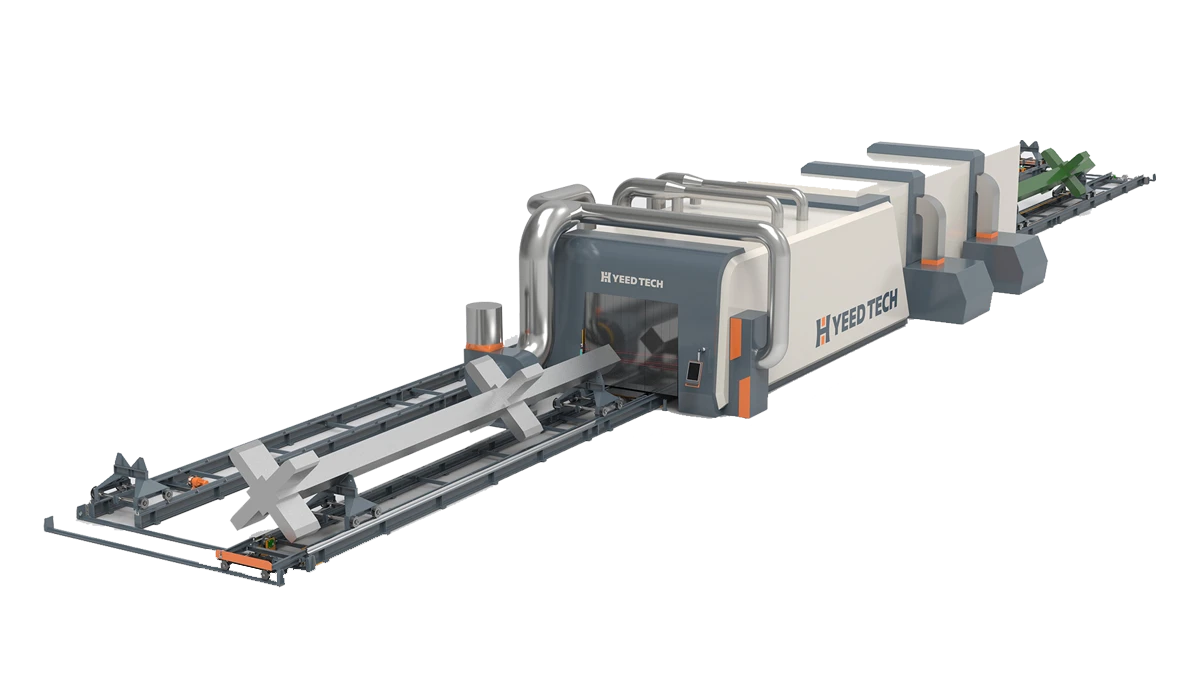
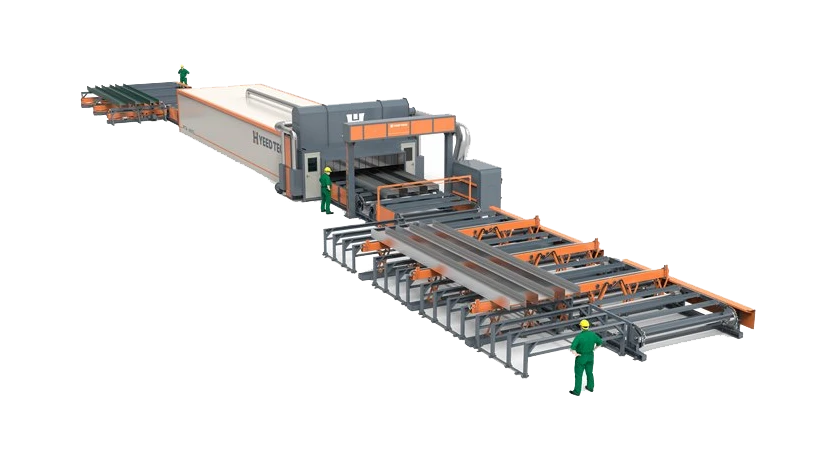
At its core, structural steel fabrication equipment refers to the variety of machinery and tools used to cut, shape, weld, assemble, and finish steel components for construction. Think of cutting machines, CNC (Computer Numerical Control) plasma cutters, drilling rigs, welding stations, and bending presses. Together, they turn raw steel into beams, columns, plates, and frameworks ready to anchor everything from homes to high-rises.
This equipment bridges heavy industry and emerging humanitarian needs. For instance, rapid fabrication can enable modular building blocks for disaster relief housing—offering speed without compromising safety.
Mini Takeaway:
Simply put: this equipment is where metal moves from concept to concrete reality, forming the skeletons of our built environment.
Core Components and Key Factors in Structural Steel Fabrication Equipment
1. Precision and Automation
Modern fabrication increasingly relies on CNC and robotic systems to enhance accuracy, reduce human error, and speed up tough jobs. The more precise the cuts and welds, the better the structural integrity downstream.
2. Durability and Material Handling
Equipment must handle heavy, rigid steel yet suffer minimal wear over years of operation. This includes robust frames, reinforced cutting heads, and corrosion-resistant parts.
3. Scalability and Flexibility
From small custom jobs to mega-projects, the machinery should adapt. Modular setups or scalable lines make shifting between off-the-shelf standards and bespoke pieces efficient.
4. Cost Efficiency and Energy Use
Operational costs — power consumption, maintenance, time — impact the whole project budget. Newer machines partially powered by renewable energy or designed for lower waste clearly edge out older units.
5. Integration with Digital Design Platforms
With BIM (Building Information Modeling) and 3D modeling becoming industry standards, fabrication equipment increasingly interfaces directly with design software, creating seamless workflows.
Mini Takeaway:
The ideal equipment is precise, tough, nimble, cost-conscious, and digitally connected. Tech and tradition meet at this crossroad.
Structural Steel Fabrication Equipment in Real-World Applications
You see the results everywhere: in the dizzying heights of Dubai’s Burj Khalifa, the expansive railway hubs across Europe, or the modular bridges rebuilt after floods in Southeast Asia. The U.S. Department of Transportation, for example, reports that about 70% of bridge and highway structures rely on fabricated steel components tailored by specialized machinery.
In industries, heavy manufacturing plants in Germany and Japan heavily invest in automated fabrication lines. Meanwhile, NGOs dealing with disaster zones in the Caribbean increasingly adopt modular steel structures rapidly assembled onsite—demanding equally responsive equipment.
Mini Takeaway:
This equipment shapes infrastructure everywhere, adapting from luxury urban settings to rugged humanitarian frontlines.
Product Specification Table: Typical Structural Steel Fabrication Equipment
| Equipment Type | Primary Function | Capacity | Automation Level | Energy Use |
|---|---|---|---|---|
| CNC Plasma Cutter | High precision steel cutting | 5-30 mm steel thickness | Fully automated | Medium |
| Hydraulic Press Brake | Steel bending and shaping | Up to 200 tons force | Semi-automated | Low to medium |
| Welding Robot Station | Automated welding for frame assembly | Various steel grades, joints | Fully automated | Medium |
Comparing Leading Vendors of Structural Steel Fabrication Equipment
| Vendor | Equipment Range | Automation Level | Sustainability Features | Global Footprint |
|---|---|---|---|---|
| SteelMakers Pro | Cutters, Presses, Welders | High (CNC, robotics) | Energy-efficient motors, recycle programs | North America, Europe, Asia |
| FabTech Solutions | Cutting & bending lines, modular units | Medium (semi-automated) | Eco-friendly coolant systems | Europe, Australia, Middle East |
| BuildForm Tech | Welding robots, plasma cutters | High (AI integration) | Smart energy monitoring | Global |
Advantages and Long-Term Value of Using Advanced Structural Steel Fabrication Equipment
What sticks with me is how much this equipment enhances safety—well beyond just the finished product. When fabrication goes wrong, the consequences are literally life or death. Precision machines reduce human error, produce consistent results, and ensure compliance with international safety standards (ISO 9001, for example).
Plus, the cost savings add up: faster production means lower labor costs, less waste conserves materials, and integrated software reduces rework. And from a sustainability standpoint, many manufacturers are innovating toward recycling scrap steel, decreasing energy usage, and incorporating eco-conscious designs.
On the social side, we can’t forget the dignity improvements when buildings go up quickly after disasters, or in underserved regions where infrastructure usually lags. Structurally sound, rapidly fabricated steel frames can uplift communities both physically and emotionally.
What’s Next? Trends and Innovations to Watch
One of the most fascinating areas is automation combined with AI. Imagine equipment that predicts tool wear before failure, optimizing maintenance schedules and reducing downtime. Or machines embedded with IoT sensors feeding real-time data back to factory floors worldwide.
Green steel production also complements these equipment advances. The push for hydrogen-based steelmaking means the raw materials entering fabrication lines might soon have dramatically lower carbon footprints—everything downstream benefits.
And don’t overlook modular fabrication that lets companies “pre-make” entire frame segments offsite, then snap them together quickly in the field. It’s a game-changer for remote locations or fast-track urban projects.
Challenges in Structural Steel Fabrication and Possible Solutions
Now, as with all tech, there are bumps along the way. High upfront costs of revolutionary machines limit adoption in developing markets. Skilled operators remain scarce, especially where digital literacy isn’t widespread. And integrating new tech with legacy systems might feel like trying to fit a square peg in a round hole.
Yet, experts suggest collaborative approaches: leasing or financing models to ease investment, training programs aligned with evolving tech, plus modular equipment lines easing scalability. Open standards and digital platforms also smooth integration headaches.
FAQ: Frequently Asked Questions About Structural Steel Fabrication Equipment
-
Q: How does automation improve steel fabrication?
A: Automation boosts accuracy, reduces human error, and speeds production. CNC cutters and robotic welders ensure components meet strict dimensional tolerances consistently, improving structural safety and lowering costs. -
Q: Can structural steel fabrication equipment be used in remote areas?
A: Yes, especially modular or mobile fabrication units designed for flexible setups. These can accelerate construction in remote or disaster-hit zones, although power supply and trained operators remain key considerations. -
Q: What sustainability features should I look for?
A: Energy-efficient drives, coolant recycling, low-waste cutting methods, and integration with green steel production are important. Many vendors now highlight eco-friendly certifications and carbon footprint reductions. -
Q: How do I maintain structural steel fabrication equipment?
A: Regular preventive maintenance, including lubrication, wear part replacement, and software updates, is vital. Many machines now provide IoT-enabled diagnostics to predict failures and streamline upkeep. -
Q: Does integrating digital design platforms improve fabrication?
A: Absolutely. Direct integration with BIM software reduces errors, speeds modifications, and allows real-time feedback, making fabrication more efficient and aligning production closely with architectural plans.
Conclusion: Why Structural Steel Fabrication Equipment Defines the Future
In the end, it’s all about building smarter, safer, and with a conscience toward our planet and communities. Advanced structural steel fabrication equipment combines the best of engineering and technology to meet our fast-evolving world’s needs.
Whether you’re a construction manager, engineer, or procurement specialist, understanding this equipment’s nuances can make all the difference. For deeper dives into industry-leading tools, take a look at our structural steel fabrication equipment portfolio — the future is being forged one beam at a time.
References
Latest News
-
Efficient automated hot air drying equipment for steel structure application
NewsApr.16,2026 -
Efficient hot air drying system for steel structure spraying line
NewsApr.09,2026 -
Optimizing Steel Structure Spraying with Hot Air Drying Technology Solutions
NewsApr.07,2026 -
HighEfficiency Hot Air Drying Painting Equipment for Superior Industrial Coatings
NewsApr.04,2026 -
Optimizing Industrial Processes with Hot Air Furnace Heating Spraying Systems
NewsMar.31,2026 -
Comprehensive Tailormade Steel Structure Spraying Solution for Enhanced Durability
NewsMar.28,2026 -
Optimizing Steel Structure Protection through Customization and Integration of Spraying System
NewsMar.26,2026