Structural Coating That Lasts—Fast, Cost-Effective?
A Field Guide to structural coating on Heavy Steel: 2025 Notes from the Shop Floor
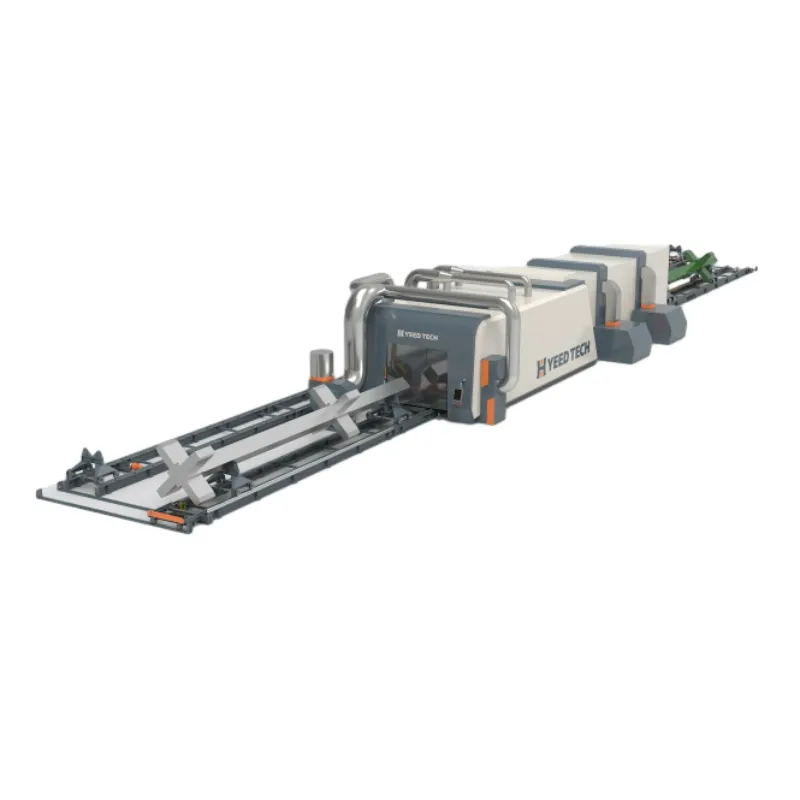
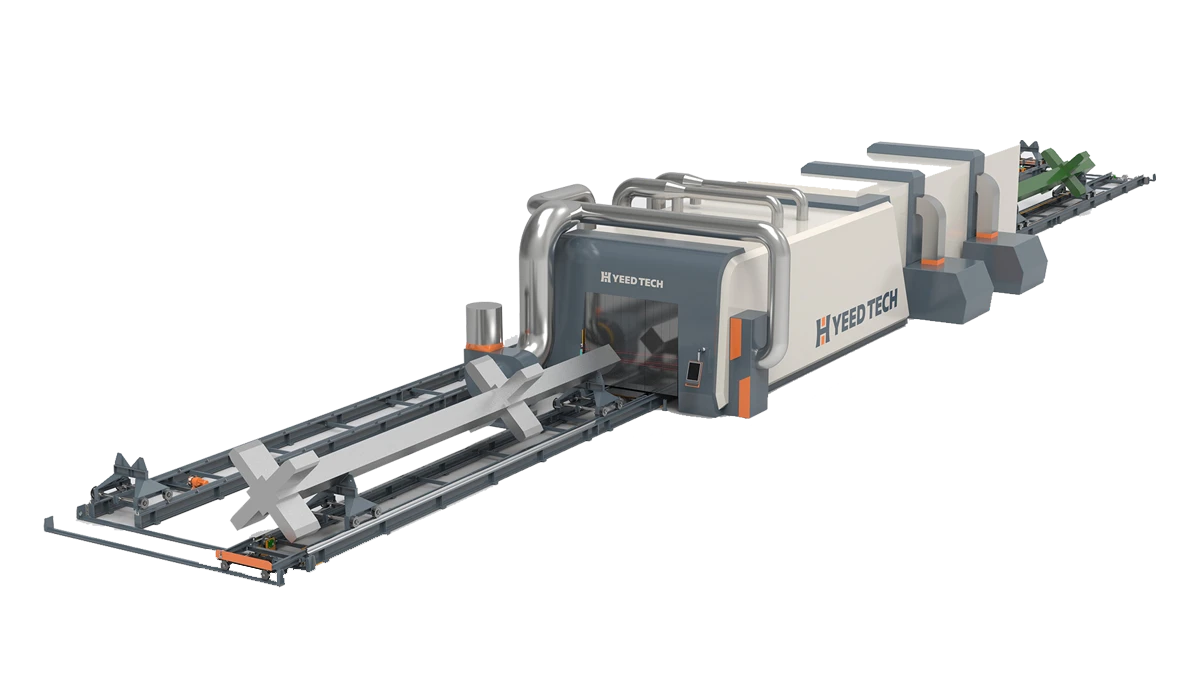
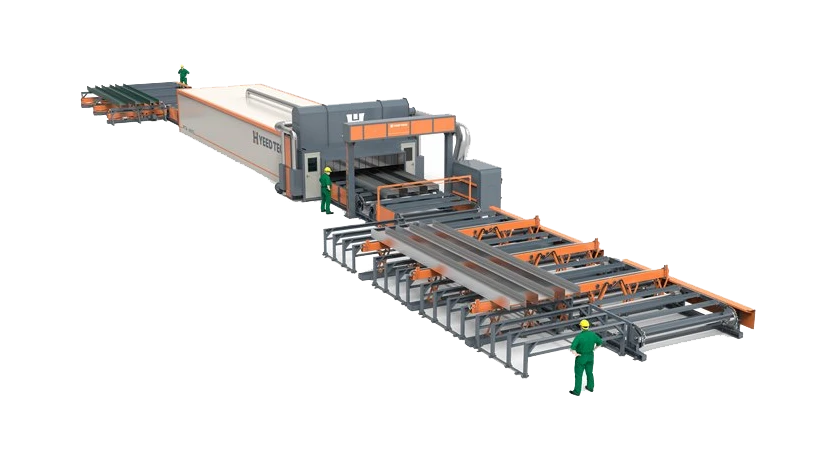
If you spend time in fabrication halls (I do, maybe too much), you notice what’s changing: smarter booths, solvent reduction that actually sticks, and QC that’s not just a clipboard. In heavy steel, structural coating has quietly become a precision process—especially when handled by integrated lines like the Heavy Steel Structure Painting Line built in No.28, Wei’Er Road, Anping County, Hebei Province, China. It’s designed for large, complex components—beams, box girders, wind tower cans—that used to be “paint when you can.” Not anymore.
Industry trends (and what they mean on a Monday morning)
- Shift to high-solids and waterborne systems to meet VOC rules—without wrecking cycle time.
- Airless/air-assisted and robot-assisted application for consistent DFT on complicated geometries.
- Inline testing: DFT probes, holiday detection, and pull-off pads pre-positioned for faster QA.
- Standards-first mindset: ISO 12944, ISO 8501-1, SSPC/AMPP practices baked into the SOPs.
Product snapshot: Heavy Steel Structure Painting Line
To be honest, what sets this system apart is the way preparation, spraying, and curing are threaded together. Many customers say the biggest surprise is fewer reworks—because variability drops.
| Parameter | Typical Spec (≈) | Notes (real-world may vary) |
|---|---|---|
| Workpiece size | Up to 30 m L × 4 m W × 4 m H | Custom jigs for odd geometries |
| Throughput | 5–15 units/day | Depends on DFT and cure profile |
| Application | Airless / AA, robot optional | Manual assist for edges/crevices |
| Coating types | Zinc-rich epoxy, epoxy MIO, PU, WB | ISO 12944 C3–C5/Im2 systems |
| DFT control | 150–400 μm | Inline DFT probes, SPC charts |
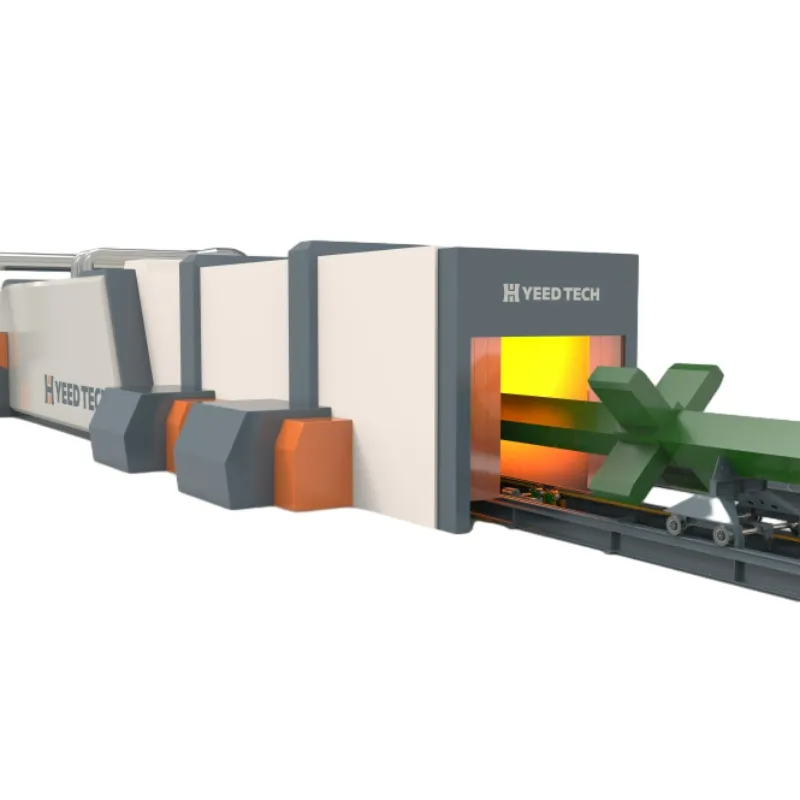
| Curing | Gas IR + convection | Energy-recovery ducts |
| VOC control | RTO or carbon beds | ≥95% abatement |
| Certs | ISO 9001, CE; ATEX fans | Documentation pack included |
Process flow (how the sausage gets made)
- Surface prep: abrasive blast to ISO 8501-1 Sa 2½; profile 50–75 μm.
- Preheat/dehumidify to avoid condensation (Tg ≥ 3°C rule).
- Primer: zinc-rich epoxy; then MIO epoxy build; PU finish where UV matters.
- DFT/holiday checks after each coat; rework gates clearly marked.
- Cure: monitored with thermologgers; ramps stored in PLC.
- Final QA: adhesion (ASTM D4541), cross-cut (ASTM D3359), salt spray coupons (ISO 9227).
Service life: engineered for 15–25 years in C4/C5, provided the structural coating system and maintenance intervals follow ISO 12944-5/8. My take: the data holds if edges are properly radius-ground (≥2 mm) and stripe-coated—often skipped, unfortunately.
Applications and real feedback
Use cases: bridges, wind towers, ship blocks, mining frames, offshore skids. A Northern shipyard reported adhesion >6.5 MPa (ASTM D4541) and 1,000+ h neutral salt spray with no creepage beyond 2 mm at scribe—pretty respectable for structural coating exposed to C5-M splash.
Customer notes (paraphrased): “Less orange peel after switching to robot passes,” and “Energy bill down ≈12% with heat recovery.” Not scientific, but it lines up with what I’ve seen.
Vendor comparison (light but useful)
| Vendor | Lead Time | Customization | QC/Standards | After-sales |
|---|---|---|---|---|
| YEEEED (Anping, Hebei) | ≈12–18 weeks | High; tailored jigs/robots | ISO 12944/8501; ASTM tests | Global remote + on-site |
| Regional integrator | ≈16–24 weeks | Medium; catalog options | Varies by project | Regional only |
| EU premium brand | ≈20–32 weeks | High; premium cost | Extensive documentation | Global network |
Customization highlights
- Booth layout for very long weldments; adjustable recirculation.
- Dual-pump skids for fast color/chem changeovers in structural coating.
- Vision-guided robots for lattice beams; edge stripe-coat routines.
- VOC packages to meet regional rules (RTO vs. carbon).
Case note
Bridge fabricator, coastal climate: 250–320 μm system (zinc epoxy + MIO + PU). Measured rework cut by 28% after adding inline DFT alarms. Predicted service life to first major maintenance: 18–22 years (C5-I), with routine touch-ups every 5–7 years—assuming structural coating edges get that all-important stripe coat.
References
- ISO 12944 (Parts 1–9): Corrosion protection of steel structures by protective paint systems.
- ISO 8501-1: Preparation of steel substrates before application of paints and related products.
- ASTM D4541, D3359, D523; ISO 9227: Common coating performance tests.
- AMPP (formerly SSPC/NACE) tutorials and standards for surface prep and coating inspection.
Latest News
-
Efficient automated hot air drying equipment for steel structure application
NewsApr.16,2026 -
Efficient hot air drying system for steel structure spraying line
NewsApr.09,2026 -
Optimizing Steel Structure Spraying with Hot Air Drying Technology Solutions
NewsApr.07,2026 -
HighEfficiency Hot Air Drying Painting Equipment for Superior Industrial Coatings
NewsApr.04,2026 -
Optimizing Industrial Processes with Hot Air Furnace Heating Spraying Systems
NewsMar.31,2026 -
Comprehensive Tailormade Steel Structure Spraying Solution for Enhanced Durability
NewsMar.28,2026 -
Optimizing Steel Structure Protection through Customization and Integration of Spraying System
NewsMar.26,2026