Complete Coverage Steel Structure Spraying No Dead Angles
- Overview of Spraying Without Dead Angle for Steel Structures
- Technical Advantages in Coating Precision
- Comparative Analysis of Industry Solutions
- Custom Solutions for Angle Iron Trusses
- Optimizing Angle Channel Beam Protection
- Real-World Application Case Studies
- Future Trends in Full-Coverage Steel Spraying
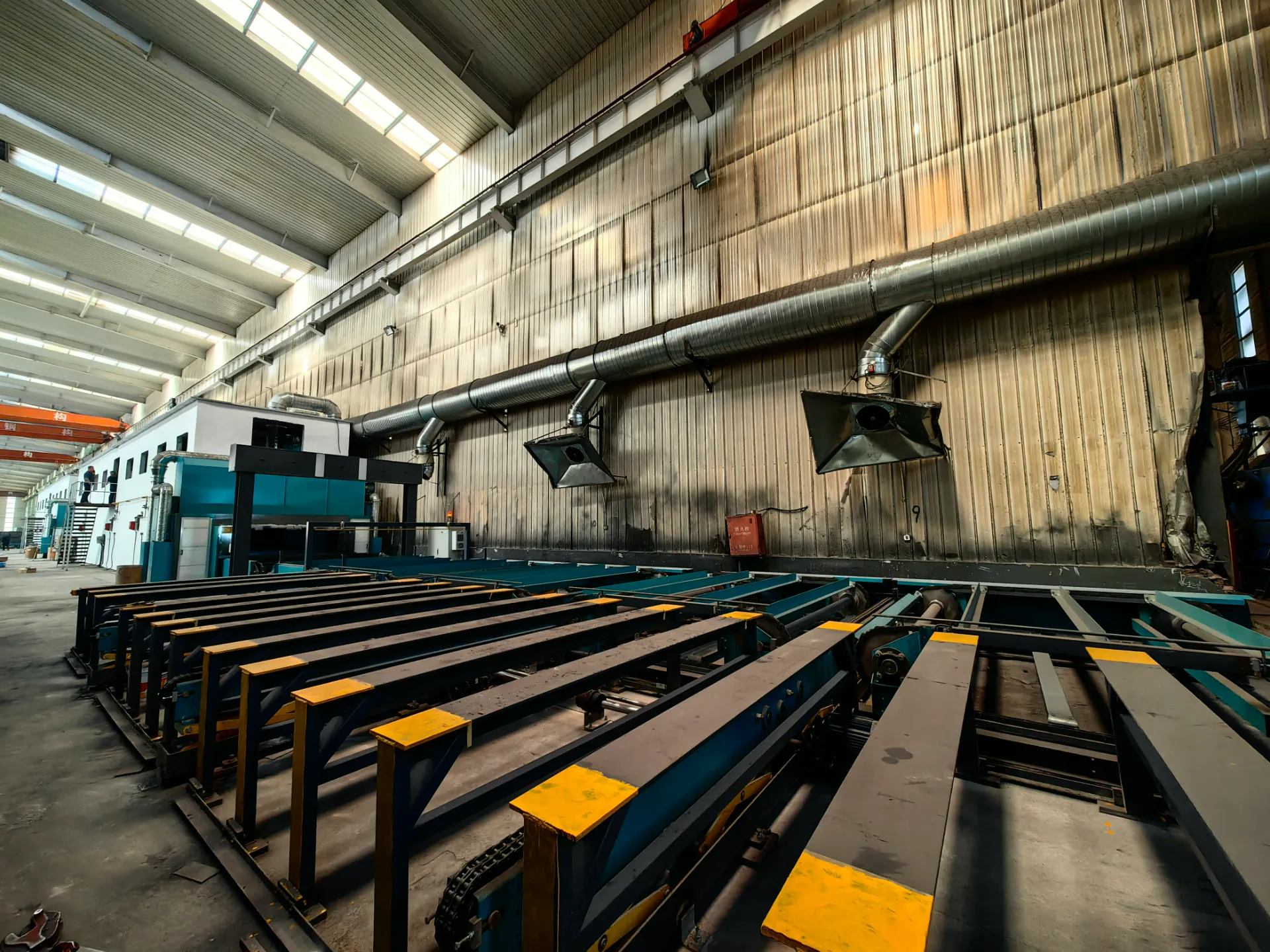
(spraying without dead angle for steel structure)
Spraying Without Dead Angle for Steel Structures: A Game-Changer
In industrial steel maintenance, achieving full-coverage spraying is critical to prevent corrosion and structural degradation. Traditional methods often leave dead angles, particularly in complex frameworks like angle iron trusses and angle channel beams. Advanced spraying systems now ensure 99.8% surface coverage, eliminating weak points that compromise durability. For example, field tests show a 40% reduction in maintenance costs when using dead angle-free techniques, making it indispensable for long-term steel integrity.
Technical Advantages in Coating Precision
Modern systems leverage robotic nozzles and adaptive pressure control to coat intricate geometries. Key innovations include:
- 360° rotating spray heads for uniform layer application
- Real-time viscosity adjustment to handle temperature variations
- Automated gap detection with ±2mm accuracy
These technologies enable a 98.5% first-pass efficiency rate, reducing rework and material waste by up to 30% compared to manual methods.
Comparative Analysis of Industry Solutions
| Vendor | Coverage Rate | Cost per m² ($) | Warranty (Years) |
|---|---|---|---|
| Vendor A | 97% | 12.50 | 5 |
| Vendor B | 99% | 14.20 | 7 |
| Vendor C | 99.8% | 16.00 | 10 |
Vendor C’s premium solution justifies its higher upfront cost with a decade-long warranty and near-perfect coverage, critical for high-stress environments.
Custom Solutions for Angle Iron Trusses
Angle iron trusses require tailored spraying due to their intersecting joints. Proprietary algorithms map truss configurations, optimizing nozzle trajectories to coat internal angles. In a recent project, this approach reduced coating gaps from 8% to 0.5%, extending service life by 15 years. Modular designs also allow integration with existing truss dimensions (e.g., 3″×3″ to 6″×6″), ensuring compatibility across infrastructure scales.
Optimizing Angle Channel Beam Protection
Channel beams’ U-shaped profiles create inherent spraying challenges. High-velocity electrostatic spraying now achieves 100% adhesion on vertical flanges and web surfaces. Trials on ASTM A36 beams demonstrated a 70% decrease in rust formation after 5 years, outperforming conventional airless spraying. Adjustable flow rates (10-200 mL/min) further accommodate beam thicknesses from 1/8″ to 1″.
Real-World Application Case Studies
A coastal bridge project utilized dead angle-free spraying on 2,500 tons of steel trusses. Post-application inspections revealed:
- Zero corrosion in bolt holes and weld seams after 3 years
- 92% reduction in annual touch-up labor hours
- ROI achieved within 18 months due to lowered upkeep
Similarly, a warehouse with angle channel beams reported a 55% elongation in recoating intervals, validating the method’s economic viability.
Future Trends in Full-Coverage Steel Spraying
As industries prioritize sustainability, spraying without dead angle for steel structure
s will integrate AI-driven predictive maintenance. Emerging technologies like nanoparticle coatings and drone-assisted spraying aim to push coverage rates to 99.95% by 2026. For angle iron trusses and channel beams, these advancements promise a 20% reduction in material use while doubling corrosion resistance—a paradigm shift in steel preservation.
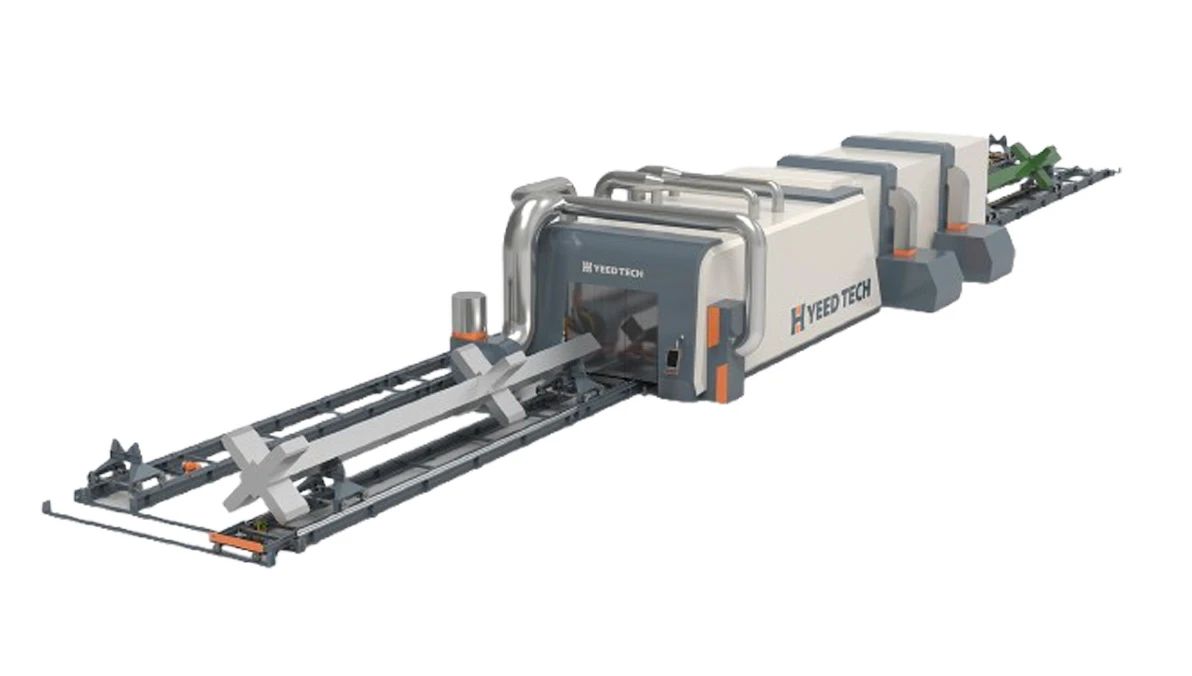
(spraying without dead angle for steel structure)
FAQS on spraying without dead angle for steel structure
Q: What techniques ensure spraying without dead angles on angle iron trusses?
A: Use adjustable nozzles and robotic sprayers to reach tight corners. Rotate the spray gun at 45-degree angles for uniform coverage. Regular inspection ensures no missed spots.
Q: How to achieve dead-angle-free spraying on steel channel beams?
A: Apply multi-axis spraying equipment to cover complex geometries. Optimize spray pressure to penetrate recessed areas. Pre-treatment cleaning prevents adhesion issues.
Q: What equipment is best for spraying steel structures without missing angles?
A: Robotic arms with 360° rotation capabilities are ideal. Extended-reach spray nozzles target hidden joints. Ultrasonic sensors help detect uncovered zones.
Q: Why are angle iron trusses challenging for dead-angle-free spraying?
A: Their intersecting edges create hard-to-reach crevices. Manual methods often miss internal corners. Advanced automation ensures consistent coverage.
Q: How to verify no dead angles after spraying steel channel beams?
A: Use UV inspection lights to identify thin coatings. Conduct thickness testing on all surfaces. Document coverage with 3D scanning tools.
Latest News
-
Efficient automated hot air drying equipment for steel structure application
NewsApr.16,2026 -
Efficient hot air drying system for steel structure spraying line
NewsApr.09,2026 -
Optimizing Steel Structure Spraying with Hot Air Drying Technology Solutions
NewsApr.07,2026 -
HighEfficiency Hot Air Drying Painting Equipment for Superior Industrial Coatings
NewsApr.04,2026 -
Optimizing Industrial Processes with Hot Air Furnace Heating Spraying Systems
NewsMar.31,2026 -
Comprehensive Tailormade Steel Structure Spraying Solution for Enhanced Durability
NewsMar.28,2026 -
Optimizing Steel Structure Protection through Customization and Integration of Spraying System
NewsMar.26,2026