Quality Fume Extraction Arms for Industrial Safety – Expert Insights
A Close Look at Fume Extraction Arms: Practical Insights from the Industrial Field
Having spent a good part of my career around industrial machinery and shop floors, I can say that fume extraction arms are the unsung heroes of workplace safety. Frankly, when you’re handling welding fumes, soldering smoke, or chemical particulates, the right extraction arm isn’t just equipment—it’s a health lifeline.
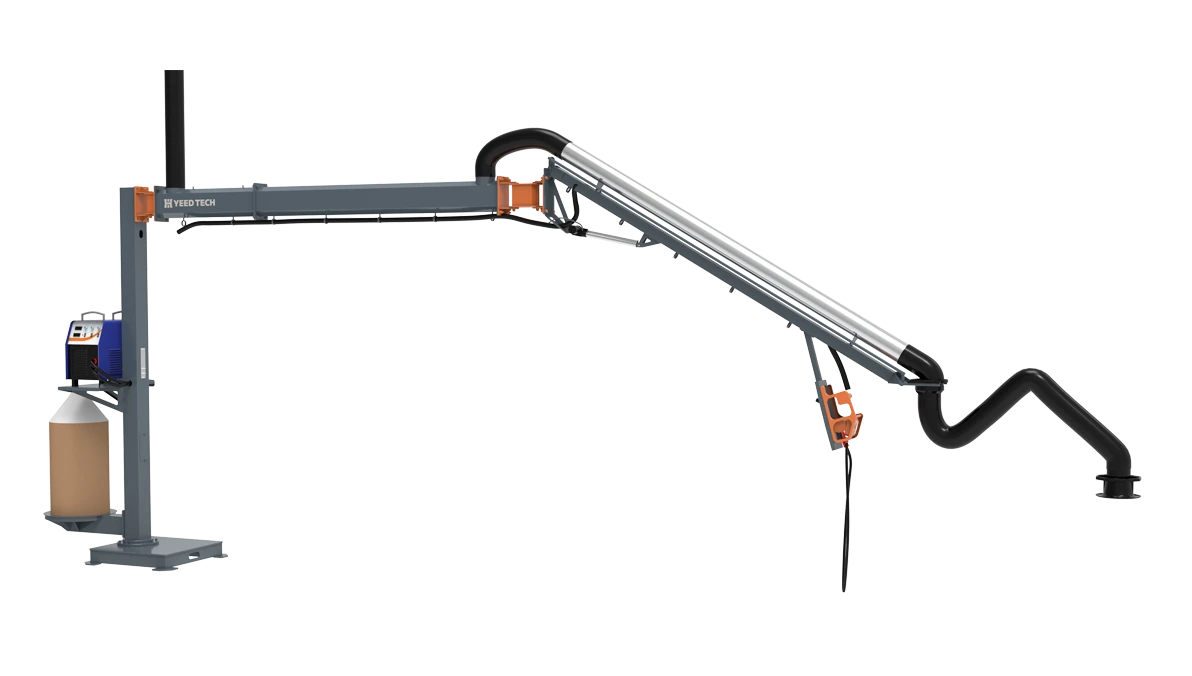
Over the years, I’ve noticed how much thought goes into their design—often underestimated by those outside the field. These units aren’t just rigid pipes stuck in place. Instead, they employ a delicate flexibility combined with sturdy build quality, made so that operators can easily position the nozzle right where it’s needed without fuss or constant adjustments.
Oddly enough, the materials used in these arms can make a big difference in durability and ease of movement. Most quality brands opt for lightweight aluminum or coated steel articulated joints, often combined with noise-reducing, smooth-lined hoses that prevent dust buildup. I remember one shop where the arms had rubber bellows that got sticky after a year, making movement clunky—definitely something to look out for when choosing.
Design and Customization: What Sets the Best Apart?
What’s impressive about modern fume extraction arms is how customizable they are. The length, diameter, mounting options (ceiling, wall, or bench-mounted), and airflow capacity can usually be tailored — which makes a huge difference depending on your industry. For example, smaller arms are often perfect for electronics soldering stations, whereas larger diameter arms suit heavy welding environments.
In one particular case, a client in automotive manufacturing needed an arm capable of withstanding high ambient temperatures and frequent repositioning during assembly tasks. We helped specify arms with heat-resistant coatings and reinforced joints. It’s these custom touches that often get overlooked but ultimately keep the workflow smooth and workers safe.
Performance Specs at a Glance
| Feature | Typical Range / Value | Notes |
|---|---|---|
| Arm Length | 1.5 m - 3 m | Choose based on workspace size and reach needed |
| Diameter of Extraction Duct | 100 - 160 mm | Wider diameter improves air volume and efficiency |
| Max Airflow Capacity | 300 - 700 m³/h | Depends on motor and filter system compatibility |
| Material | Aluminum / Steel / Polyurethane Hose | Material affects weight and corrosion resistance |
| Mounting Options | Bench, Wall, Ceiling | Flexibility to suit various workflows |
Comparing Leading Vendors: What to Look For
A little rule of thumb I often share with new clients: don’t just shop by price. Quality and after-sales support matter just as much with fume extraction arms. Here’s a quick rundown based on my experience evaluating three notable manufacturers:
| Brand | Build Quality | Customization | After-Sales Support | Price Range |
|---|---|---|---|---|
| AirFlex | High-quality aluminum, smooth joints | Wide range of options | Responsive, good warranty | $$$ |
| SmokeClear | Sturdy steel with reinforced parts | Limited customization | Average support | $$ |
| FumeMaster | Good value, lighter materials | Custom lengths available | Strong customer service | $ |
It’s worth noting that many engineers say the feel of the arm in operation – how smoothly it moves, how easy it is to reposition – can influence worker satisfaction as much as technical specs. I suppose it’s because it becomes an extension of their workspace, almost like a trusted tool.
To close, it’s clear to me that investing in the right fume extraction arm isn’t just about meeting regulatory compliance—it’s about making an everyday difference in safety and efficiency. It’s a detail, sure, but one that pays dividends over time.
Final Thoughts
If there’s one takeaway: never underestimate the role of quality design and customization. They truly shape the operators’ experience and workplace health — and oddly enough, they tend to make workplaces feel smarter and more professional just by existing there.
References:
1. Industrial Ventilation — A Manual of Recommended Practice, ACGIH, 30th Edition.
2. OSHA Technical Manual (OTM) Section III: Chapter 5 — Ventilation.
3. Personal experience working with industrial safety equipment over 15+ years.
Latest News
-
Efficient automated hot air drying equipment for steel structure application
NewsApr.16,2026 -
Efficient hot air drying system for steel structure spraying line
NewsApr.09,2026 -
Optimizing Steel Structure Spraying with Hot Air Drying Technology Solutions
NewsApr.07,2026 -
HighEfficiency Hot Air Drying Painting Equipment for Superior Industrial Coatings
NewsApr.04,2026 -
Optimizing Industrial Processes with Hot Air Furnace Heating Spraying Systems
NewsMar.31,2026 -
Comprehensive Tailormade Steel Structure Spraying Solution for Enhanced Durability
NewsMar.28,2026 -
Optimizing Steel Structure Protection through Customization and Integration of Spraying System
NewsMar.26,2026