Premium Welding Boom Arm for Efficient Fume Extraction
Introduction to Advanced Welding Fume Extraction
In modern industrial environments, ensuring worker safety and maintaining air quality are paramount. Welding operations inherently produce hazardous fumes, gases, and particulate matter that, if not properly managed, can lead to severe health issues and decreased productivity. This comprehensive overview focuses on the critical role of a welding boom arm, a vital component in advanced fume extraction systems. Designed to capture harmful airborne contaminants directly at the source, these devices are indispensable for compliance with occupational safety regulations and for fostering a healthier workspace. We will delve into their technical intricacies, application versatility, and the significant advantages they offer in diverse manufacturing and fabrication settings.
The continuous evolution of industrial safety standards, coupled with advancements in material science and engineering, drives the demand for highly efficient and durable fume extraction solutions. The primary goal is not just compliance, but the creation of an environment where precision welding can be performed without compromising the long-term well-being of skilled labor. This article will provide B2B decision-makers and technical personnel with insights into selecting, implementing, and optimizing these essential industrial tools.
Industry Trends in Welding Fume Management
The global industrial landscape is experiencing a paradigm shift towards enhanced environmental health and safety (EHS) protocols. For welding operations, this translates into increasingly stringent regulations concerning airborne contaminants. A significant trend is the adoption of integrated welding air filtration systems that combine robust extraction with sophisticated filtration technologies. The market is seeing a push for systems that offer higher efficiency particulate air (HEPA) filtration, active carbon absorption for gases, and smart monitoring capabilities.
Another key trend is the demand for mobility and adaptability. Manufacturing facilities often require flexible solutions that can be repositioned easily, leading to innovations in portable and modular fume extraction units. Automation and IoT integration are also emerging, allowing for predictive maintenance, remote monitoring of air quality, and optimization of energy consumption. Manufacturers are increasingly focusing on energy-efficient designs, leveraging EC motors and advanced fan technologies to reduce operational costs, which is a critical factor for industrial clients. The focus is shifting from basic compliance to proactive risk management and sustainability, with an emphasis on total cost of ownership (TCO) over mere initial investment.
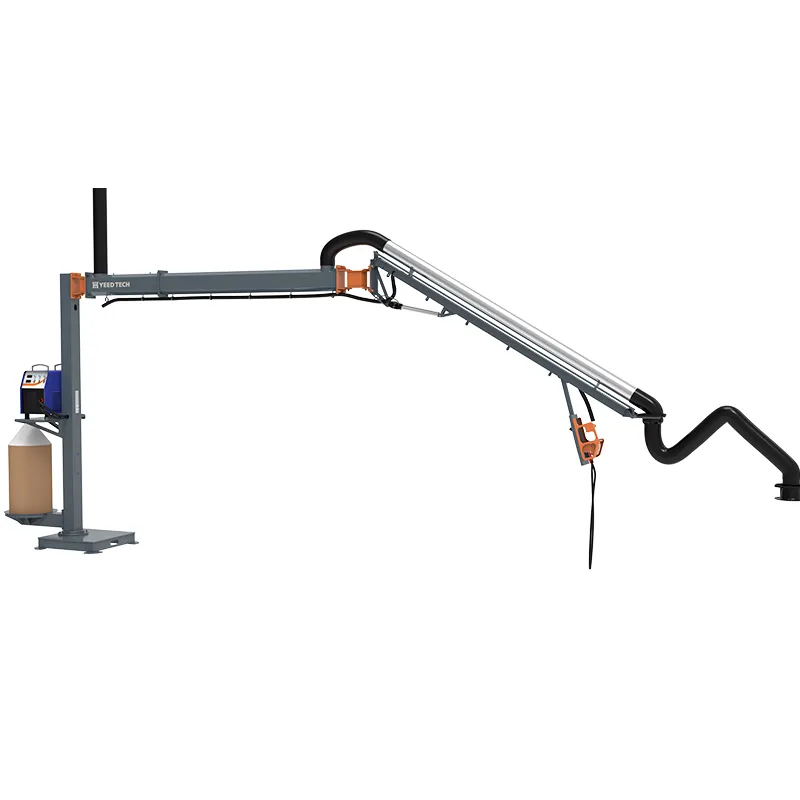
Figure 1: Modern industrial welding workstation with integrated fume extraction.
The welding boom arm: Structure and Technical Specifications
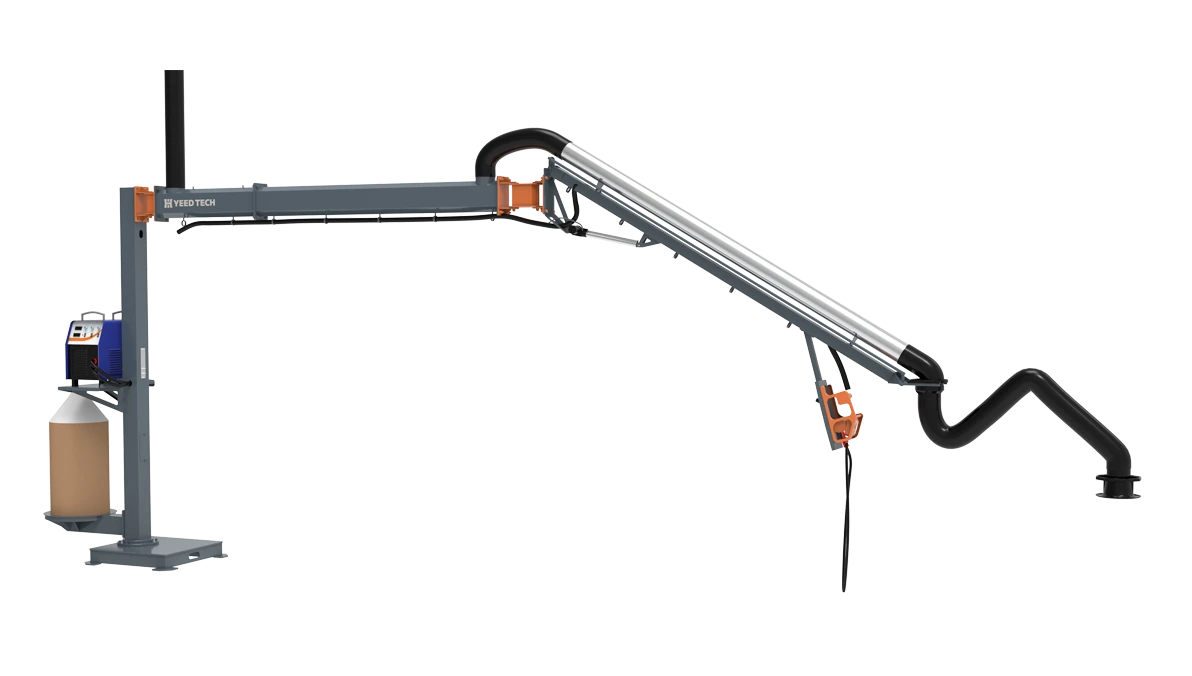
A welding boom arm is a sophisticated articulated extraction system designed to provide localized capture of welding fumes. Its typical structure comprises a series of robust, corrosion-resistant aluminum or steel segments, connected by friction joints or gas spring mechanisms that allow for precise positioning and superior reach. The arm terminates in an extraction hood, often conical or flared, optimized for capturing fumes directly at the welding arc.
Key technical parameters include arm length (ranging from 2 to 6 meters, or approximately 6.5 to 20 feet), diameter of the flexible hose/ductwork (typically 150-250 mm), and airflow capacity (often specified in CFM or m³/h). The internal mechanisms are designed for minimal pressure drop, ensuring maximum extraction efficiency. The material selection is critical: components exposed to fumes are typically made from galvanized steel, stainless steel, or high-grade plastics resistant to heat and chemicals, enhancing durability and service life.
| Parameter | Specification Range | Unit |
|---|---|---|
| Arm Length | 2 - 6 | meters |
| Hose/Duct Diameter | 150 - 250 | mm |
| Airflow Capacity | 800 - 1800 | m³/h |
| Operating Temperature | -10 to +100 | °C |
| Material (Segments) | Anodized Aluminum / Powder-Coated Steel | - |
| Noise Level (Arm only) | < 70 | dB(A) |
| Mounting Options | Wall, Ceiling, Mobile, Column | - |
These specifications underline the adaptability and robust engineering required for effective fume capture in demanding environments.
Manufacturing Process of a welding boom arm
The production of a high-quality welding boom arm involves a series of precision engineering and manufacturing steps, ensuring durability, functionality, and compliance with international standards.
- Material Selection & Preparation: High-grade materials such as anodized aluminum for lightweight strength and corrosion resistance, or powder-coated steel for robust applications, are sourced. Flexible hoses are typically made from PVC, polyurethane, or composite materials capable of withstanding high temperatures and abrasive particles.
-
Component Manufacturing:
- Casting/Forging: Complex joint components, mounting brackets, and specific connectors may undergo casting (e.g., aluminum alloys) or forging processes to achieve desired strength and geometry.
- CNC Machining: Precision parts, such as internal friction joint components, pivot pins, and flange connectors, are CNC machined to tight tolerances (typically ±0.02mm). This ensures smooth articulation and secure locking mechanisms.
- Sheet Metal Fabrication: Ducts, hoods, and structural supports are fabricated from sheet metal using laser cutting, bending, and welding techniques.
- Surface Treatment: Metal components undergo surface treatments like anodizing for aluminum or powder coating for steel to enhance corrosion resistance, wear resistance, and aesthetic appeal. This is crucial for extending service life in harsh industrial environments.
- Assembly: Skilled technicians assemble the various segments, joints, and extraction hood. Gas springs, if used, are carefully integrated for effortless positioning. Electrical components for fan control or lighting are also integrated at this stage.
-
Quality Control & Testing: Each arm undergoes rigorous testing.
- Articulation Test: Verifying smooth movement and stable positioning across its full range of motion.
- Pressure Drop Test: Measuring internal airflow resistance to ensure optimal performance when connected to a fan unit.
- Durability Test: Components are often subjected to cycle testing to simulate years of use, confirming a projected service life of 10-15 years under normal operating conditions.
- Compliance: Products are tested to meet international standards such as ISO 15012-1:2017 (Health and safety in welding and allied processes - Fume extraction equipment) and ANSI Z49.1 (Safety in Welding, Cutting, and Allied Processes).
- Packaging & Shipping: Finished products are securely packaged to prevent damage during transit to target industries, including petrochemical, metallurgy, heavy fabrication, automotive, and water supply & drainage sectors.
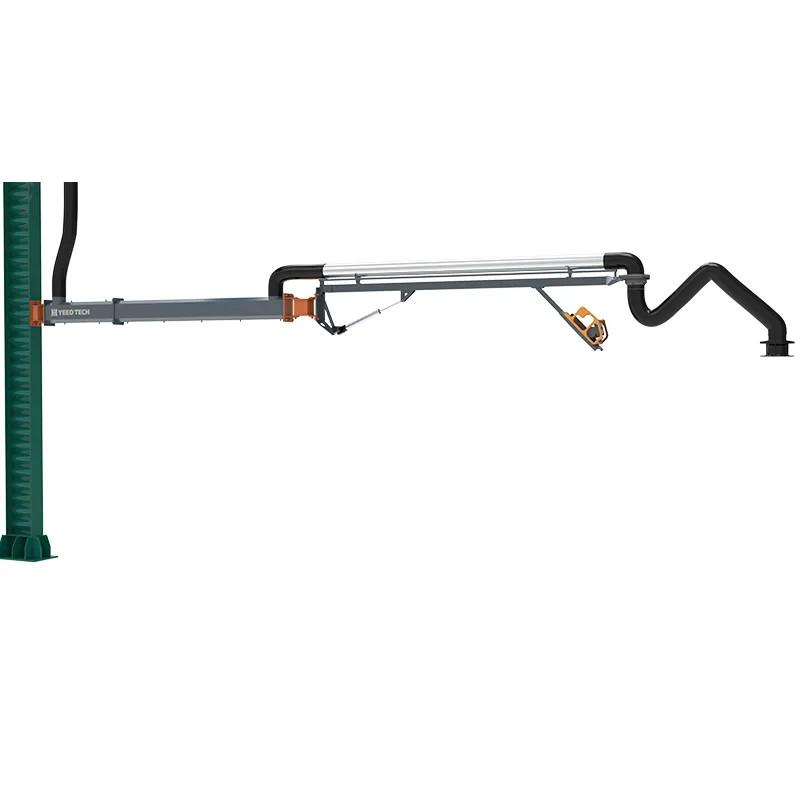
Figure 2: Precision manufacturing of a flexible boom arm joint.
Technical Advantages and Performance Metrics
The technical advantages of a well-engineered welding boom arm extend beyond basic fume capture, offering significant operational benefits:
- Superior Source Capture: By positioning the extraction hood directly at the welding point, these arms achieve capture efficiencies exceeding 95% for particulate matter, minimizing the spread of fumes into the general workspace. This direct capture mechanism is far more effective than general ventilation.
- Energy Saving: Efficient source capture reduces the overall ventilation requirements for a facility. Less air needs to be heated or cooled and subsequently exhausted, leading to substantial energy savings. Studies show that targeted extraction can reduce HVAC energy consumption by up to 30-50% compared to reliance on ambient ventilation systems.
- Corrosion Resistance & Durability: Constructed from materials like anodized aluminum or specific grades of stainless steel, these arms offer excellent resistance to corrosive elements present in welding fumes, ensuring a prolonged service life even in challenging chemical environments.
- Ergonomic Design: Advanced designs incorporate balanced spring mechanisms or gas struts, allowing operators to easily and precisely position the arm with minimal effort. This ergonomic benefit reduces operator fatigue and encourages consistent use of the extraction system.
- Low Noise Operation: Optimized internal airflow paths and high-quality bearings in joints contribute to quieter operation, maintaining a more conducive working environment. Modern arms often operate below 70 dB(A) when properly integrated with a suitable fan.
- Versatile Mounting Options: Available in wall-mounted, ceiling-mounted, column-mounted, or mobile configurations, providing flexibility to integrate into almost any workshop layout without obstructing workflow.
These advantages collectively contribute to a safer, more productive, and cost-efficient welding operation, aligning with the stringent demands of contemporary industrial safety and environmental regulations.
Application Scenarios and Target Industries
The versatility of the welding boom arm makes it indispensable across a broad spectrum of industries, effectively managing hazardous fumes from various welding, grinding, and light fabrication processes.
- Metallurgy & Heavy Fabrication: In large-scale steel mills, shipyards, and structural steel fabrication plants, powerful and long-reach boom arms are crucial for extracting fumes from heavy-duty welding (MIG, TIG, Stick, Flux-Cored Arc Welding) on massive components. The sheer volume of welding makes localized extraction paramount.
- Automotive Manufacturing & Repair: Body shops and assembly lines utilize compact and highly maneuverable arms to extract fumes from spot welding, exhaust system repairs, and panel fabrication, ensuring air quality in confined spaces and around sensitive electronics.
- Petrochemical & Chemical Plants: These environments demand arms constructed from specific corrosion-resistant materials (e.g., stainless steel 316L) to withstand aggressive chemical exposures while performing welding on pipelines, storage tanks, and process equipment. The robust design of a dedicated welding gas extractor is critical here.
- Education & Training Facilities: Vocational schools and welding training centers employ these arms to protect students and instructors, providing a safe learning environment while teaching proper ventilation practices.
- Aerospace & Precision Manufacturing: For welding exotic alloys in cleanroom-like conditions, specialized boom arms with advanced filtration and minimal particulate shedding are employed to maintain stringent air quality requirements.
- Water Supply & Drainage: Fabrication and repair of large pipes, pumps, and valves, often involving specialized alloys or coatings, benefit from robust fume extraction to protect workers in confined or difficult-to-access areas.
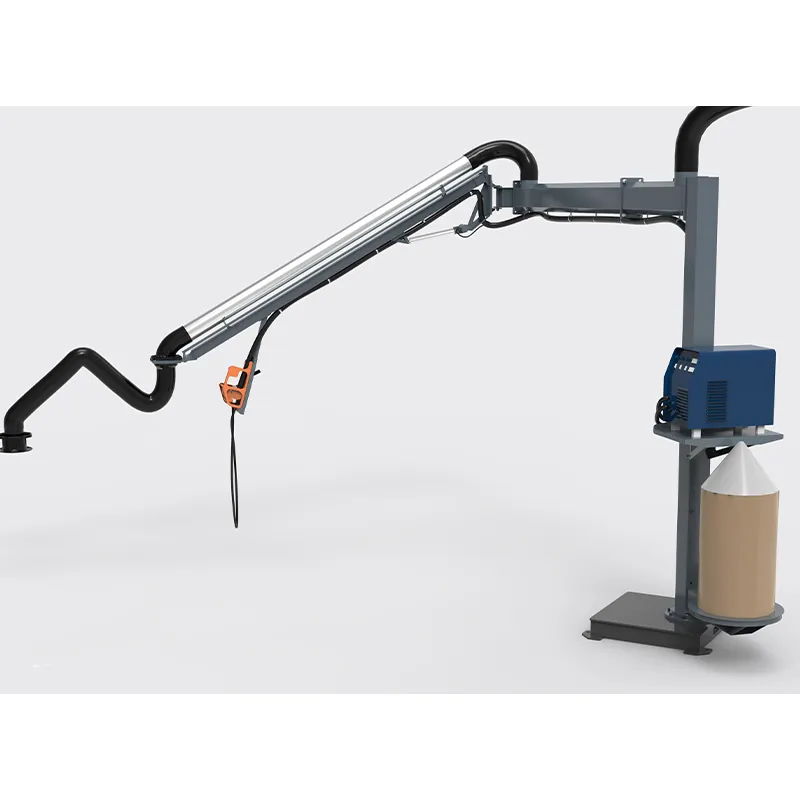
Figure 3: Welding fume extraction arm in use during automotive chassis welding.
Customized Solutions for Specialized Needs
While standard welding boom arm configurations meet many industrial needs, specific operational requirements often necessitate customized solutions. Leading manufacturers understand that "one size fits all" rarely applies to complex B2B environments. Customization options can range from material specifications to specialized mounting and integration with existing HVAC or filtration systems.
Examples of customization include extended reach arms for large workpieces, ATEX-certified arms for explosive environments, and arms with integrated lighting or camera systems for enhanced visibility and process monitoring. For highly corrosive applications, specialized coatings or full stainless steel construction (e.g., 304 or 316L) are available. Furthermore, integrating the arm's controls with automated welding cells or robotic systems allows for seamless operation and improved safety interlocks. Providers often work closely with clients, utilizing CAD modeling and airflow simulations to design a system that precisely addresses unique challenges, ensuring optimal performance and regulatory compliance.
Vendor Comparison and Choosing the Right welding boom arm
Selecting the appropriate welding boom arm requires careful consideration of various factors, including technical specifications, vendor reputation, and overall value, including the welding fume extraction arm price. A thorough vendor comparison helps in making an informed decision.
| Feature/Vendor | Vendor A (YEEED - Typical) | Vendor B (Competitor Example) | Vendor C (High-End Example) |
|---|---|---|---|
| Arm Length Range (m) | 2-6 | 2-4 | 3-8 |
| Duct Diameter (mm) | 150-250 | 150-200 | 160-300 |
| Joint Mechanism | Friction Joints / Gas Spring | External Friction | Internal Gas Struts, SmoothFlow |
| Primary Materials | Anodized Al / Powder-Coated Steel | Galvanized Steel | Stainless Steel / High-Grade Al |
| Corrosion Resistance | Good to Excellent | Standard | Excellent (Chemical, Marine) |
| Certifications | ISO 9001, CE, (select models) ATEX | CE | ISO, CE, ATEX, OSHA Compliant |
| Customization Options | Moderate to Extensive | Limited | Extensive (materials, sensors, controls) |
| Integrated Features | Optional LED Light / Fan Switch | Basic Fan Switch | Integrated LED, Smart Sensors, Remote Control |
| After-Sales Support | Global Network, Spare Parts, Tech Support | Regional Distributors | Dedicated Account Manager, On-site Service |
When evaluating vendors, consider not just the upfront welding fume extraction arm price but also the total cost of ownership, including energy efficiency, maintenance requirements, and the expected service life. YEEED, for example, prioritizes a balance of performance, durability, and cost-effectiveness, offering competitive solutions that adhere to international quality and safety standards. Always request detailed technical data sheets, certifications, and references to ensure the chosen solution aligns perfectly with your operational needs and budget.
Application Case Studies
Real-world applications demonstrate the tangible benefits of implementing high-quality fume extraction arms.
Case Study 1: Large-Scale Structural Steel Fabrication
A major European structural steel fabricator faced challenges with extensive welding fumes across multiple large workstations. Traditional overhead ventilation proved insufficient, leading to poor air quality and worker complaints. After consultation, the company implemented 25 long-reach YEEED welding boom arm units, ceiling-mounted and connected to a centralized filtration system. Within three months, air quality monitoring showed a 70% reduction in airborne particulate matter in the breathing zone of welders. The facility reported a significant improvement in worker comfort, a decrease in respiratory health-related absenteeism, and a 15% reduction in overall energy costs due to optimized ventilation. The project successfully met ISO 15012-1:2017 compliance.
Case Study 2: Precision Welding in Automotive Production
An automotive component manufacturer specializing in high-strength low-alloy (HSLA) steel welding for chassis parts required precise fume capture without interfering with robotic welding paths. They deployed 12 compact, wall-mounted YEEED fume extraction arms with integrated sensors that automatically activate upon welding arc initiation. This "smart" system ensured immediate fume capture without manual intervention, crucial for maintaining consistent production flow. The client noted a 90% reduction in localized fume concentration, minimal operator interaction, and seamless integration with their existing automated production lines, contributing to their industry certification for sustainable manufacturing.
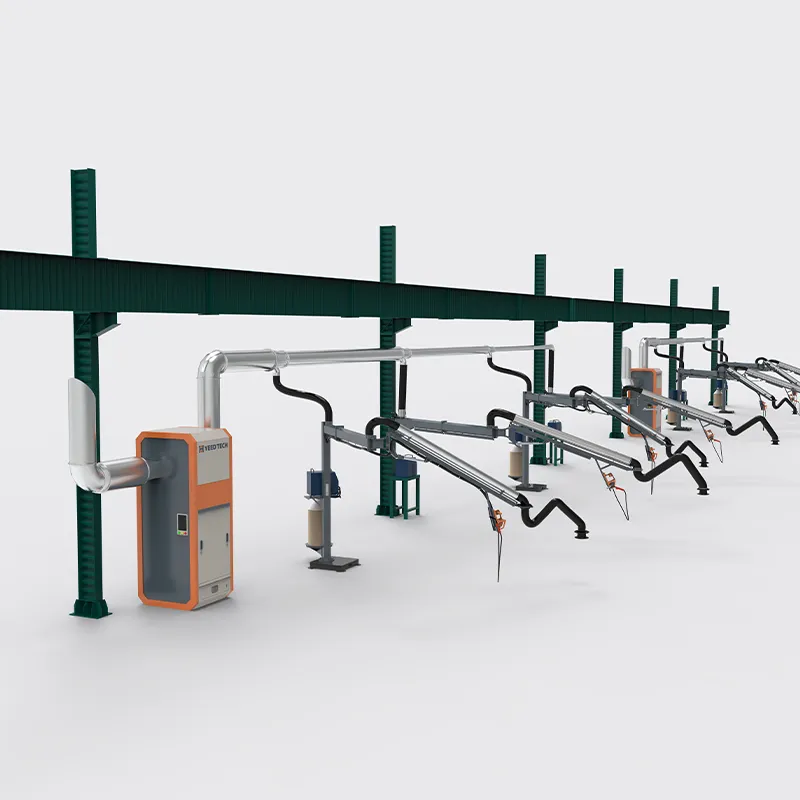
Figure 4: A welding boom arm effectively capturing fumes during heavy fabrication.
Frequently Asked Questions (FAQ)
Q1: What is the ideal arm length for my application?
A1: The ideal arm length depends on the size of your workpiece and the reach required from the mounting point. For typical workstations, 2-4 meter arms suffice. Larger workpieces or multiple welding points may require 5-6 meter arms, or even rail-mounted systems for extensive linear coverage.
Q2: How often should the filters associated with the extraction arm be changed?
A2: Filter change frequency varies significantly based on welding volume, type of material, and filter technology. Integrated pressure gauges or airflow sensors on advanced filtration units will indicate when filters are saturated and need replacement. As a general guideline, for moderate use, particulate filters may last 6-12 months, while activated carbon filters for gases might require replacement every 3-6 months.
Q3: Can a welding boom arm be used for other types of fume extraction?
A3: Yes, a welding boom arm is highly versatile and can be effectively used for dust and fume extraction from grinding, sanding, soldering, and other light fabrication processes that generate airborne contaminants. Ensure the extraction unit and filtration system are compatible with the specific type of pollutant.
Q4: What maintenance is required for a fume extraction arm?
A4: Routine maintenance involves checking the condition of flexible hoses for wear, ensuring joints articulate smoothly, and inspecting the hood for damage. Periodically, the internal ductwork should be inspected for buildup. For the associated fan and filter unit, regular filter changes, motor checks, and cleaning are essential to maintain optimal performance and longevity.
Lead Time, Warranty, and Customer Support
Understanding the logistical and support frameworks is crucial for B2B procurement.
Lead Time and Fulfillment
Standard welding boom arm models typically have a lead time of 2-4 weeks from order confirmation, depending on current stock levels and manufacturing schedules. For customized solutions or large-volume orders, lead times may extend to 6-10 weeks to accommodate specialized material sourcing and production processes. We maintain a robust supply chain to ensure timely delivery and work closely with clients to manage project timelines effectively.
Warranty Commitments
Our welding boom arm products are backed by a comprehensive 2-year manufacturer's warranty covering defects in materials and workmanship. Extended warranty options are available for specific components or for long-term service agreements, providing clients with peace of mind regarding their investment.
Customer Support
We are committed to providing exceptional post-sales support. Our dedicated technical support team is available via phone and email for installation guidance, troubleshooting, and maintenance advice. We also offer a full range of spare parts and can arrange for on-site service through our network of certified technicians, ensuring minimal downtime and continued operational efficiency for your fume extraction systems.
Conclusion
The implementation of a high-performance welding boom arm is no longer just an optional add-on but a fundamental requirement for modern industrial welding and fabrication facilities. These advanced extraction systems are central to protecting worker health, complying with stringent EHS regulations, and enhancing overall operational efficiency. By investing in robust, ergonomically designed, and customizable fume extraction arms, businesses can ensure a safer, cleaner, and more productive working environment, contributing significantly to long-term sustainability and employee well-being.
References
- International Organization for Standardization. ISO 15012-1:2017 - Health and safety in welding and allied processes - Fume extraction equipment - Part 1: Requirements for design, manufacture and performance.
- American National Standards Institute. ANSI Z49.1 - Safety in Welding, Cutting, and Allied Processes.
- Occupational Safety and Health Administration (OSHA). Welding, Cutting, and Brazing Safety Regulations (29 CFR 1910.252).
- National Institute for Occupational Safety and Health (NIOSH). Control of Welding Fumes and Gases.
Latest News
-
Efficient automated hot air drying equipment for steel structure application
NewsApr.16,2026 -
Efficient hot air drying system for steel structure spraying line
NewsApr.09,2026 -
Optimizing Steel Structure Spraying with Hot Air Drying Technology Solutions
NewsApr.07,2026 -
HighEfficiency Hot Air Drying Painting Equipment for Superior Industrial Coatings
NewsApr.04,2026 -
Optimizing Industrial Processes with Hot Air Furnace Heating Spraying Systems
NewsMar.31,2026 -
Comprehensive Tailormade Steel Structure Spraying Solution for Enhanced Durability
NewsMar.28,2026 -
Optimizing Steel Structure Protection through Customization and Integration of Spraying System
NewsMar.26,2026