Premium Structural Coating: Unrivaled Durability & Protection
Industry Trends and the Imperative of Advanced Protective Coatings
The global industrial landscape is increasingly demanding advanced solutions for asset protection and longevity. As infrastructure ages and new projects emerge in challenging environments, the integrity of structural steel components becomes paramount. This drives the escalating importance of high-performance structural coating systems. The market for industrial coatings is projected to grow significantly, driven by stringent regulatory standards, the need for extended maintenance cycles, and the rising costs associated with material degradation. Industries such as petrochemical, maritime, energy, and civil engineering are at the forefront, requiring robust protection against corrosion, abrasion, and chemical attack. Modern trends emphasize not only durability but also environmental compliance, application efficiency, and the integration of smart coating technologies for monitoring and predictive maintenance. This shift underscores a move towards holistic asset management, where the initial investment in a superior coating system translates into substantial long-term operational savings and enhanced safety.
The Advanced Process Flow of Heavy Steel Structure Painting Lines
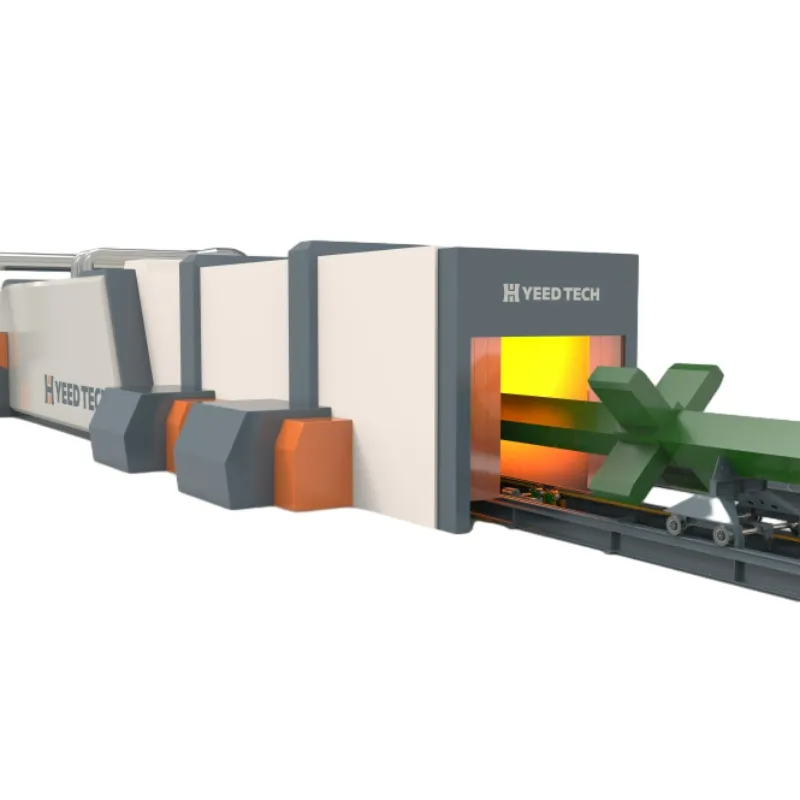
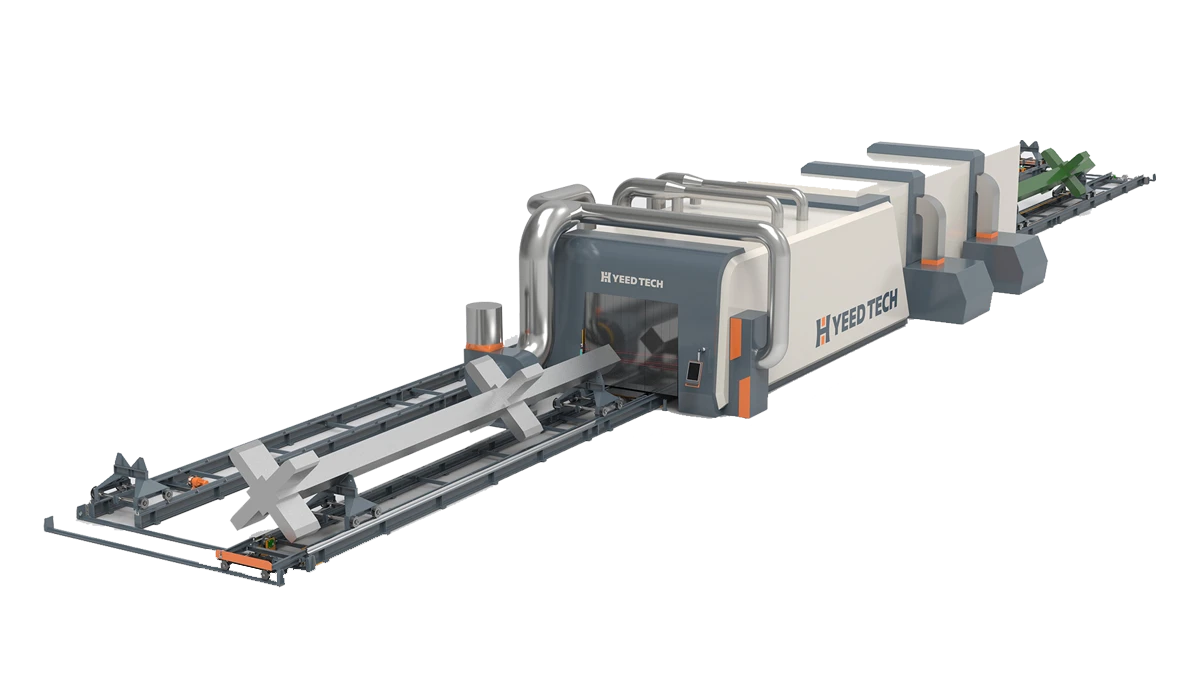
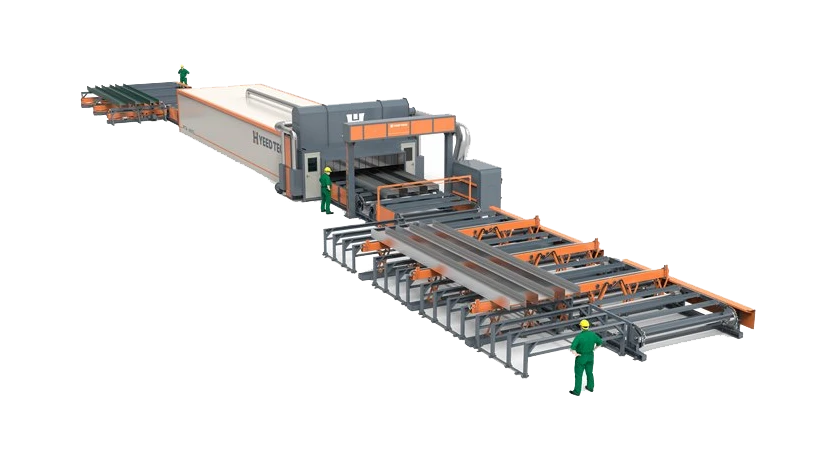
The application of a high-performance structural coating is not merely a single step but a meticulously engineered process within a specialized painting line, such as a Heavy Steel Structure Painting Line. This integrated system ensures optimal adhesion, consistent thickness, and the desired protective properties crucial for the longevity of steel assets. The typical process flow encompasses several critical stages:
1. Surface Preparation (Blast Cleaning)
This foundational step is critical for coating adhesion and performance. Steel structures undergo automated blast cleaning, typically to SA 2.5 or SA 3.0 standards (ISO 8501-1), using abrasive media like steel grit or shot. This process removes rust, mill scale, old coatings, and other contaminants, creating a profiled surface that allows for mechanical interlocking of the coating. Advanced lines utilize high-efficiency turbine blasting systems with reclaim and dust collection for environmental compliance.
Materials: Steel grit, steel shot, garnet. Manufacturing Process: Mechanical abrasive blasting. Testing Standards: ISO 8501-1 (surface cleanliness), ISO 8503 (surface roughness).
2. Prime Coat Application
Immediately after blast cleaning, a primer is applied, often a zinc-rich epoxy or an inorganic zinc silicate. This initial layer provides cathodic protection and excellent adhesion to the substrate. Application is typically via airless spray, ensuring uniform coverage and specified dry film thickness (DFT).
Materials: Zinc-rich epoxy primers, inorganic zinc silicates. Manufacturing Process: Automated airless spray painting. Testing Standards: ASTM D7091 (DFT measurement), ASTM D3359 (adhesion).
3. Intermediate Coat Application
Once the primer has cured, one or more intermediate coats, typically epoxy-based, are applied. These layers build film thickness, enhance barrier protection, and improve resistance to various chemicals and abrasion. They also serve as a crucial tie-coat between the primer and the topcoat.
Materials: High-build epoxy coatings. Manufacturing Process: Automated airless spray painting. Testing Standards: ISO 12944 (corrosion protection categories), ASTM D4541 (pull-off adhesion).
4. Topcoat Application
The final topcoat provides aesthetic appeal, UV resistance, and the ultimate line of defense against environmental exposure. Polyurethane or fluoropolymer coatings are commonly used for their excellent color retention and weatherability.
Materials: Polyurethane, polysiloxane, fluoropolymer topcoats. Manufacturing Process: Automated airless spray painting. Testing Standards: ASTM G154 (UV resistance), ASTM D2244 (color difference).
5. Curing and Drying
Each coating layer requires specific curing times and conditions, often accelerated in temperature-controlled drying ovens. Proper curing ensures the coating achieves its full mechanical and chemical properties.
Manufacturing Process: Controlled atmospheric drying/curing.
6. Quality Control and Inspection
Throughout the process, rigorous quality control checks are performed, including DFT measurements, adhesion tests, visual inspections, and holiday detection (for immersion service coatings). This ensures compliance with project specifications and industry standards.
Testing Standards: ISO 2808 (DFT), ASTM D4541 (pull-off adhesion), NACE RP0188 (holiday detection).
This meticulous process ensures a typical service life for the structural coating system ranging from 15 to 25+ years, depending on the chosen system and environmental aggression.
Target Industries: Petrochemical, Offshore & Marine, Bridge Construction, Power Generation, Metallurgy, Water Supply & Drainage.
Demonstrated Advantages: Energy saving (reduced re-application frequency, lower lifecycle costs), superior corrosion resistance (extended asset life), chemical inertness (protection in aggressive environments), UV stability (aesthetic retention, reduced degradation), abrasion resistance (mechanical protection).
Technical Specifications and Data Visualization
Understanding the technical specifications of a Heavy Steel Structure Painting Line and the coating systems it applies is crucial for making informed investment decisions. Below, we provide typical parameters for an advanced industrial painting line and a comparison of common structural coating types.
Heavy Steel Structure Painting Line – Typical Specifications
| Parameter | Specification | Notes |
|---|---|---|
| Max Workpiece Dimensions (L x W x H) | Up to 25m x 4m x 4m | Customizable for larger or smaller structures |
| Processing Speed | 0.5 - 2.0 m/min (adjustable) | Dependent on coating type, thickness, and curing time |
| Coating Thickness Range | 50 - 500 microns (per layer) | Multi-layer systems achieve higher total DFT |
| Blast Cleaning Standard | SA 2.5 - SA 3.0 (ISO 8501-1) | Achieved via multiple turbine blast wheels |
| Drying/Curing Temperature | Ambient to 80°C (adjustable) | Optimized for various paint types |
| Control System | PLC with HMI Interface | Automated control, data logging, remote diagnostics |
| Power Consumption (Total) | Approx. 150-300 kW | Varies with configuration and operational intensity |
| Environmental Compliance | Integrated VOC abatement, dust collection | Meets local and international emission standards |
Comparison of Common Structural Coating Types
| Coating Type | Primary Function | Key Advantages | Limitations | Typical Service Life (C5 Environment) |
|---|---|---|---|---|
| Zinc-Rich Epoxy Primer | Corrosion Inhibition (Sacrificial) | Excellent adhesion, cathodic protection, good base for subsequent coats. | Limited UV stability, requires topcoat. | 20+ years (as part of system) |
| High-Build Epoxy | Barrier Protection, Chemical Resistance | Excellent chemical resistance, abrasion resistance, high film build, good adhesion. | Poor UV stability (chalks), requires topcoat for outdoor exposure. | 15-20 years (as part of system) |
| Polyurethane Topcoat | UV Resistance, Aesthetics, Weatherability | Excellent gloss and color retention, good abrasion resistance, flexible. | Less chemical resistance than epoxy, requires primer/intermediate. | 10-15 years (as topcoat) |
| Polysiloxane Topcoat | Superior UV & Abrasion Resistance | Outstanding color and gloss retention, excellent abrasion/chemical resistance, low VOC. | Higher cost, requires specific application expertise. | 15-20 years (as topcoat) |
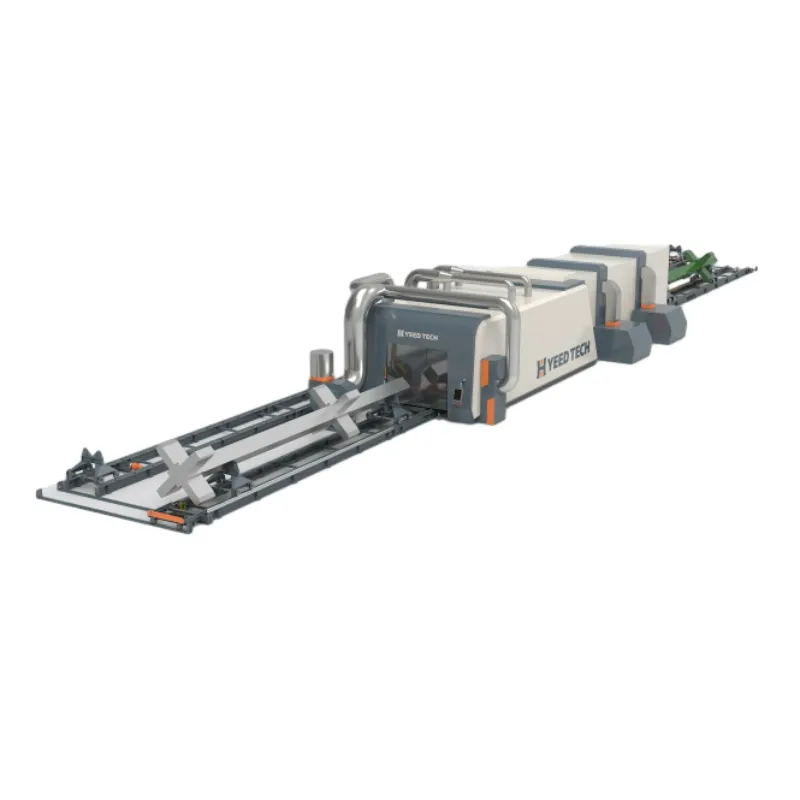
These tables highlight that the selection of the right painting line and coating system is a complex decision, requiring a deep understanding of environmental conditions, desired service life, and specific chemical exposures. Compliance with standards like ISO 12944 for corrosion protection of steel structures by protective paint systems is paramount in defining the appropriate system.
Versatile Application Scenarios for Structural Coating
The robust protection offered by advanced structural coating systems is indispensable across a multitude of industries, safeguarding critical infrastructure against severe environmental and operational stressors.
- Petrochemical and Chemical Plants: In environments exposed to highly corrosive chemicals, high temperatures, and constant atmospheric moisture, coatings must provide exceptional chemical resistance and barrier protection. Applications include storage tanks, pipelines, process vessels, and structural steel frames that support critical equipment. The chosen coating system prevents catastrophic failures, ensures operational continuity, and reduces the frequency of costly maintenance shutdowns.
- Offshore Platforms and Marine Vessels: Extreme conditions—saltwater immersion, constant UV exposure, severe abrasion from waves, and harsh winds—demand coatings with superior corrosion and abrasion resistance. This includes the splash zone, atmospheric zone, and submerged areas of oil rigs, FPSOs (Floating Production Storage and Offloading), and cargo ships. Coatings must meet stringent maritime certifications for long-term performance.
- Bridges and Civil Infrastructure: Long-span bridges, overpasses, and structural components of public buildings are exposed to weathering, traffic-induced abrasion, and varying atmospheric conditions. Coatings provide crucial protection against corrosion, extending the design life of these vital assets, minimizing the need for disruptive repairs, and maintaining aesthetic integrity.
- Power Generation Facilities: Coal-fired, nuclear, and renewable energy plants (e.g., wind turbines, solar farm structures) utilize steel structures that require protection from industrial atmospheres, moisture, and sometimes elevated temperatures. Coatings on cooling towers, turbine housings, and support structures ensure operational reliability and prevent premature degradation.
- Water and Wastewater Treatment Facilities: Steel components in these plants are subject to continuous immersion, chemical exposure (e.g., chlorine, hydrogen sulfide), and microbial attack. Specialized coatings are essential for the internal and external surfaces of clarifiers, digesters, pipes, and tanks to prevent corrosion and maintain water quality standards, often requiring NSF/ANSI 61 certification for potable water contact.
- Mining and Mineral Processing: Equipment and structures in these sectors face severe abrasion, impact, and chemical exposure from ore slurries, acidic leaching agents, and heavy machinery. Coatings must withstand these mechanical stresses while providing corrosion protection in challenging, often remote, environments.
Technical Advantages of Superior Structural Coating Systems
Investing in a high-quality structural coating system delivers a multitude of technical advantages that directly impact operational efficiency, safety, and long-term profitability.
- Exceptional Corrosion Resistance: Multi-layer coating systems, typically incorporating zinc-rich primers, high-build epoxies, and durable topcoats, provide robust barrier protection and galvanic action, preventing rust formation and substrate degradation even in highly aggressive C5-M (marine) or C5-I (industrial) environments as defined by ISO 12944. This directly translates to significantly extended asset life.
- Enhanced Chemical Resistance: Specialized epoxy and novolac-epoxy formulations offer superior resistance to acids, alkalis, solvents, and fuels. This is critical for structures within chemical processing, storage, and wastewater treatment facilities, preventing coating breakdown and maintaining structural integrity when exposed to aggressive chemicals.
- Superior Abrasion and Impact Resistance: Coatings engineered with tough resins and reinforcing fillers provide a hard-wearing surface that withstands mechanical impact, abrasion from particulate matter, and wear from operational contact. This is particularly beneficial in mining, material handling, and heavy industrial settings, reducing wear and tear on steel components.
- UV Stability and Aesthetic Retention: High-performance polyurethane and polysiloxane topcoats offer excellent resistance to UV radiation, preventing chalking, fading, and degradation. This ensures that the aesthetic appearance of structures is maintained over decades, reducing the need for costly recoating cycles driven by cosmetic failure.
- Reduced Lifecycle Costs: While the initial investment in a premium structural coating may be higher, the extended service life, reduced maintenance frequency, and avoidance of premature asset replacement lead to significant lifecycle cost savings. Data often shows that the total cost of ownership (TCO) is substantially lower for well-protected assets.
- Improved Safety and Environmental Compliance: By preventing structural degradation, coatings contribute to the overall safety of industrial operations. Modern coating systems also incorporate low VOC (Volatile Organic Compound) formulations, contributing to better air quality and compliance with increasingly strict environmental regulations.
Vendor Comparison and Selection Criteria
Selecting the right vendor for a Heavy Steel Structure Painting Line and its associated structural coating solutions is a strategic decision that impacts project timelines, quality, and long-term cost-effectiveness. Key criteria for evaluation include:
- Technical Expertise and R&D: A leading vendor possesses deep engineering knowledge in industrial painting lines, including blast cleaning technology, paint application systems (airless, electrostatic), drying/curing processes, and environmental control. They should demonstrate continuous R&D to incorporate new materials and automation.
- Customization and Flexibility: The ability to tailor painting lines to specific workpiece dimensions, production throughput requirements, and integrate with existing manufacturing processes is critical. This includes flexible handling systems (conveyors, trolleys) and modular design.
- Proven Track Record and Certifications: Look for vendors with a verifiable history of successful installations in similar industries. Authoritativeness is demonstrated through certifications such as ISO 9001 for quality management, adherence to national and international safety standards (e.g., CE, OSHA), and documented project references.
- Comprehensive After-Sales Support: This includes installation and commissioning, operator training, readily available spare parts, remote diagnostics, and responsive technical assistance. A strong commitment to post-purchase support ensures maximum uptime and operational efficiency.
- Environmental and Safety Compliance: Verify the vendor’s commitment to providing systems that minimize emissions (VOCs), efficiently manage waste, and comply with all relevant environmental regulations. Safety features for operators should also be a high priority in machine design.
- Total Cost of Ownership (TCO): Beyond initial purchase price, evaluate factors like energy consumption, maintenance requirements, labor efficiency, and expected service life of the line. A higher initial investment might lead to significantly lower operational costs over the equipment's lifespan.
Customized Solutions for Optimal Structural Coating Application
Recognizing that no two industrial projects are identical, advanced Heavy Steel Structure Painting Lines are designed with a high degree of customization to meet precise operational demands. A reputable vendor works collaboratively with clients to engineer solutions that perfectly align with their specific requirements for structural coating application.
- Tailored Dimensions and Throughput: Painting lines are custom-built to accommodate the maximum dimensions (length, width, height, weight) of a client's specific steel structures, from small modular components to massive bridge sections. Production throughput is optimized based on desired coating volumes and cycle times.
- Integrated Material Handling Systems: Solutions can include overhead conveyor systems, rail-mounted trolleys, powered roller conveyors, and robotic manipulators, all integrated to ensure seamless movement of structures through blast cleaning, painting booths, and drying ovens, minimizing manual intervention and maximizing efficiency.
- Specialized Coating Application Technologies: While airless spray is standard, customization may involve integrating automated robotic spray systems for complex geometries, electrostatic application for improved transfer efficiency, or specialized two-component mixing and application equipment for advanced coating formulations.
- Environmental Control and Recovery: Customized solutions often feature advanced environmental controls, including high-efficiency dust collectors, VOC abatement systems (e.g., Regenerative Thermal Oxidizers – RTOs), and solvent recovery units, specifically designed to meet stringent local and international emission standards for specific coating types.
- Digital Integration and Data Analytics: Modern painting lines can be customized with advanced PLC/SCADA systems for real-time monitoring of process parameters (temperature, humidity, air flow, paint pressure), historical data logging, and integration with broader plant management systems. This enables predictive maintenance and process optimization.
- Energy Efficiency Optimizations: Custom designs can incorporate heat recovery systems for drying ovens, variable frequency drives (VFDs) for motors, and intelligent ventilation systems to reduce energy consumption, aligning with sustainability goals.
Application Case Studies: Proving the Value of Structural Coating
Real-world applications demonstrate the profound impact of well-executed structural coating strategies.
Case Study 1: Major Bridge Infrastructure Project
A leading construction consortium was tasked with building a new cable-stayed bridge in a coastal region known for its aggressive marine environment (C5-M, per ISO 12944). The project required a structural coating system guaranteed for 25 years with minimal maintenance.
Solution Implemented: A state-of-the-art Heavy Steel Structure Painting Line was commissioned, capable of handling bridge segments up to 20 meters in length. The system applied a three-coat system: a 75µm zinc-rich epoxy primer, followed by a 200µm high-build epoxy intermediate coat, and finished with a 75µm polysiloxane topcoat. All application was automated for consistency, and integrated drying ovens accelerated cure times.
Outcome: The painting line delivered consistently high-quality coatings, passing stringent adhesion (ASTM D4541 > 10 MPa) and DFT (ISO 2808) tests. The project achieved its corrosion protection targets, significantly reducing projected maintenance costs and extending the bridge's service life beyond initial estimates. The automated process also reduced labor costs by 30% compared to traditional manual methods.
Case Study 2: Petrochemical Refinery Expansion
A major petrochemical company needed to expand its refinery, requiring protective coatings for new pipe racks, storage tanks, and process equipment. The challenge was exposure to a range of aggressive chemicals, high temperatures, and humid conditions, requiring a chemical-resistant structural coating system.
Solution Implemented: A custom Heavy Steel Structure Painting Line featuring advanced climate control within the blast and paint booths was deployed. The coating system comprised an inorganic zinc silicate primer (80µm) for high-temperature resistance and galvanic protection, followed by two layers of chemical-resistant high-solids epoxy (total 300µm), and a polyurethane topcoat (60µm) for UV stability. Automated airless spray with integrated mixing systems ensured precise application of the specialized coatings.
Outcome: The coated structures demonstrated exceptional resistance to the refinery's harsh chemical environment, with no signs of degradation after five years of operation. The controlled application environment minimized rework and ensured compliance with API standards for tank and pipeline coatings, contributing to the facility's safety and environmental integrity.
: Trustworthiness and Commitment to Service
Frequently Asked Questions (FAQ)
Q: What is the typical lead time for a custom Heavy Steel Structure Painting Line?
A: Lead times vary depending on the complexity and customization required. For a standard line, it typically ranges from 12-18 weeks for manufacturing, followed by 4-8 weeks for shipping, installation, and commissioning. Detailed project timelines are provided after initial consultation and design finalization.
Q: What warranty is offered on the painting line equipment?
A: We offer a standard 12-month warranty on all mechanical and electrical components, starting from the date of commissioning or 18 months from shipment, whichever comes first. Extended warranty options and service contracts are available upon request.
Q: How do you ensure the quality of the applied structural coating?
A: Our painting lines are designed to meet or exceed international standards like ISO 12944. Integrated PLC control ensures precise adherence to process parameters. We also provide comprehensive training for client personnel on quality control procedures, including DFT measurement (ISO 2808), adhesion testing (ASTM D3359), and visual inspection protocols.
Q: Can your painting lines handle different types of structural coating materials?
A: Yes, our systems are highly adaptable. They can be configured to apply various coating types, including zinc-rich primers, high-build epoxies, polyurethanes, polysiloxanes, and specialized chemical-resistant coatings. We work with clients to recommend the optimal system for their specific coating requirements.
Lead Time, Fulfillment, and Warranty Commitments
Our commitment to clients extends beyond product delivery. We pride ourselves on transparent communication regarding lead times, which are meticulously managed from initial design to final commissioning. For typical Heavy Steel Structure Painting Lines, clients can expect a manufacturing phase of 12-18 weeks. This is followed by a rigorous pre-shipment quality assurance process. International shipping and on-site installation and commissioning usually require an additional 4-8 weeks, during which our experienced technical teams ensure seamless integration and optimal performance. All equipment is backed by a comprehensive 12-month warranty, covering parts and labor for manufacturing defects, with options for extended service agreements to provide long-term peace of mind.
Dedicated Customer Support
We offer robust after-sales support designed to maximize the uptime and efficiency of your structural coating operations. Our support services include:
- On-site Installation and Commissioning: Expert engineers oversee the complete setup and initial operational testing.
- Operator Training: Comprehensive training programs ensure your team is proficient in operating, maintaining, and troubleshooting the painting line.
- Technical Assistance: Accessible via phone, email, and remote diagnostics, our technicians provide prompt support for operational queries and issues.
- Spare Parts Availability: A readily available inventory of critical spare parts minimizes downtime, supported by efficient logistics.
- Preventative Maintenance Programs: Tailored service plans designed to extend equipment life and ensure continuous peak performance.
Conclusion
The implementation of an advanced Heavy Steel Structure Painting Line and superior structural coating systems represents a strategic investment in the longevity, safety, and operational efficiency of industrial assets. By adhering to rigorous process flows, leveraging cutting-edge technology, and partnering with experienced vendors, industries can achieve unparalleled protection against corrosion, abrasion, and chemical attack, significantly reducing lifecycle costs and contributing to sustainable infrastructure development. The technical advantages, coupled with comprehensive support and customized solutions, underscore the critical role these systems play in modern industrial asset management.
References
- ISO 12944-1:2018. Paints and varnishes — Corrosion protection of steel structures by protective paint systems — Part 1: General introduction. International Organization for Standardization.
- NACE International (now AMPP). SP0169-2013: Control of External Corrosion on Underground or Submerged Metallic Piping Systems. Association for Materials Protection and Performance.
- ASTM D3359. Standard Test Methods for Measuring Adhesion by Tape Test. ASTM International.
- ASTM D7091. Standard Practice for Nondestructive Measurement of Dry Film Thickness of Nonmagnetic Coatings Applied to Ferrous Metals and Nonmagnetic, Nonconductive Coatings Applied to Non-Ferrous Metals. ASTM International.
Latest News
-
Efficient automated hot air drying equipment for steel structure application
NewsApr.16,2026 -
Efficient hot air drying system for steel structure spraying line
NewsApr.09,2026 -
Optimizing Steel Structure Spraying with Hot Air Drying Technology Solutions
NewsApr.07,2026 -
HighEfficiency Hot Air Drying Painting Equipment for Superior Industrial Coatings
NewsApr.04,2026 -
Optimizing Industrial Processes with Hot Air Furnace Heating Spraying Systems
NewsMar.31,2026 -
Comprehensive Tailormade Steel Structure Spraying Solution for Enhanced Durability
NewsMar.28,2026 -
Optimizing Steel Structure Protection through Customization and Integration of Spraying System
NewsMar.26,2026