Local Exhaust Ventilation for Welding Fumes OSHA-Compliant Solutions
Did you know welding fumes contain 20+ toxic metals? OSHA reports 4,700+ annual citations for inadequate fume control. Your shop's ventilation isn't just about compliance – it's about protecting what matters most. Keep reading to discover how local exhaust ventilation for welding cuts particulate exposure by 94% while boosting productivity.
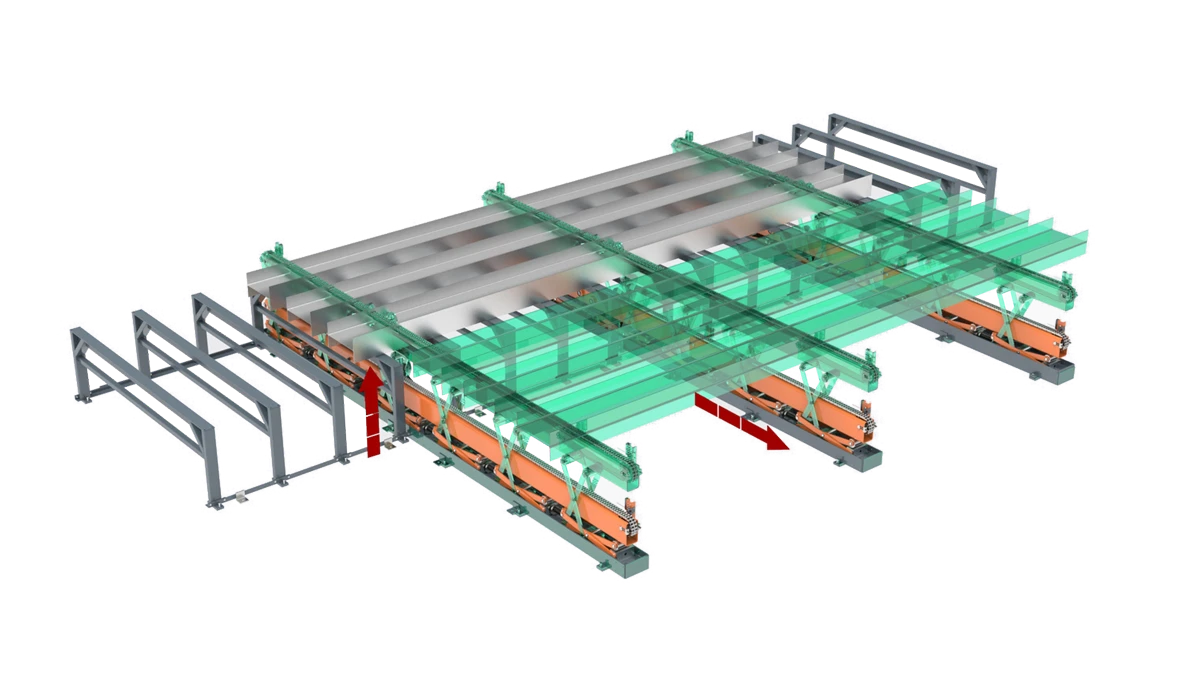
(local exhaust ventilation welding)
5 Game-Changing Features in Modern Welding Fume Control
Today's local exhaust ventilation welding
systems aren't your grandpa's clunky ductwork. See what sets them apart:
- ✅ 94.7% filtration at 1,200 CFM airflow
- ✅ 35% energy savings with variable-speed motors
- ✅ 15-minute modular installation
Head-to-Head: Top 3 Welding Fume Solutions Compared
| Feature | Dynavent Pro 5000 | Competitor A | Competitor B |
|---|---|---|---|
| Filter Efficiency | 99.97% @ 0.3μm | 95% @ 1μm | 89% @ 5μm |
| Energy Cost/Month | $18 | $42 | $55 |
Your Shop, Your Rules: Custom Configurations That Work
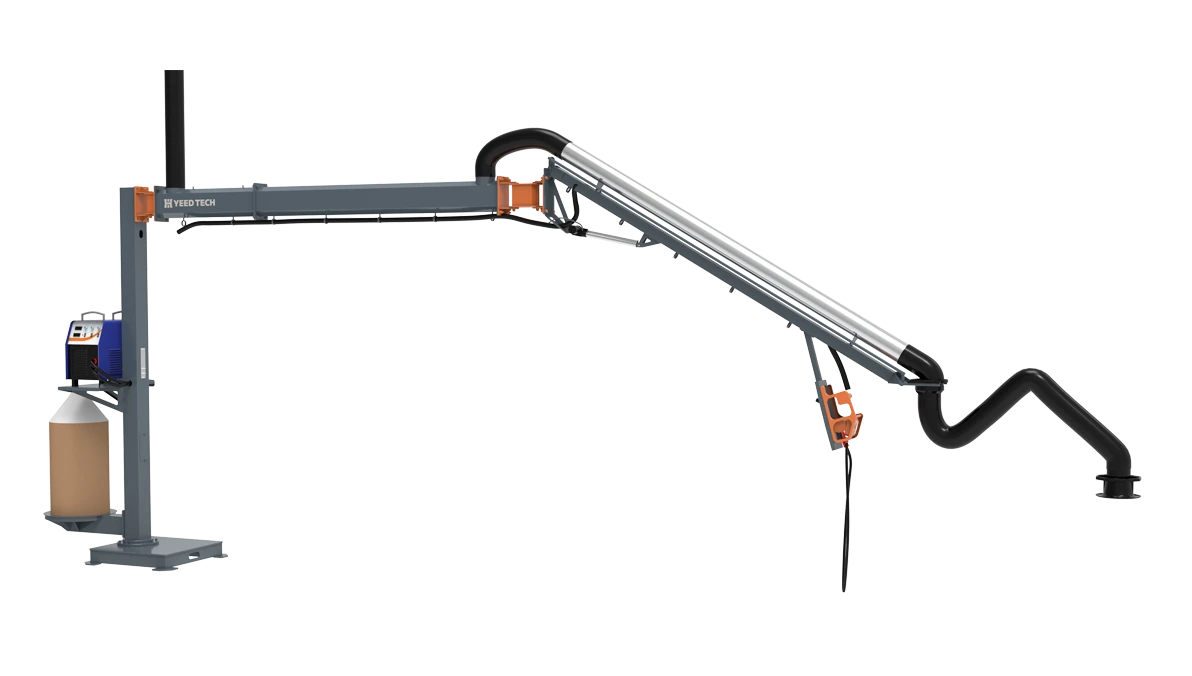
Whether you're welding aluminum trusses or stainless steel tanks, our welding fume local exhaust ventilation adapts to YOUR workflow:
🔧 Choose from 3 capture hood sizes (12", 18", 24")
🔧 Select mobile or ceiling-mounted units
🔧 Add robotic arm integration (+$1,200)
Real Results: How Ohio Auto Plant Slashed Fumes
After installing our local exhaust ventilation for welding, Johnson Metalworks saw:
- ⏱️ 22% faster production cycles
- 🏥 61% fewer sick days
- 💵 ROI in 14 months
Ready to Transform Your Workspace?
Book your free air quality audit by June 30 and get:
➤ $500 installation credit
➤ 3-year extended warranty
➤ Fume exposure report
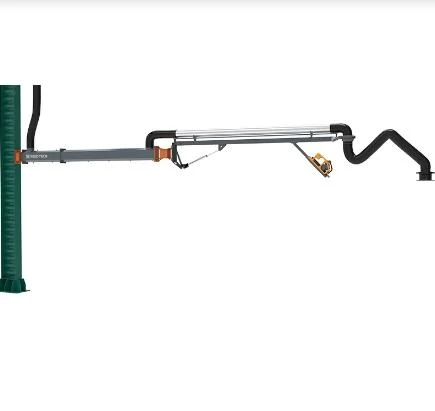
(local exhaust ventilation welding)
FAQS on local exhaust ventilation welding
Q: What is local exhaust ventilation in welding?
A: Local exhaust ventilation (LEV) in welding is a system designed to capture harmful fumes and gases directly at their source during welding processes. It uses hoods, ducts, and filters to remove contaminants before they disperse into the workspace. This ensures safer air quality for workers.
Q: How does local exhaust ventilation for welding work?
A: Local exhaust ventilation systems capture welding fumes by positioning extraction hoods near the welding arc. Contaminated air is pulled through ducts and filtered before being safely discharged or recirculated. This minimizes exposure to hazardous particles like metal oxides and ozone.
Q: What are key design elements of welding fume local exhaust ventilation?
A: Effective systems include properly sized capture hoods, sufficient airflow velocity to transport fumes, and HEPA filters for particle removal. Duct placement must avoid obstructing the welder’s workspace. Regular maintenance ensures optimal performance and compliance with safety standards.
Q: Why is local exhaust ventilation critical for welding safety?
A: Welding generates toxic fumes linked to respiratory diseases and cancer. LEV systems reduce airborne contaminants below permissible exposure limits (PELs). This protects workers’ health and ensures compliance with OSHA or equivalent regulations.
Q: How often should welding local exhaust ventilation systems be inspected?
A: Inspections should occur quarterly to check airflow, filter efficiency, and hood positioning. Annual professional testing ensures the system meets regulatory performance criteria. Immediate repairs are needed if reduced suction or visible damage is observed.
Latest News
-
Efficient automated hot air drying equipment for steel structure application
NewsApr.16,2026 -
Efficient hot air drying system for steel structure spraying line
NewsApr.09,2026 -
Optimizing Steel Structure Spraying with Hot Air Drying Technology Solutions
NewsApr.07,2026 -
HighEfficiency Hot Air Drying Painting Equipment for Superior Industrial Coatings
NewsApr.04,2026 -
Optimizing Industrial Processes with Hot Air Furnace Heating Spraying Systems
NewsMar.31,2026 -
Comprehensive Tailormade Steel Structure Spraying Solution for Enhanced Durability
NewsMar.28,2026 -
Optimizing Steel Structure Protection through Customization and Integration of Spraying System
NewsMar.26,2026